





 Portuguese
  English
  Spanish
  4 min of reading
  6 comments


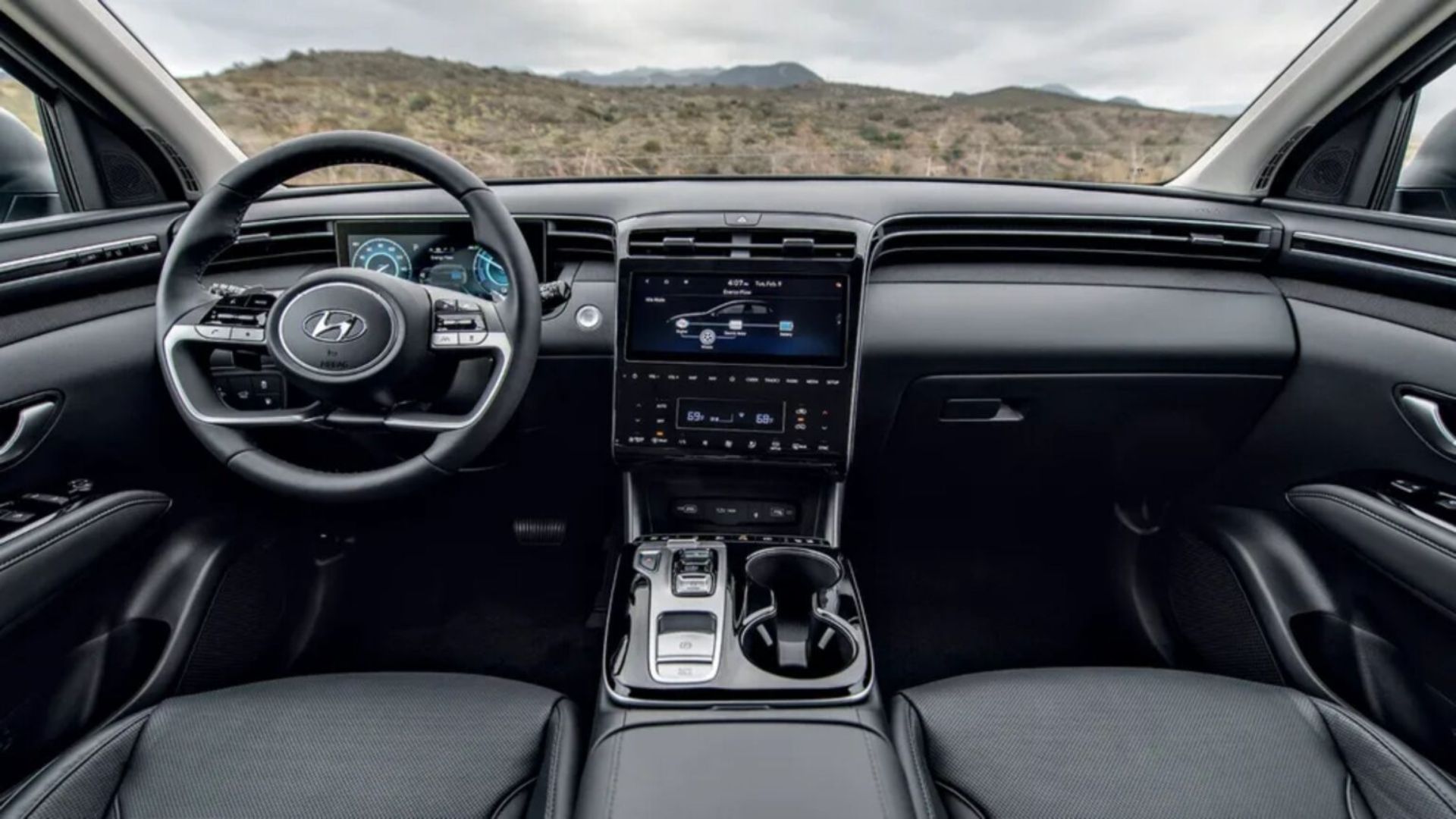


New Hyundai Tucson 2026 Bets on Retro Visual, Artificial Intelligence and Hybrid System to Compete with Established Rivals in the Medium SUV Segment.
Hyundai is preparing a turnaround in its global SUV portfolio with the arrival of the fifth generation Tucson, scheduled for 2026.
The new model stands out for adopting a visual identity inspired by classic cars, combined with unprecedented technological solutions, such as advanced hybrid system, integrated artificial intelligence (AI) and cutting-edge connected features.
The goal is clear: compete head-to-head with heavyweight rivals like Jeep Compass, Toyota Corolla Cross and Honda HR-V, all benchmarks in the medium SUV segment.
-
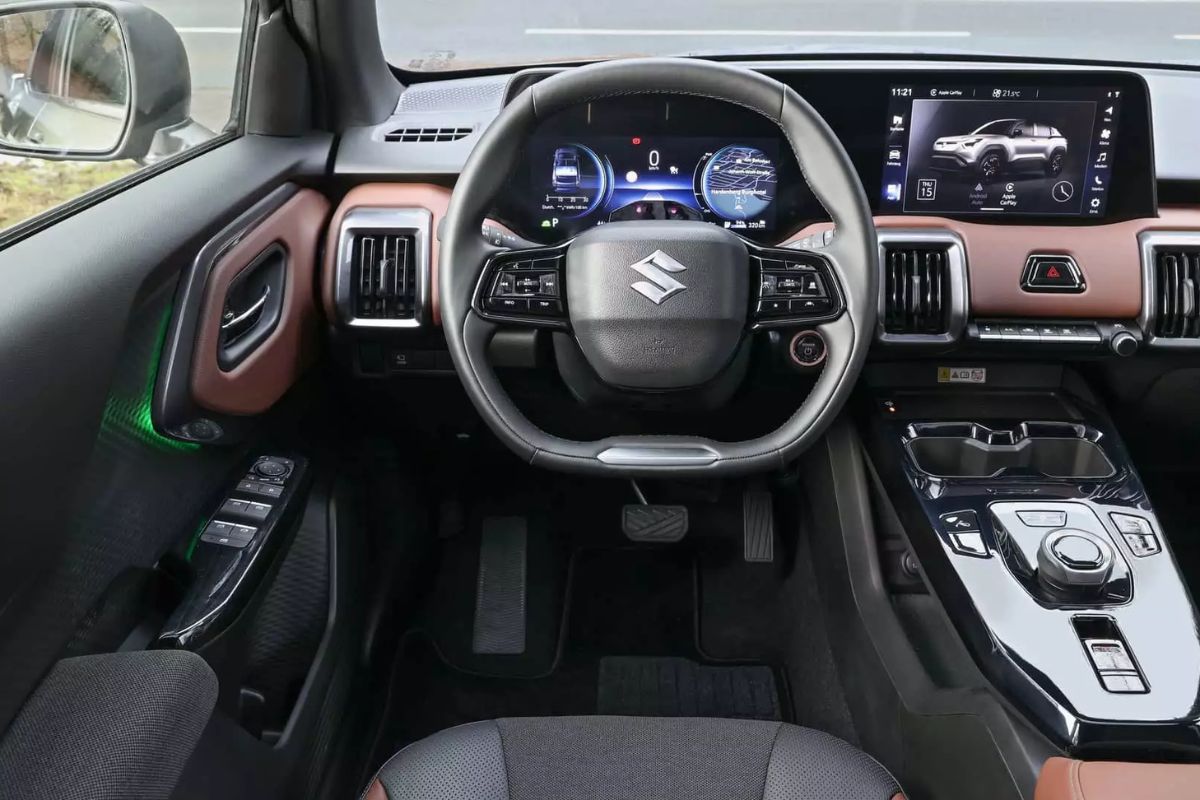
The 2026 electric Vitara arrives in Brazil and proves that Suzuki is not leaving: 4×4 traction, 184 hp, 61 kWh LFP battery, 293 km range, R$ 259,000, and a trunk capacity of 224 L.
-
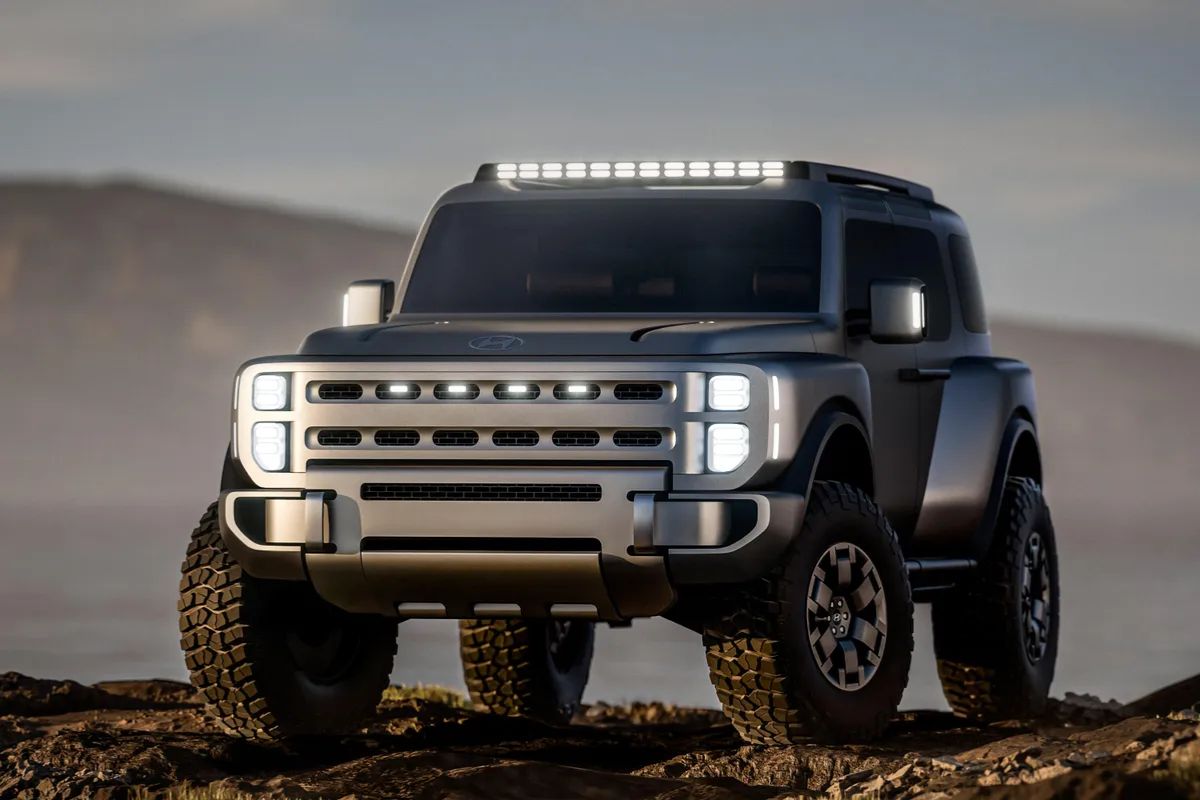
Hyundai has unveiled the Boulder, a square SUV with a body-on-frame design, 37-inch mud tires, and carriage-style doors that seems to be made to take on the Ford Bronco and the Scout Traveller in the United States.
-
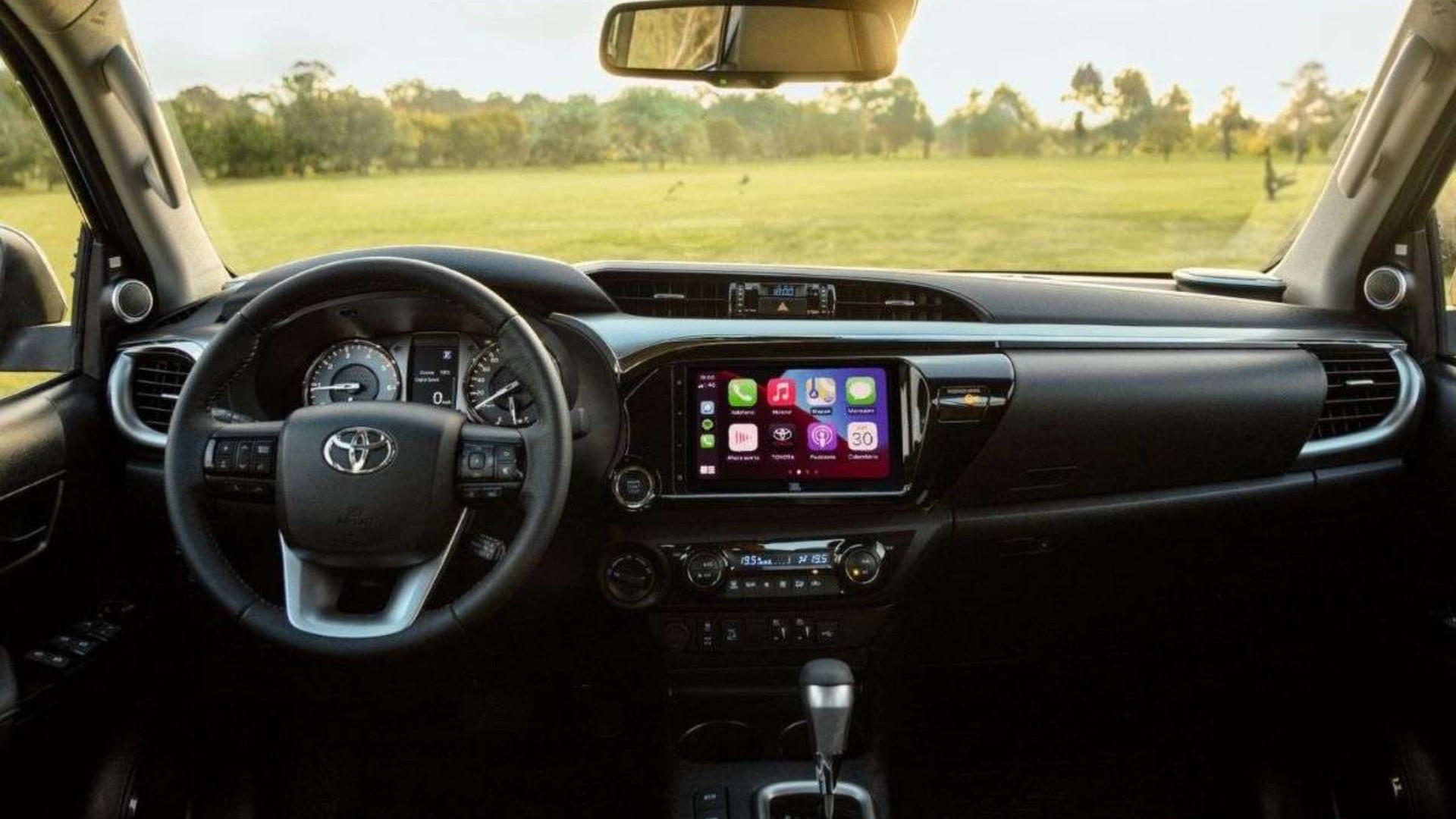
The Toyota Hilux is R$ 75.5 thousand cheaper and bets on the 2.8 turbodiesel engine with up to 204 hp and 50.9 kgfm to catch up with the VW Saveiro, which leads with 4,472 sales.
-
The new Renault Koleos has a screen exclusively for the passenger that is invisible to the driver, heated rear seats, and 29 assistance systems, but its Chinese competitors cost R$ 40,000 less and deliver more power.
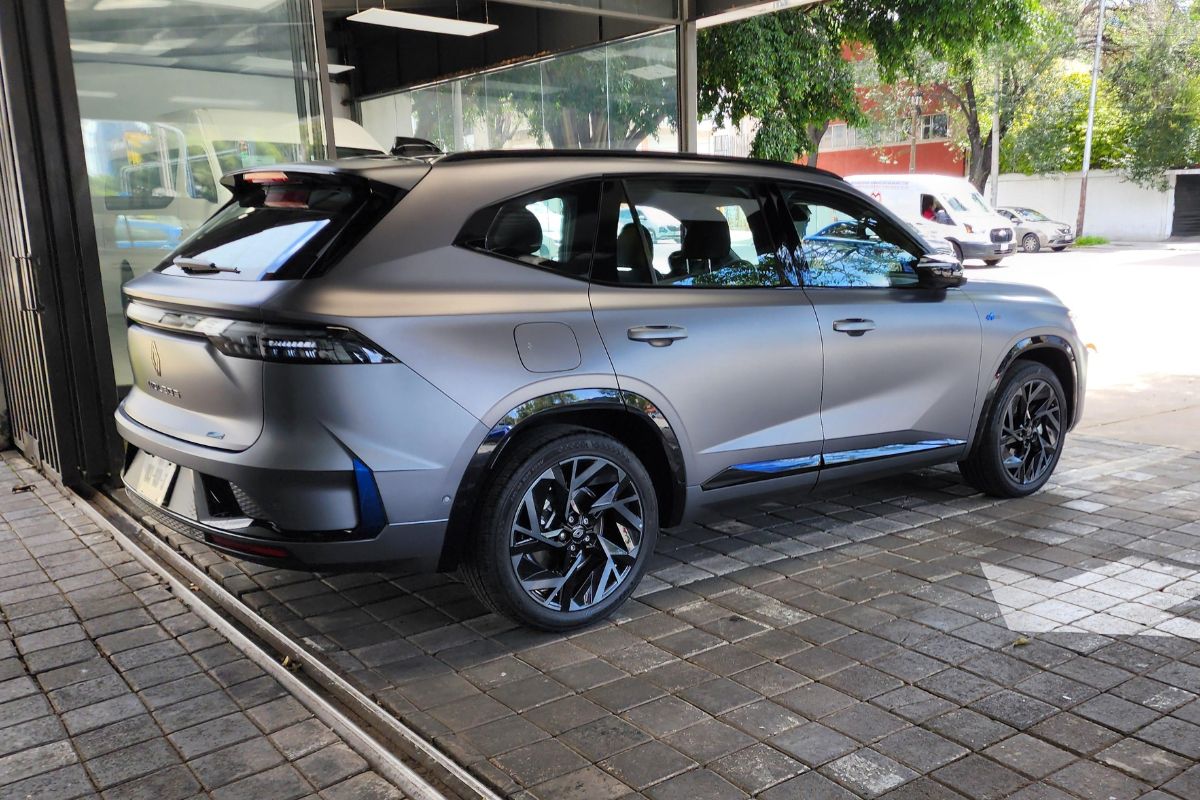

Hyundai Tucson 2026: Retro-Futuristic Design and New Lines
According to confirmed information released by the website Auto Esporte, the development of the Tucson 2026 involves teams from South Korea and Germany under the codename NX5.
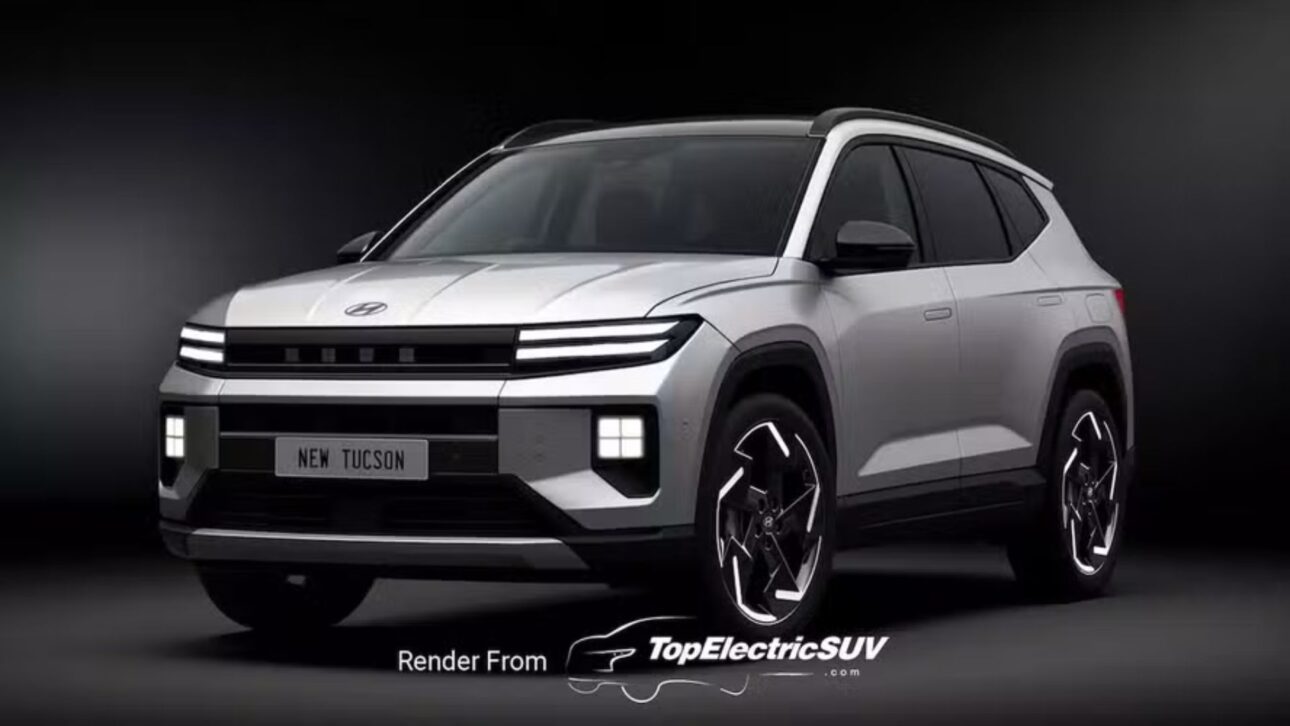
Unlike previous generations, this new lineage strongly bets on the design philosophy called “Art of Steel”, already seen in recent launches from the brand, such as the N Vision 74 concept.
This concept blends modern lines with classic elements, giving the SUV a retro-futuristic visual identity.
Among the main external changes are the adoption of LED headlights with exclusive design, straight side pillars, and sharply inclined windshield.
These features signal the new positioning of the Tucson in the market, seeking to attract consumers who value style, innovation, and exclusivity.
Innovative Interior and Embedded Technology
Internally, the Tucson 2026 promises to revolutionize the occupants’ experience.
The highlight is the new operational system Pleos OS, developed by Hyundai and applied on a wide screen, with a 16:9 aspect ratio, featuring a visual similar to that of smartphones.
This system brings an intuitive interface and access to the app store Pleos Playground, where it will be possible to install a range of customizable functionalities, bringing the car usage experience closer to that of modern electronic devices.
Connectivity will be elevated to a new level, with the integration of the AI virtual assistant named “Gleo”, capable of executing voice commands, controlling vehicle functions, searching for information online, and interacting naturally with occupants.
According to Hyundai, “the goal is to make user interaction with the vehicle as fluid as conversing with a friend”.
In terms of safety and automation, the Tucson 2026 will have level 2.5 autonomous driving features, expanding the assistance package already offered in other models from the brand.
Among the expected functions are adaptive cruise control, lane keeping assistance, automatic emergency braking, and autonomous parking, reinforcing Hyundai’s commitment to safety and practicality in daily use of the SUV.
Hyundai Tucson Hybrid: Advanced System and Electric Range
Under the hood, the most significant novelty is Hyundai’s decision to equip the Tucson exclusively with hybrid systems, definitively abandoning diesel engines in global versions.
There will be both conventional hybrid and plug-in options, capable of operating in fully electric mode for up to 100 kilometers, according to initial data from the manufacturer.
This range fully meets the demand for urban commuting, making the SUV a sustainable and efficient alternative for those seeking fuel economy without sacrificing performance.
The engines are expected to combine gasoline engines with high-efficiency electric units, benefiting from recent advances in batteries and embedded electronics.
Hyundai Tucson’s Presence in Brazil
In the Brazilian context, the Hyundai Tucson has a successful history since its debut, but has lost ground to more recent competitors.
Despite this, the model remains relevant, especially for its robustness and reliability recognized by the public.
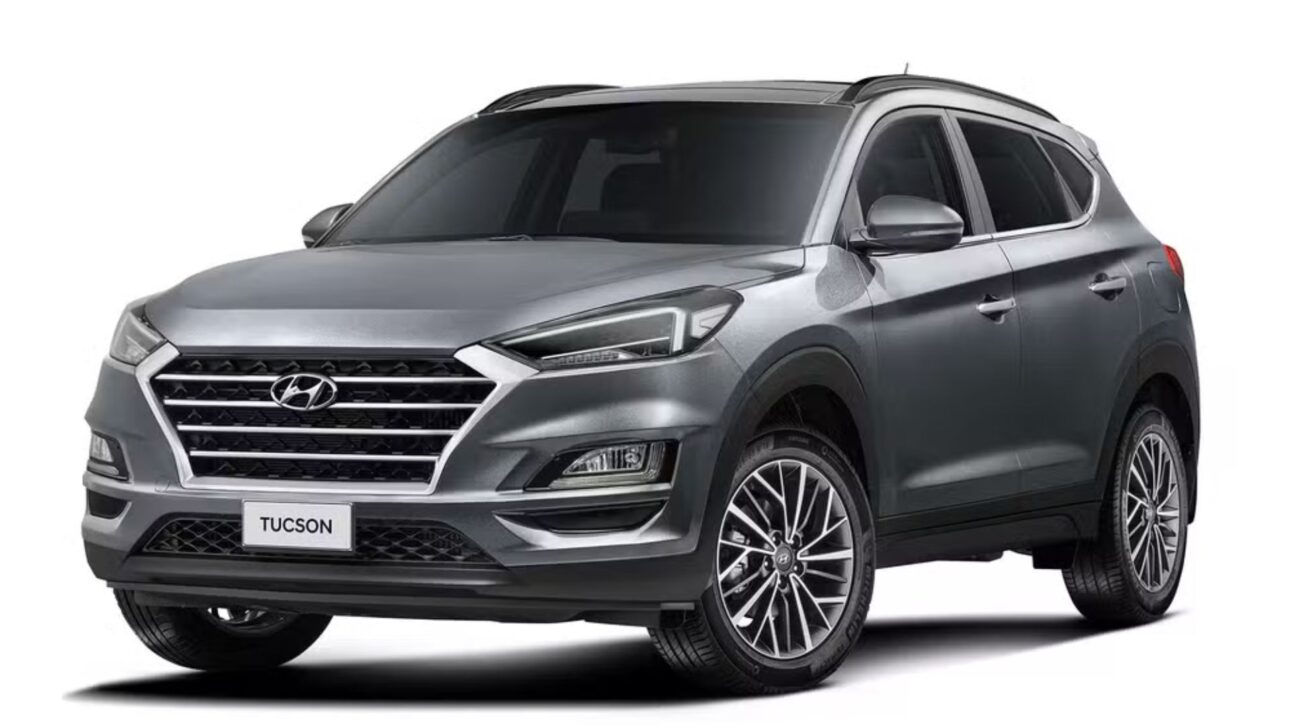
Currently, Hyundai sells the third generation of the Tucson in Brazil, always equipped with a 1.6 TGDI engine with 177 horsepower and a dual-clutch automatic transmission, while the fourth generation, launched abroad in 2020, has yet to be offered in the national market.
With the arrival of the new generation in 2026, expectations are that the Tucson will once again compete directly for segment leadership, now betting on electrified technologies and cutting-edge connectivity.
Hybrid SUV Market and Trends
The choice for the hybrid system as the only mechanical alternative aligns with a global trend of electrification and sustainability, observed in markets in Europe, Asia, and North America.
Data from the Brazilian Association of Electric Vehicles (ABVE) indicates accelerated growth of the electrified fleet in Brazil, with a 150% increase in the sales of hybrid and electric vehicles between January and July 2025.
This movement reinforces the potential of the Tucson 2026 to meet the new consumer profile, more attentive to environmental issues and willing to invest in modern and economical solutions.
User Experience and Differentials of the New Tucson
In addition to its striking design and technological features, Hyundai bets on personalized user experience as a competitive differential.
The new Tucson will seek to stand out among medium SUVs not only for its performance but also for practicality, comfort, and connectivity, all increasingly valued by the Brazilian public.
The direct competition with Jeep Compass, Toyota Corolla Cross and Honda HR-V is expected to heat up the segment and stimulate a new round of innovations among the main manufacturers.
With the global launch scheduled for 2026, it remains to be seen how the Brazilian market will react to the arrival of the new Tucson and what impact hybrid technology will have on consumer choices.
Do you believe that the retro design, integrated artificial intelligence, and 100 km electric range will be sufficient to place the Tucson back among the most desired SUVs in the country?








Tengo un Tucson 2016. Excelente por donde sea la mire. Quisiera renovar y esto depende de los precios y la competencia que ofrece el segmento.
Tenho im Tucson 2.0.ano 2009 automatico.é um grande e confortavel carro até hoje.
Vai ter que vir com preço muito competitivo, principalmente pra brigar com as marcas Chinesas que estão dominando o mercado brasileiro com preços baixos e ótimos carros.