





 Portuguese
  English
  Spanish
  5 min of reading
  0 comments


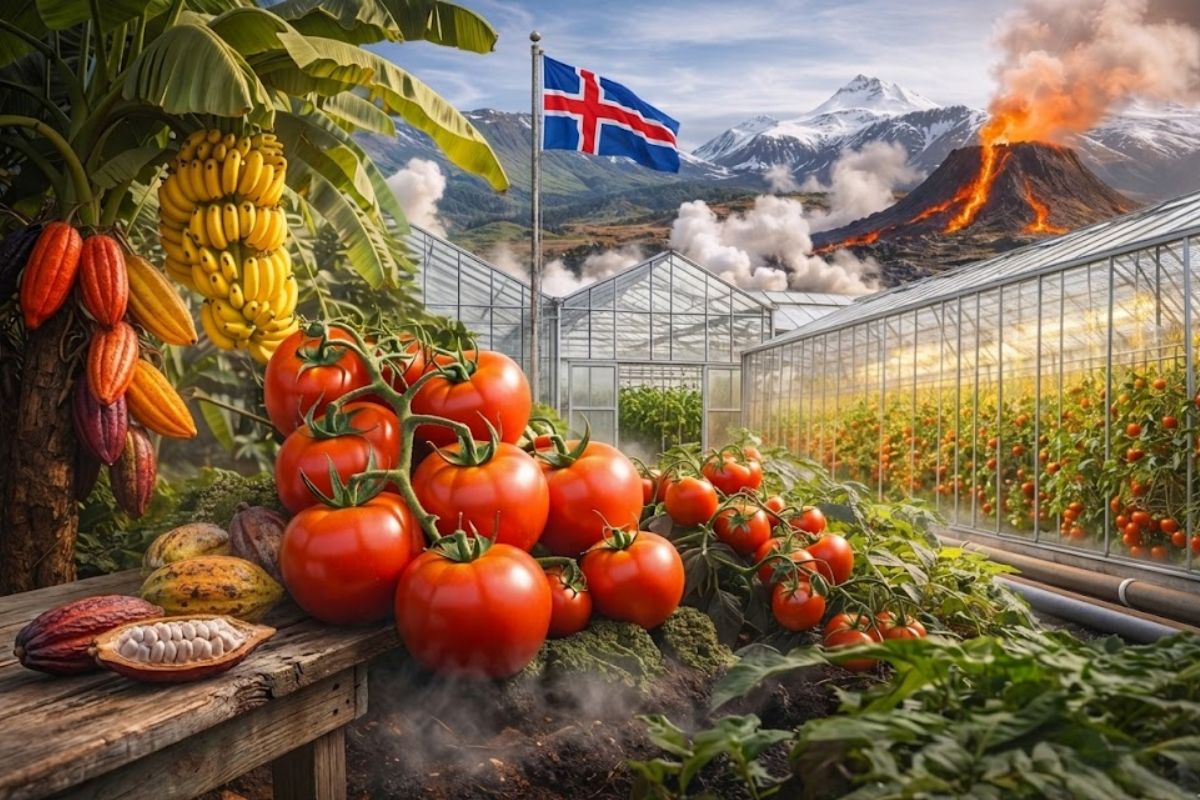
Iceland transformed volcanic geothermal energy into the engine of an agricultural revolution that reduced dependence on imports from Europe with greenhouses heated by boiling underground water while a farmer from the West Fjords proves that it is possible to grow vegetables outdoors without geothermal energy using only the sun and sheep’s wool.
Iceland is close to the Arctic Circle, has summers where the temperature barely exceeds 12 degrees Celsius and winters of almost total darkness. Even so, the country grows almost 70% of the tomatoes it consumes, nearly 100% of cucumbers, and is experimenting with tropical bananas and even cocoa. The secret of Iceland lies beneath our feet: volcanoes and geysers bring heat from the Earth’s interior to the surface, and Icelanders have channeled this geothermal energy to heat greenhouses where vegetables grow as if they were in the Mediterranean.
According to the DW Documentary, Iceland’s agricultural revolution is not limited to large industrial greenhouses. While producers like Tomas Ponzi grow over 30 varieties of tomatoes supplying the best restaurants in Reykjavik, a farmer named Hildur Arnardóttir, in the remote West Fjords of Iceland, proves that it is possible to grow vegetables outdoors without geothermal energy using only sunlight, sheep’s wool, and permaculture techniques. Iceland is showing that producing food in one of the planet’s most hostile climates is a matter of creativity, not latitude.
How Iceland’s volcanic energy heats greenhouses to 20 degrees in the middle of the cold

20 minutes from Reykjavik, at Brennholt farm, Tomas Ponzi built a small paradise for tomatoes. Outside, the temperature in Iceland is 12 degrees. Inside the 100 square meter greenhouse, it is a pleasant 20 degrees, ideal conditions for the plants.
-
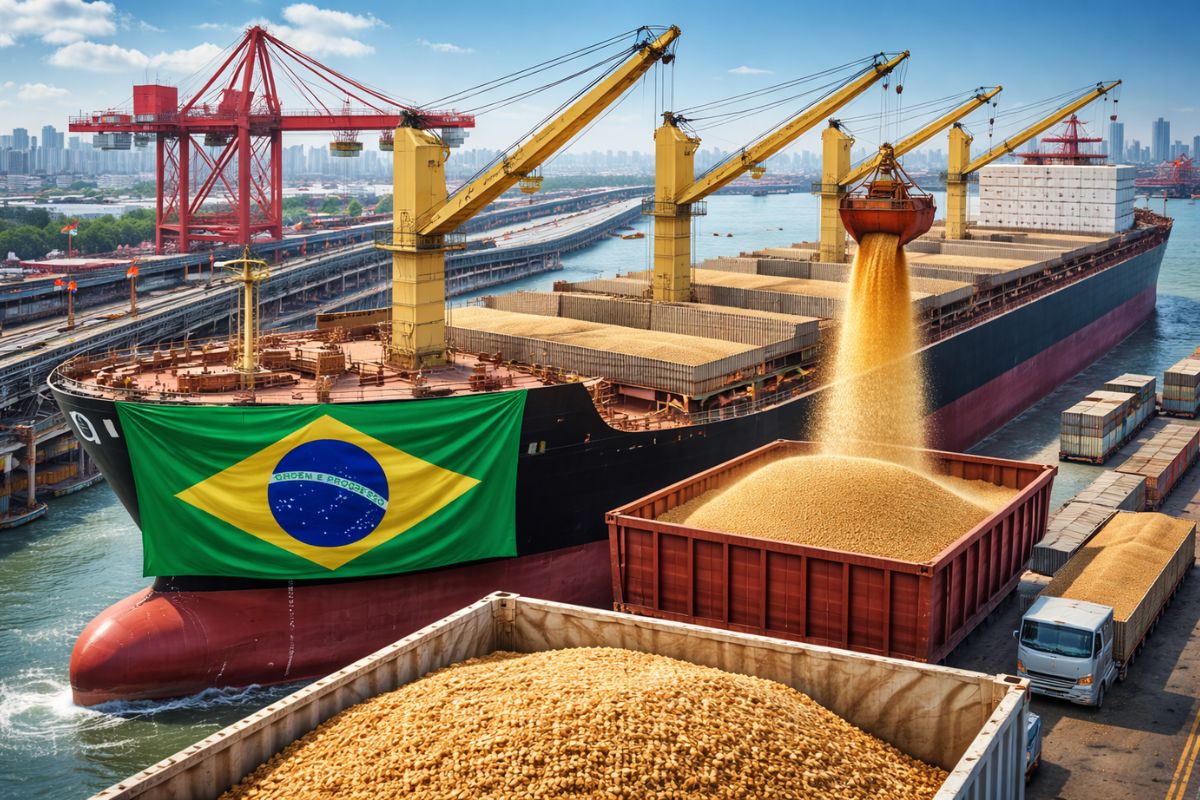
Brazil sends unprecedented product to China and a ship with 62 thousand tons has already arrived at its destination: a new billion-dollar market opens for Brazilian agribusiness.
-
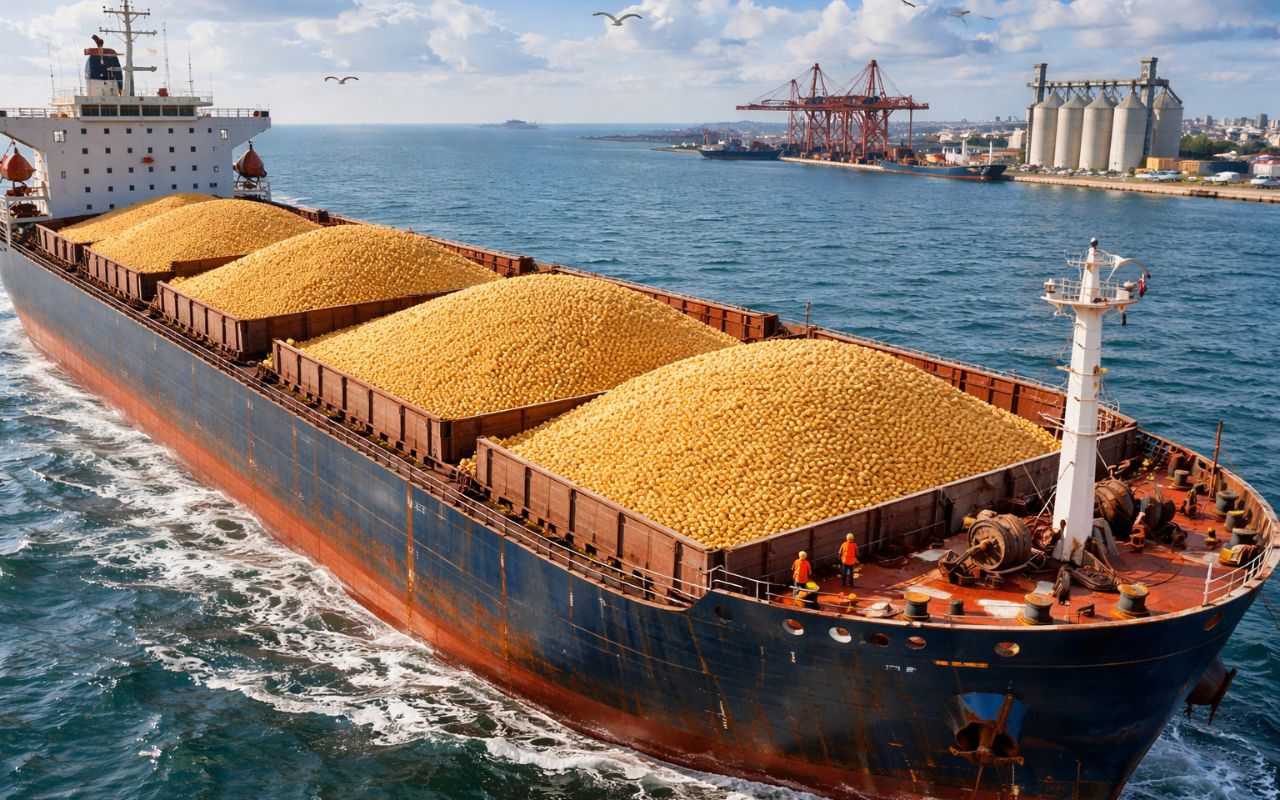
Even with logistical challenges, Brazil exports 17.1 million tons of grains and reinforces its global prominence.
-
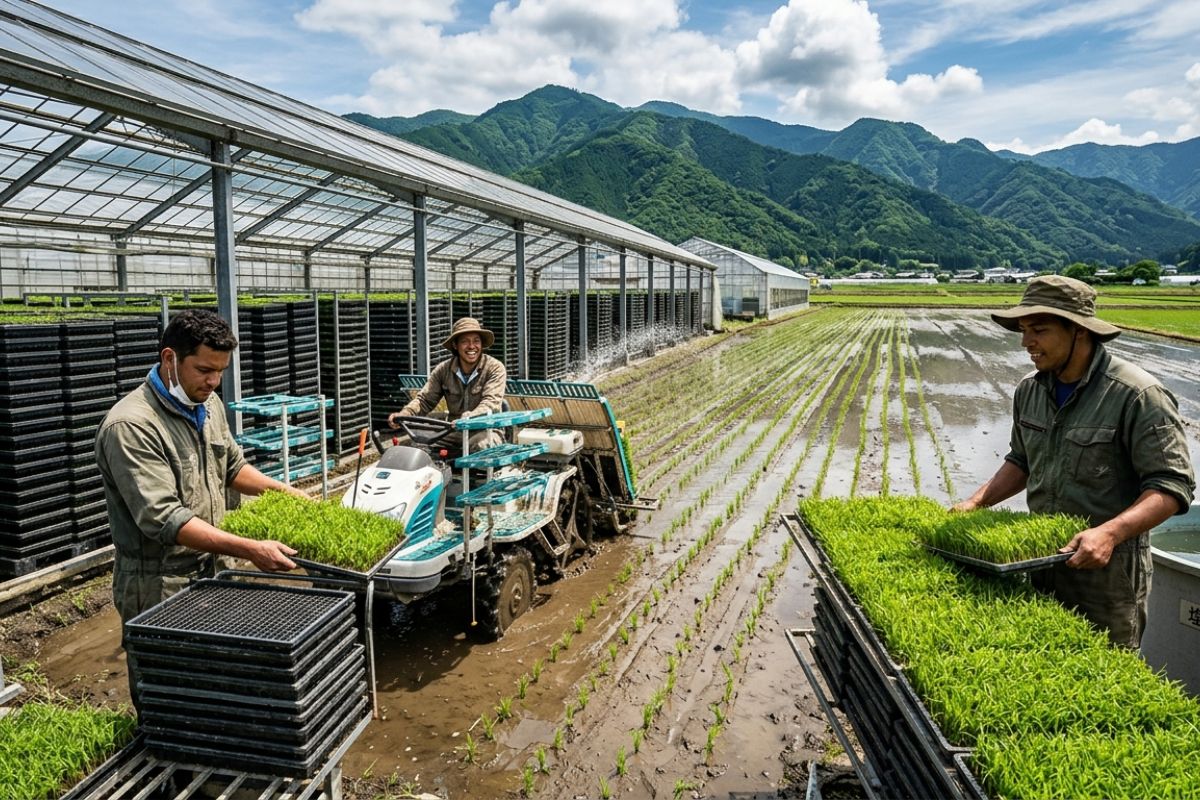
In the interior of Shizuoka, Brazilian brothers became farmers and revealed the secret of Japanese rice: brine selects seeds, the radicle determines the point, 4,000 trays fill greenhouses, and mechanized transplanting never forgives mistakes.
-
Brazil surprises China with a new agro offensive: first shipments of DDGS and poultry by-product meal arrive in the Asian country, expanding billion-dollar exports.

The heating comes from boiling water pumped from an artesian well that flows through pipes inside the greenhouse, creating the perfect climate for cultivation without spending electricity. It is pure geothermal energy, the same volcanic heat that warms 90% of Icelandic homes.
Tomas is a software developer by profession, but 14 years ago he moved to the farm with the mission of growing the best tomatoes in Iceland.
Today he produces over 30 varieties including traditional Russian and Italian ones that he found while searching for seeds around the world and supplies to top restaurants in Reykjavik. Chef Þráinn Freyr Vigfusson, from the restaurant ÓX, personally goes to the farm to select the tomatoes that are served to customers just a few hours after being picked. According to him, there is nothing comparable in Iceland or anywhere else he knows.
Bananas and cocoa growing near the Arctic Circle in Iceland
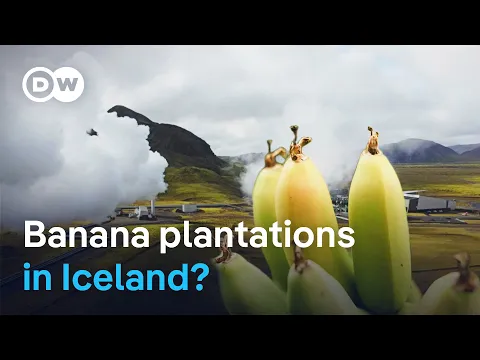
At the Agricultural University of Hveragerði, Iceland hosts the northernmost banana plantation in the world. Tropical fruits have been grown there for 70 years, using geothermal heating tubes that keep the experimental greenhouse at 20 degrees Celsius year-round.
Fifty plants already produce enough bananas for the university, although researchers have concluded that commercial production is not viable as the plants simply take too long to bear fruit in Iceland’s climate.
But the most surprising experiment is cocoa. After more than 10 years of research, the Icelandic team harvested the second cocoa fruit in the country’s history with over 20 beans, enough to produce a small amount of Icelandic chocolate.
The first cocoa harvested a year ago had only 13 beans but yielded a chocolate bar. Researcher Gudríður Helgadóttir and her colleague Elias Oskarsson continue to explore which exotic fruits can thrive in Iceland’s geothermal greenhouses.
The farmer in Iceland who grows vegetables outdoors without geothermal energy

Hildur Arnardóttir, 37, lives in Ísafjörður, a town of 3,000 inhabitants in the West Fjords of Iceland, a region even colder than the south of the country and without access to geothermal energy.
Even so, she grows beets, pumpkins, zucchini, and even strawberries using only sunlight and sheep’s wool as protection against the cold. Her greenhouse is not intentionally heated; it relies exclusively on the passive heat of the sun.
The decision not to use geothermal energy in Iceland is philosophical. Hildur believes that heating a greenhouse that loses heat quickly is a waste of energy and prefers to live in harmony with the seasons.
“Growing vegetables here is like having children: it’s a big responsibility, you can never leave the plants alone,” she says. Using permaculture methods, heirloom seeds, natural composting, and no artificial fertilizers, Hildur proves that Iceland can produce food even without the luxury of volcanic heat.
The dream of a self-sufficient Iceland in vegetables
Both Tomas and Hildur share a vision: that Iceland becomes increasingly less dependent on imported vegetables from Spain and the Netherlands.
The numbers already show progress: almost 70% of the tomatoes and nearly 100% of the cucumbers consumed in Iceland are produced locally. Tomas goes further and develops cold-resistant tomato varieties from Siberian and Canadian seeds crossed with his best varieties to create plants that can survive without artificial heating.
Hildur dreams of something even more ambitious. “My biggest dream would be for every small town in Iceland to have a community garden for everyone, so that everyone can take home fresh, local vegetables,” she states. She organizes workshops in her community garden in Ísafjörður, teaching young people and neighbors how to grow food.
In Iceland, where until a few decades ago the diet was dominated by fish, meat, and fermented foods, the vegetable revolution is transforming not only agriculture but also the food culture of an entire country.
Did you imagine that Iceland grew tomatoes, bananas, and cocoa near the Arctic Circle? Do you think Brazil has something to learn from this experience? Let us know in the comments.








Seja o primeiro a reagir!