





 Portuguese
  English
  Spanish
  4 min of reading
  0 comments


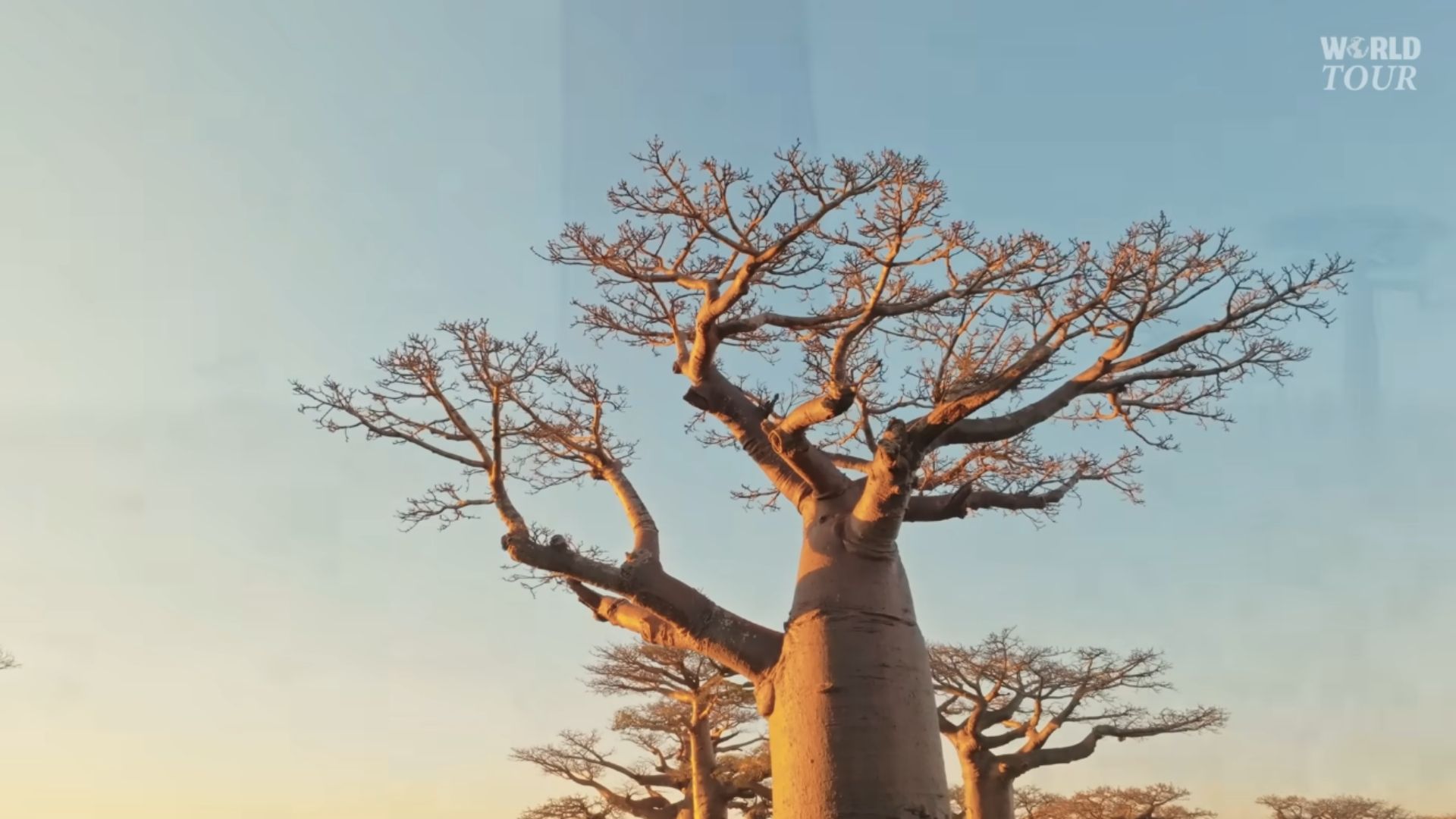
Isolated for Almost 90 Million Years in the Indian Ocean, the Island of Madagascar Houses More Than 100 Species of Lemurs, Sharp Stone Forests, and Volcanoes That Write the History of the Earth in Fire and Silence.
Nearly 88 million years ago, a portion of the African continent broke away from what we now know as Mozambique. Adrift in the Indian Ocean, this immense landmass began a unique geological and biological journey. Thus was born Madagascar, an island forgotten by time, where nature, isolated from the rest of the world, sculpted forms and creatures that seem to be from another planet.
The Stone Forests That Cut Like Blades
In the west of the island, one of the most surreal landscapes on Earth challenges even the imagination of scientists. The Tsingy de Bemaraha, a UNESCO World Heritage Site, is a labyrinth of limestone that rises up to 70 meters high, sharp enough to cut skin with a mere touch.
From above, it looks as if the planet has opened up, revealing stone teeth. Traversing this territory requires courage and balance: rope bridges connect towers carved by erosion, allowing travelers to cross what was once considered a domain of spirits.
-
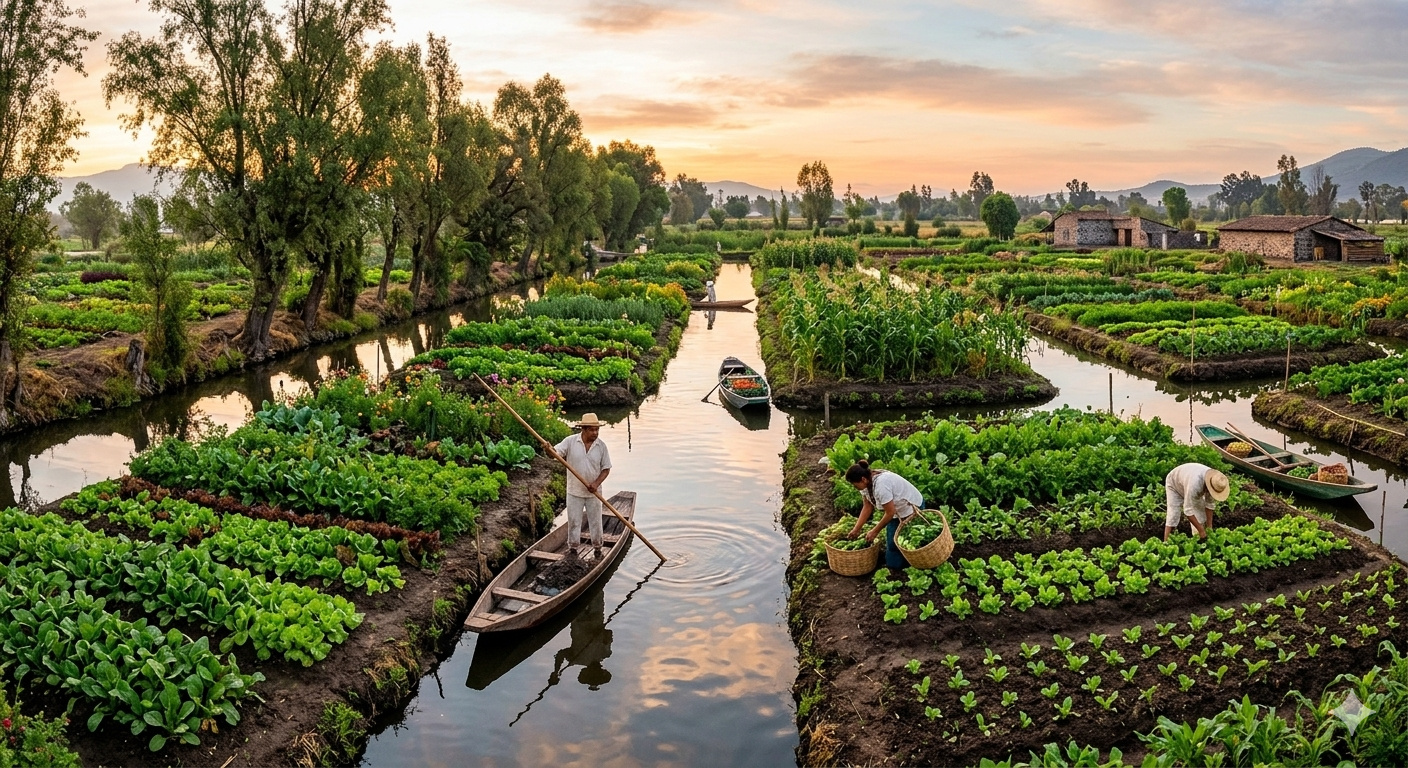
Since the Aztecs, farmers in Mexico have built artificial islands surrounded by canals and maintain a highly productive system that still challenges the logic of conventional agriculture today.
-
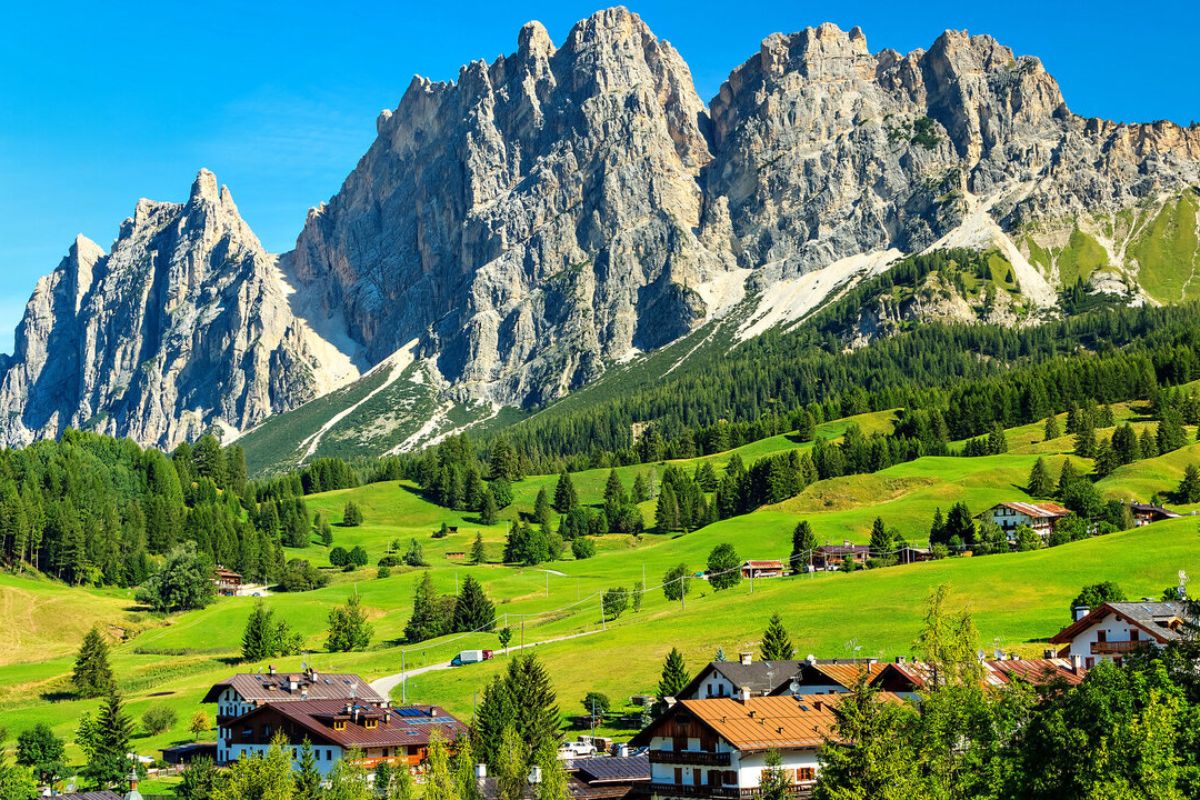
Scientists are looking for volunteers to live for free for a month in a refuge in the Italian Alps at an altitude of 2,300 meters, with accommodation, food, and a payment of 400 euros to participate in a health study.
-
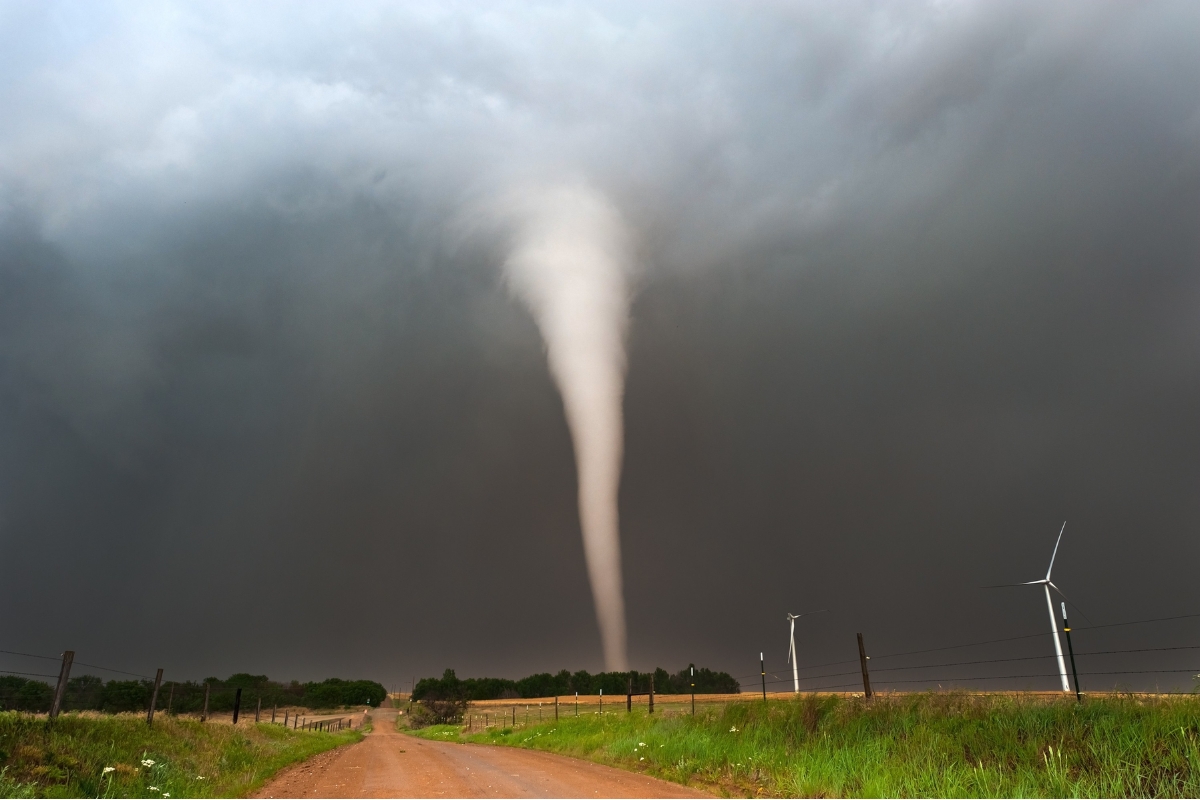
A 19-year-old is ripped from a mobile home by an F2 tornado, thrown 398 meters, survives with minor injuries, and enters the Guinness World Records in one of the most extreme cases ever recorded in meteorology.
-
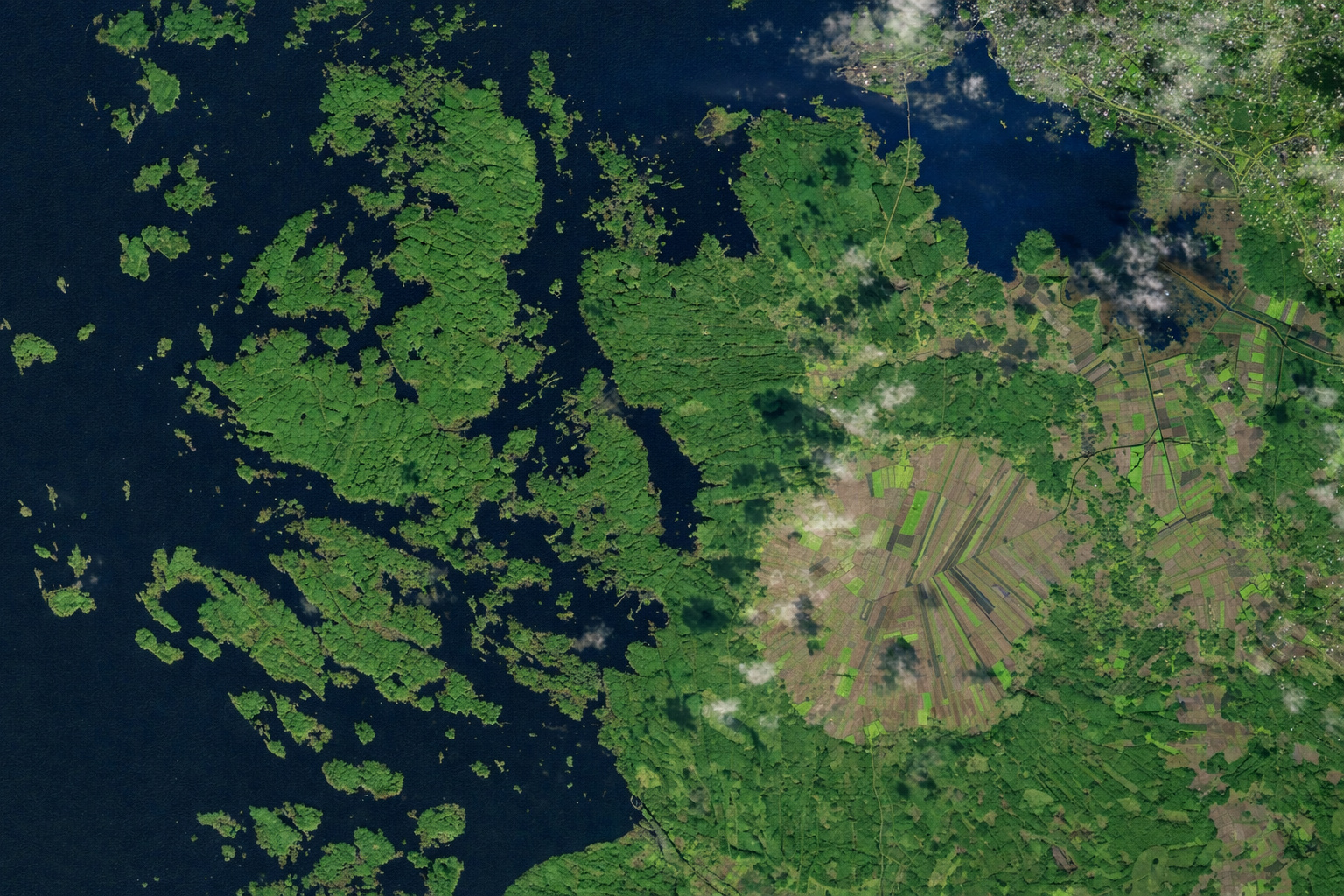
An impact crater has turned into agricultural land in Finland, and its almost perfect outline creates a circular design so strange that it resembles a landscape from another planet viewed from space.

The Trees That Drink the Sky
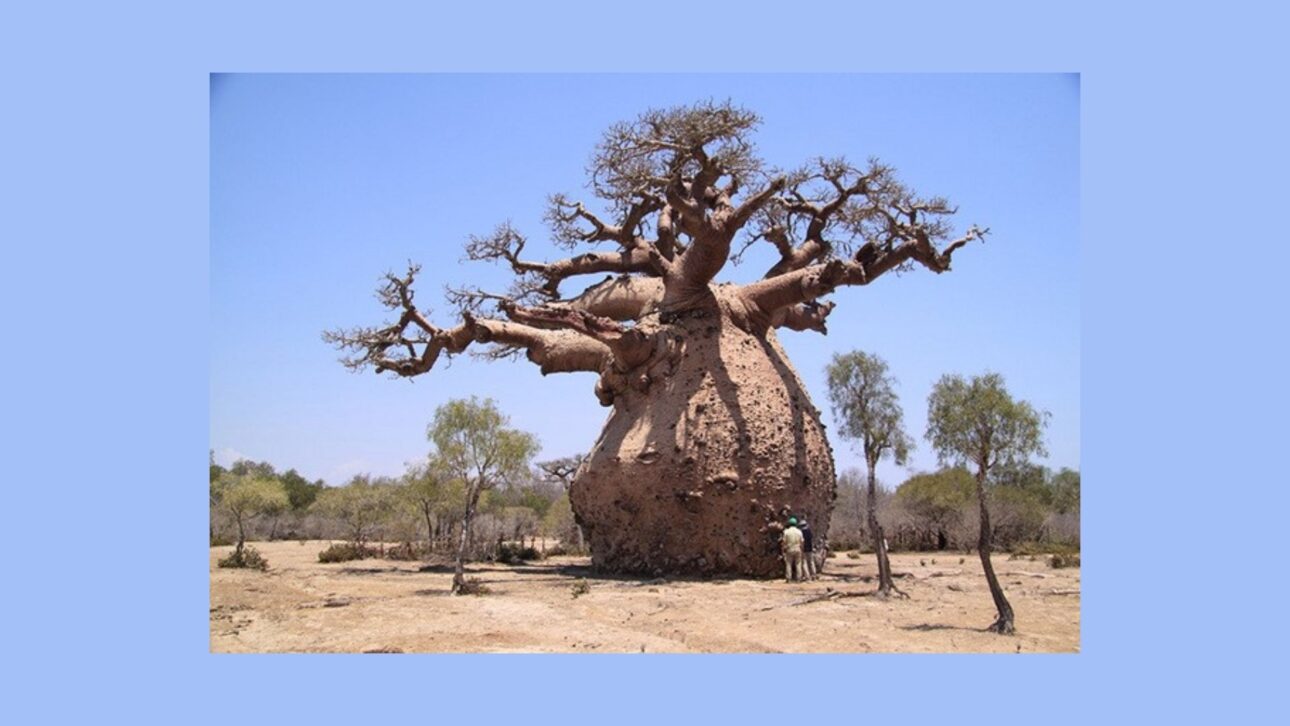
In the west of the island, at the famous Avenue of the Baobabs, the scenery is equally mystical. These giant plants, which can live for over a thousand years, store up to 32 thousand liters of water in their trunks, enough to fill a swimming pool.
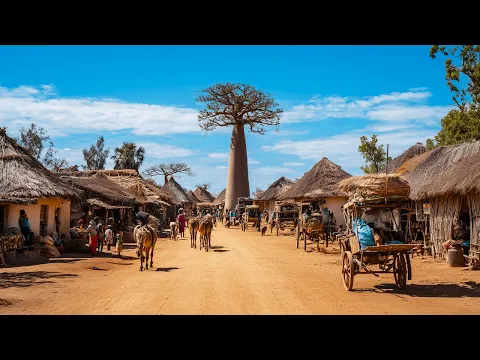

The baobabs seem to grow upside down: their crowns resemble roots pointing to the sky, as if seeking the world of the gods. They are silent witnesses of a forest that disappeared centuries ago when humans transformed the green into fields of cultivation. Only they remain — survivors and sacred symbols for the Malagasy people.
Lemurs: Kings of an Isolated Empire
No other place in the world houses as many endemic species as Madagascar. There are over 100 types of lemurs, descendants of ancestors who arrived on the island long before humans.
From the ring-tailed lemur, with its almost human gestures, to the mysterious aye-aye, with bulging eyes and thin fingers that tap on trunks to hunt insects, each species is a chapter of a separate evolution. Some of these creatures, according to recent fossils, grew as large as gorillas before disappearing, replaced by smaller forms more adapted to the new world.
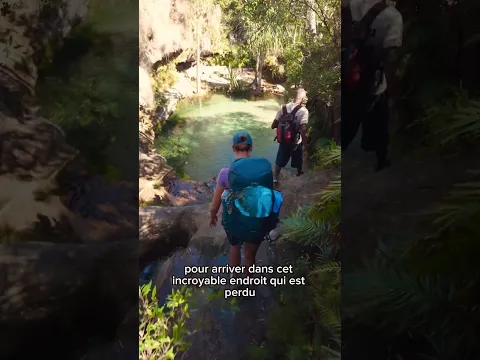
Parks That Hold the Secrets of the Earth
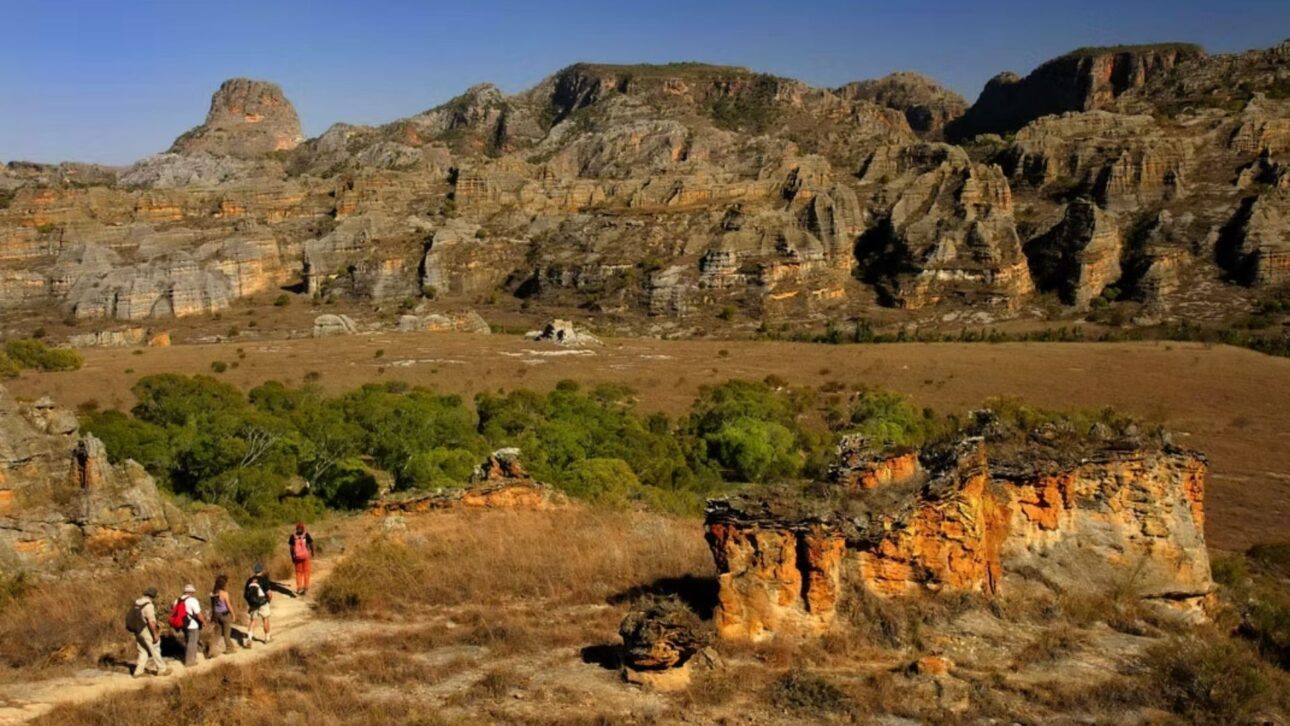
In the south, the Isalo National Park houses sandstone formations sculpted by the wind into shapes so perfect that they resemble the ruins of a lost civilization. There, the Fenêtre de l’Isalo, a natural window opened in the rock, frames a sunset that cuts the golden horizon — a living frame for the island’s geological past.
Meanwhile, in the Andringitra National Park, granite mountains rise like ancestral walls, testing the resilience of climbers seeking to reach their peaks. The thin air, green valleys, and primordial sounds create the sensation of being on a planet still in formation.
Volcanoes and Caviar: The Island That Creates the Impossible
Although Madagascar ranks among the ten poorest countries in the world, its capital, Antananarivo, hosts an impressive contrast: in the cold waters of Lago Mantasoa, sturgeons imported from Russia produce the first African caviar, Rova Caviar, exported to Europe as a symbol of Malagasy resilience.

Further north, in the Comoros archipelago, the Karthala volcano reminds us that this region remains alive and pulsating. With a caldera measuring 3 by 4 kilometers, it is one of the largest active volcanoes on the planet, responsible for shaping new lands, a reminder that the fire of the Earth still writes its story.
The Country Where Time Doesn’t Pass
In isolated villages like Andrahivo, life follows ancestral rhythms: planting, harvesting, and waiting. Dirt roads wind between golden hills, connecting villages that seem suspended in time. Even in arid regions, rice fields form terraces sculpted with millenary precision, reflecting the sky in silver tones during the rainy season.
Between the past and the future, Madagascar continues as a living laboratory of evolution, an 88 million year old island that continues to challenge science and inspire imagination.
A forgotten piece of Africa that, isolated from the world, created one of the most surreal and beautiful ecosystems ever seen on the planet.





-

-

-

-

-

-

246 pessoas reagiram a isso.