Portuguese
  Spanish


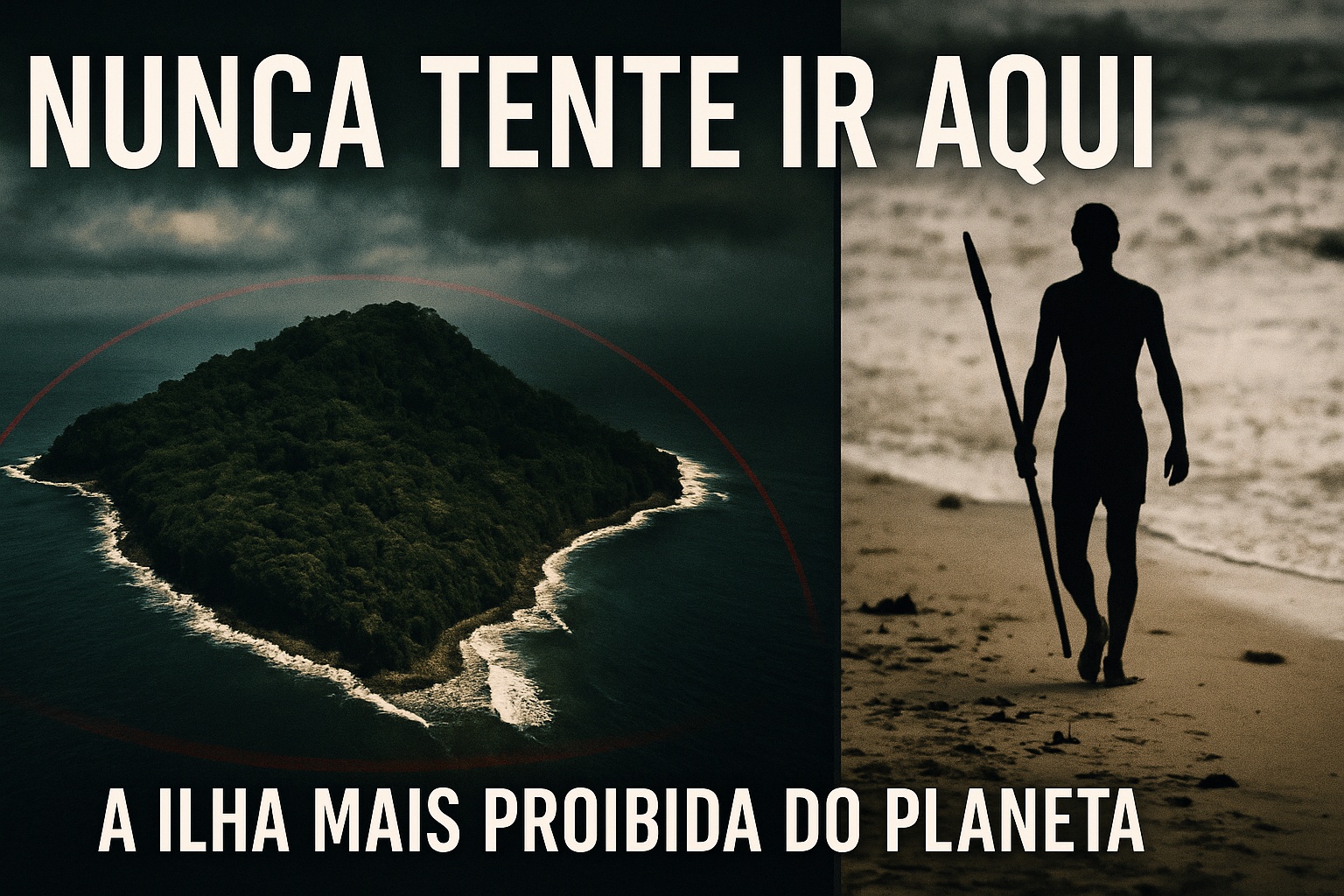


Isolated Island By Law Houses Sentinelese People For 60 Thousand Years. Find Out Why Nobody Can Enter, Registered Deaths In Attempts To Contact, And The Extreme Protection Policy Of The Indian Government.
In the 21st century, when the planet is monitored by satellites, drones, and underwater fiber optics, there exists a territory where time has stopped, where the law protects not the visitor, but those who live isolated within it. This is North Sentinel Island, part of the Andaman Islands, administered by India, and considered the most inaccessible and forbidden place in the modern world. There lives the Sentinelese people, a community that may represent the oldest living link in human history, with an estimated presence of 60 thousand years.
The island is protected by Indian federal legislation that prohibits approaching within 5 km of the coast. The rule has no exceptions, not even for tourists, researchers, or military personnel. Any attempt to approach is considered a threat to the tribe’s security and a biological risk, as the Sentinelese lack immunity to modern diseases. The public policy is clear: do not touch, do not intervene, do not colonize, do not evangelize.
History And Isolation: How The Sentinelese People Have Remained Untouched For Millennia
The Sentinelese are believed to descend from the first human groups that migrated from Africa to Asia, maintaining unique genetic and cultural characteristics. While civilizations rose and fell — from Mesopotamia to the Roman Empire, they continued to live in their forested territory, fishing, hunting, and building shelters from wood and leaves.
-
Twin Earthquakes of Magnitude 7.2 and 7.5 Strike Venezuela, Leaving Over 1,400 Dead and Affecting Millions, Potential Losses Estimated at $6.7 Billion

-
Latin America’s Largest Residential Complex Located in São Paulo Boasts 1,160 Apartments, 72 Shops, 22 Elevators, and 104 Staff Members

-
Rare 1747 Lutheran Bible from Germany, Preserved in Southern Brazil, Showcases Unique Engravings and Handcrafted Techniques
-
Before Japan Became a Football Powerhouse, Zico Transformed the Amateur League, Boosted the J.League, and Was Honored with a Statue at Kashima Antlers



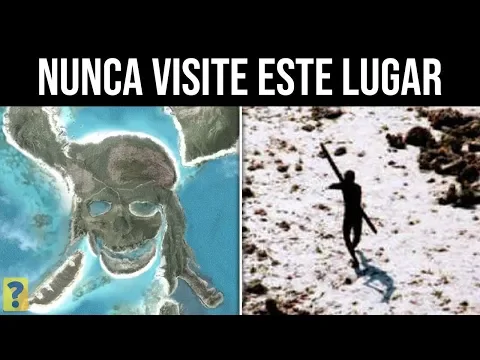
Contact with the outside world has been minimal and always marked by hostility, territorial defense, and a total refusal to approach. British records from the 19th century already reported attacks on vessels and expeditions repelled with spears and arrows.


When Indian anthropologist T.N. Pandit attempted controlled approaches in the 1970s, the reception was clear: arrows were shot at the team, with a rigid stance and absolute silence.
Decades later, he admitted that there was never any real communication, only temporary tolerance. In official reports from the Indian government, Pandit described the tribe as “proud, fiercely independent, and absolutely determined to avoid contact.”
After epidemics devastated other Andaman tribes when the British colonized the region, the policy changed definitively: contact means death, and not just for them, but for anyone who attempts to approach.
Fatal Cases: When The World Tried To Contact The Sentinelese People And Was Expelled
The isolation is not only cultural; it is armed. Hostility is a millennia-old survival strategy. Landmark cases have reinforced the prohibition:
| Year | Event |
|---|---|
| 2006 | Two fishermen were killed after a drifting boat reached the shore |
| 2018 | American missionary John Allen Chau was killed while trying to evangelize the tribe |
| 1991 | Last formal attempt at “friendly contact,” ended due to epidemiological risk |
In none of the cases did the Indian government attempt to recover the bodies. The reason is technical and explicit: entering the island places the tribe at fatal biological risk and triggers inevitable conflict.
For the Indian government, preserving the lives of the Sentinelese includes not interfering, not punishing, and not forcing contact, a decision seen by experts as one of the strictest and most correct ethnic preservation policies ever adopted.
How The Sentinelese Live: Primitive Technology, Advanced Strategy
All that is known comes from remote observations and aerial images controlled by the Indian Ministry of Home Affairs.
| Aspect | Observation |
|---|---|
| Housing | Communal huts with wooden and leaf structures |
| Weapons | Longbows, spears, handmade knives, and repurposed metal from wreckage |
| Diet | Fishing, hunting small animals, gathering fruits and honey |
| Transport | Shallow canoes for calm waters, never open sea |
| Organization | Collective social structure, with no documented hierarchy |
The most intriguing skill is the technical repurposing of metal taken from shipwrecks. Without known metallurgy, they transform fragments of boats into blades and arrowheads — a sign of adaptive intelligence under total isolation.
There is no record of structured agriculture, writing, domesticating large animals, or metal invention. Still, they maintain territorial strategy, a unique language, and absolute internal cohesion.
Why Nobody Can Enter And Why The World Respects It
Indian legislation concerning North Sentinel is categorical:
- Approach Prohibited
- Overflights Limited
- Photography Restricted
- Contact Criminalized
The official justification includes:
| Reason | Explanation |
|---|---|
| Epidemiological Risk | Total lack of immunity to common viruses |
| Cultural Protection | Absolute preservation of the original way of life |
| National Security | Natural defense of the island implies lethal risk |
| Human Rights | Respect for the right to remain isolated |
The policy is considered a model for the protection of isolated peoples in the Amazon and Papua New Guinea.
The Last Living Pre-Neolithic Society
North Sentinel is the only territory in the world with total isolation guaranteed and imposed by law to protect those who live there.
This is not about fragility, but about ancestral sovereignty: a people that chose to live without contact, modern technology, currency, foreign politics, or globalization — and whose survival depends on this.
On a planet obsessed with connectivity, productivity, and expansion, North Sentinel is a brutal reminder that not all humanity has followed the same path — and not all humanity desires the future we have built.