





 Portuguese
  English
  Spanish
  3 min of reading


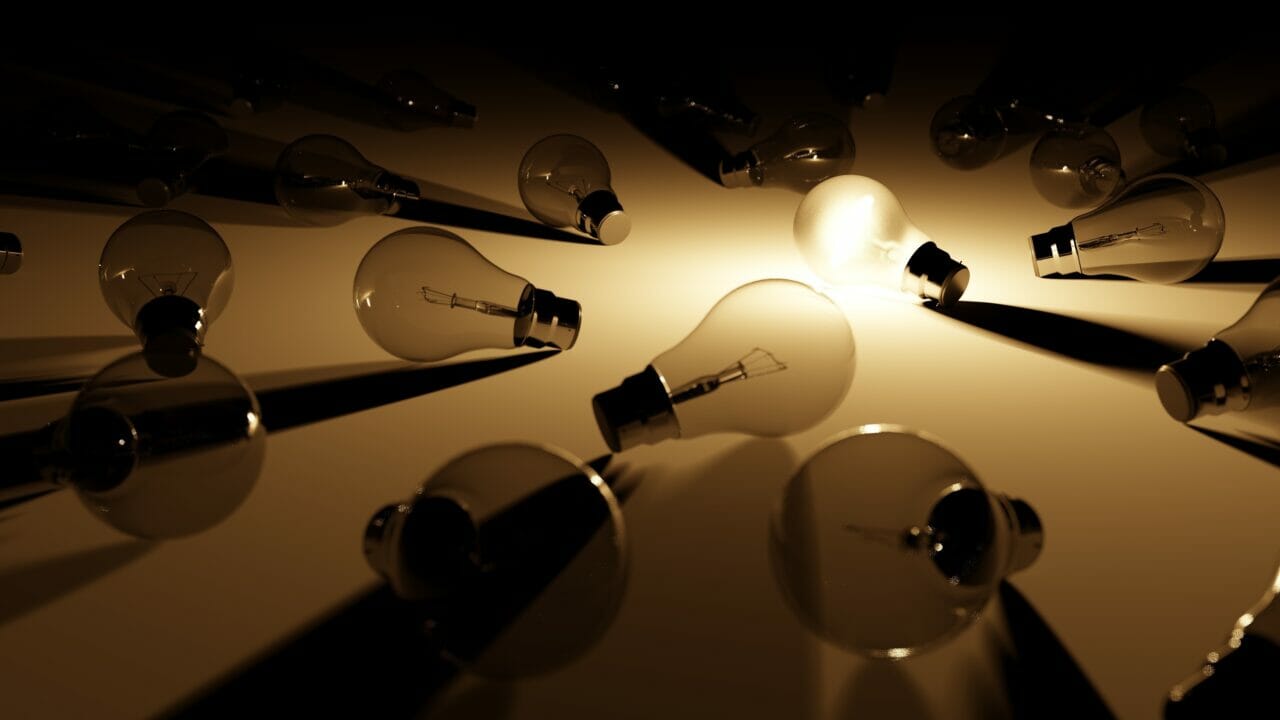
A Light For Energy Efficiency In Times Of High Demand
With the arrival of winter, concerns about energy consumption are not limited to just households. In industries, the demand is also higher, whether due to the use of heavy machinery, refrigeration systems, or even inadequate lighting. Regardless of the reason, the end result is always the same: a higher electricity bill.
Winter And Industry: The Meeting Of High Consumption
Even though it is a common phenomenon in all seasons, the increase in electricity consumption during winter in industries is further heightened. Among the reasons, heavy machinery, poorly planned refrigeration systems, and inadequate lighting are the villains of this increase.
The industrial sector is responsible for more than 30% of the total energy consumption in Brazil, according to the Energy Research Company (EPE). This significant percentage translates into high costs for companies, which are directly reflected in the prices of final products.
-
Oncorp wins auction and enables biodiesel and gas thermal plants in Brazil, with strategic projects in Suape and Xavantes Aruanã.

-
Raízen Recovery: Shell Cosan May Reduce Control After R$ 65 Billion Debt
-
Outback Montes Claros: Chain Confirms First Unit in Northern Minas in 2026

-
Inpasa Creates Advisory Council and Brings José Olympio to Strengthen Corporate Governance

To make matters worse, the tariff flag system, implemented in 2015, associates the scarcity of rain with higher energy tariffs, amplifying costs. With the introduction of the “Water Scarcity” flag, the cost of the kilowatt-hour (kWh) consumed increases at each phase of the system.
The Art Of Saving: Intelligent Solutions For Lighting
In the search for saving strategies, intelligent lighting comes as a light at the end of the tunnel. The use of lighting resources that adjust to natural light can result in significant savings on electricity bills and contribute to a safer and more pleasant work environment.
“Taking care of small expenses is essential. A small leak can sink a large ship,” comments Luiz Gustavo Borges Mandt, product specialist at Reymaster Electric Materials. Mandt suggests practices such as constant maintenance of equipment, replacing low-efficiency machines with more efficient models, and optimizing the use of motors and industrial equipment.
Another solution pointed out by the specialist is intelligent lighting, which allows controlling the flow of artificial light according to the natural brightness of the environment. “It is a strategy overlooked by many industries, but it can yield good savings, especially in the logistics sector,” assures Mandt.
Technical Standards And The Potential Of Efficient Lighting
There are standards from the Brazilian Association of Technical Standards (ABNT), such as NR-17 and NBR ISO 8995-1, that emphasize the importance of adequate lighting in industries. The standards aim to ensure the comfort and safety of workers, as well as provide guidelines to increase energy efficiency.
“Intelligent lighting solutions are not an expense, but an investment,” affirms Mandt. He reiterates that using natural light contributes to the efficiency of the lighting system and makes the work environment more enjoyable.
Reymaster, for example, offers consultancy for lighting projects, which considers the levels of brightness in the work environment and proposes solutions to improve efficiency, safety, and productivity in the industry. With these measures, it is possible to reduce errors and failures, save time and energy, and promote a more effective and comfortable work environment.








Seja o primeiro a reagir!