Portuguese
  Spanish


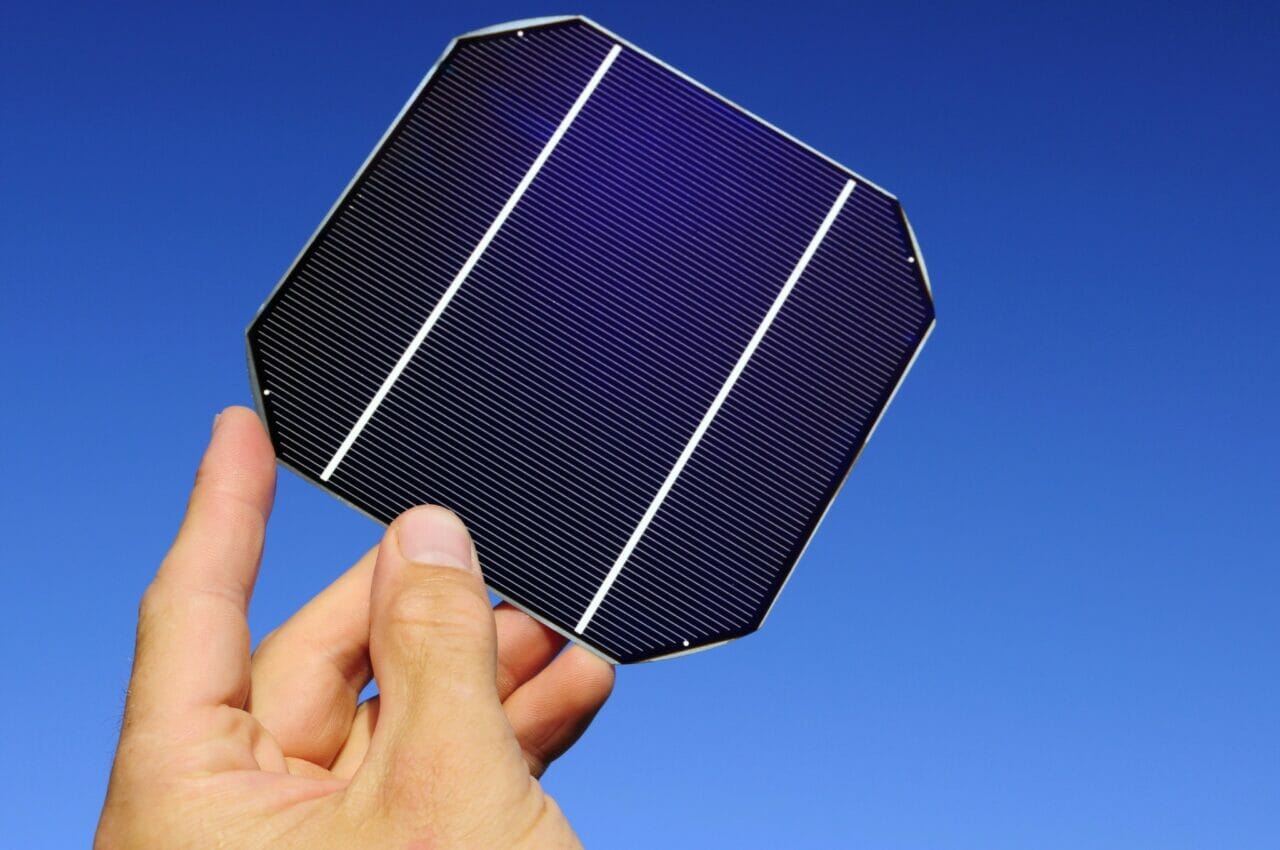


The Method Developed Was a Solar Cell, Developed by Researchers at LONGi Green Energy Technology
Researchers at LONGi Green Energy Technology have achieved a significant milestone in the field of renewable energy by developing a new type of solar cell with revolutionary potential. This discovery promises to enhance the utilization of renewable energy and contribute to the advancement of photovoltaic technology, according to the Portal Energia website.
The solar cell developed by LONGi Green Energy Technology features innovative characteristics that differentiate it from conventional solar cells. It is based on advanced materials and manufacturing processes, resulting in a much higher energy conversion efficiency. This means that the new solar cell is capable of generating more electricity from the same amount of sunlight, significantly increasing the efficiency of solar panels.
Additionally, this promising technology offers other important advantages. It is more resilient and durable, which extends the lifespan of solar panels and reduces maintenance needs. It also allows for the manufacturing of thinner and more flexible solar cells, enabling their integration into a wide range of applications, from residential rooftops to large solar power plants.
-
In Colombia’s desert, 30 families receive 80 m² homes with solar panels, waterless toilets, and rainwater collection systems amid water and energy shortages.

-
Solar Energy Booms in Brazil: Over $60 Billion Invested, 68.8 GW Capacity, 2 Million Jobs Created, Now Second in National Power Grid
-
Engie Secures 10-Year Use of 625 MWh in Batteries to Store Excess Solar and Wind Energy in Spain by 2028
-
Giant Batteries Take Center Stage in Chile Auction as Company Offers 960 GWh of Solar Energy for Nighttime Use, Aiming to Stabilize Solar Power Supply



How Does the Solar Cell Work?
In passivated silicon heterojunction solar cells, the reduction of surface recombination allows the Auger effect to stand out. In other words, the high quality passivation achieved results in a significant increase in the fill factor and energy conversion efficiency.
Surface passivation is a crucial process in the manufacturing of silicon heterojunction solar cells. It involves applying thin layers of special materials to the surface of the solar cell to reduce energy losses caused by charge carrier recombination at the interface between silicon and other materials. By reducing surface recombination, passivation improves the efficiency of the solar cell, allowing it to capture and convert sunlight into electricity more effectively.
With high-quality surface passivation, the Auger effect becomes more prominent. The Auger effect is a phenomenon where the recombination of charge carriers in the presence of impurities or defects in the material structure generates additional heat, resulting in energy losses. However, when surface passivation is effective and surface recombination is minimized, the Auger effect becomes more significant, boosting the performance of the solar cell.
Advanced Solution for Solar Energy
The increase in the fill factor, which measures the solar cell’s ability to effectively collect charge carriers generated by sunlight, and the improvement in energy conversion efficiency are direct results of this process. This means that passivated silicon heterojunction solar cells can achieve greater energy efficiency and enhanced performance compared to conventional solar cells.
Therefore, by optimizing surface passivation and leveraging the Auger effect, silicon heterojunction solar cells can offer an advanced solution for solar energy generation, further boosting the efficiency and viability of renewable energies.