





 Portuguese
  English
  Spanish
  5 min of reading
  0 comments


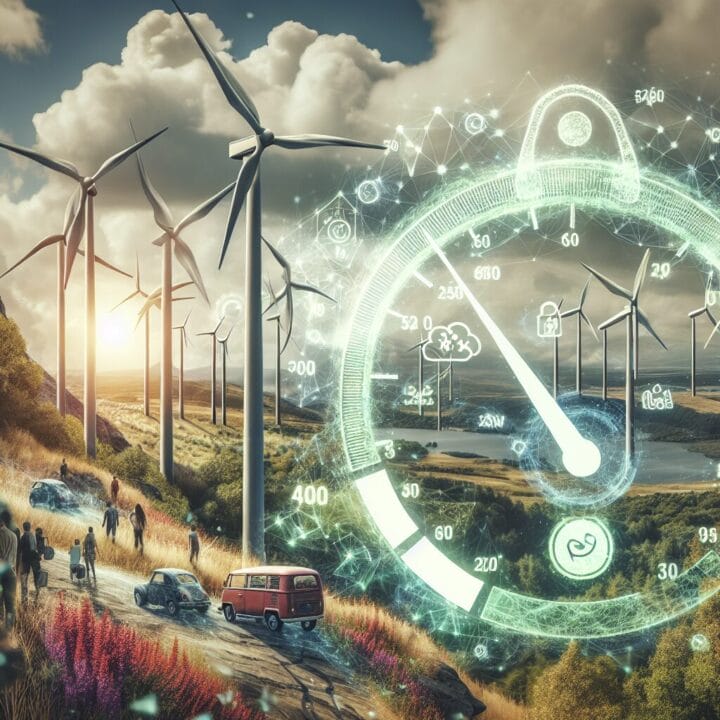
Brazil Windpower Highlighted Sustainability and Launched the Sustainability Development Impulse Index, Focusing on Social and Environmental Impacts.
The conclusion of Brazil Windpower fully highlighted the importance of Sustainability in all its aspects. On the last day of the event, the program was entirely focused on discussing the social and environmental impacts caused by wind energy projects. The event celebrated Sustainability by promoting a space where participants could share ideas and solutions aimed at improving the relationship between technology and the environment.
During this day, the new Sustainability Development Impulse Index was announced, aimed at measuring the progress of responsible environmental practices. The initiative seeks to assess how activities related to wind energy can contribute to a greener future. The necessary energy transition was emphasized to ensure a cleaner and more efficient energy supply, reinforcing the role of Sustainability in the transformation of the global energy matrix.
Immersion in Sustainability and Responsible Environmental Practices
Participants delved deeply into methods for conducting projects with significant social and environmental impact, focusing on obtaining acceptance and support from the communities. Right at the opening, one of the highlight moments was led by ABBEólica, which, in partnership with We Sustainability, launched the pioneering Sustainability Development Impulse Index. This innovative study seeks to identify the priority axes of socio-environmental investment for ABBEólica members. With this initiative, not only is Sustainability promoted as a foundation for balanced development, but responsible environmental practices are also incorporated into the core of wind farm operations.
-
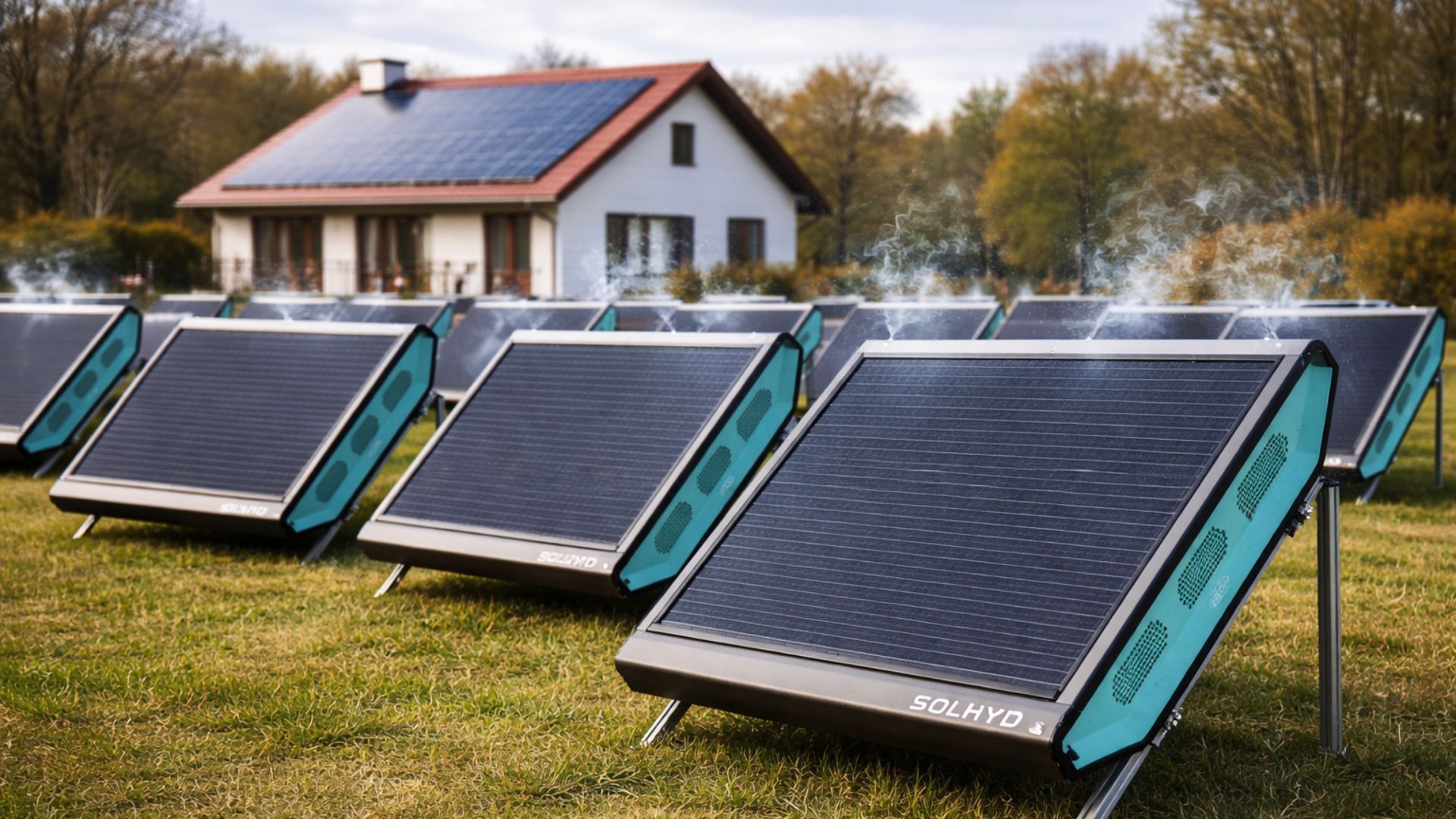
Green hydrogen at home: Belgium launches new technology that makes solar panels produce fuel from the moisture in the air, which could boost the energy transition.
-
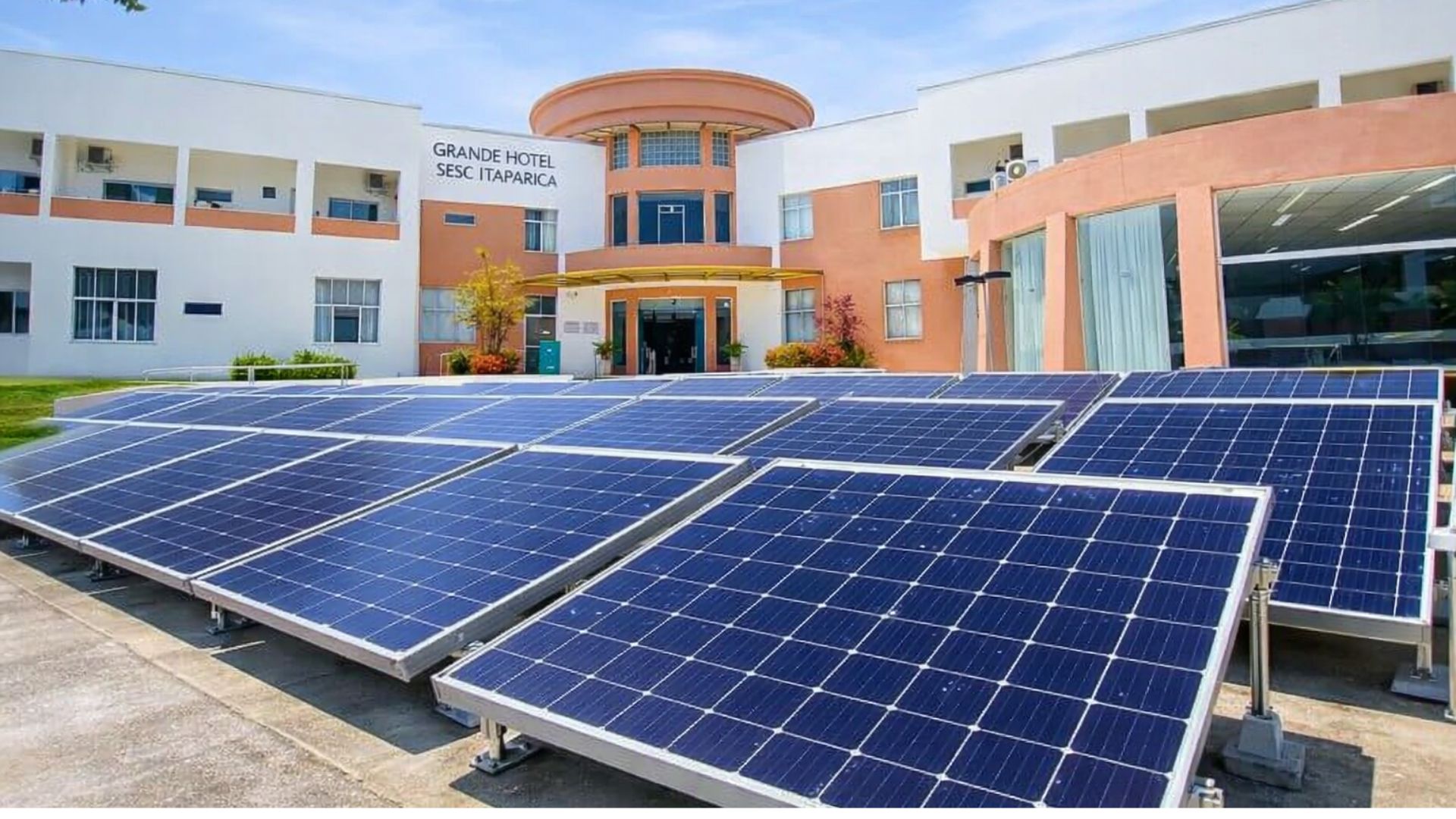
Sesc-BA bets on renewable energy with the support of EDP and drives the energy transition with a direct impact on cost reduction and the sustainability of its operations in Bahia.
-
Technology giant breaks global sustainability records: How Amazon’s leadership in renewable energy procurement transformed the global energy market in the past year.

-
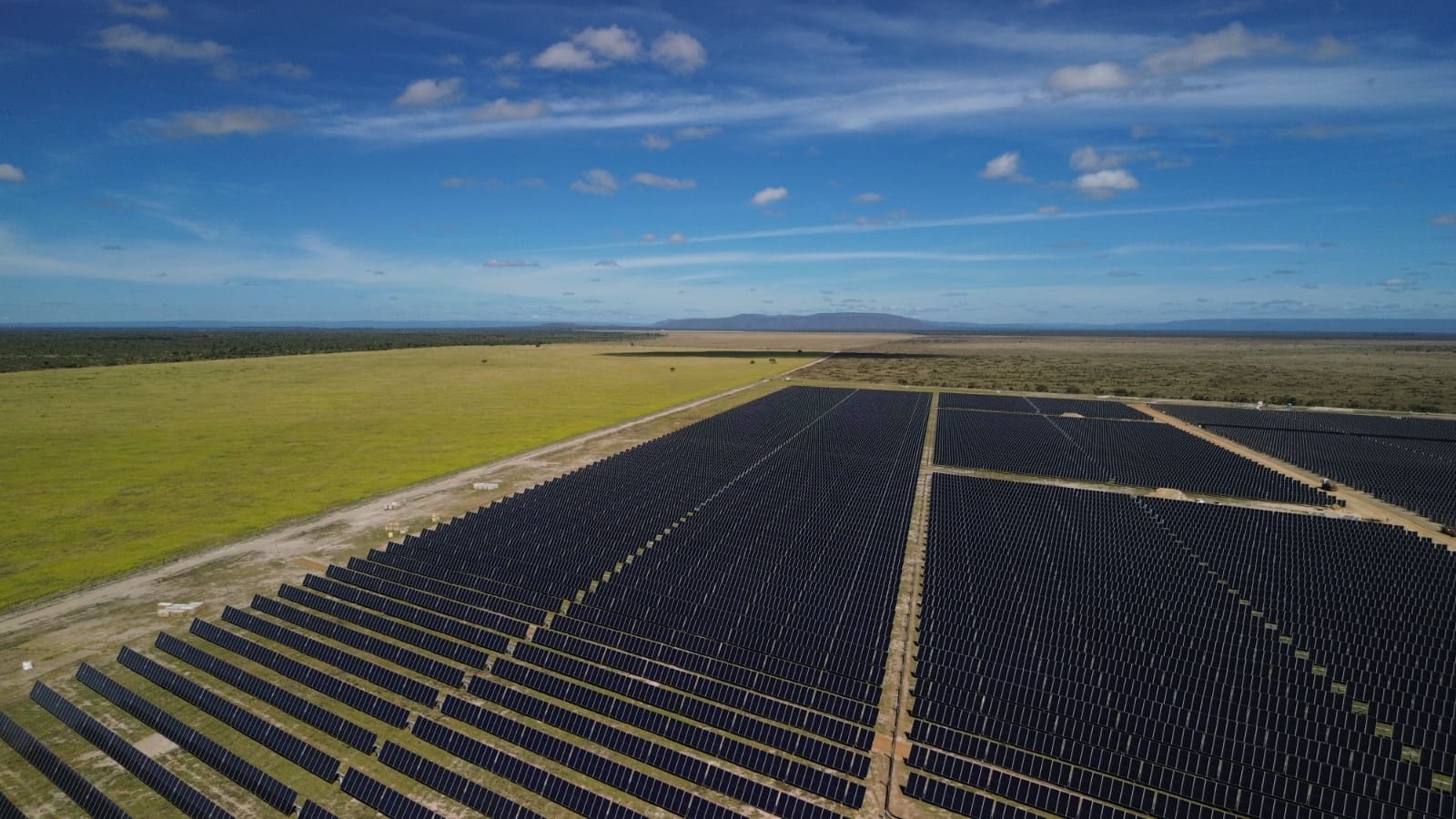
Alert in the electric sector: Atlas Renewable Energy confirms billion-dollar investment and Brazil risks losing a share of the new investment in Latin America to neighboring countries.

Impact Mapping and Socio-Environmental Monitoring
The study involves analyzing projects in 27 municipalities in the states of Bahia, Ceará, and Rio Grande do Norte, areas with the highest concentration of wind farms in Brazil. ‘Our intention is to map the available socio-environmental data in these locations since the implementation of the farms, aligning this data with the effective execution of long-term public policies’, explained Débora Horn, executive director of We Sustainability. By establishing careful monitoring, the goal is to provide clarity on the limits of the impetus provided by the projects through two groups of indicators: economic and socio-environmental. In the first, the influence of wind farms on the local economy will be evaluated, including detailed analyses of GDP, ISS percentage, ISP with a focus on the community, and local suppliers. Sustainability is essential for the analysis of this block.
Building a Sustainable Legacy
Concurrently, in the second block, attention will turn to the contribution of companies to improving the living conditions of the territories, with mapping of the percentage of the population benefited by socio-environmental projects, as well as investments in human development, encompassing income, education, health, and also infrastructure and the environment. Débora highlights that this systematic monitoring will allow for the consolidation of lessons learned and the creation of best practice references, promoting predictability and adequate risk management for entrepreneurs and investors. With a focus on mitigating operational, financial, and reputational impacts, Sustainability is seen as an essential element for any future initiative.
Dialogue and Cooperation for Sustainable Development
In parallel to this ongoing effort, it is up to the wind sector to continue improving its models and practices of relationships and socio-environmental strategies in the areas of operation, aiming at the construction of a lasting and prosperous legacy. For Elbia Gannoum, CEO of ABEEólica, one of the challenges is to promote actions that foster transparent dialogue and cooperation among different local agents. Identifying demands that align with the vocation and culture of each territory is essential for sustainability, enhancing the implementation of structured and long-term programs.
Challenges of the Energy Transition and Sustainable Energy
Elbia emphasizes the importance of understanding the social and environmental effects around wind farms, an area of interest since joining the association. ‘It has become a vital cause for us! Since visiting the first farm, I realized all the benefits that the sector can generate. We need to highlight the positive impact we have caused in the communities’, she stated. Despite some social criticism arising, especially over the last four years, the sector acknowledges the need for improvements and proactively seeks solutions to the raised issues. This pursuit is crucial for boosting a just energy transition and sustainable energy.
Impacts of Climate Change: A Focused Look
During the panel ‘Just Energy Transition – Economic and Social Integration’, Sofia Maia from BloombergNEF discussed that the transition must be equitable, emphasizing that the concept of justice may vary depending on perspectives. This discussion aligns with the vision of Guilherme Arantes from BNDES, who mentioned the need to minimize the negative impacts experienced by communities, which are more directly affected by the impacts of climate change. Arantes advocates that both companies and financiers need to mature together, catalyzing positive impacts and mobilizing sectors for more sustainable actions.
Sustainability in the Northeast: A Local Advantage
José Aldemir from BNB emphasizes the crucial role of the Northeast in the context of Brazil’s energy transition. Leveraging local advantages is essential for territorial and infrastructural development. Enriching this approach, certification by independent seals is seen as an important step for projects, guaranteed by annual assessments. The incentives offered, in the form of bonuses and reduced interest rates for parks demonstrating certifications, reinforce the event’s commitment to sustainable development. The goal is to transform the lives of local communities through strategic partnerships, supporting responsible environmental practices.
Marine Spatial Planning and Offshore Sustainability
Eduardo Wagner from Ibama reinforced the importance of careful planning for the licensing of offshore wind farms, emphasizing past mistakes in European countries. Marine Spatial Planning, a vital tool for identifying impacts before the licensing process, is now a necessary practice. Roberta Cox from GWEC reminded that Brazil, with its experience in oil and gas licensing, can apply this knowledge to mitigate offshore wind impacts. According to Marinez Scherer from the Ministry of the Environment, the sustainability of this energy in the offshore wind sector looks promising, especially in tropical seas.
Next Edition and the Commitment to Sustainability
The announcement from Informa Markets about the next edition of Brazil Windpower, to be held from October 28 to 30, 2025, at São Paulo Expo, reaffirms the sector’s commitment to Sustainability. The event showcases the strength of the wind sector in Brazil, currently ranking sixth in the global wind energy production ranking. The reaffirmation of this commitment involves encouraging responsible environmental practices and enhancing the energy transition in favor of truly sustainable energy. The construction of a legacy aligned with socially and environmentally conscious practices remains essential.
Source: Impresa BRASIL WINDPOWER







Seja o primeiro a reagir!