





 Portuguese
  English
  Spanish
 4 min of reading
  0 comments


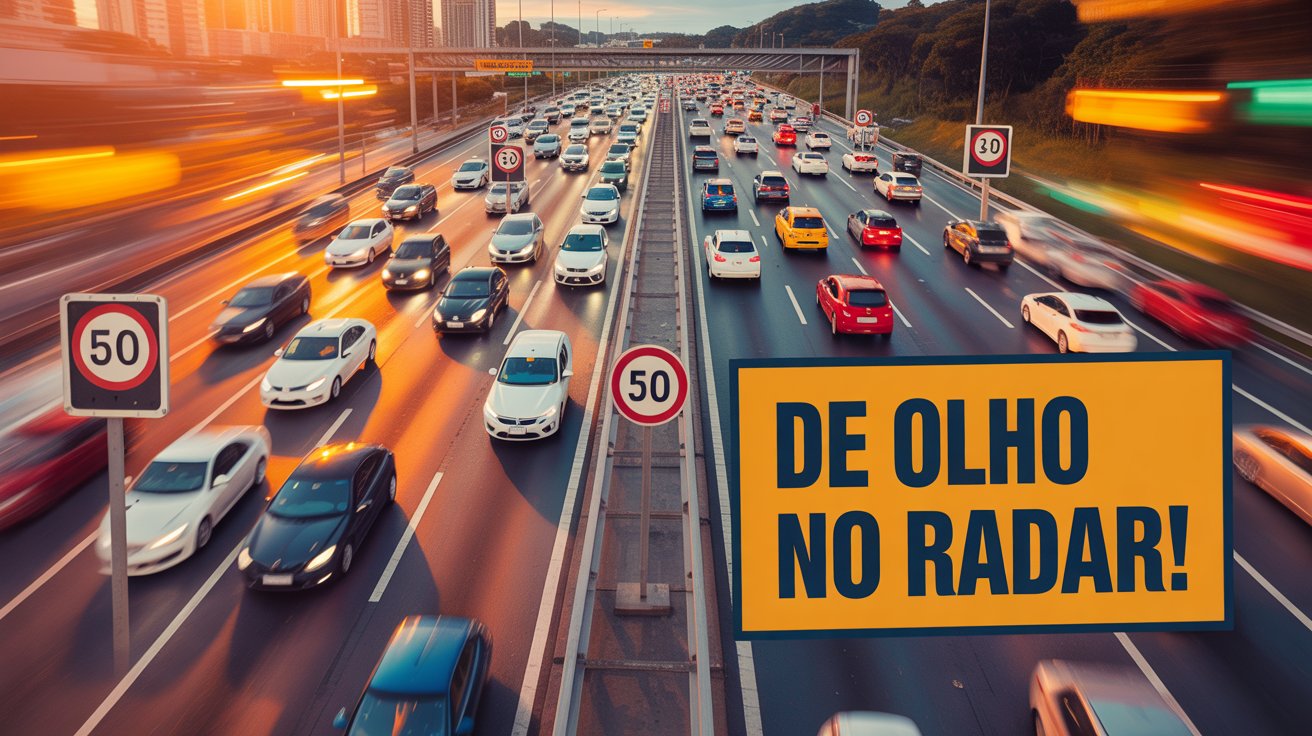
New Radars Come Into Operation and Expand Electronic Surveillance on the Main Federal Highways of Santa Catarina, Bringing Important Changes for Drivers Traveling Through High-Traffic Areas.
On Tuesday (15), 76 new speed radars began operating at strategic points on two important federal highways in Santa Catarina: BR-101 North, including the Florianópolis Bypass, and BR-116.
The activation of the devices represents a step forward in electronic surveillance efforts and aims to reinforce road safety in the region, reducing the risk of accidents caused by excessive speed.
With the permanent installation, the radars will start recording violations based on images captured from vehicles exceeding the permitted limits on each stretch.
-
Lula responds directly to Trump and says that Pix is from Brazil and will not change under pressure from anyone, after a report from the United States pointed out the Brazilian payment system as an American trade barrier.

-
Amazon has just announced a new fee on all deliveries, and your online purchases will become more expensive starting April 17, including for those buying from the United States here in Brazil.

-
He sold his share for R$ 4 thousand, saw the company become a giant worth R$ 19 trillion, and missed the opportunity of a lifetime.

-
Elon Musk’s Starship megafrocket puts $8 billion at risk, raises alarms in the market, and could affect technology, mining, and space internet startups in the coming years.


In the last six months, these devices operated only in educational mode, without issuing fines, while undergoing testing and technical calibration.
All were approved by the National Institute of Metrology, Quality and Technology (Inmetro), the agency responsible for ensuring the accuracy and reliability of measurement instruments in Brazil.
The distribution of the new radars is aligned with the concession contract for the highways, managed by the Arteris concessionaire, which establishes goals for reducing accidents and promoting more organized traffic.
Moreover, vertical signage indicating speed limits is already visible in the monitored stretches, as required by law.
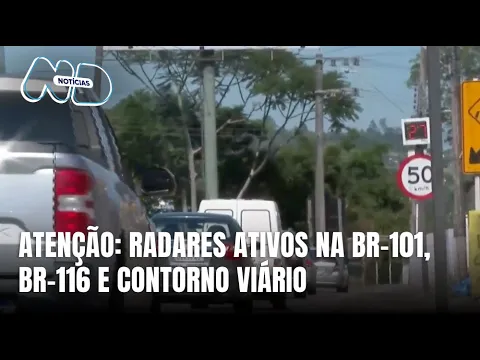

Speed Radar: Location and Limits on the Highways
On the Florianópolis Bypass, 25 radars were installed at points distributed in the municipalities of Biguaçu and Palhoça.
Drivers traveling on these stretches must respect a maximum limit of 100 km/h for light vehicles, such as cars and motorcycles, while trucks and buses must adhere to a maximum speed of 80 km/h.
On BR-101 North, another 15 devices began operating in high-traffic cities, including Joinville, Araquari, Balneário Camboriú, Porto Belo, Biguaçu, and again Palhoça.
In these areas, speed rules follow the standard of 100 km/h for light vehicles and 80 km/h for heavy vehicles, except at km 157, heading South, in Porto Belo, where the limit has been reduced to 60 km/h.
This measure is due to a dangerous exit for local commerce just after the toll plaza, requiring greater driver attention.
On BR-116, a highway that crosses the Northern Plateau and the Serra Catarinense, 36 new radars came into operation in the municipalities of Mafra, Monte Castelo, São Cristóvão do Sul, Correia Pinto, and Lages.
At all these points, the maximum permitted speed, for both light and heavy vehicles, is 80 km/h, as it is a single-lane road with heavy traffic and a history of serious accidents.
Road Safety and Electronic Surveillance on the Highways
According to Arteris, the concessionaire responsible for the stretches, the installation of the new radars aims to deter risky behaviors and increase the safety of the thousands of users who travel daily on the federal highways of Santa Catarina.
Electronic surveillance contributes to reducing fatal accidents and regulating vehicle flow, especially during peak hours and in nearby urban areas.
Data from the Federal Highway Police (PRF) indicate that speeding ranks among the main causes of accidents on federal highways.
In the year 2024 alone, the number of citations for violations related to speeding has increased nationwide.
This scenario has prompted the expansion of speed radars, considered vital for preserving lives and improving traffic flow, especially in high-traffic logistics corridors, such as BR-101 and BR-116.
How the New Radars Work and Changes for Drivers
The now-active devices use technology capable of accurately identifying the speed of each moving vehicle.
When a car, motorcycle, truck, or bus exceeds the regulatory limit, the system captures the image, records the vehicle’s data, and automatically generates the citation.
The entire process is audited and follows the technical standards established by the National Traffic Council (Contran).
Drivers caught speeding may receive fines, along with points on their National Driver’s License (CNH).
The severity of the violation varies depending on the difference between the recorded speed and the limit of the road.
In the case of the highways in Santa Catarina, electronic surveillance is expected to be even stricter during holiday periods, extended holidays, and regional festivals, when traffic flow significantly increases.
Expected Effect of Electronic Surveillance on the Roads
Road safety specialists assess that the presence of speed radars on federal highways has a direct impact on reducing deaths and injuries from traffic accidents.
Continuous monitoring encourages drivers to maintain speeds compatible with the road’s characteristics, respecting the limits established by legislation.
Moreover, surveillance helps to deter dangerous overtaking, sudden braking, and other risky behaviors that can lead to serious collisions.
Authorities expect that the installation of the 76 new radars, combined with educational campaigns and improvements to road infrastructure, will promote a safer and more reliable road environment.
The integrated work among concessionaires, traffic agencies, and police has been identified as essential to achieving positive results in safety and traffic flow on Brazilian highways.
Do you agree that increased electronic surveillance is sufficient to improve safety on highways, or would other measures be necessary to prevent accidents? Share your opinion on the impact of radars on traffic.







Seja o primeiro a reagir!