





 Portuguese
  English
  Spanish
  3 min of reading



Federal Government Plans To Increase Tax On Online Store Purchases And Considers Competition With Local Companies Unfair. The Tax Is Fully Dedicated To International Products.
The Federal Government plans to increase the taxation on purchases from abroad, focusing on Chinese stores like Shein, AliExpress, and Shopee, platforms with a large audience here. The current President of the Republic, Luiz Inácio Lula da Silva (PT), and part of the National Congress express concerns about the expansion of this type of sale, since these conglomerates do not pay taxes properly.
Tax On Online Store Purchases May Be Increased
According to Fernando Pimentel, Executive Director of the Brazilian Textile and Apparel Industry Association (Abit), the entry of purchases without the due import tax can negatively impact the industry, retail, and even the consumer themselves, as it leads to unemployment.
Fernando emphasizes that what the association is trying to explain is that what is being demanded is not any extra tax or anything outside what is in national legislation. What is being required is that the tax on online store purchases be increased in the business to consumer.
-
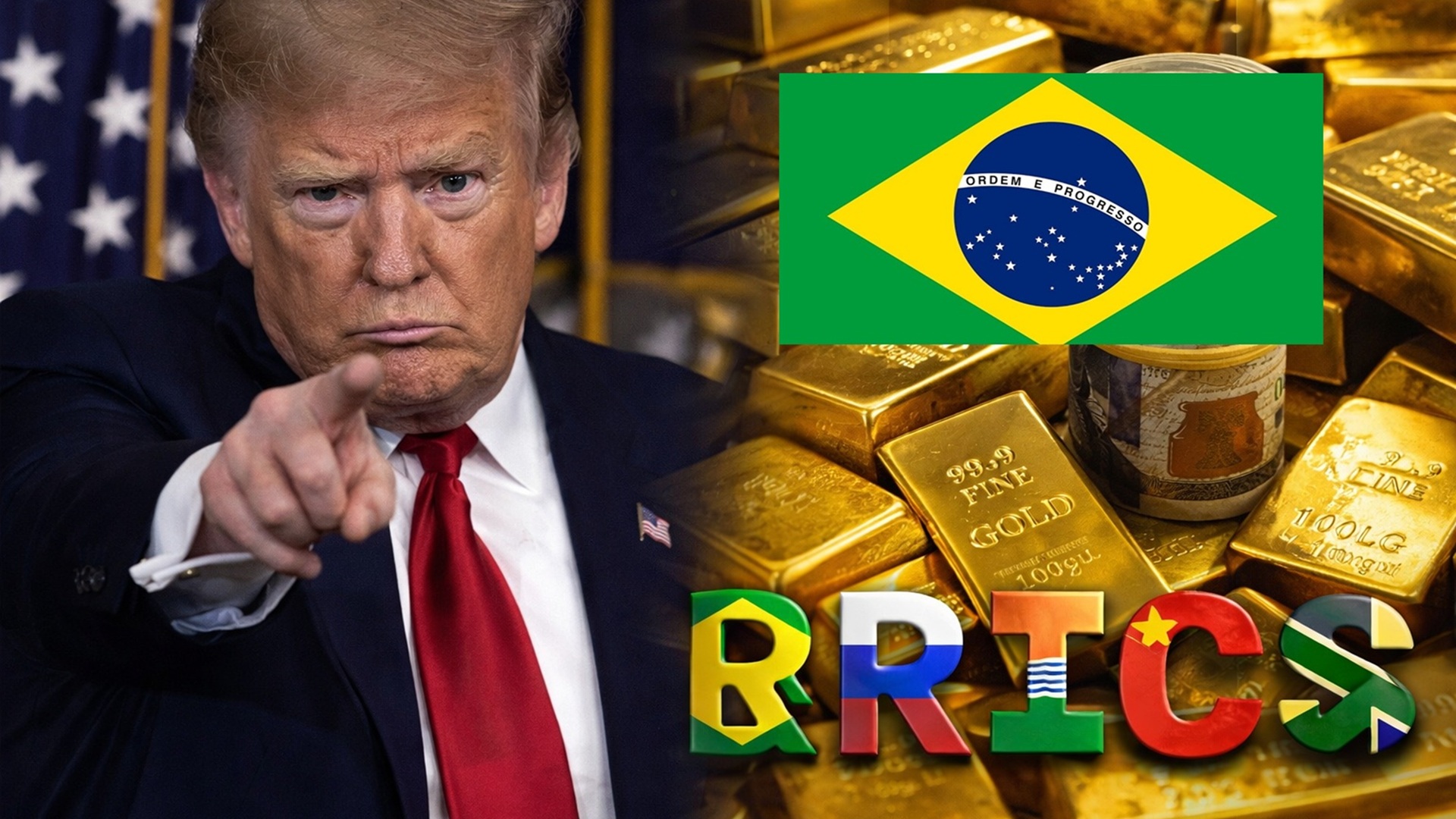
Brazil Ignores Trump’s threats to BRICS, Buys 42 tons of gold and reduces the Dollar’s share by 6.45% in international reserves.
-
Havan buys historic football land in Blumenau for a million-dollar amount protected by a confidentiality clause and is already planning to change even the layout of streets to build a megastore in half-timbered style costing 80 million reais.

-
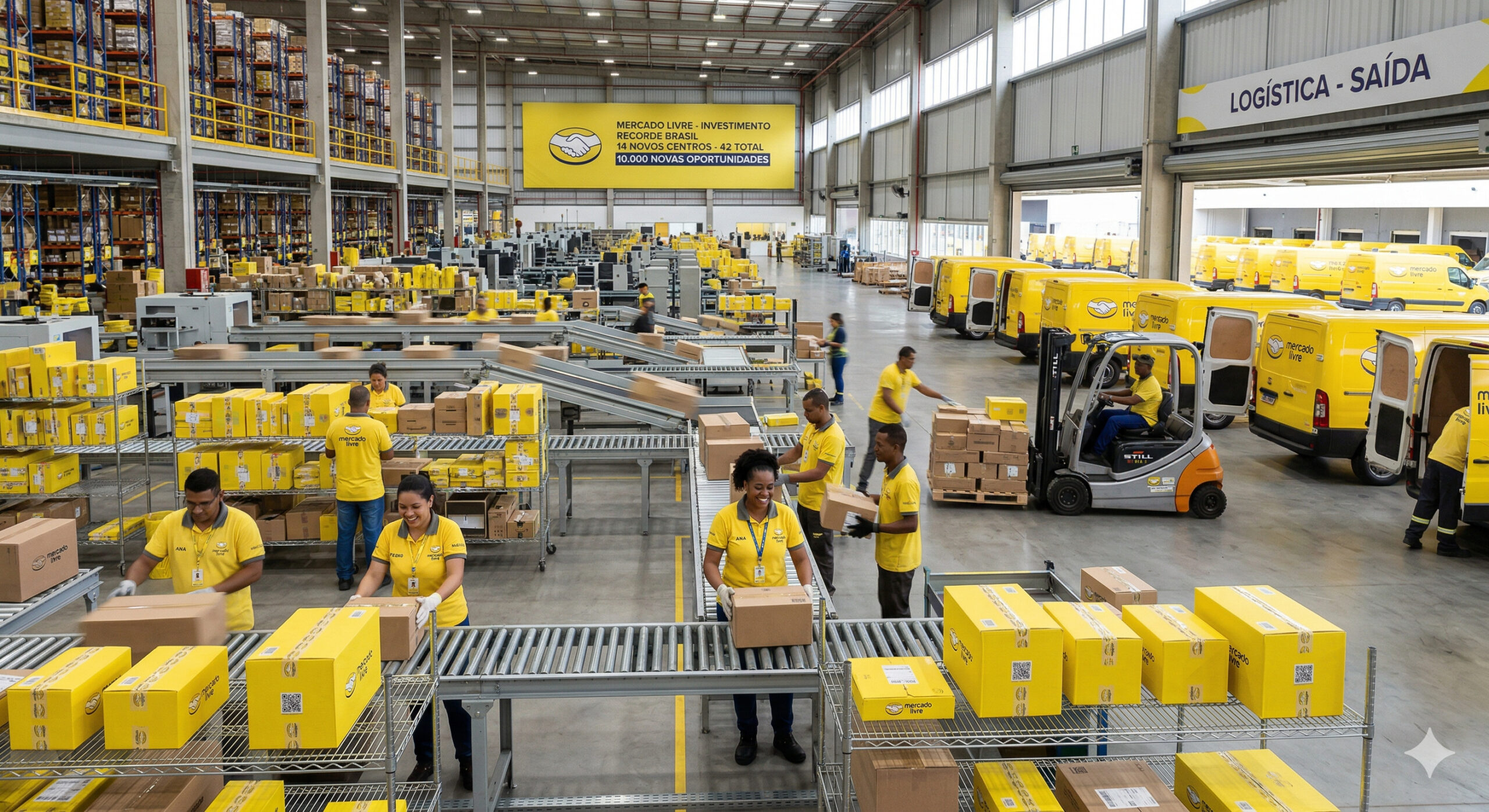
Mercado Livre “opens the vault” and announces a record investment of R$ 57 billion in Brazil in 2026, a value 50% higher than the previous year, with an expansion plan that includes 14 new logistics centers, totaling 42 units in the country and hiring an additional 10,000 employees.
-
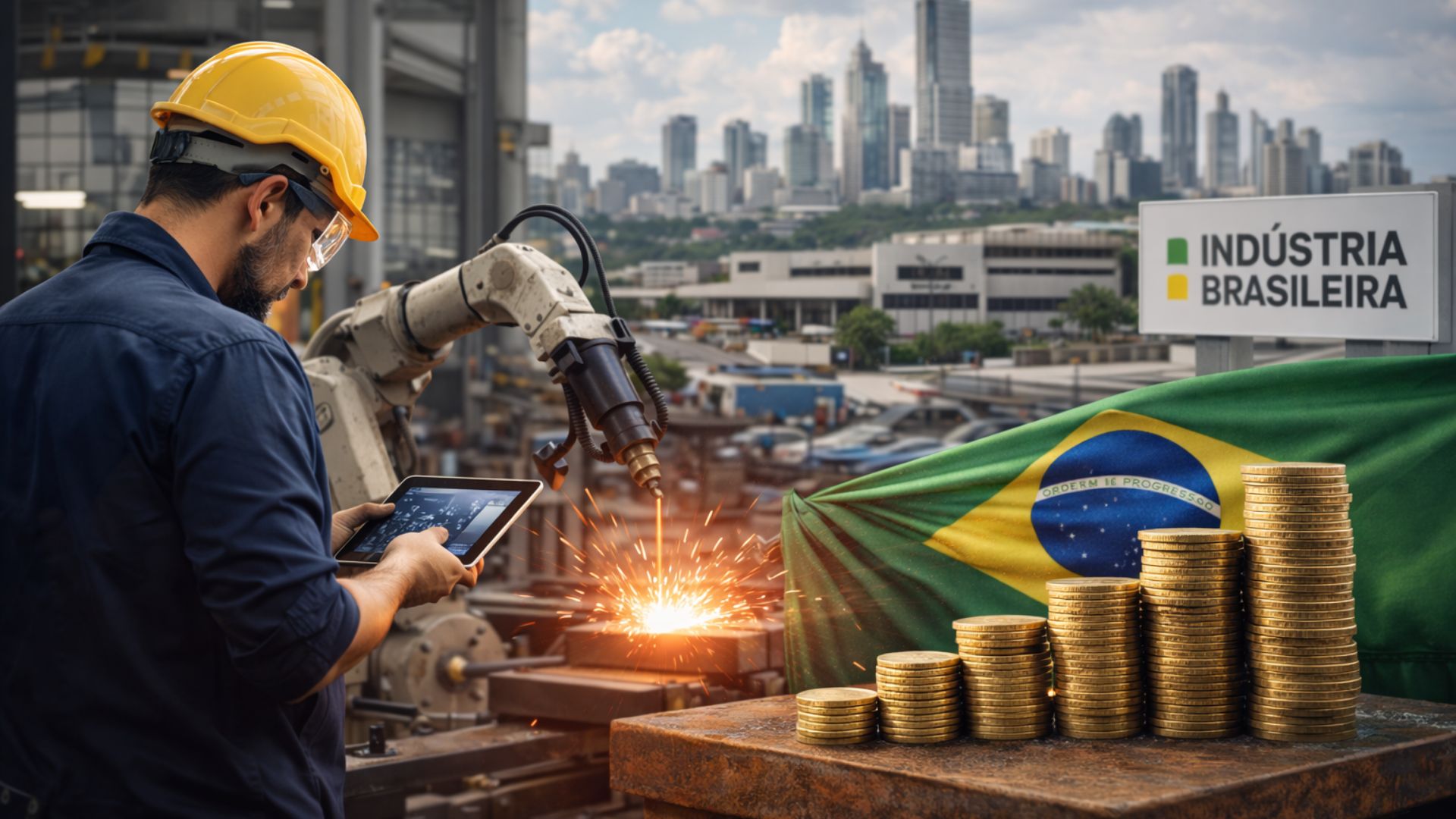
How investment in technology can revolutionize the national economy and enhance industrial gains, according to a study that highlights the direct impact on productivity, innovation, and wealth retention within Brazil.

At this very moment, all issues are closely related to this type of tax evasion that harms local commerce, production, employability, and Brazilian platforms. Many times someone may think they are making a good deal by acquiring a product without paying the necessary taxes, but they are contracting their own unemployment. The competition, which is considered unfair by the Brazilian manufacturing sector, is already in the “crosshairs” of Fernando Haddad, Minister of Finance, who indicates he is attentive to this type of commerce.
The Mixed Parliamentary Front for Entrepreneurship, which currently includes 230 lawmakers, plans to increase pressure on the federal government for taxation to be implemented as quickly as possible on foreign stores.
Which Purchases Are Currently Exempt From Taxes?
According to Bruno Romano, lawyer and tax law professor, the estimate is that if the tax on online store purchases is implemented, the cost of products coming from abroad may become unfeasible for consumers.
Most of the time, the amount paid just for shipping and taxation can be more expensive than the product itself; there are already reports of people who purchased some goods for R$ 200, which theoretically should be within the exemption limit; nonetheless, they were taxed, and with shipping and taxes, the purchase ended up costing over R$ 500 and became unfeasible.
Currently, purchases from international stores made by individuals are exempt from taxes up to a limit of US$ 50, equivalent to R$ 156; however, online stores often divide the order of the same consumer into several smaller packages to evade taxation.
E-Commerce Companies Speak Out About Tax On Online Store Purchases
In a statement, Shopee adds that it has been operating in Brazil since 2019 as a local company, with headquarters and CNPJ in São Paulo, and aims to connect local buyers and sellers and support the development of the Brazilian digital economy.
Meanwhile, AliExpress issued a statement saying it is a global marketplace that connects buyers and sellers from around the world and is committed to providing Brazilian consumers with quality products and actively participating in the development of the local economy.
For its part, Shein highlighted that it complies with local regulations in Brazil and states that with its unique model of small-scale production and guaranteed demand, it generates quality and affordable products to meet the needs of its customers.







Seja o primeiro a reagir!