






 Portuguese
  Spanish


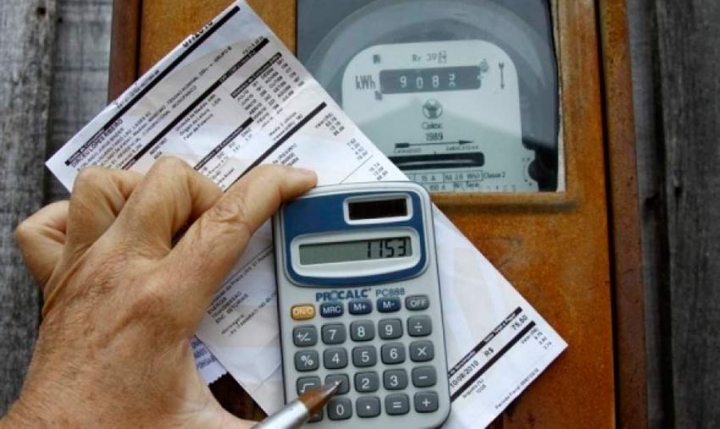

A report raised in 2021 by the Caribbean Statistics Survey shows that Brazilian taxes are up to five times higher than those of neighboring countries with the same development index and inflation. Brazilians complain because they are not seeing the results of so many taxes. In our country, we pay on food, salaries, drinks, fuels, and even the purchase of a car. And, according to experts, it is the excessive taxation from the Federal Revenue that makes the situation of the electricity sector in Brazil even more complex.
According to a survey shared via a press advisory, raised by PwC and the Acende Brasil Institute, it is estimated that the taxes charged in the electricity sector in our country account for at least 50% of all the expenses that brands incur in producing their products.
This excessive taxation delays the entry of cars with this type of technology even further: there is no incentive from the Revenue for greater sustainability and practicality in traffic, as well as the reduction of carbon dioxide emissions, one of the main causes of the greenhouse effect.
IMDT has a video that covers more about the contradictions of taxation in the electricity sector, check out the material below


The Electric Car Sector Is a Way to Restart the Economy, But Is Being Blocked on All Sides
Data shared by the Ministry of Mines and Energy shows that it is estimated that at least R$ 400 billion circulates in the electricity sector each year. In other words, companies are paying high taxes for production just because of the energy used, which differently impacts the consumer’s pocket as with rising inflation.
-
Brazil’s 2026 Tax Refund: Record 9.58 Million Filers in Largest Payout Ever, But a Key Detail on Priority Recipients Draws Nationwide Attention

-
Itaú Alters Hybrid Work Model, Increasing Office Days from 2028, Prompting Employees to Adjust to New Routine
-
Facing Labor Shortage, Japan Plans to Invest $34 Million to Attract Foreign Workers in Construction, Healthcare, Industry, and Commerce

-
Brazilian City Makes Remarkable Leap, Becomes 4th Wealthiest in the Country with GDP of R$ 134.1 Billion




Thus, a tax reduction/review could be crucial for the recovery of the Brazilian economy in 2022. Especially in this post-pandemic recovery scenario where ANIP estimates that companies will grow by only 1.4%.
Since last year until April 2022, it had been decreed that a scarcity tariff would be imposed, which would charge an additional amount at the end of the month based on usage. Meanwhile, solar energy, which is sustainable, is still expensive for many families: it is estimated that the investment for a household of four people will be around R$ 30 thousand.
The Price of Electricity Is Scary – and Taxes Are a Large Part of This Share
Lucas Ribeiro, CEO of ROIT, claims that the amount being charged for electricity is one of the factors that makes prices higher for consumers, varying from clothing manufacturing to food preservation within markets. According to him, today there are several taxes that end up impacting the transmission of electricity until basic products reach our homes.
According to specialist Ribeiro, it is estimated that there are more than 2 billion possible taxation scenarios for Brazil. Therefore, it is practically unfeasible to have a more in-depth discussion about each of them. Another aspect is that studying each of the tax collection points we have in our country takes time and investment, making it a long road to be traveled.








