





 Portuguese
  English
  Spanish
  6 min of reading
  0 comments


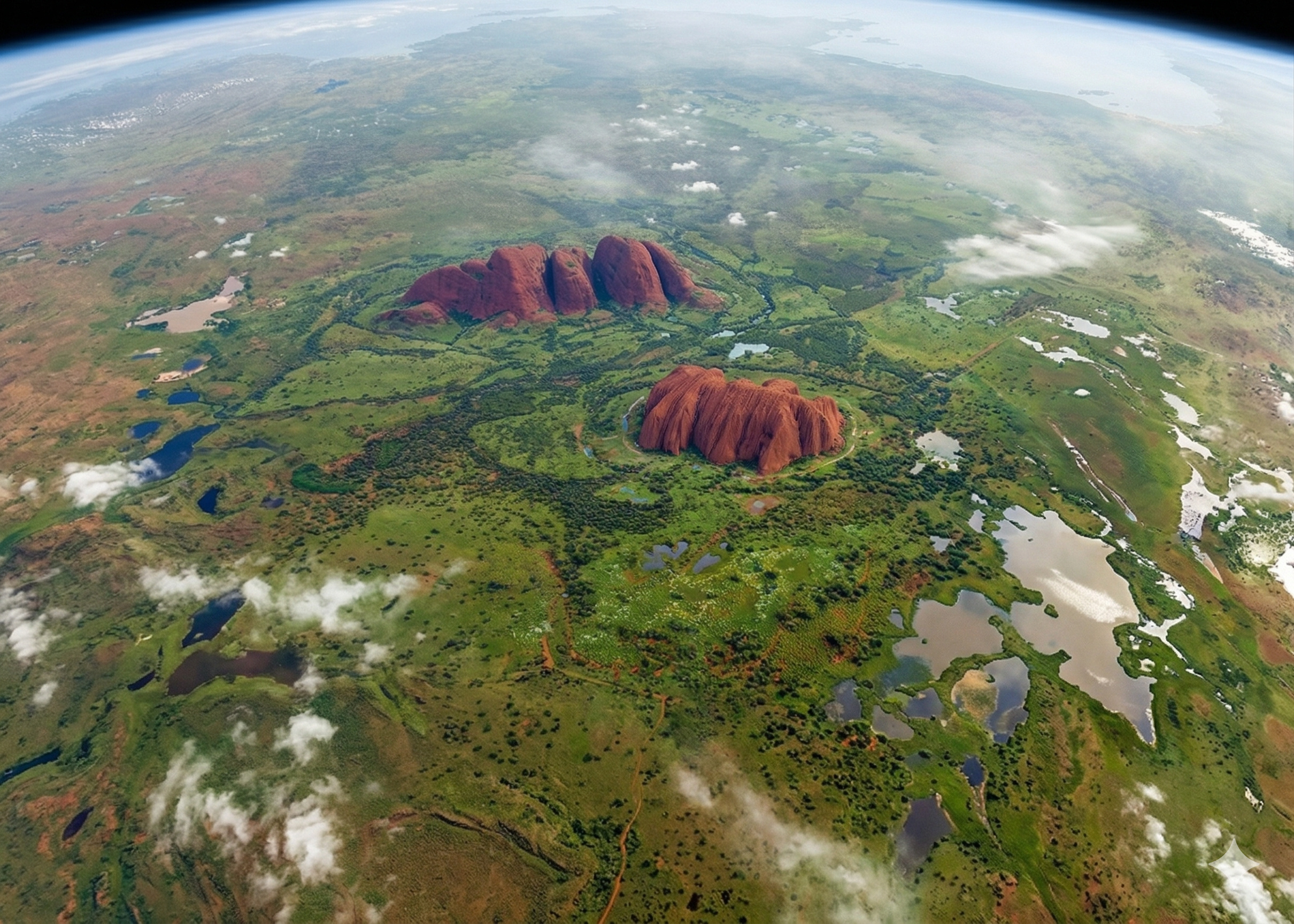
Intense rains in 2026 transformed the Australian Red Centre into a green band visible from space, completely changing the arid landscape.
In 2026, images released by the NASA Earth Observatory revealed a rare and visually striking transformation in the center of Australia. The region known as the Red Centre, around Alice Springs, began to display an unusual green coloration on a large scale after weeks of intense rain in February and March, visibly altering a landscape that typically appears in reddish tones in satellite observations.
Located in the Northern Territory, this area has a desert climate and low average rainfall: the Alice Springs station records about 283.8 mm of rain per year, according to the Bureau of Meteorology. Nevertheless, the rain events of 2026 were intense enough to provoke a rapid response from the vegetation: the territory recorded an average of 239.1 mm in February, the third wettest February in the historical series that began in 1900.
In the comparative images published by NASA Earth Observatory, the contrast is extreme: areas recorded on January 21, 2026 still appeared as arid surfaces, marked by iron oxide-rich soils, while on March 10, 2026, they already exhibited a broad carpet of temporary vegetation. The change was so expressive that the region looks different when viewed from space, reinforcing how exceptional rainfall episodes can rapidly reshape highly sensitive ecosystems in central Australia.
-
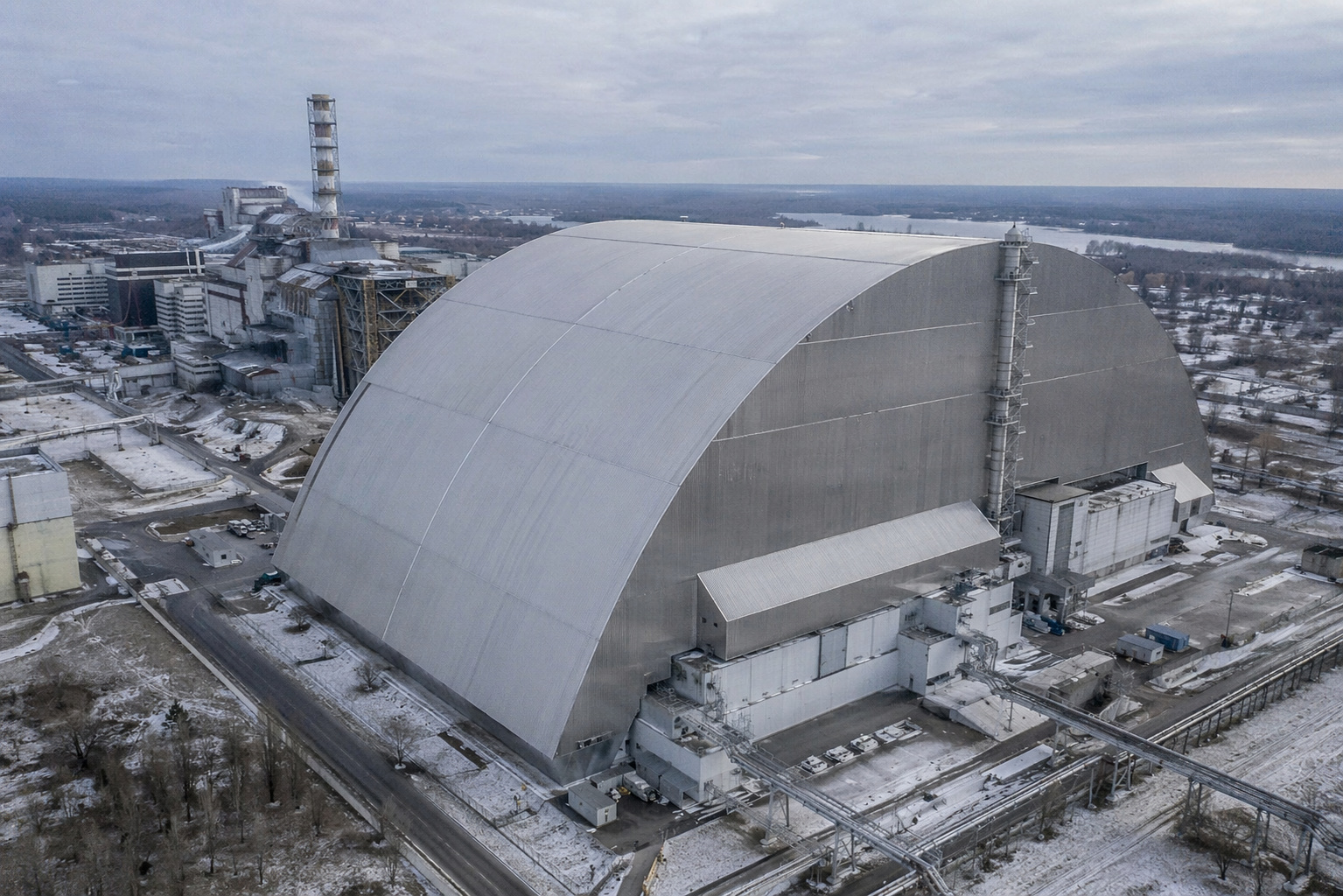
Colossal arch of 36 thousand tons in Chernobyl marks historic advancement — unprecedented technology was able to contain historic nuclear leak.
-
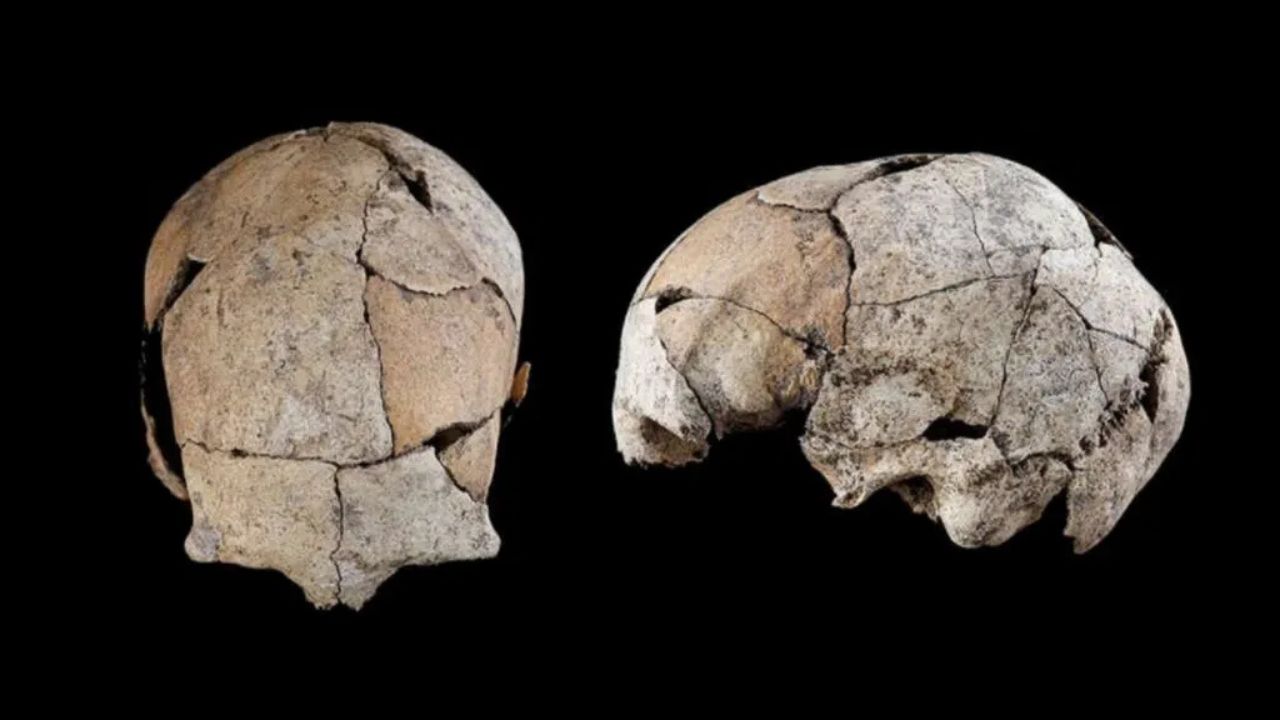
The oldest known ear surgery was found in Spain on a 5,300-year-old skull with two perforations behind the ears and clear signs that the patient survived the operations.
-
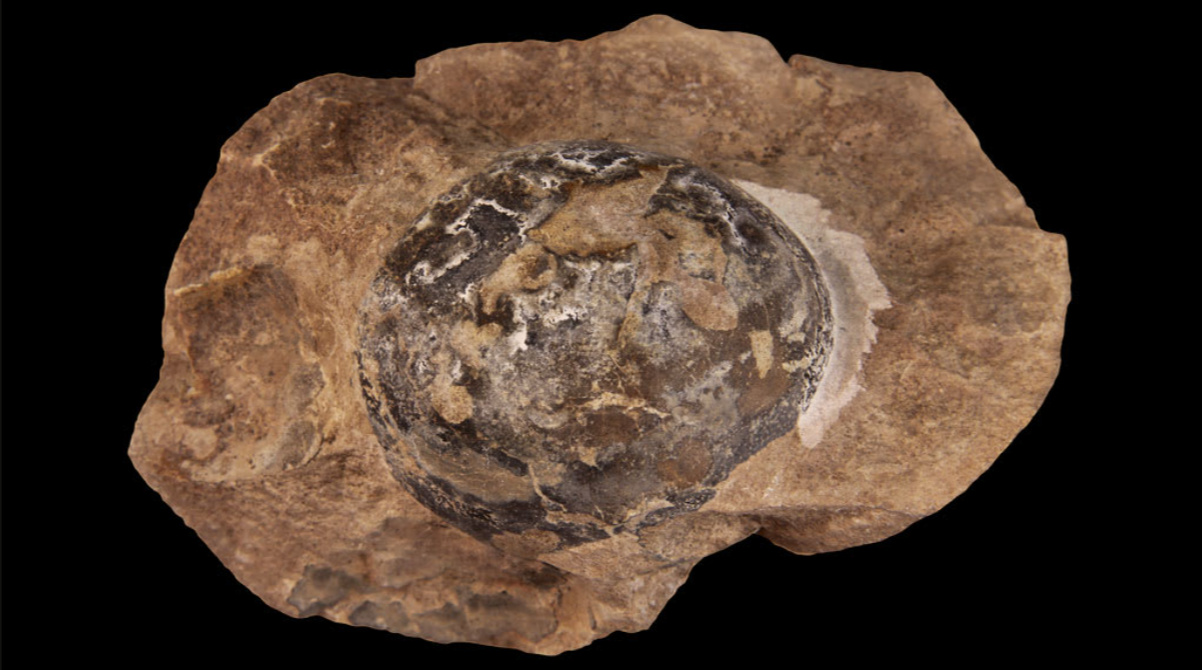
All mammals on the planet were born from eggs 250 million years ago, and scientists have just found the first evidence of this hidden inside a skull smaller than a coin in South Africa.
-
Created in silence in the middle of the ocean, a Brazilian startup developed technology that predicts failures in oil platforms before they occur, and now ExxonMobil and Equinor are competing for its contracts.
Above-average rains in inland Australia trigger large-scale greening phenomenon
The phenomenon observed in the Red Centre is directly linked to episodes of above-average precipitation recorded between late 2025 and early 2026. Weather systems associated with climate variability in the Pacific contributed to bringing an unusual volume of rain to inland Australia.
In desert regions like this, the environment’s response to water is immediate. Seeds that remain dormant for years in the soil quickly enter the germination process as soon as conditions become favorable. This mechanism allows seemingly sterile areas to transform into green landscapes in a matter of days or weeks.

This process is known as “green-up” or rapid greening, and has been documented in other deserts around the world. In the Australian case, the intensity of the rains and the extent of the affected area made the phenomenon visible on a continental scale.
The vegetation that emerges during this period is mainly composed of grasses and short-lived herbaceous plants, which grow quickly, flower, and disappear as soil moisture decreases again.
Satellite images show extreme contrast between red soil and temporary vegetation
The images captured by orbital sensors show a clear change in the spectral signature of the region. Previously dominated by shades of red and brown, the Red Centre began to present extensive areas with intense green hues, indicating a significant increase in plant biomass.
This type of analysis is possible through indices such as NDVI (Normalized Difference Vegetation Index), widely used to monitor the health and density of vegetation from satellite data.

The data indicate that there was a significant increase in photosynthetic activity in the region, directly reflecting the presence of temporary vegetation cover. This type of transformation is rare in central Australian deserts and occurs only under very specific climatic conditions, which increases the scientific value of these observations.
Moreover, the scale of the phenomenon is one of the most relevant points. It is not about isolated areas, but a transformation that affects large continuous expanses, altering the landscape in a way that is perceptible even in low-resolution orbital images.
The Australian Red Centre is one of the most arid and stable regions on the planet
To understand the impact of this change, it is essential to consider the natural characteristics of the Red Centre. This region is dominated by extremely dry climatic conditions, with high evaporation, low humidity, and high temperatures for much of the year.
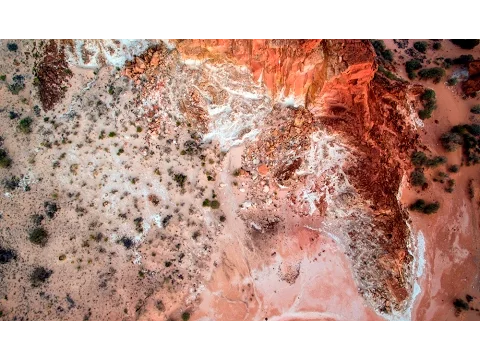

The soil, rich in oxidized iron, is responsible for the characteristic reddish coloration that gave the region its name. The vegetation, when present, is sparse and adapted to long periods of water scarcity.
This climatic stability means that abrupt changes, such as the greening observed in 2026, are relatively rare events. The landscape of the Red Centre tends to remain virtually unchanged for long periods, making episodes of transformation even more relevant from a scientific perspective.
Temporary vegetation in the Australian desert depends on short and highly efficient cycles
The vegetation that appears after intense rain events in inland Australia follows a specific ecological pattern. The species involved have adaptations that allow them to make the most of short windows of water availability.
Among these adaptations are:
- accelerated germination
- rapid growth
- short life cycle
- intense seed production
This set of characteristics ensures that these plants can complete their cycle before the environment returns to extreme aridity conditions.

As soon as the soil moisture decreases, the vegetation collapses, and the landscape gradually returns to its original state. This cyclical behavior is typical of desert and semi-arid environments.
Visible change from space reinforces the importance of satellite climate monitoring
The case of the Red Centre highlights the fundamental role of satellite monitoring in understanding large-scale environmental phenomena. Without this type of technology, it would be difficult to capture the true extent of the transformation that occurred.
Orbital sensors allow:
- tracking variations in vegetation cover
- measuring changes in soil moisture
- identifying climate patterns
- analyzing trends over time
This information is essential for studies related to climate change, natural resource management, and the dynamics of extreme ecosystems.
The ability to continuously and detailed observe the Earth has made it possible to identify phenomena that previously went unnoticed, especially in remote regions like inland Australia.
Extreme rain events can temporarily alter desert ecosystems
The greening of the Red Centre does not represent a permanent change in the ecosystem, but rather a temporary response to specific climatic conditions. Nevertheless, these events have important implications.
They demonstrate that:
- arid ecosystems have a high capacity for response
- small climatic variations can generate significant visual impacts
- the dynamics of these environments are more complex than they appear
Furthermore, events of this type can influence local ecological chains, affecting food availability, migration patterns, and the behavior of species adapted to the desert.
The Australian Red Centre reinforces how deserts can change drastically in a short time
The case recorded in 2026 reinforces a central characteristic of desert environments: the capacity for rapid transformation in the face of favorable conditions. Although they are often associated with immobility and scarcity, these ecosystems can respond intensely and visibly to changes in rainfall patterns.
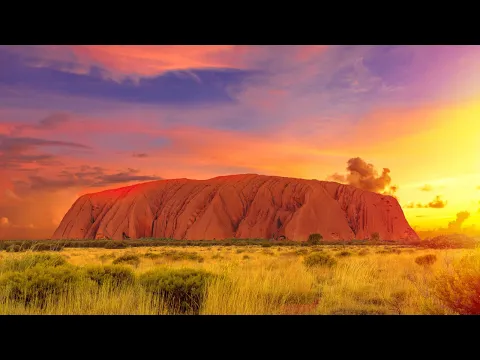
The image of a desert that remains always the same does not fully correspond to reality, especially when analyzed over broader temporal scales or with the support of remote observation technology.
The Red Centre, which for years appears as a vast red territory and seemingly unchanging, showed that it can completely transform in a matter of weeks, creating a visual contrast that attracts attention even on an orbital scale.
Comment: phenomena like this may become more frequent with climate change?
The greening of the Australian Red Centre in 2026 raises a relevant question about the future of arid ecosystems. Extreme rain events, increasingly associated with global climate variability, can temporarily alter entire regions, creating landscapes that challenge the traditional perception of these environments.
In your view, do changes like this tend to become more frequent in the coming decades, or will they continue to be rare and isolated events?







Seja o primeiro a reagir!