





 Portuguese
  English
  Spanish
  5 min of reading
  0 comments


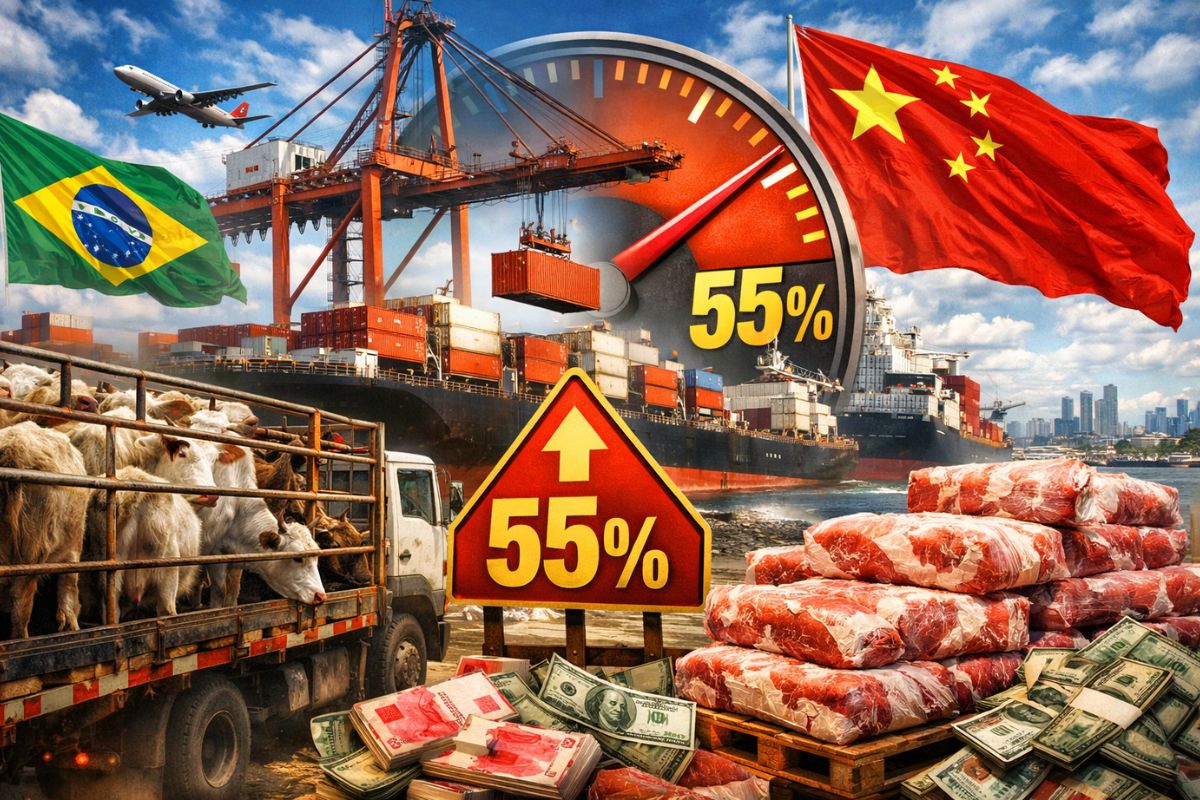
The accelerated pace of beef exports to China has already consumed 33.6% of the annual quota in just two months, and experts project that the limit will be reached between May and July, creating a sales void in the third quarter that could pressure prices of the cattle just as the confinements end.
Brazil exported 372.1 thousand tons of beef to China in just the first two months of 2026, equivalent to 33.6% of the annual quota of 1.1 million tons, according to data from GACC (Chinese customs administration). The pace is so fast that experts project the exhaustion of the quota between May and July, much earlier than expected, which could trigger a tariff of up to 55% on excess shipments. In the first two months, Brazil moved 557.24 thousand tons of beef in total and generated US$ 2.865 billion, with a growth of 22% in volume and 39% in revenue compared to the previous year.
The scenario raises a red flag for the entire livestock sector. According to information from the portal agricultural news, if the beef quota for China is exhausted by mid-year, Brazil will face a period of void in sales to its main market precisely in the third quarter when the supply of confined animals is higher and the prices of cattle become more sensitive. The possibility of a 55% tariff makes excess shipments economically unviable, and the sector needs to prepare for a more volatile and unpredictable market in the coming months.
When will the beef quota for China end
The projections of the main analysts in the sector converge: the limit will be reached much earlier than the end of the year. Hyberville Neto, director of HN AGRO, believes that the beef quota for China will be filled between July and August.
-
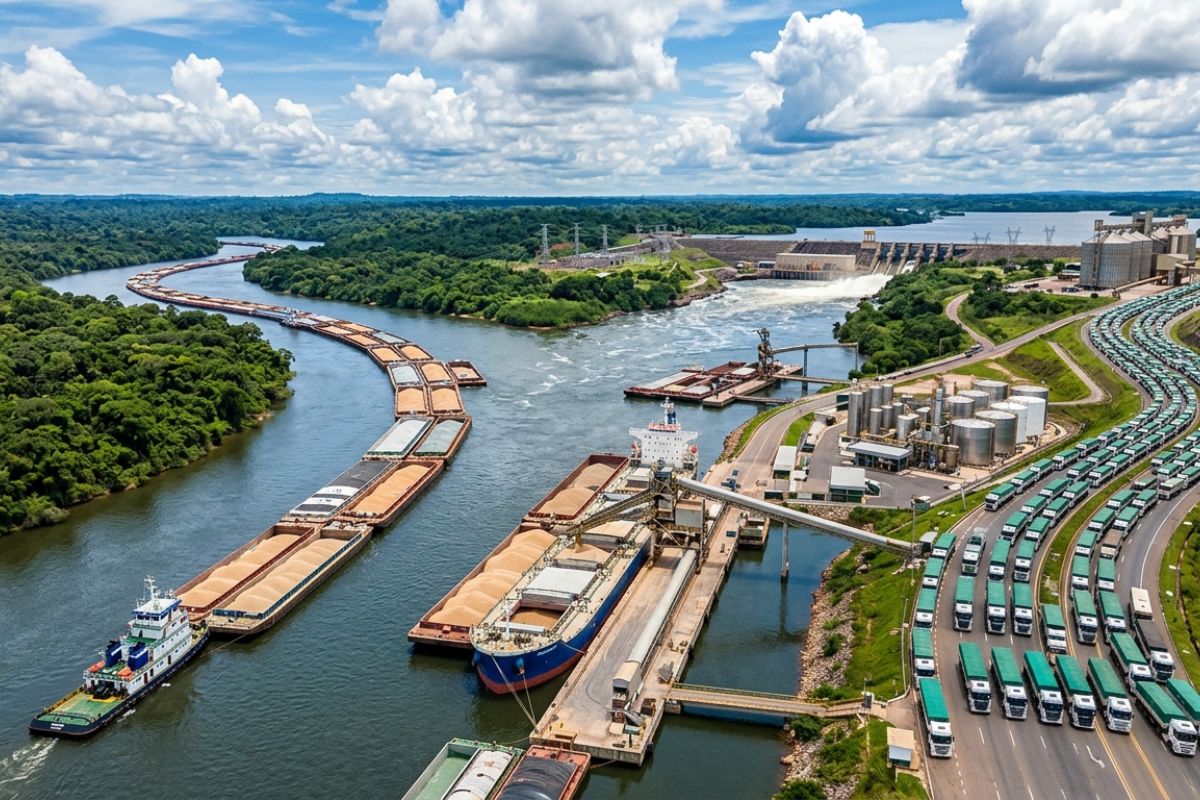
Maggi Group moved from soy to agricultural infrastructure: 212 vessels in the Amazon, 1,100 trucks, ports and hydroelectric plants, its own biodiesel, and the Northern Arc, all to transport 20 million tons in record time.
-
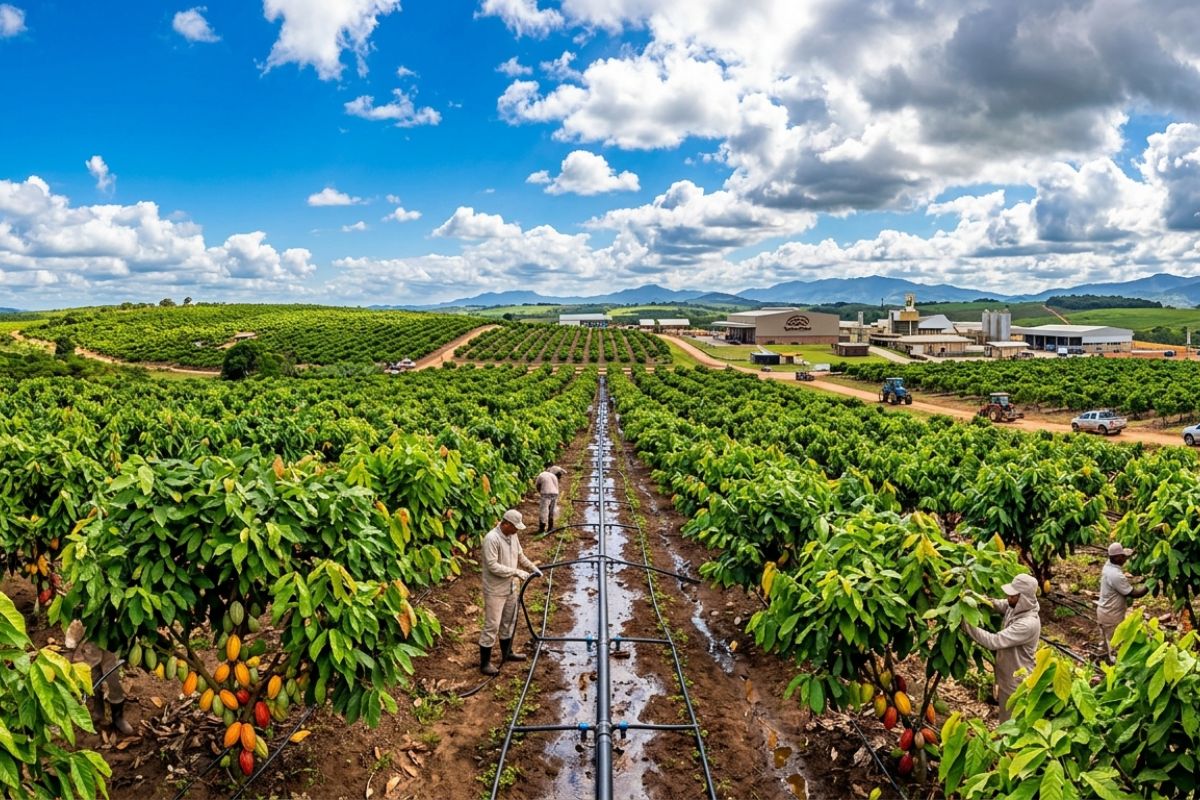
Cacau Show reveals its own cocoa farm in Linhares with automated irrigation and full sun cultivation, producing up to 6 times more per plant and aims to invest R$ 1 billion by 2034 in Brazil.
-
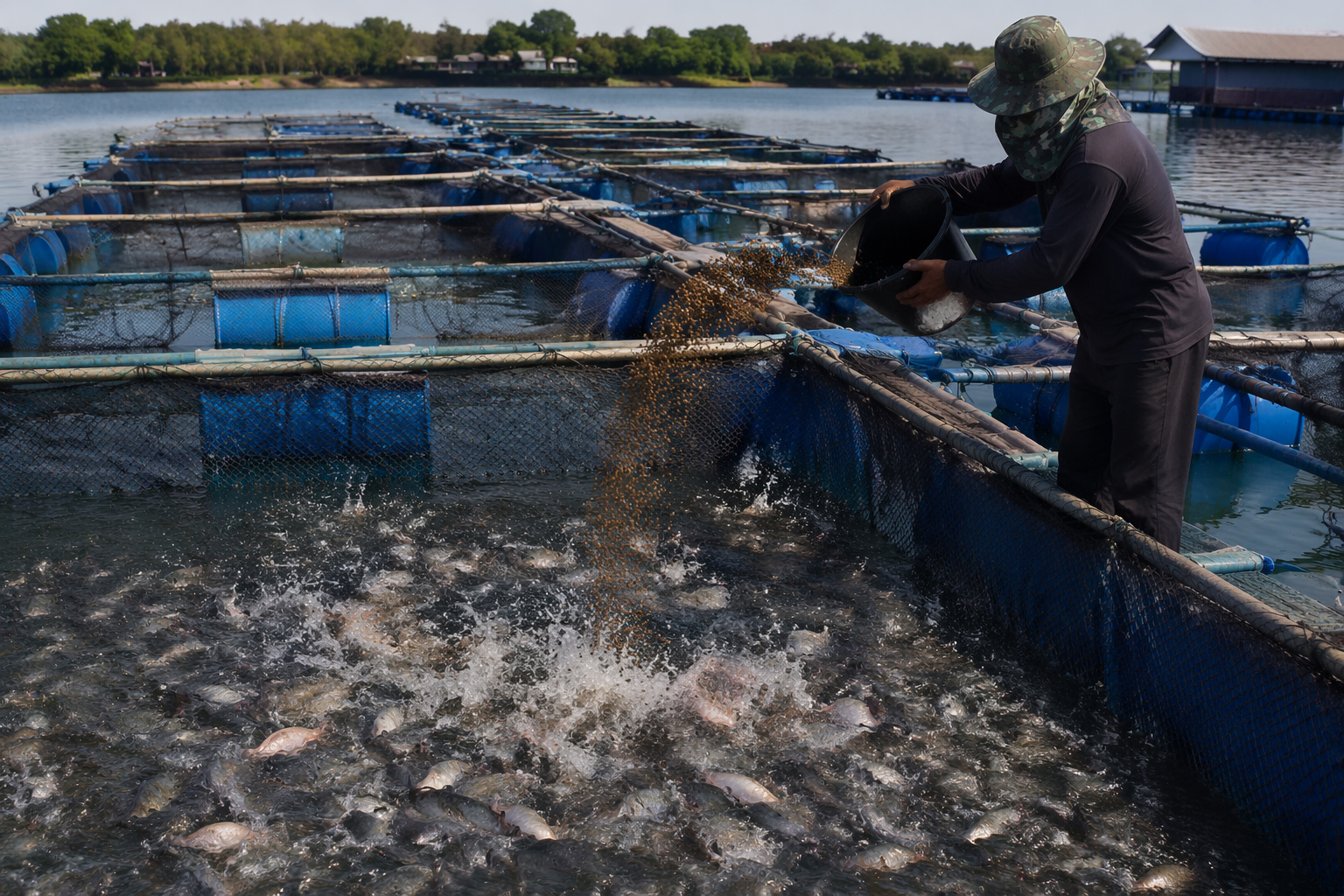
Without soy, there is no fish on the plate: the hidden link that supports global aquaculture and can affect the price of the fillet that reaches your table.
-
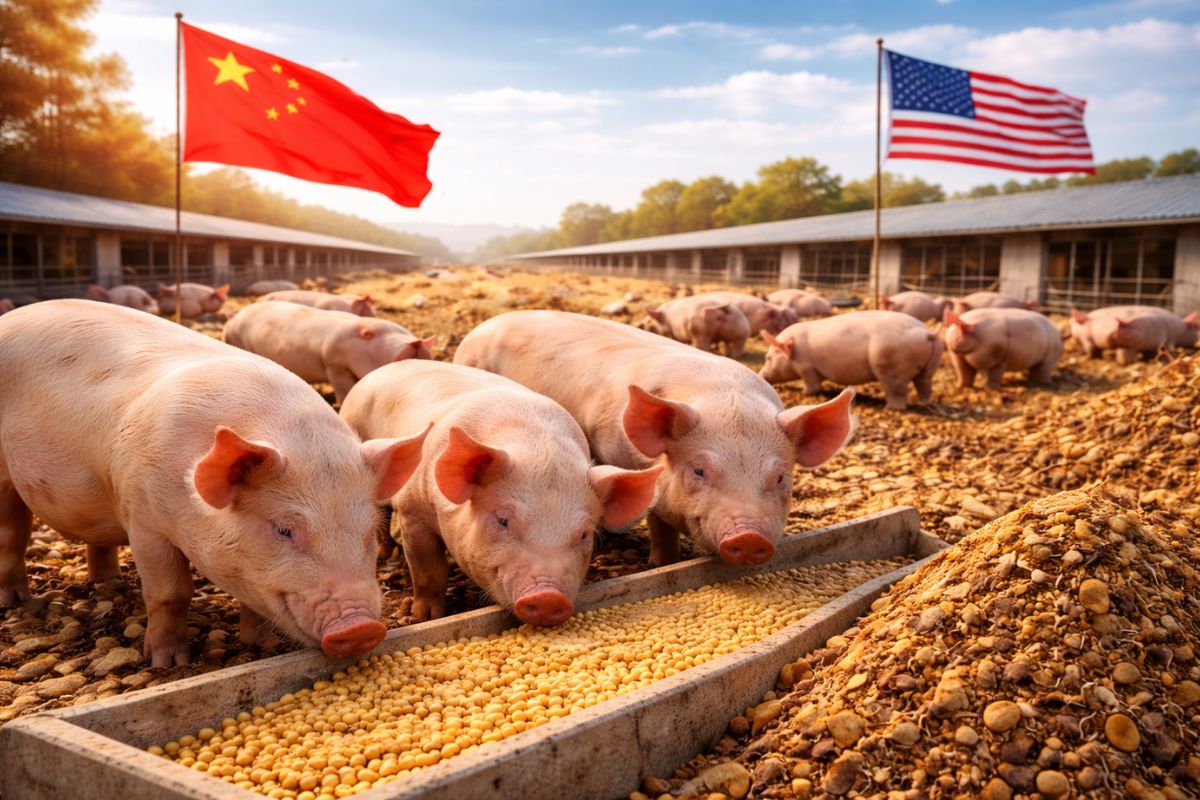
China is replacing soybeans with fermented feed in pig diets, and this silent shift is already generating 6 billion dollars and could take billions away from Brazil and the United States in the coming years.
Fernando Henrique Iglesias, from Safras & Mercado, shortens the timeline: “At the current pace, this Brazilian quota could end between May, at the latest at the beginning of July.” It is a short shelf life for the largest destination of Brazilian beef.
Lygia Pimentel, CEO of Agrifatto, confirms the scenario with numbers. With approximately 110 thousand tons shipped to China per month, the beef quota for China will be reached between June and July.
This means that Brazil will have exported the entire allowed volume in less than seven months, leaving the entire second half without access to the Chinese market under current conditions, unless the sector finds alternatives.
What happens to the price of cattle when the beef quota for China ends
The third quarter is the most concerning period. It is when confined animals begin to enter the market in large volumes, increasing the supply of beef.
If at that same moment the beef exports to China are halted due to quota exhaustion, the combination of more domestic supply with less external demand could drive down cattle prices.
Iglesias warns that this “void” during the third quarter could have a very negative effect on cattle ranchers.
Pimentel reinforces the risk. If the quota is reached in July, Brazil will experience a hiatus in beef exports to China between August and October, precisely when the sector needs strong demand to absorb the production from confinements.
“This tends to pressure prices at a time when animals are leaving the confinements,” says the CEO of Agrifatto. The intensification of shipments to other countries will be necessary to compensate for the absence of the main buyer.
How Brazil intends to diversify markets in light of the beef limit for China
The search for new destinations is already considered inevitable. Hyberville Neto points out that Brazilian beef is competitive, but the 55% tariff on excess shipments forces a redistribution of destinations.
Hong Kong, historically an indirect gateway to China, may gain importance in scenarios of restriction.
Uruguay also enters the equation: with its own quota of 324 thousand tons and only 10.9% utilized in the first two months, the neighbor can buy more Brazilian beef and free up its production to supply China.
Iglesias highlights the global movement of diversification. Brazil is exploring markets such as the United States (which is expected to import about 2.5 million tons in 2026), Japan, Vietnam, Indonesia, the Philippines, and the European Union as alternative destinations for beef that will not go to China. Chile, Russia, Egypt, United Arab Emirates, Mexico, and Saudi Arabia are also experiencing growth.
Brazilian competitiveness in price, standardization, and sanitary protocols continues to be the trump card to conquer these markets.
What could happen at the end of the year when China resumes beef purchases
If the third quarter promises to be difficult, the last quarter brings prospects of recovery. Iglesias projects that “when China resumes buying Brazilian beef thinking about the 2027 quota, we could see the market rise aggressively.”
The logic is that shipments made in November arrive in China around January, within the new annual quota, which should trigger a compensatory wave of purchases.
Pimentel agrees with the scenario of a strong recovery. Furthermore, the domestic market can help cushion the impact of the void in beef exports to China.
Brazil is experiencing a moment of retention of females, which reduces beef production, and this lower supply, combined with the redirection of shipments to other destinations, could prevent sharper declines in cattle prices.
For the cattle rancher, 2026 will be a year of management: those who lock in prices in the futures market and diversify buyers will be in a better position than those who depend solely on China.
Do you think Brazil relies too much on China for beef exports? Will the sector manage to diversify in time? Leave your opinion in the comments.








Seja o primeiro a reagir!