





 Portuguese
  English
  Spanish
  5 min of reading
  0 comments


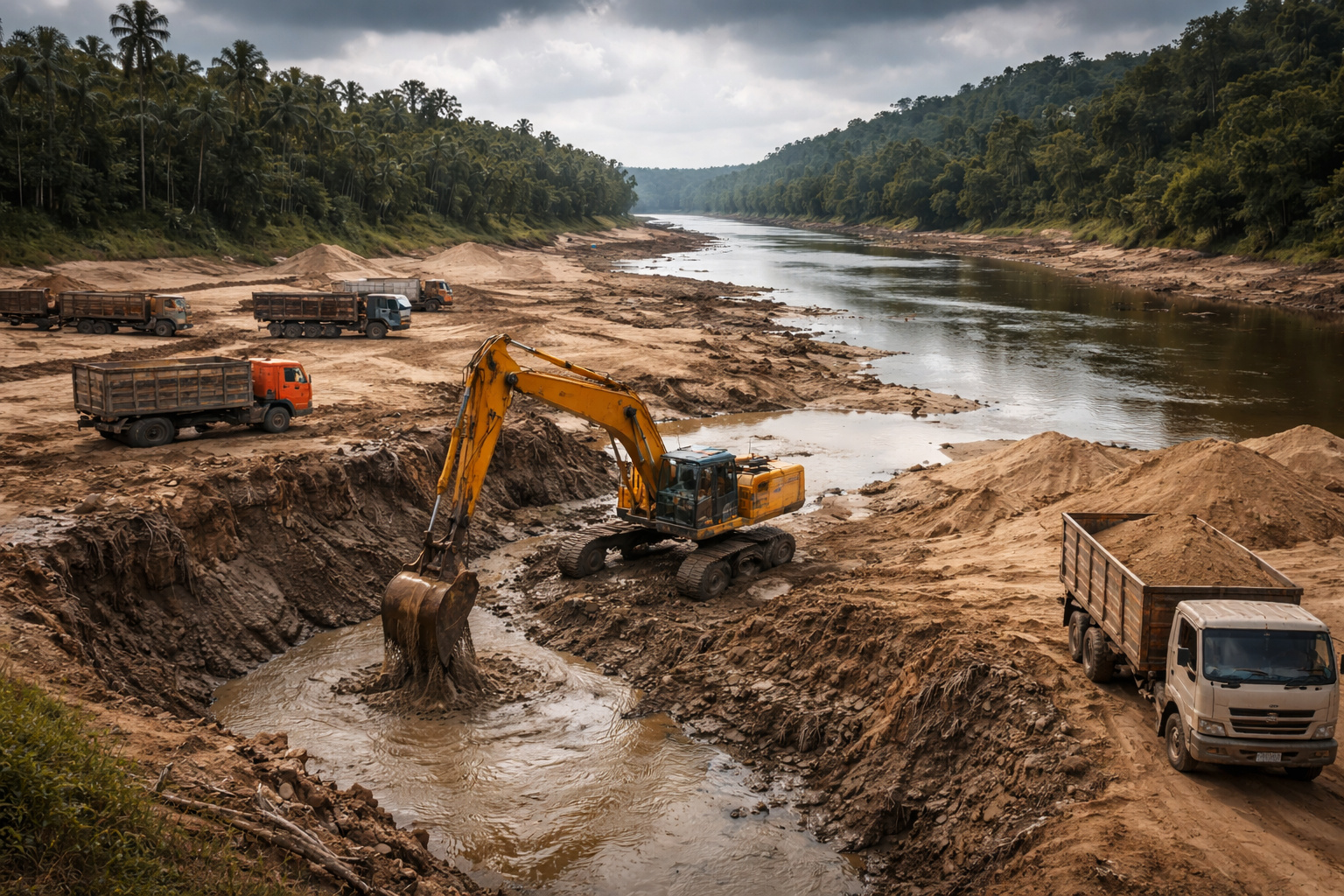
Sand mining in Kerala removes up to 40 times more sediment than nature replenishes, lowers rivers, dries aquifers, and aggravates floods.
Kerala is known as “the land of God,” a state in the southwestern tip of India with white sandy beaches, natural canals, and 44 rivers that cross mountains, plains, and villages before flowing into the Arabian Sea. But beneath this landscape, a silent process is altering the physical foundation of the territory. According to a study published by the Centre for Earth Science Studies in Trivandrum and reported by , SANDRP, and Wikipedia, sand mining in the rivers that feed Vembanad Lake extracts an average of 11.73 million tons of sand and gravel per year, a volume about 40 times greater than the natural replenishment of river systems.
The accumulated result over two decades is measurable: riverbeds lowered by up to 15 centimeters per year, unstable banks, structural collapses, and progressive loss of the rivers’ natural capacity to store water.
The 44 rivers of Kerala sustain 35 million people and present high hydrological vulnerability
Kerala concentrates approximately 35 million inhabitants in an area of about 39,000 km², making it one of the most densely populated states in India. The dependence on rivers is structural.
-
USA and China compete for Brazil over resources that could be worth trillions — rare earths put the country at the center of a global dispute

-
After China, it’s now the turn of the USA to ‘secure’ a share of Brazil’s natural resources: the country buys critical rare earths for R$ 3 billion and enters the center of the global technology dispute.
-
Rare earths are in everything, from cell phones to bullet trains, and what almost no one realizes is why they have become the target of such a delicate global war.
-
Brazil extracts 26.3 million tons of ore from what was previously treated as waste, transforming residues into wealth, producing over 3 million tons of sand, and demonstrating how national mining is relearning to generate value.
The 44 rivers that cross the state are short and respond quickly. The largest, the Periyar, is about 244 km long, while the smallest, the Majewaram, is approximately 16 km. All originate in the Western Ghats and travel relatively short distances to the sea.
This configuration makes the hydrological system highly sensitive to disturbances. The massive removal of sand compromises fundamental functions such as water retention, natural filtration, and geomorphological stability.
Sand extraction for construction grows with remittances from the Gulf and drives intensive mining
Sand mining in Kerala is directly driven by the construction industry. Millions of workers from the state work in Gulf countries and send financial remittances that are often invested in building homes.
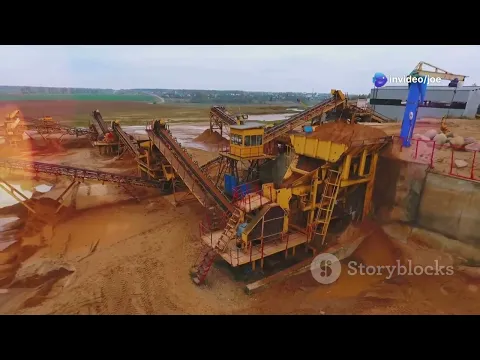

The concrete used in these constructions depends on river sand. With increasing demand, extraction has shifted from artisanal to industrial scale, using excavators, suction pumps, and continuous operations.
India consumes about 70 million tons of sand per year, with an estimated annual growth of 7%. Kerala has become one of the main focal points of this pressure on natural resources.
The Bharathapuzha River suffers hydrological collapse after decades of mining and loses ecological function
The Bharathapuzha, the second largest river in the state at about 209 km, has undergone a profound structural transformation. Once described as a central element of regional culture, it now features stretches with reduced flow and invasive vegetation.
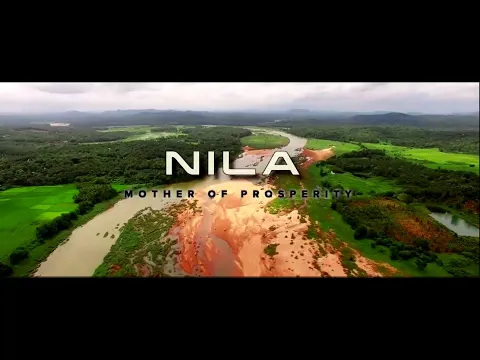
A report from the Kerala government as early as 1997 indicated that mining had lowered the riverbed, accelerated saltwater intrusion, and compromised underground wells used by local communities. Even with technical warnings, exploitation continued, exacerbating the collapse of the system.
The Periyar River accumulates about 800 craters caused by mining and alters the natural flow of water
The Periyar, the main river of Kerala, has about 800 craters along its bed, formed by illegal sand extraction.
These cavities alter the flow dynamics, destabilize banks, and create direct risks to the population. Records indicate deaths by drowning in areas impacted by these excavations. Despite judicial restrictions, mining continues in critical zones, even after extreme events.
In August 2018, Kerala faced the worst flood in nearly a century. Intense rains led to the opening of 27 dams, resulting in widespread flooding.
The event caused nearly 500 deaths, displaced more than 600,000 people, and resulted in damages exceeding 83 billion rupees.
Researchers and experts, including ecologist Madhav Gadgil, pointed out that sand mining contributed to the magnitude of the disaster by reducing the rivers’ capacity to absorb and regulate water volume.
Sand removal eliminates rivers’ capacity to absorb water and increases flood velocity
The sand in riverbeds acts as an absorption structure, reducing water velocity and allowing gradual infiltration.
With the removal of this material, rivers lose this capacity. The flow becomes faster, more erosive, and less controlled.
Studies from the Kerala Water Resources Management Centre indicate that sediment removal has eliminated the rivers’ natural buffering function, increasing the risk of overflow.
Sand mining also affects the groundwater table. With the lowering of the riverbed, groundwater drainage occurs, and water availability decreases. Simultaneously, the intrusion of saltwater from the sea intensifies, contaminating agricultural areas.
Regions like Palakkad have reported declines in rice production associated with the salinization of water used for irrigation.
Aquatic biodiversity collapses with habitat loss caused by sand removal
Sand is an essential element for river biodiversity. Aquatic insects, fish, and birds depend on sandy banks for reproduction and feeding.
The removal of these environments alters the entire ecological chain. Studies in the Bharathapuzha have documented declines in species reproduction and changes in migratory behavior. Degradation occurs at multiple levels and compromises the ecosystem’s balance.
Illegal sand mining in India is controlled by organized networks that operate with political support and violence.
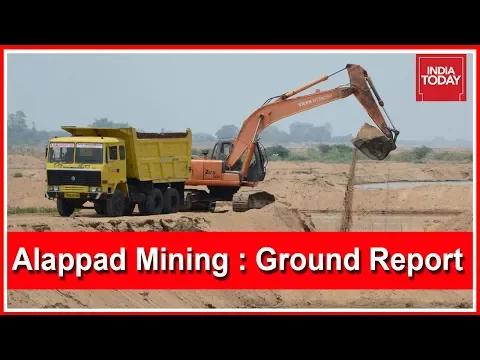
Reports indicate murders of public officials, journalists, and activists involved in monitoring these activities. In Kerala, allegations indicate similar actions, with intimidation of communities and continued extraction even after prohibitions.
Environmental audits confirm extraction above replenishment capacity in main rivers of Kerala
Between 2011 and 2019, environmental audits analyzed 21 rivers in the state and confirmed that sand extraction significantly exceeds the natural replenishment rate.
Data show a continuous reduction in sediment load in important rivers such as Periyar, Bharathapuzha, and Chaliyar. Even with technical evidence, the implementation of effective policies remains limited.
Now we want to know: can sand mining permanently transform the rivers of Kerala?
Industrial-scale sand extraction has profoundly altered the hydrological, ecological, and economic dynamics of the rivers of Kerala.
The continuity of this process raises a central question about sustainability and natural resource management. In your view, can this model be reversed, or have the rivers of Kerala already surpassed a critical point of recovery?






Seja o primeiro a reagir!