





 Portuguese
  English
  Spanish
  3 min of reading
  0 comments


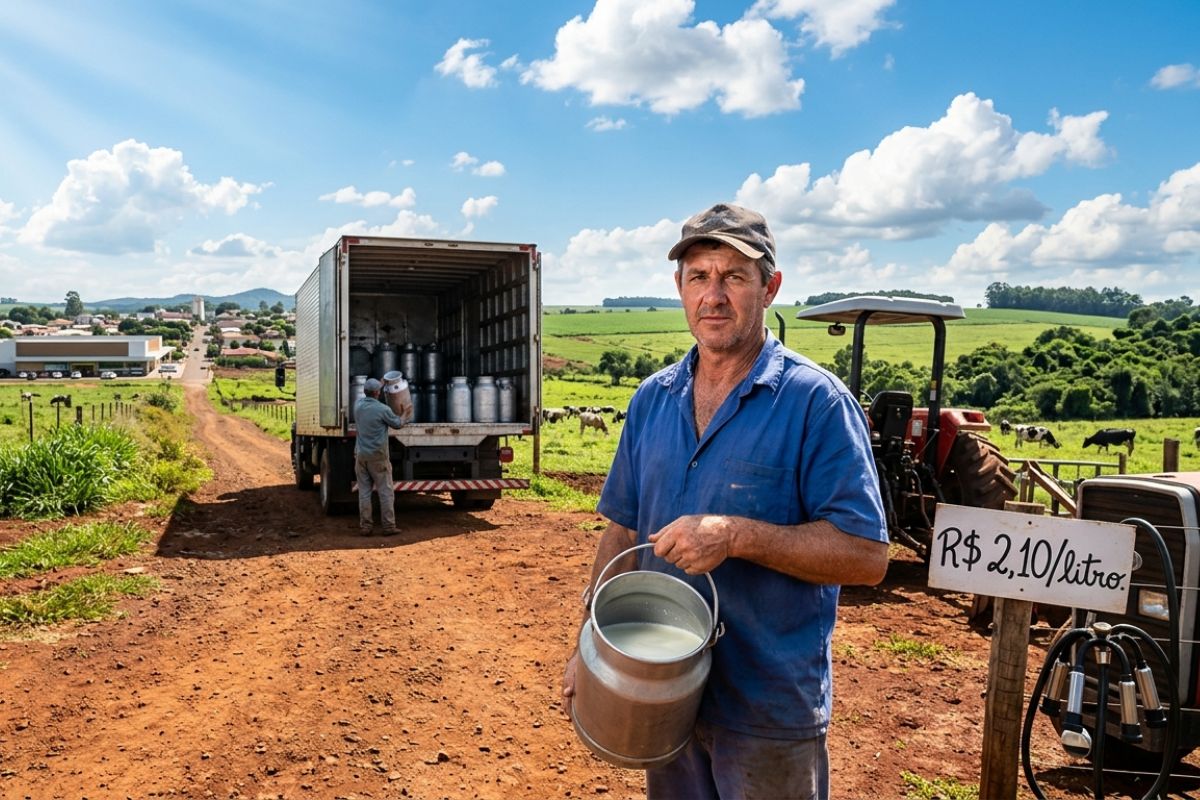
Powdered milk almost 9% more expensive, consumer cuts purchases and the field awaits adjustment because the difference stays with middlemen and deadlines hinder the transfer
The milk has become more expensive on the shelves in Paraná, with a rise of 17% in long-life milk and almost 9% in powdered milk, and consumers are already feeling the impact on their wallets, especially in households with children, where “there’s no substitute.”
However, even with milk rising in retail, this increase has not yet fully reached the rural producer. In the field, the complaint is clear: if in the market the liter appears at R$ 7, the producer received R$ 2.10 last month, and the rest of the margin gets lost along the way.
More expensive milk and consumers with no alternative

Milk is more expensive, and for many people, buying it becomes a necessity. Reports show consumers saying they need to buy it because it is a basic item, used in coffee, in cakes, and in children’s routines.
-
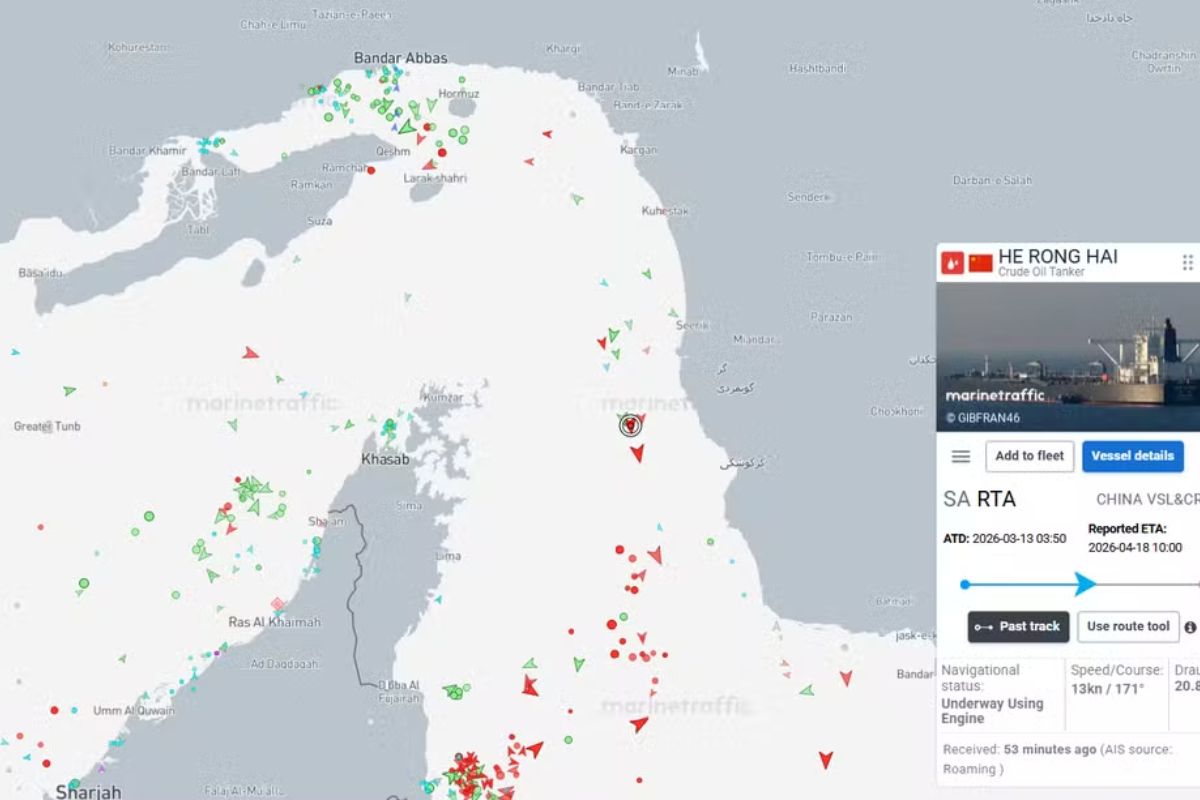
Two Chinese supertankers chartered by Asia’s largest refiner have just crossed the Strait of Hormuz and may be the first to leave the Persian Gulf since the ceasefire between the United States and Iran on a route that still has mines and uncertainties.
-
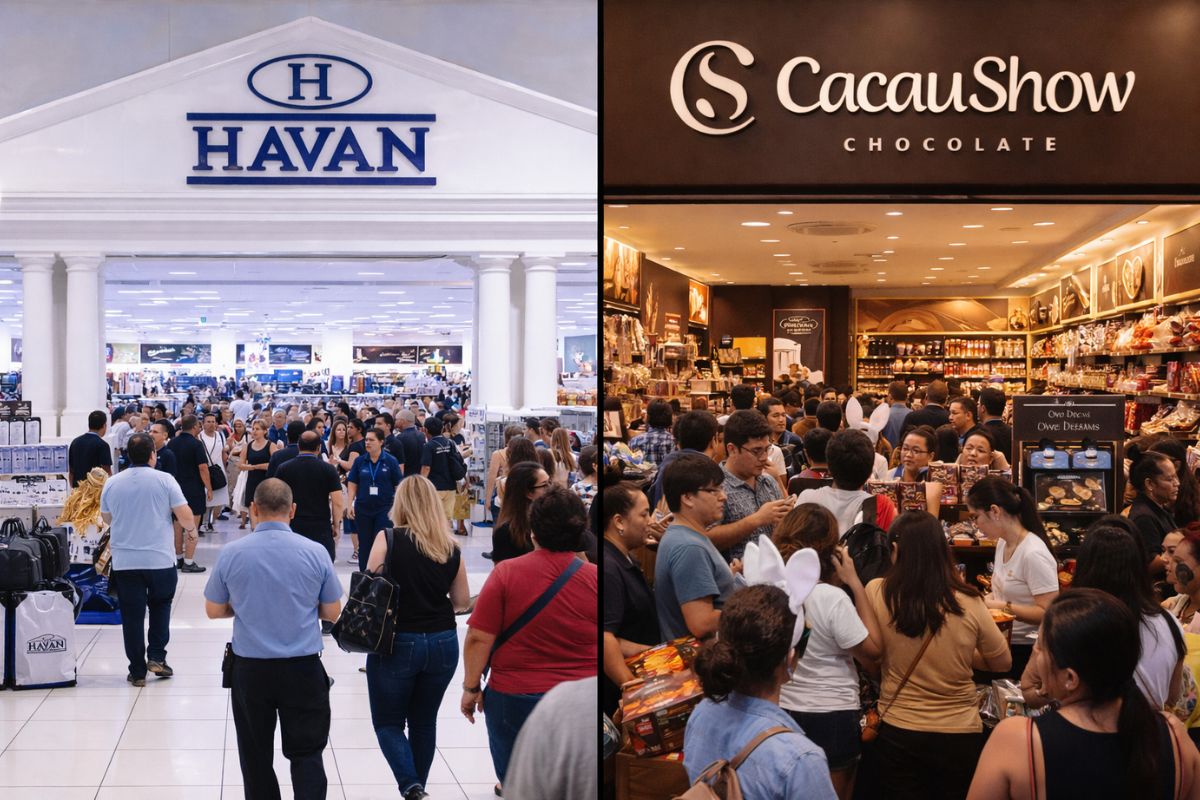
While Havan earns R$ 50 million per day throughout the year, Cacau Show managed six times more in just 24 hours, totaling half a billion reais in two days of Easter.
-
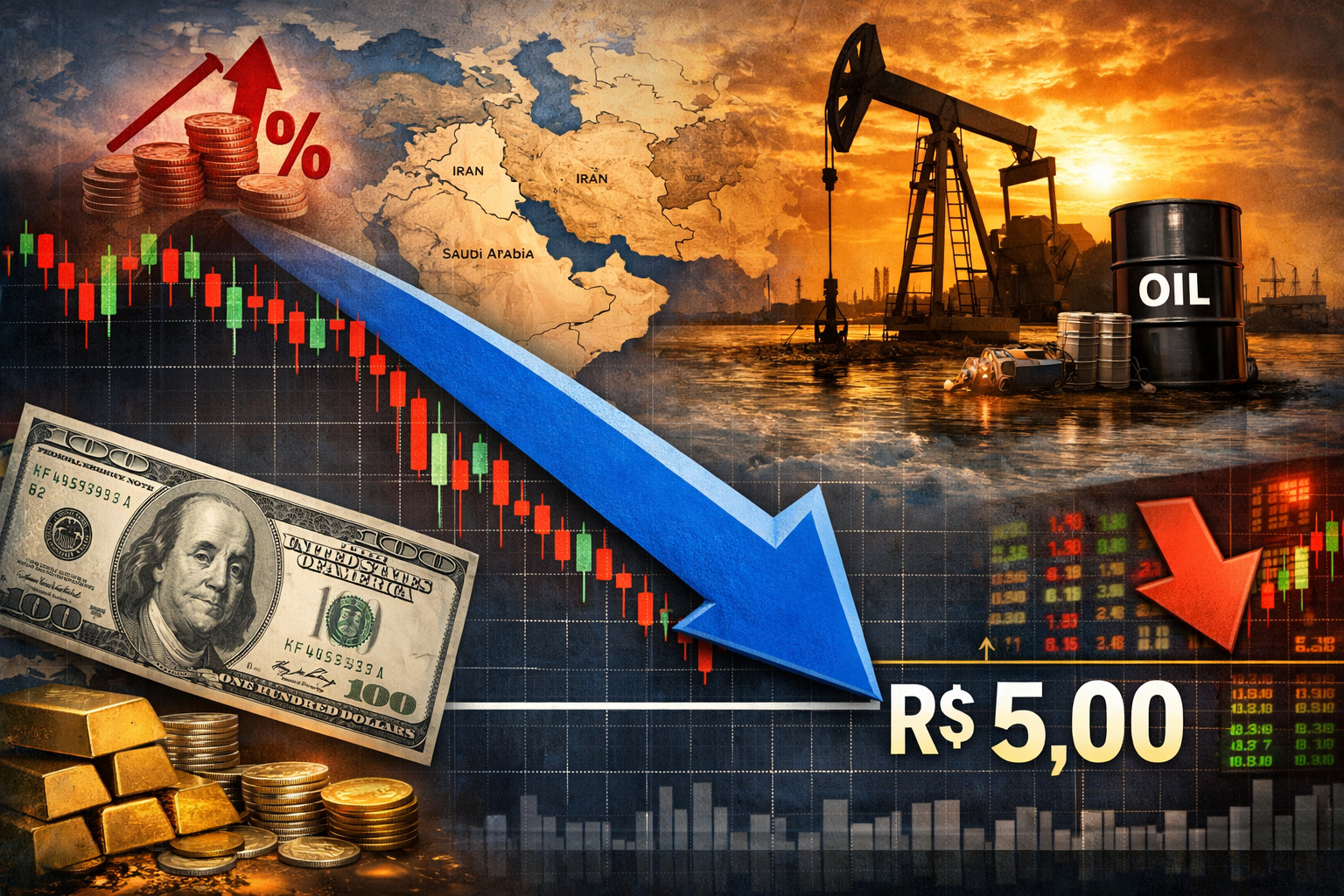
Weak dollar or strong real? The American currency plummets for the third day, approaching R$ 5 and surprising the market with global inflation and tensions in the Middle East that continue to create global uncertainty.
-
China’s investments in Brazil in factories, energy, oil, electric cars, and new industrial projects double to $4.2 billion, making the country the 3rd largest global destination for Chinese capital.

When the price rises, the strategy is to reduce quantity and take advantage when finding it “cheaper” to buy more.
This pressure also appears in derivatives. Cheese and powdered milk follow the rise, which increases the monthly bill and forces adjustments at home.
In the field, milk has not appreciated at the same speed
The main tension is at the end of the chain. Despite the higher retail price of milk, the producer reports that payments remain delayed.
The difference between R$ 7 in the market and R$ 2.10 received per liter is seen as margin captured by middlemen and third parties.
The feeling in the field is one of waiting: the price has risen for the consumer, but it has not yet returned to those who produce.
An example in Toledo: selling milk directly changes the game


A property in Toledo stands out as a contrast: 80 cows produce 2,000 liters of milk per day. Of this total, 700 liters stay in the community and are sold for R$ 4 per liter.
The producer highlights the advantage for both sides: the producer earns double compared to the price paid by the dairy and the consumer pays less than in the market. According to the report, this difference allows maintaining the property, the structure, and the comfort of the animals.
Why does milk take time to reach the producer
The basis explains that the delay occurs due to the payment terms of the industries and the dynamics of the production chain. In other words, the milk sold today in retail was negotiated weeks ago, so the transfer does not happen at the same pace.
The technical speech also emphasizes that industries pay for the milk collected in the previous month. Therefore, an increase in retail or in spot milk does not mean an immediate adjustment for the producer. The producer may receive more the following month, but this also depends on the industry’s costs and processing.
Expectation of adjustment, but milk still weighs on both sides
The indicated trend is for improvement in remuneration in the coming weeks for those selling to the industry. Until then, the scenario remains unbalanced: the consumer pays more for it, while the field continues to await the reflection of the new price.
And there is one important final detail in the report: producing milk requires high investment. Machinery, feeding, nutrition, infrastructure, and comfort for the animals raise the cost per liter, which increases the pressure for a fairer transfer to the producer.
Quick question for you to comment: in your opinion, should the price of milk drop in the market or should the producer receive more to reduce this difference in the middle of the chain?






Seja o primeiro a reagir!