





 Portuguese
  English
  Spanish
  3 min of reading
  0 comments


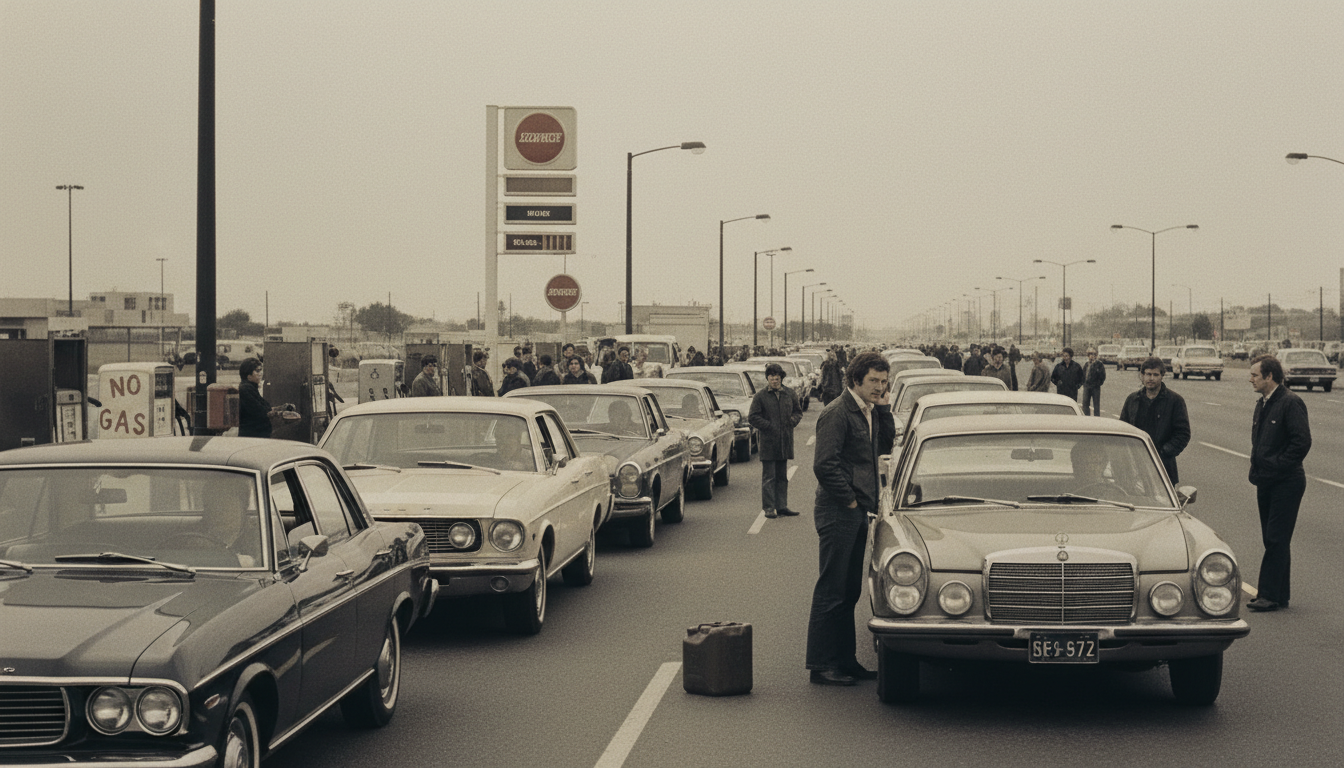
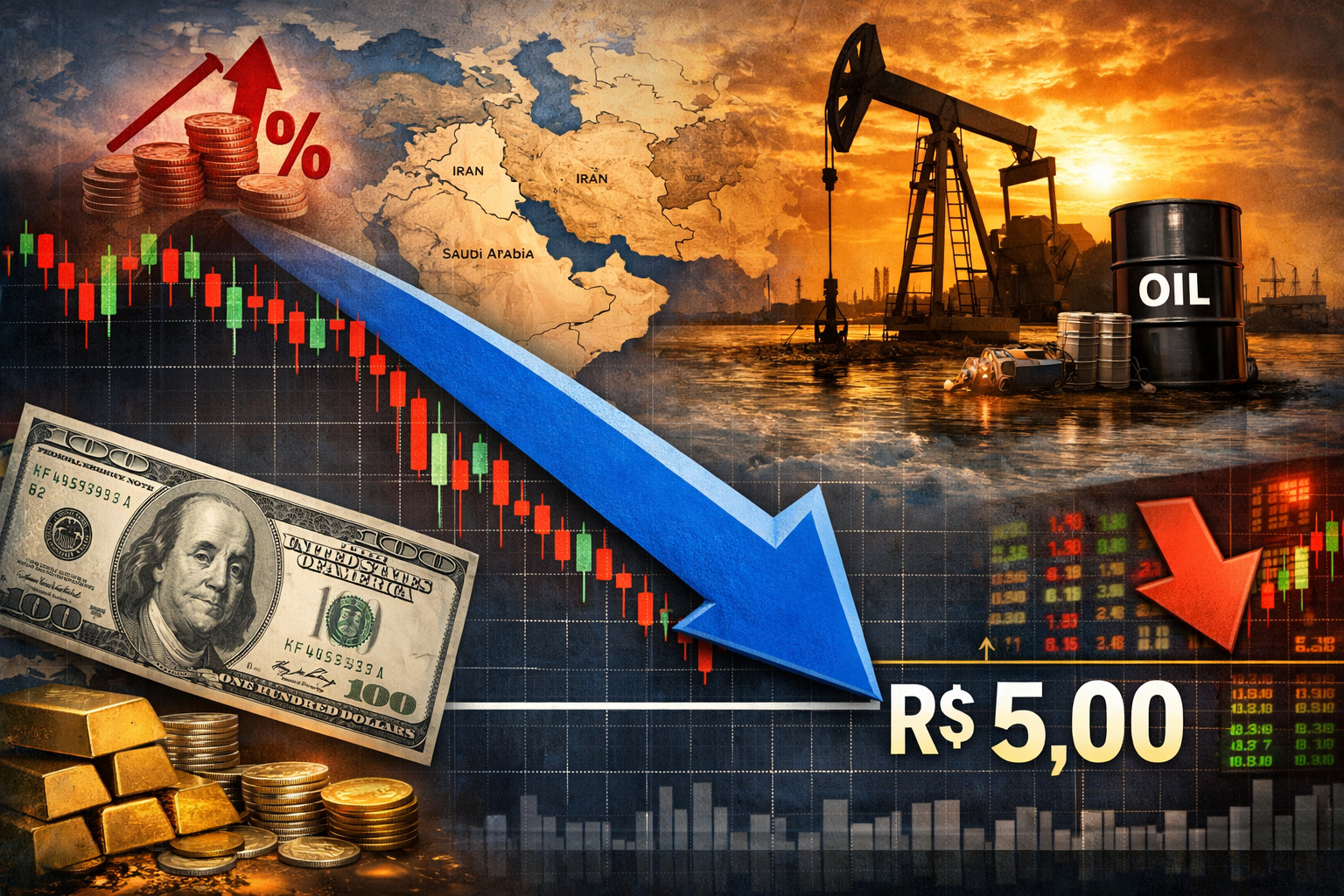
The world experienced two oil shocks in the 1970s that paralyzed entire economies, and now the third is happening in 2026 with Iran closing the Strait of Hormuz, causing the barrel price to rise 61% from $70 to $117 in weeks, with Brazil feeling the impact on diesel, gasoline, and airfares while the government creates billion-dollar emergency packages.
In 1973, Arab countries cut oil supplies to the West in retaliation for support to Israel. As a result, the price of the barrel quadrupled in months, and the world was never the same again.
In 1979, the Iranian Revolution interrupted production from the world’s second-largest exporter. Thus, the barrel doubled in price, and long lines formed at gas stations from New York to Tokyo.
Now, in 2026, Iran has closed the Strait of Hormuz — the route for 20% of all the oil on the planet — and the barrel skyrocketed from $70 to $117 in just a few weeks. The third oil shock in history is happening.
-
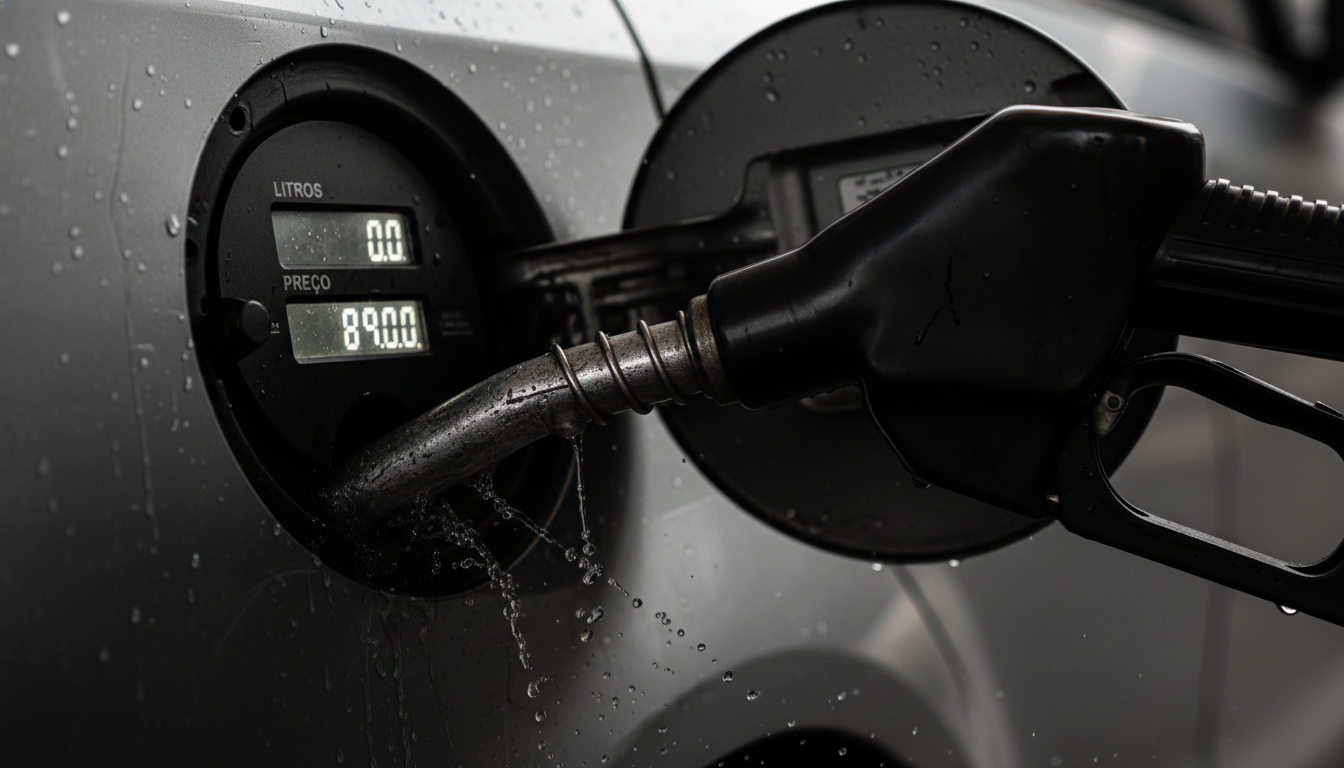
When oil prices rise, the gas station increases prices the next day, but when it drops by 13% at once, no one explains why gasoline remains at the same price for months.
-
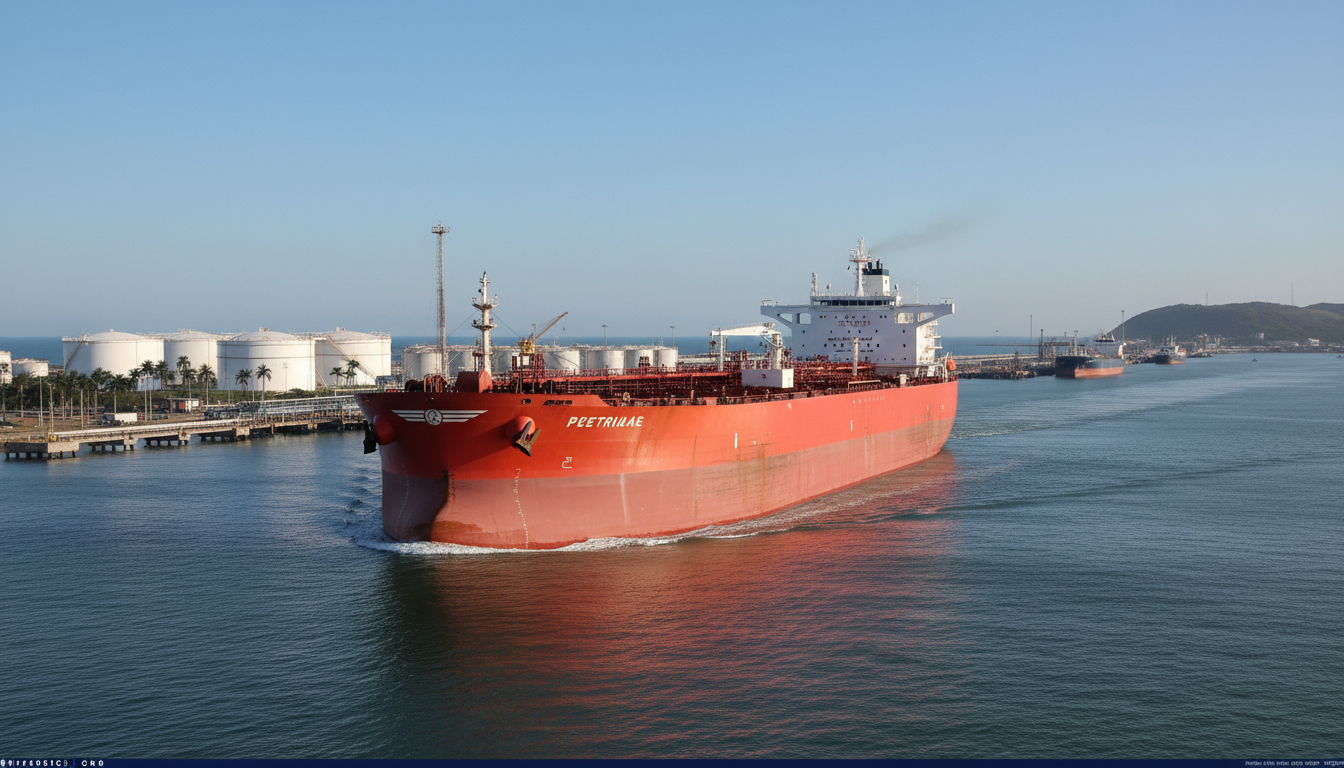
The largest fuel distributor in Brazil has just been forced to import diesel and gasoline on its own after Petrobras reduced its monthly deliveries.
-
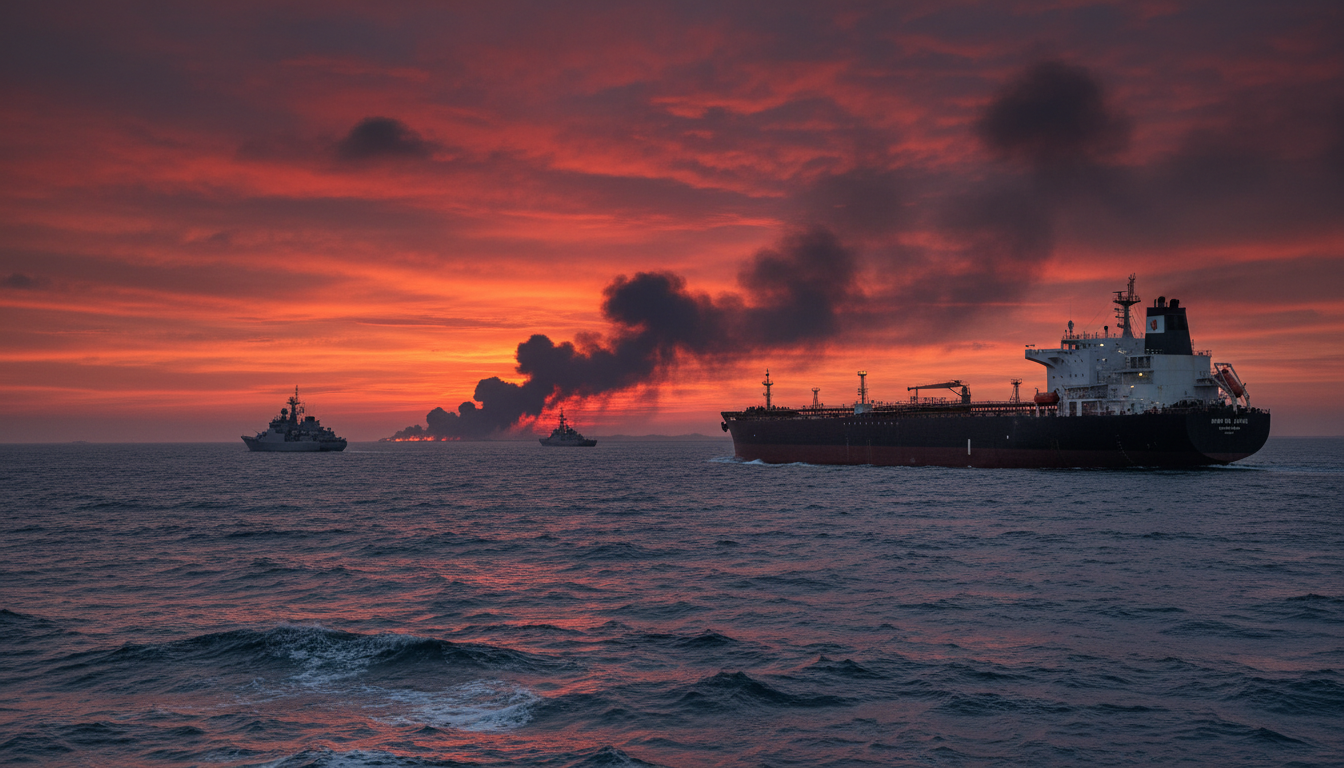
After Trump gave Iran 48 hours to reopen the route for 20% of the world’s oil, the barrel skyrocketed to $117, dropped 13% with a truce, and the Central Bank had to inject $2 billion to stabilize the dollar.
-
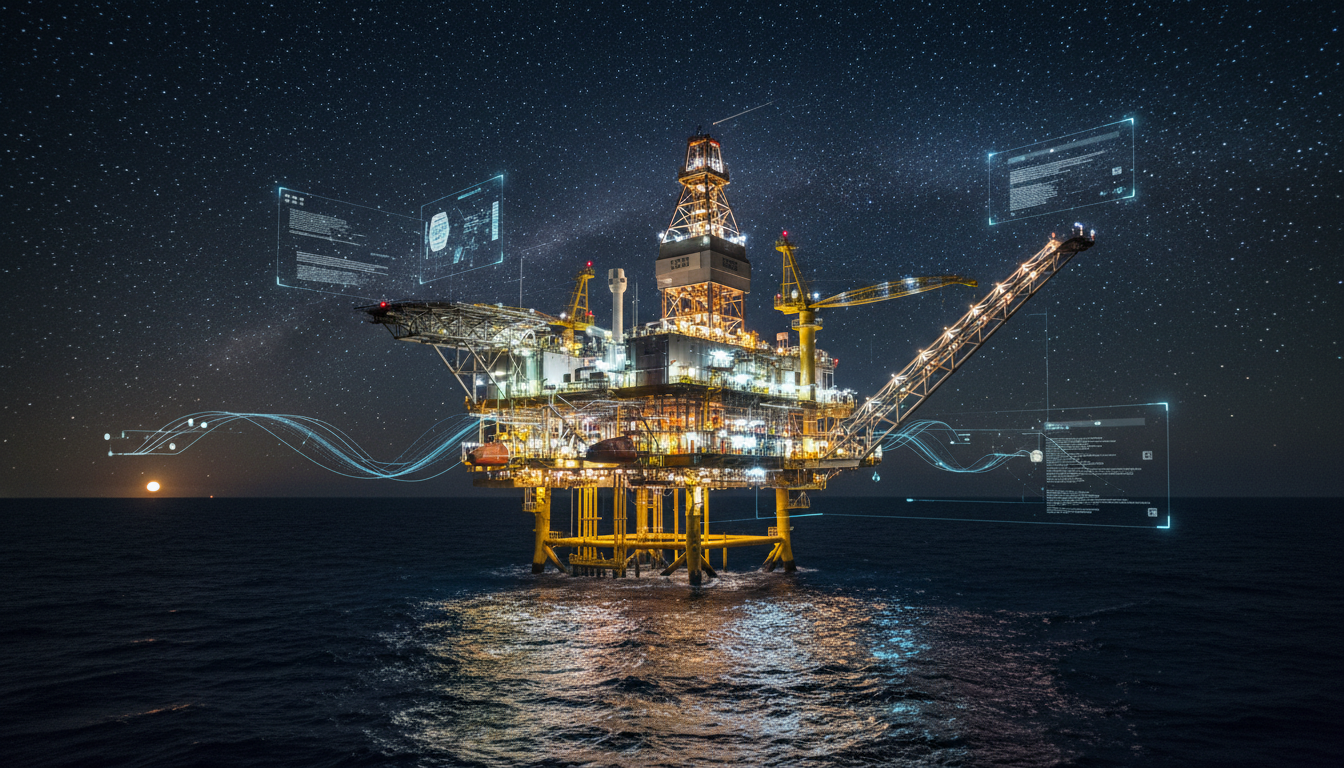
A law that no one knows requires oil companies to invest billions in technology in Brazil, and the result is autonomous robots, AI that predicts failures, and cameras that see danger before humans do on offshore platforms.

From $70 to $117: the 61% rise that recalls the 1970s
Before the conflict between the US and Iran began on February 28, 2026, the Brent barrel was around $70. Thus, oil was considered relatively stable.
With the military escalation and the closure of the Strait of Hormuz, WTI reached $117 and Brent surpassed $113. Therefore, the accumulated rise was 61% in weeks.
For comparison: in the first shock (1973), the barrel quadrupled. In the second (1979), it doubled. Now, it has risen 61% — and the crisis is not over yet.
Even after the 5-day truce announced by Trump, the barrel fell back to $94–95 — still 35% above pre-war levels.

The Strait of Hormuz controls 20% of the world’s oil
The Strait of Hormuz is a chokepoint only 33 km wide between Iran and Oman. However, about 20% of all oil traded globally passes through it.
When Iran closed this route in response to American and Israeli attacks, the effect was immediate. Additionally, attacks on refineries in Saudi Arabia, Kuwait, and Qatar exacerbated the uncertainty.
In the 1970s, oil was also used as a geopolitical weapon. OPEC embargoed exports to the US and Europe. Thus, the world discovered its dependence on the Middle East.
Fifty years later, the dependence continues. And the same script is repeating.
Brazil feels the impact on diesel, gasoline, and airfares
In Brazil, the impact arrived quickly. ANP recorded an increase in S-10 diesel from R$ 6.09 to R$ 6.15 in the first days of the conflict. However, experts warn that the full effect may take up to six months.
Furthermore, Petrobras cut the monthly fuel quota for April 2026. As a consequence, Vibra had to double its diesel imports on its own.
The government reacted with emergency packages: R$ 14 billion in diesel subsidies, R$ 1 billion for airlines, and penalties for abusive pricing.

Airfares and kerosene also spike
Aviation kerosene (QAV) is directly tied to oil. Therefore, the rise hit Brazilian airlines hard.
The government created two lines of financing: one through the National Civil Aviation Fund of up to R$ 2.5 billion per company and another short-term line of R$ 1 billion.
Additionally, air navigation fees for April, May, and June were postponed to December. Thus, the relief is temporary.

What differentiates the third shock from the previous ones
In the 1970s, the world had no alternatives. There were no electric cars, solar, or wind energy on a large scale. However, even in 2026, with all the energy transition, oil remains irreplaceable for heavy transport, aviation, and petrochemicals.
Brazil has an advantage that did not exist before: it is self-sufficient in crude oil. Still, it depends on imports of derivatives like diesel and kerosene.
To understand how Trump’s ultimatum caused oil to spike to $117, see the report. Also check how Vibra was forced to import diesel after Petrobras cut its quota.
The difference between 1973 and 2026 is that now Brazil produces enough oil for itself. But the irony is that even so, it cannot refine all the diesel it consumes — and this dependence on derivatives is exactly what makes the third shock as dangerous as the previous ones.





Seja o primeiro a reagir!