





 Portuguese
  English
  Spanish
  4 min of reading
  0 comments


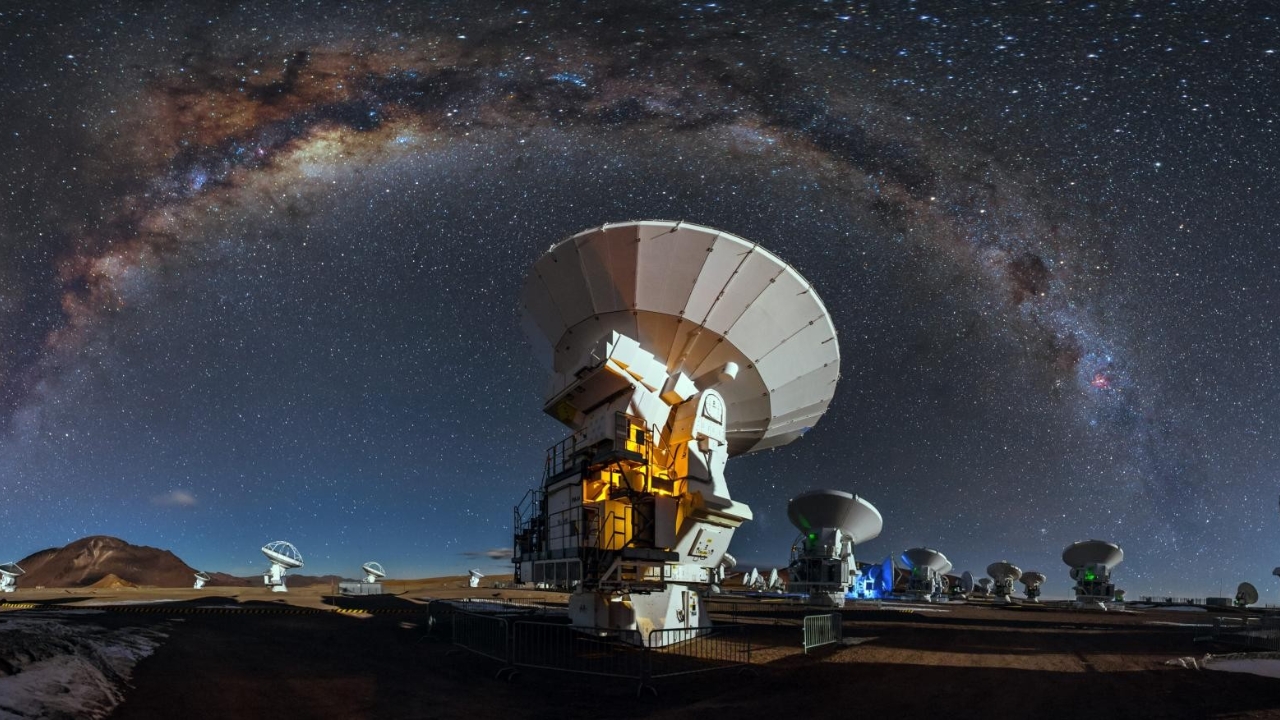
Installed in one of the most extreme environments on the planet, ALMA operates with 66 antennas, a high-altitude supercomputer, and infrastructure that consumes energy equivalent to that of an average city.
At a 5,000 meters altitude, in the Atacama Desert, one of the most complex scientific structures ever built operates. The ALMA radio telescope functions in an environment where the human body suffers from low oxygen concentration and where every detail of engineering must be considered to avoid failures.
Its operation depends on artificial oxygen, strict control of human stay time, and large-scale energy infrastructure. The energy consumption reaches levels similar to that of a city of 50,000 inhabitants, something rare even among major research centers.
This extreme effort supports observations that have helped change the understanding of planet formation, galaxies, and black holes, placing ALMA at the center of modern astronomy.
-
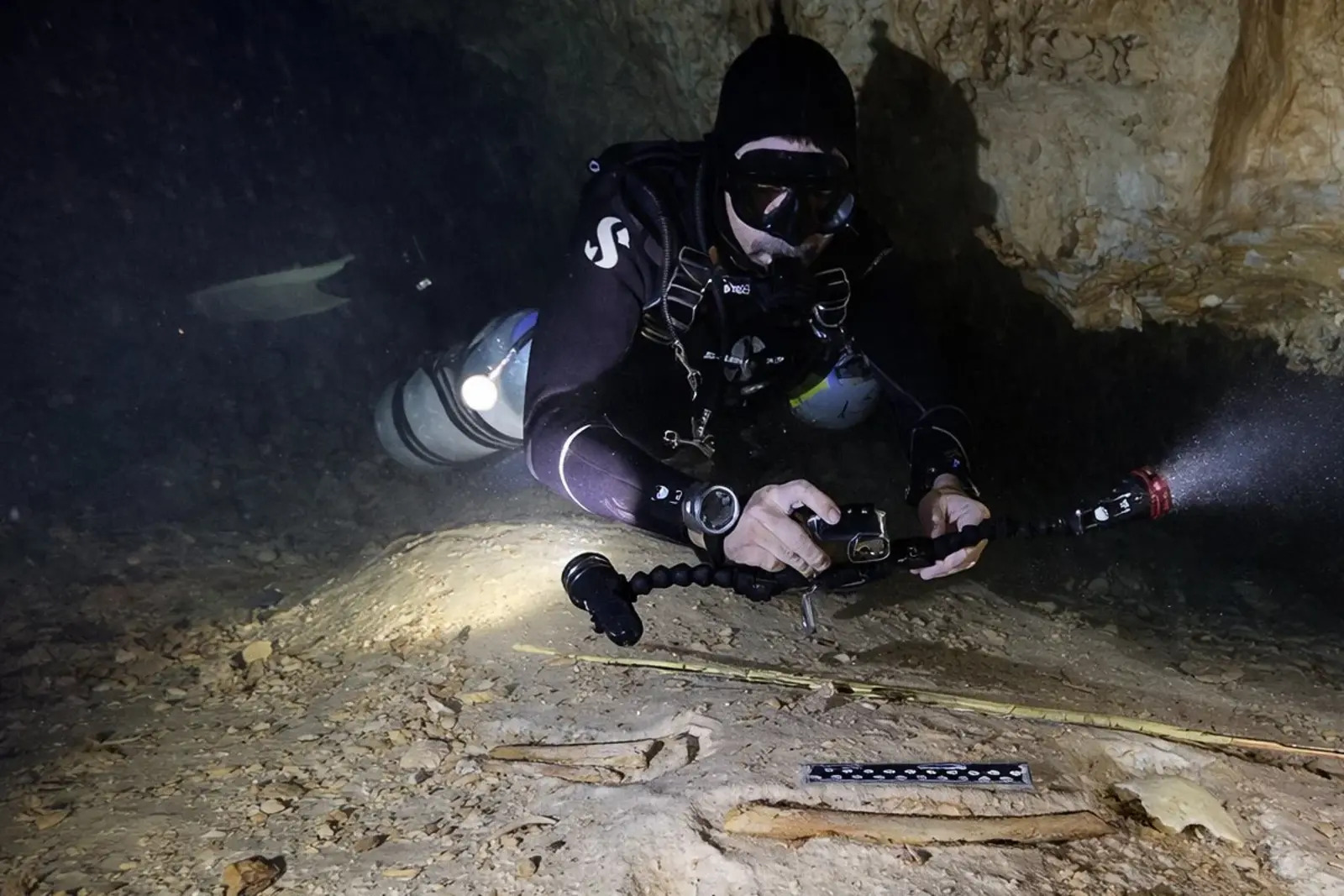
Ancient remains found 200 meters in a cenote chamber are retrieved from the sea and reveal a human skeleton in a shelter or ritual space from 8,000 to 10,000 years ago.
-
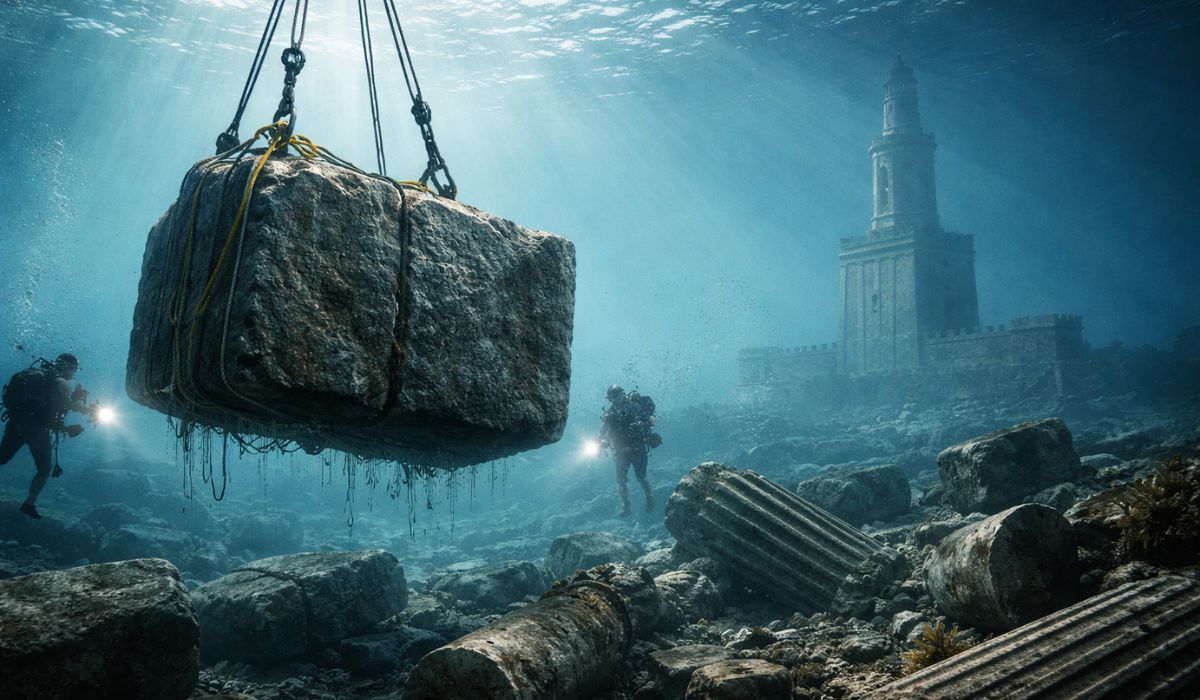
Archaeologists are retrieving monumental blocks weighing up to 80 tons from the depths of the Mediterranean Sea, from the legendary Lighthouse of Alexandria, one of the Seven Wonders of the Ancient World, and now scientists want to digitally reconstruct its lost splendor.
-
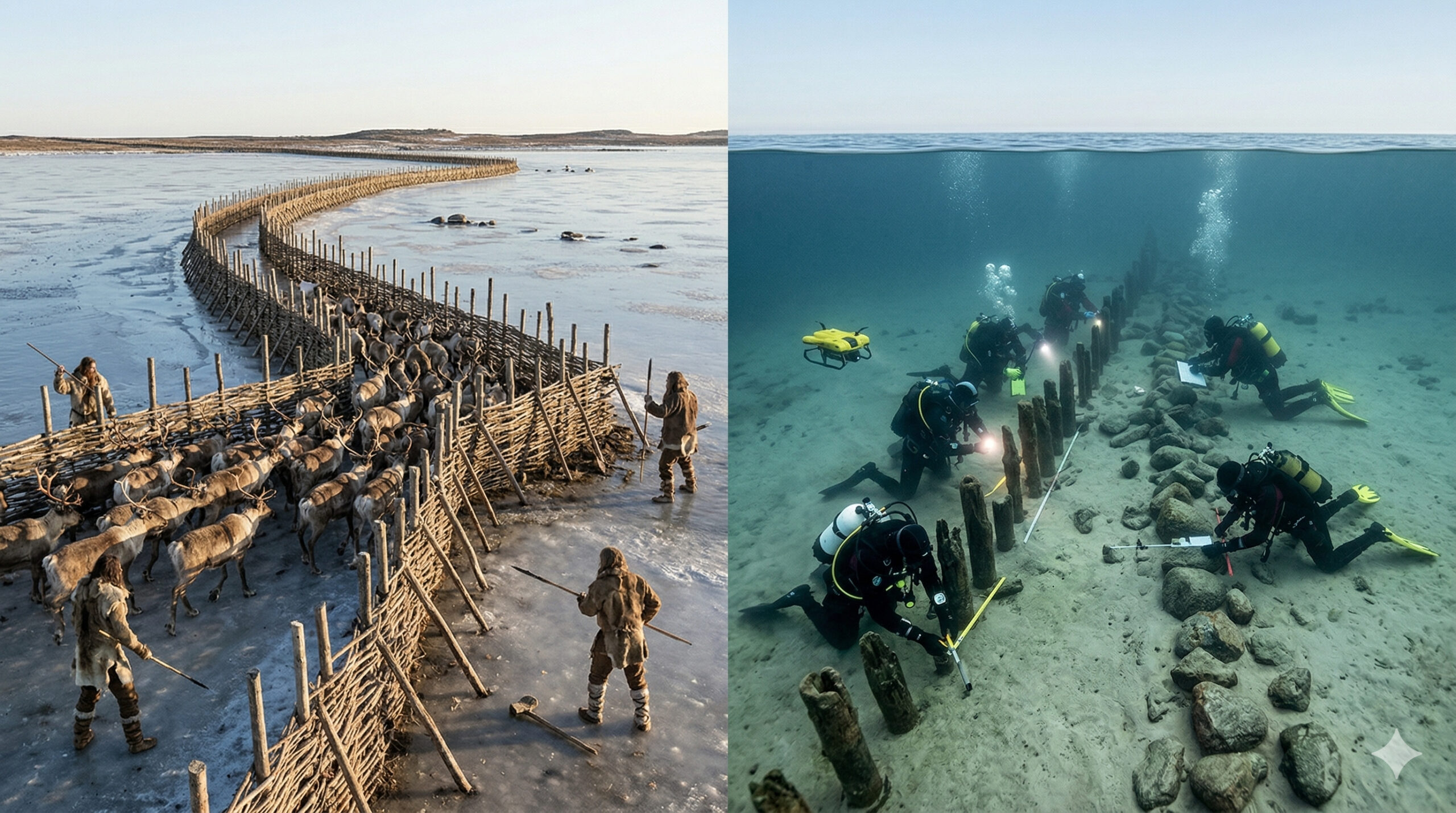
A geologist teaching students to map the bottom of the Baltic Sea identified something unusual on sonar in 2021: a line of stones meandering for almost 1 kilometer at a depth of 21 meters, revealing the largest megastructure of the Stone Age ever found in Europe, about 11,000 years old, built by hunters when the Baltic Sea did not yet exist.
-
Mongol ship sunk 745 years ago emerges in excavations with sword, arrows, and relics from the 1281 invasion of Japan, destroyed by the first “kamikaze” in history.


What happened and why it got attention

ALMA was installed at high altitude because the region offers one of the driest skies on the planet. The low humidity is essential for capturing millimeter and submillimeter waves, which are easily blocked by the water vapor present in the atmosphere.
This scientific advantage comes with severe challenges. The Chajnantor plateau presents sharp temperature variations, intense winds, and thin air, creating a scenario that requires out-of-the-box solutions to keep people and equipment operating without interruptions.
The combination of cutting-edge science and extreme conditions has transformed the observatory into a global example of engineering applied to hostile environments.
Why altitude requires artificial oxygen and strict protocols
The area of the antennas and the technical building is at 5,000 meters, where the availability of oxygen is drastically lower. Under these conditions, even simple activities become physically exhausting and potentially dangerous.
To reduce risks, the complex uses oxygen enrichment systems in indoor environments and limits human exposure time in the most critical areas. Most operations occur remotely, reducing the need for constant on-site presence.
The operational support base is located at 2,900 meters, an altitude still high but safer for prolonged stays. This separation is part of the strategy to preserve the health of the teams.
How 66 antennas work as a single giant telescope

ALMA consists of 66 antennas, with 54 measuring 12 meters in diameter and 12 measuring 7 meters. All work synchronously, forming a single large virtual instrument.
The antennas can be repositioned on up to 197 bases distributed across the plateau. Depending on the chosen configuration, the distance between them can reach 16 kilometers, which directly affects the resolution of the observations.
This system allows for everything from broad maps of gas clouds to extremely detailed images of regions where planets are forming, something that has redefined standards in observational astronomy.
Urban-scale energy to keep everything running
Keeping ALMA active requires energy at an industrial level. The project was built with an investment of approximately US$ 1.4 billion, reflecting the complexity of the infrastructure installed in a remote desert region.
The observatory operates with its own energy generation, with a capacity of around 5.7 MW, in addition to backup units to ensure continuous operation. The total power budget reaches 6.7 MW, considering all areas and systems.
This volume explains why the energy consumption is comparable to that of a medium-sized city, supporting antennas, telecommunications, control centers, cryogenic systems, and life support.
The supercomputer that works at 5,000 meters altitude

At the heart of ALMA is the correlator, a supercomputer installed in the technical building at 5,000 meters. It combines the signals received by all antennas to generate the final images.
The system is capable of performing about 17 PetaOperations per second, equivalent to 17 trillion operations per second, making it one of the highest-altitude supercomputers in operation on the planet.
This massive processing transforms extremely weak signals from deep space into high-value scientific data.
Discoveries that put ALMA at the center of science
In 2014, ALMA revealed unprecedented details of the protoplanetary disk of HL Tauri, displaying rings and gaps indicating the formation of planets still in their early stages.
The observatory also integrated the Event Horizon Telescope, contributing to the first image of a black hole, released in 2019, one of the most important milestones in modern astronomy.
Additionally, ALMA has enabled the identification of complex molecules in interstellar space and mapped distant galaxies, helping to understand how the Universe has evolved over billions of years.
Why ALMA became a symbol of science at the edge of the planet
ALMA operates where the human body needs artificial oxygen, where energy arrives at an urban scale, and where every logistical failure can compromise months of scientific work.
The combination of 66 antennas, high-altitude supercomputing, and energy consumption comparable to that of a city shows that observing the cold Universe requires first mastering one of the most extreme environments on Earth.
This set has transformed ALMA into a global reference of how science, engineering, and heavy infrastructure come together to expand the limits of human knowledge.






Seja o primeiro a reagir!