





 Portuguese
  English
  Spanish
  3 min of reading
  0 comments


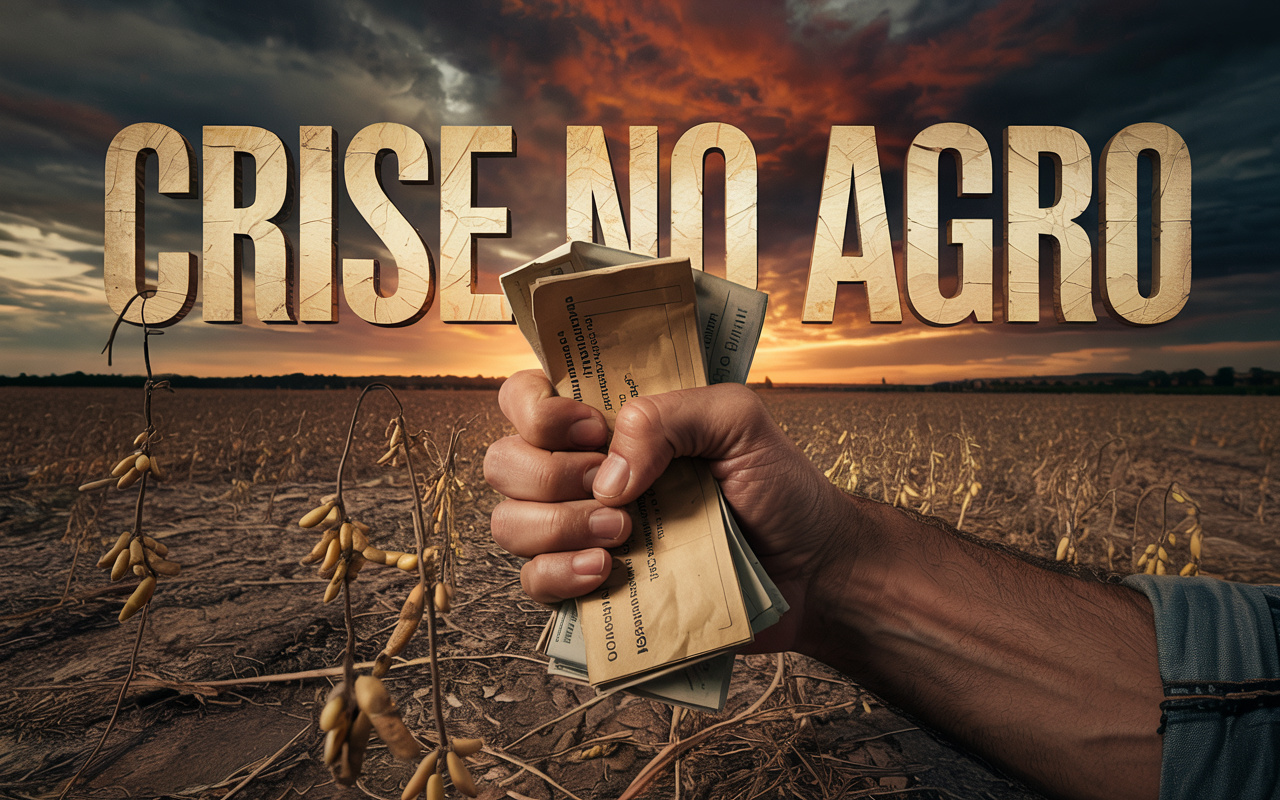
Delinquency in Brazilian Agribusiness Hits Record High and Exceeds R$ 12 Billion in Overdue Debts. Central Bank Tightens Restructuring, High Interest Rates Pressure Producers and Future Credit May Become More Restrictive.
The Brazilian agribusiness is facing a moment of alert: the sector accumulates a record level of debt and delinquency, a situation aggravated by the new requirements from the Central Bank (BC) for debt restructuring. The combination of high interest rates, falling commodity prices, and external barriers, such as the “tariff increase” imposed by the United States, pressures rural producers and agribusiness companies, increasing the risk of default and reducing the space for future credit.
Central Bank Changes Rules and Restructuring Becomes More Difficult
At the end of the first semester, the BC introduced changes to the Rural Credit Manual (MCR), imposing stricter criteria for producers to restructure their debts. Now, financial institutions must prove that the debtor is facing a temporary cash flow problem and that they have the capacity to honor repayments over time.
Furthermore, the analysis must consider the full range of the borrower’s activities, including assets that can be sold, revenues from other activities, and financial commitments undertaken in barter, CPRs, capital markets, banks, cooperatives, and trading companies.
-
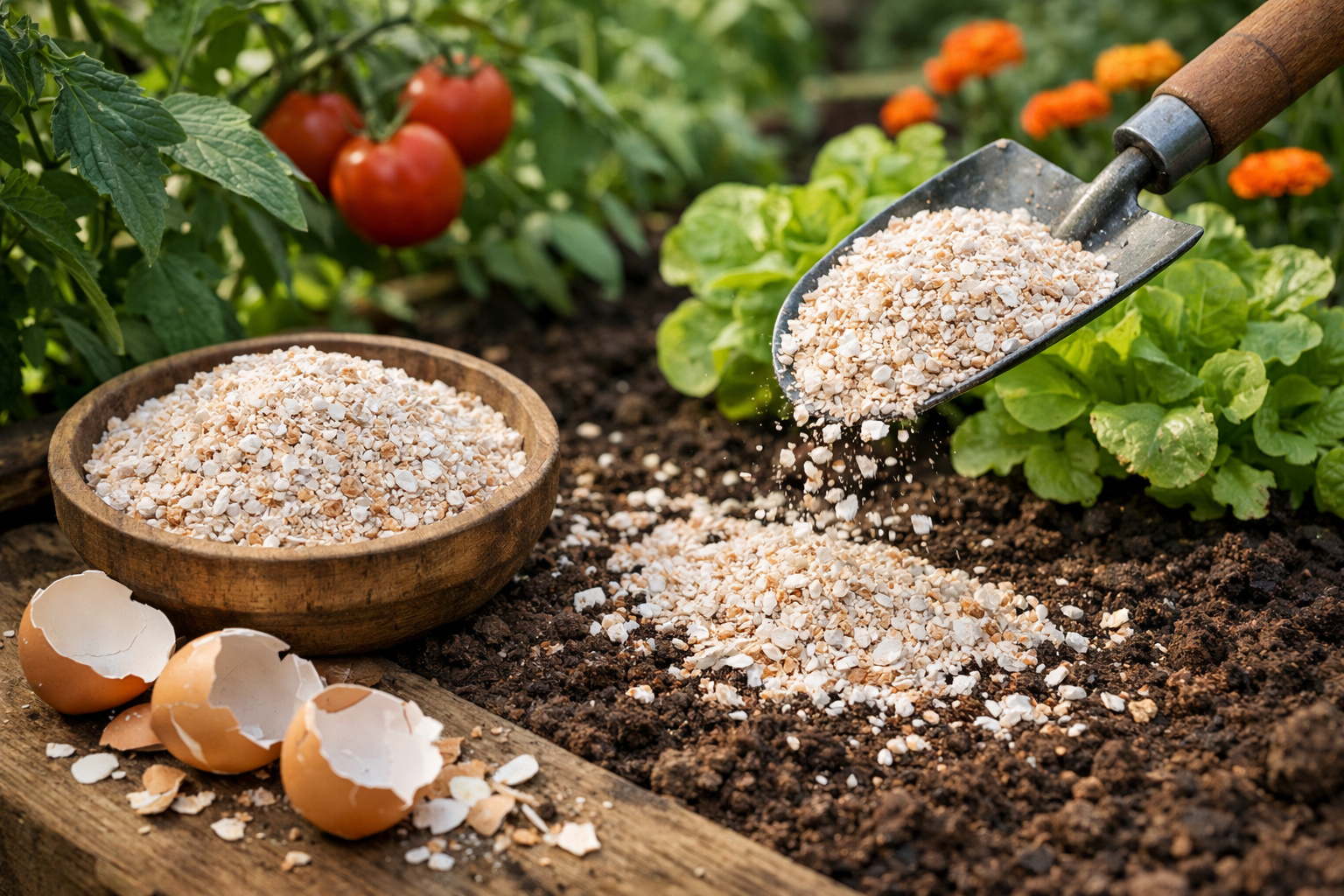
The eggshell that almost everyone throws away is made up of about 95% calcium carbonate and can help enrich the soil when crushed, slowly releasing nutrients and being reused in home gardens and vegetable patches.
-
This farm in the United States does not use sunlight, does not use soil, and produces 500 times more food per square meter than traditional agriculture: the secret lies in 42,000 LEDs, hydroponics, and a system that recycles even the heat from the lamps.

-
The water that almost everyone throws away after cooking potatoes carries nutrients released during the preparation and can be reused to help in the development of plants when used correctly at the base of gardens and pots, at no additional cost and without changing the routine.

-
The sea water temperature rose from 28 to 34 degrees in Santa Catarina and killed up to 90% of the oysters: producers who planted over 1 million seeds lost practically everything and say that if it happens again, production is doomed to end.




According to Ademiro Vian, an economist at FGV, the measure is expected to reduce the maneuvering room for producers:
“Obtaining extensions will be more difficult. The rate of delinquents will increase, limiting credit for future operations,” he warns.
Record Debt Already Affects Bank Profits
Banco do Brasil (BB), the largest financier of agribusiness, reported that the sector has failed to pay R$ 12.73 billion in debts with delays exceeding three months. This figure directly impacted the bank’s profit in the second quarter of 2024.
The president of BB, Tarciana Medeiros, was categorical:
“This is the highest level of delinquency ever seen in agribusiness in the history of Banco do Brasil.”
The institution has over R$ 404 billion in its portfolio in the sector and saw delinquency jump from less than 1% in 2023 to almost 2.5% in 2024, already approaching 4%. The highest delays are in the Midwest and South, mainly among soybean growers, corn producers, and livestock farmers.
Other banks also reinforce the warning signs. Santander, with R$ 22 billion in rural credit, admits that delinquency is likely to grow. Meanwhile, Itaú and Bradesco, which together total about R$ 210 billion in agribusiness, claim that the situation is under control but recognize that the scenario is challenging.
Interest Rates of 20% Per Year and Pressure on Producers
At Agrishow 2024, Santander’s agribusiness director, Carlos Aguiar, was already predicting difficulties:
“With interest rates at around 20% per year and falling commodity prices, producers will struggle to settle their debts.”
Months later, at the Andav Congress in São Paulo, Aguiar was even more emphatic:
“Producers need to deleverage. Sell assets, whether real estate or machinery, to get out of this debt.”

From Investment Boom to Risk of Financial Collapse
Until 2023, the Brazilian agribusiness was riding a wave of growing demand, rising prices, and controlled costs. Producers and companies took the opportunity to expand investments in land and machinery, even resorting to the capital markets. But the scenario changed quickly with:
- falling commodity prices,
- high cost of credit,
- external tariffs, and
- adverse climate events.
According to Vian, many producers went into debt without preparation:
“There were excesses in land purchases and unnecessary equipment exchanges. With current interest rates, the profitability of agribusiness does not cover the cost of the resources obtained.”
Harsh Adjustment and Scarcer Credit
Despite the critical scenario, executives from banks like Itaú and Bradesco argue that the sector has a history of recovery and should regain profitability. However, this time, there is an aggravating factor: the federal government has fewer resources to assist producers.
Experts recommend that farmers implement financial adjustment measures, including selling assets and reducing leverage, to prevent the record level of delinquency in agribusiness from turning into an even larger credit crisis.






-

-

-

4 pessoas reagiram a isso.