





 Portuguese
  English
  Spanish
  2 min of reading
  0 comments


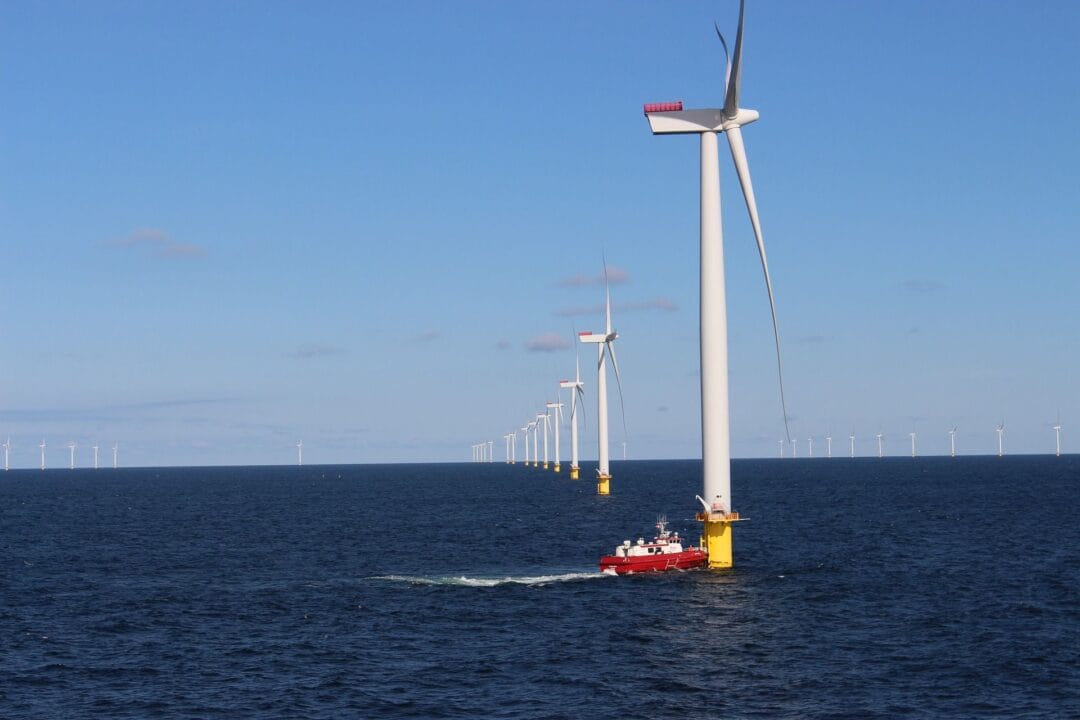
Survey Shows Impact of R$ 25 Billion/Year Until 2050 on Energy Costs Due to Bill. Renewables Have Shorter Competitiveness Deadline.
The bill (PL) for the regulation of offshore wind energy may be impacted by riders, which are provisions that do not concern this energy matrix. Luiz Barroso, former president of the Energy Research Company (EPE) and CEO of PSR, states that such undue inclusions can raise inflation and harm industry competitiveness, which concerns the sector.
According to a survey by PSR Solutions and Energy Consulting, presented at a meeting of sector entities, the amendments to the bill may have negative consequences for the regulation of offshore wind energy. The impact of these addenda may compromise the efficiency of the sector and hinder the development of this energy matrix.
The Impact of ‘Undue Inclusions’ in the PL on the Energy Matrix
According to the analysis, the measures included in the bill will have a significant impact on the cost of energy for consumers. It is estimated that these undue inclusions will cause an increase of R$ 25 billion annually until 2050, totaling R$ 658 billion over this period.
-
Renewable energy advances over protected areas in Brazil, and a survey by the Energy Transition Observatory reveals silent impacts that challenge environmental conservation and pressure sensitive traditional territories.

-
Rio Grande do Sul accelerates energy transition: State invests in renewable technologies and consolidates decarbonization strategies and pathways to attract billions in new industrial investments.

-
With 160,000 m² of collectors, an area larger than 20 football fields, Silkeborg, in Denmark, hosts a solar thermal plant that heats 19,500 homes and could become the largest solar heating plant in the world.

-
A study reveals the expansion of renewable energy procurement in Brazil and shows how companies are taking advantage of opportunities to reduce expenses, ensure energy efficiency, and strengthen strategic environmental commitments.


The Interference of the Legislative and Its Amendments in Energy Planning
The specialist consulted in the study stated that the processing of the bill represents interference by the Legislative in a responsibility shared by the Ministry of Mines and Energy and EPE, which is the implementation of the country’s energy planning.
The Impact of the Amendments in the PL on Thermal Power Plants and Renewable Energies
Among the criticized amendments, the hiring of inflexible natural gas thermal plants and the postponement of the deadline for renewable energy generators to obtain subsidies stand out, which are identified as causing significant direct impact on energy costs. The individual impact of each of these amendments until 2050 is estimated to be considerable. The amendments in question are:
- Contracting of inflexible natural gas thermal power plants: R$ 155 billion
- Postponement of the deadline for renewables to become operational with subsidies: R$ 113 billion
- Specific contracting of small hydropower plants: R$ 140 billion
- Postponement of the deadline for MMGD to become operational with subsidies: R$ 101 billion
- Maintaining the operation of coal thermal power plants: R$ 92 billion
- Construction of a hydrogen plant: R$ 28 billion
- Extension of Proinfa contracts: R$ 24 billion
- Specific contracting for wind power in the South: R$ 5 billion
Source: CNN Brasil










Seja o primeiro a reagir!