






 Portuguese
  Spanish
  4 min of reading


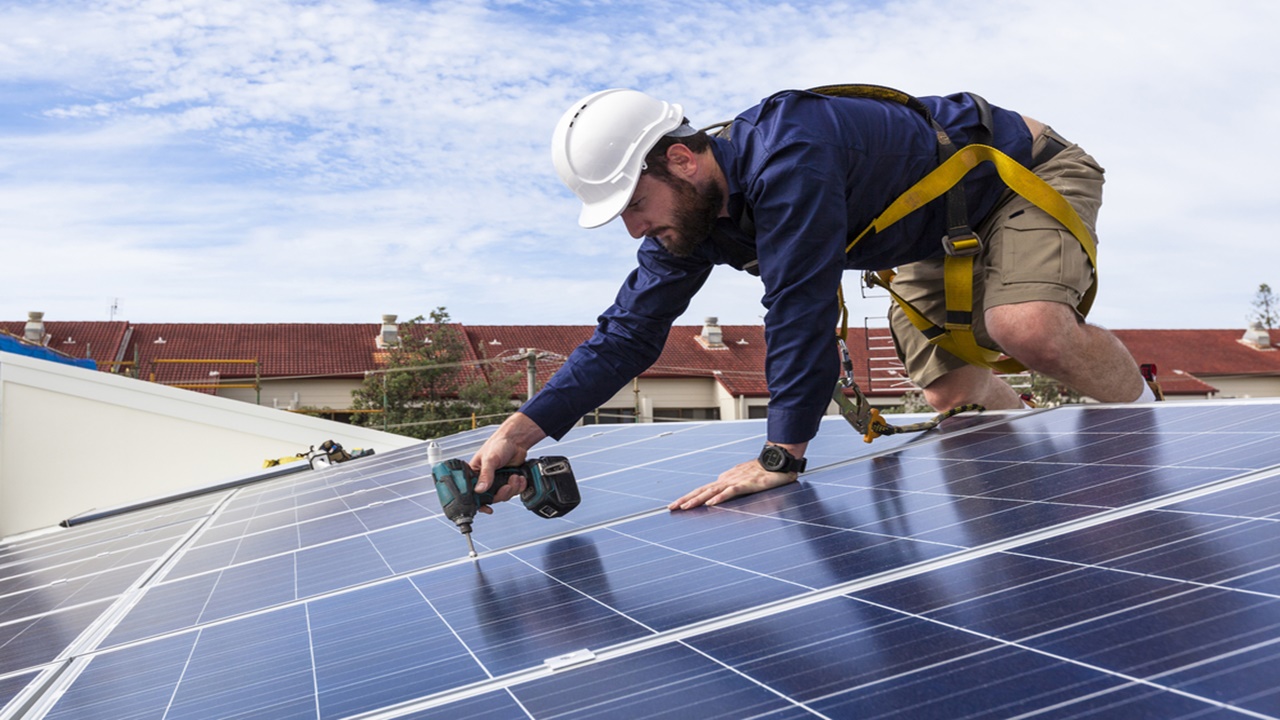
Brazil Surpassed 100 Gigawatts of Operational Capacity in Solar Power Plants, More Than the Power of the Itaipu Hydroelectric Plant, Second Largest in the World.
Solar energy had a boom in 2021. The drop in rainfall, the fear of rationing, and the increase in energy costs, due to successive tariff flags, have led consumers to adopt new technology. Currently, over 1 million Brazilians use the sun to generate their own electricity (with 46.3 gigawatts produced). These are people helping the environment with a clean matrix, while also paying little every month on their electricity bills.
Investment in solar energy can reduce electricity bills by up to 95%, and the installation costs, which are much lower than in the past, are offset in an average of five years. Even those without suitable rooftop space or who live in apartments can benefit from the technology by renting electricity from a local power plant.
According to the Absolar (Brazilian Association of Photovoltaic Solar Energy), Brazil has surpassed the mark of 100 gigawatts of operational capacity in large plants and in small and medium systems installed on roofs, facades, and lands across the country. This number, difficult to understand, represents more than the power of the Itaipu hydropower plant, the second largest in the world.
-
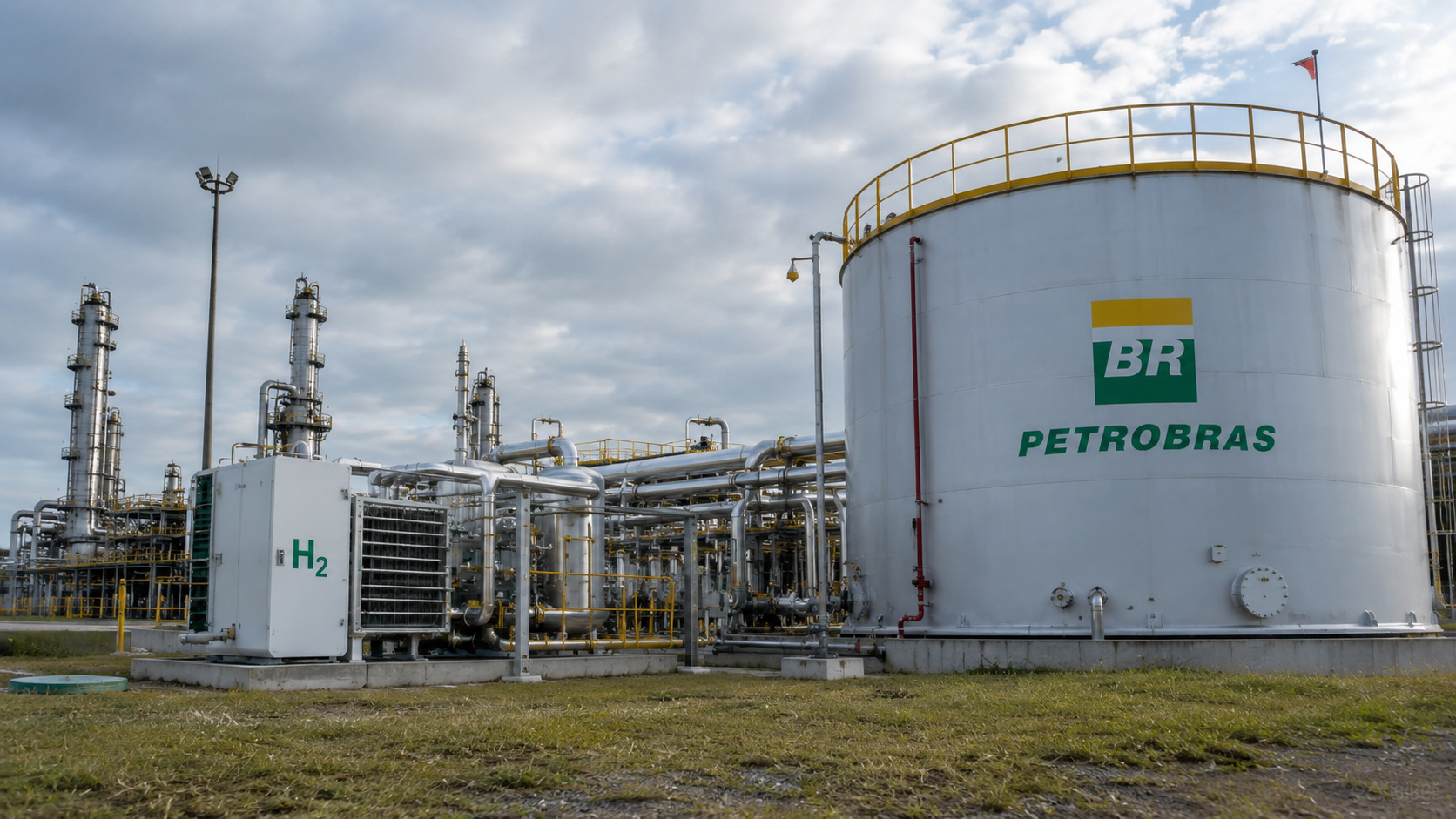
Advancement in renewable energy: A R$ 150 million project launched by Petrobras and Finep aims to create state-of-the-art electrolyzers for green hydrogen, strengthening national research and preparing Brazil to compete in a billion-dollar energy market.

-
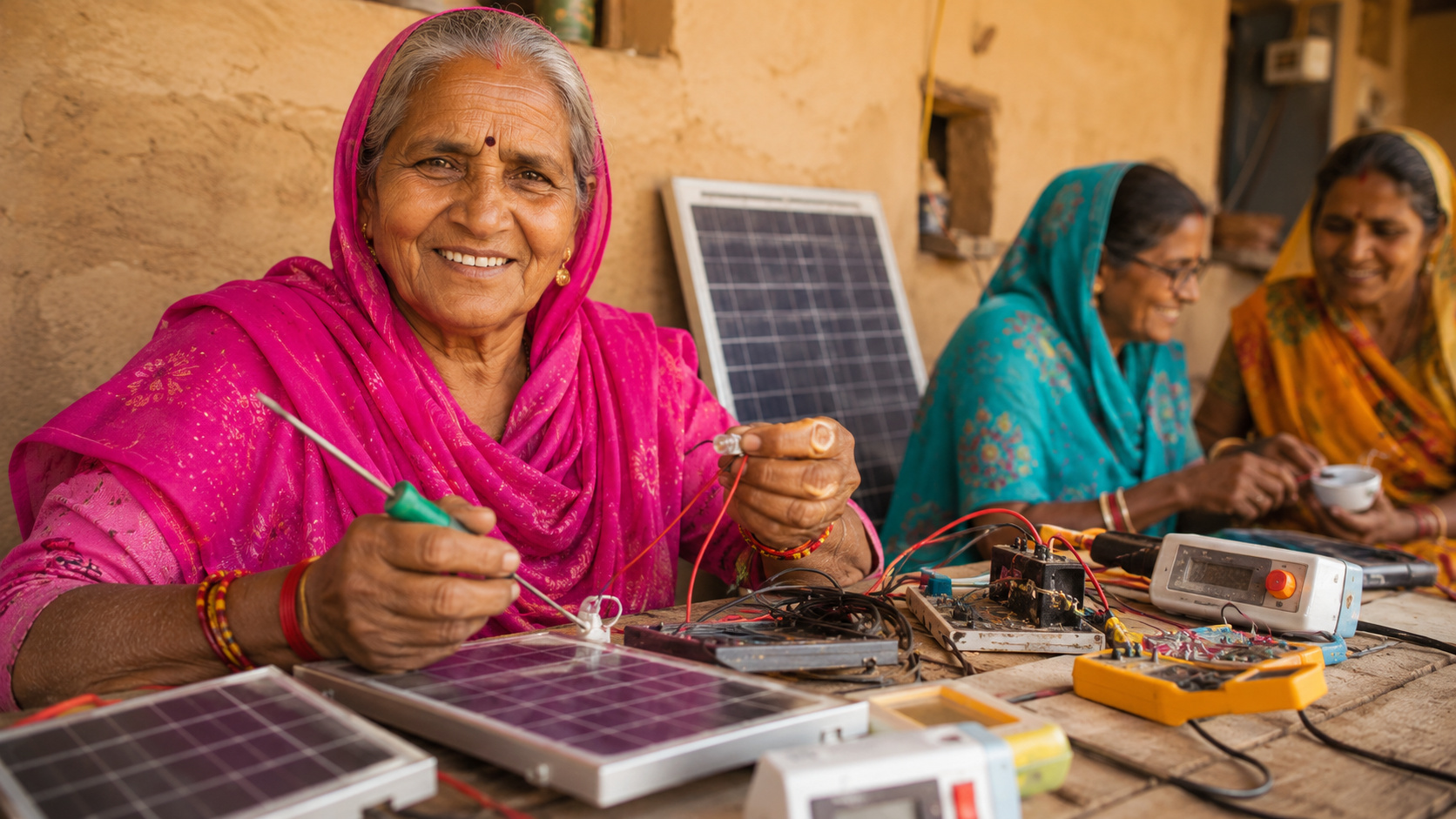
Illiterate or semi-literate grandmothers were trained to repair solar systems, open rural workshops, and light up homes that still depended on kerosene.
-
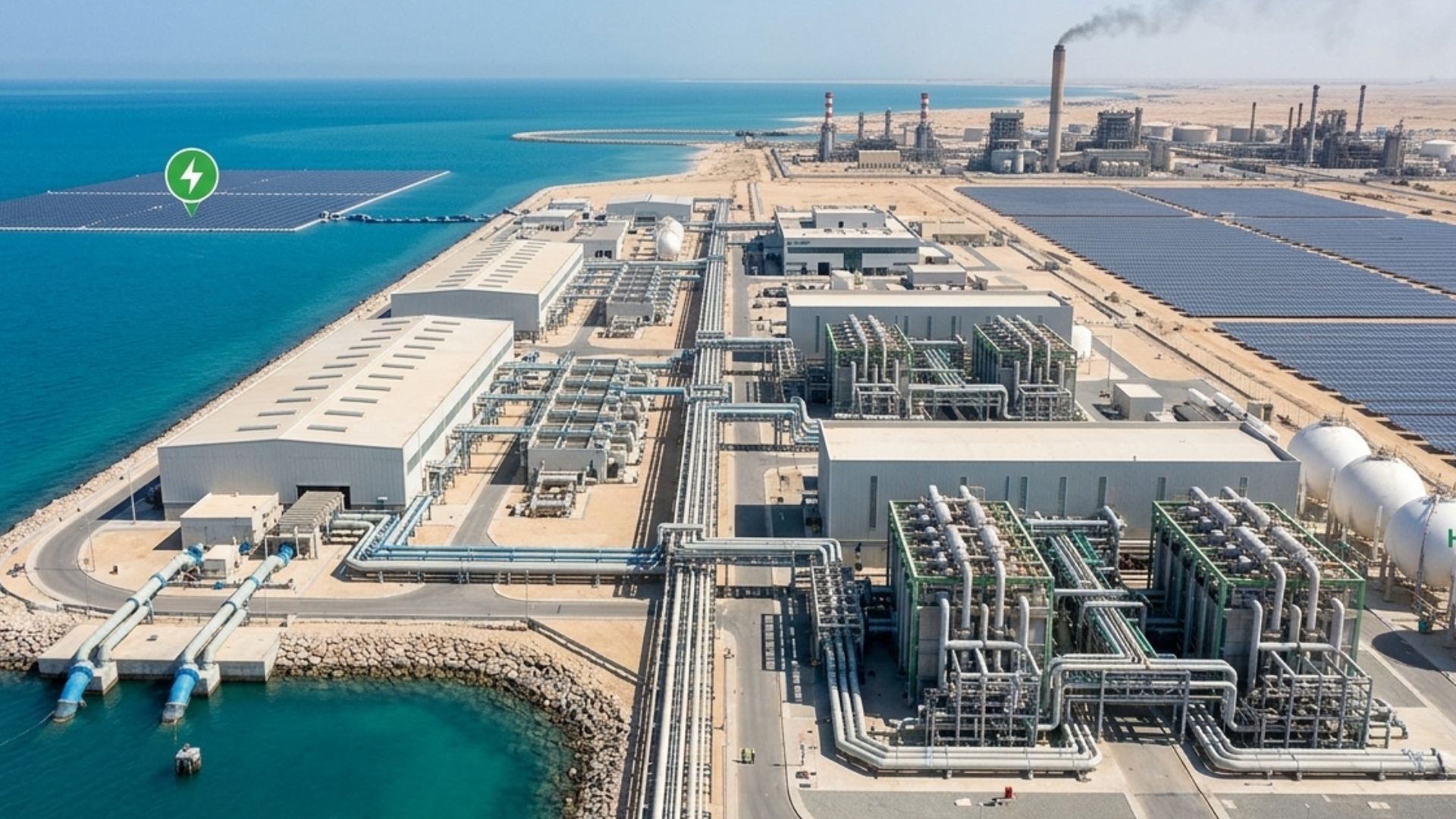
The world has bet on green hydrogen as the fuel of the future, but now faces the side effect: producing 1 kilogram requires about 9 liters of ultrapure water, and the largest projects on the planet are precisely in the driest regions of the Earth, where water is already scarce for people.

-
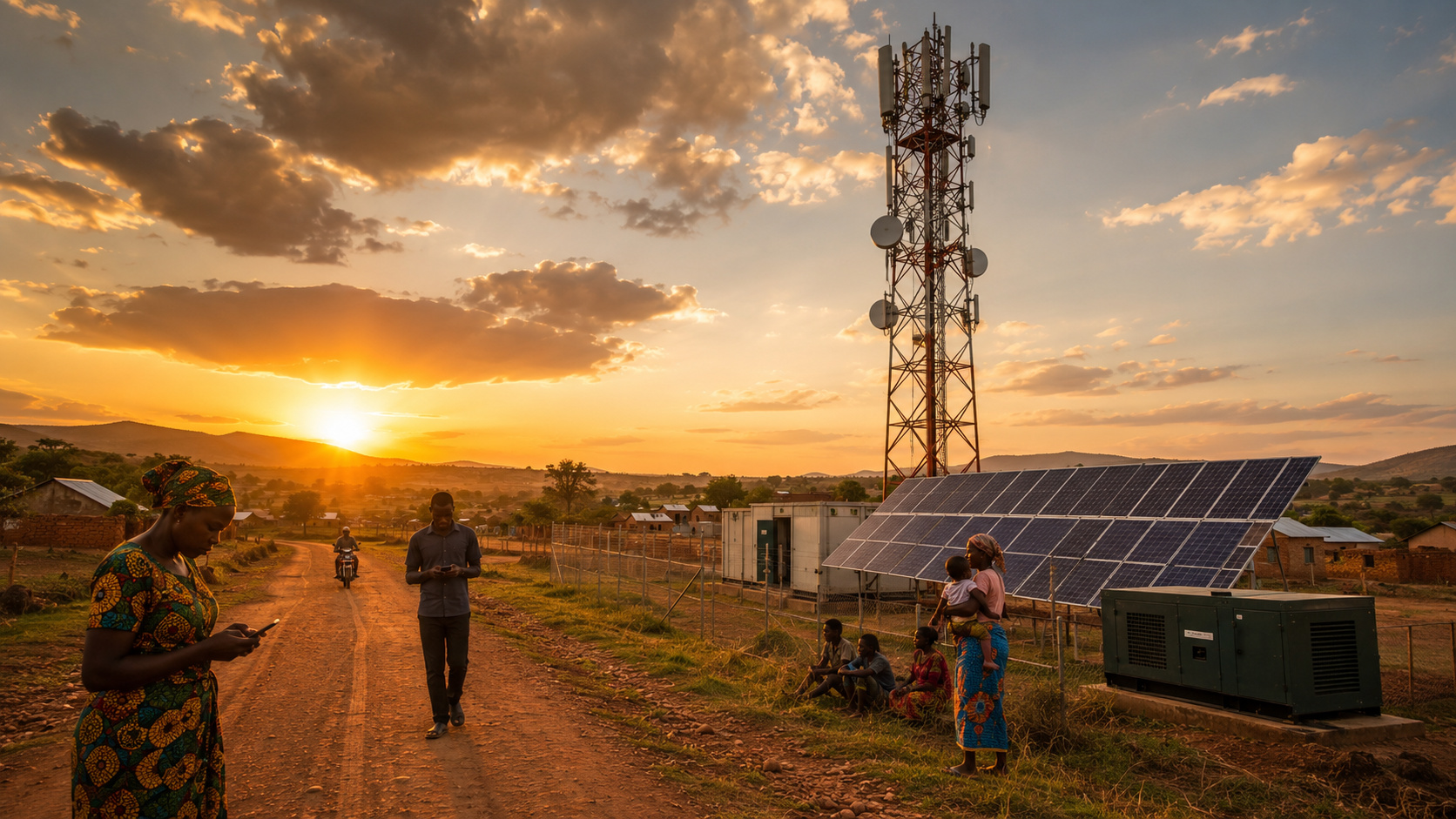
Africa has about 500,000 cell towers and most still burn diesel to operate, while companies rush to cover antennas with solar energy and avoid signal blackouts.
Solar Energy is for Those With or Without Available Roofs
Those who do not have a roof to install panels on or do not want to pay the initial installation cost can still lend a hand to nature by hiring companies that capture solar light and connect it to the local distributor’s system.
To do this, just find a nearby producer and contract the service for the desired duration. In this case, the bill reduction is between 10% and 15%.
João Albino, 58, installed the panels on the roof of his house in São Paulo six months ago. According to him, he thought more about nature than his wallet, but he has no complaints regarding any of these aspects.
“I used to pay an average of R$ 1,200 for my electricity bill, and now I only receive the minimum tariff, which is less than R$ 200. For me, there’s no reason to think twice. In the months when I spend less than I generate, the excess turns into credit, and I can use it during a period when, for some reason, I need to use more.”
The credit is also used at night, every day. So, if the panels generate 10 kilowatts in the morning and afternoon and the resident only uses 7, the remainder (3) is available for nighttime use. At the end of the month, the total generated and used is calculated: if there’s a surplus, it can be used in later months; if more was consumed than generated, the difference is paid at the regular rate of the utility company.
The initial analysis is based on the expenses of the last twelve months in the house and includes a question about what the consumer intends to do in the future that may impact energy use. For example, if they’re planning to have a child or buy other equipment, it may be advisable to expand energy generation.
Installation Costs for Solar Panels Are Decreasing and Can Be Financed by Banks
The price to install panels has dropped significantly in recent years, and the current amounts can even be obtained through bank financing. In addition to various credit lines from banks for solar energy, consumers need to consider that the return is quick and that in at least 80% of cases, the financing installment is cheaper than the electricity bill they pay.
The electricity bill is not completely zeroed out because distributors charge small fees from all consumers, such as for network usage or street lighting.
The drop in equipment prices due to technological development has been 90% over the last ten years, and the average efficiency per square meter has increased by nearly 50%. There is no longer a reason for it not to win the hearts of Brazilians.
Even in places like the Southern region, installation is feasible. There is an urban legend that solar panels only work with sunlight. This is untrue; they generate energy from radiation. Just like someone who goes to the beach and gets sunburned, the panel captures energy even without sunlight.
I would love to know if you use solar energy. Share your experience with us in the comments section. Don’t forget to leave 5 stars and activate notifications from CPG to keep up with all the news in the world of renewable energy. Until next time!








Be the first to react!