





 Portuguese
  English
  Spanish
  5 min of reading
  0 comments


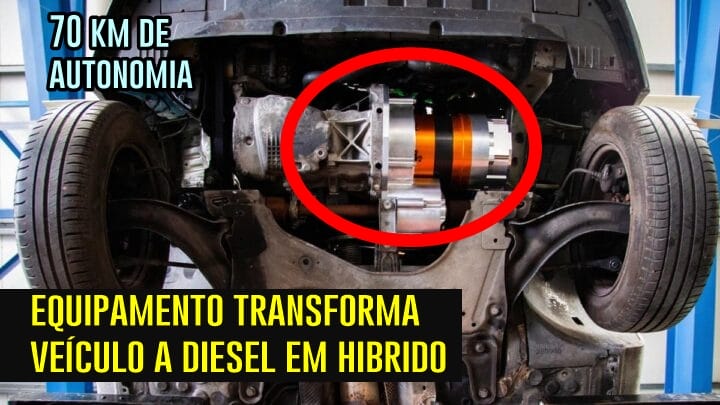
The Possibility of Converting Diesel Cars into Plug-in Hybrids is Already a Reality. See How This Solution Can Ensure 70 Km of Range and Transform the Efficiency of Conventional Vehicles!
The Dieselgate scandal, a global incident that erupted in 2015, marked a significant turning point in the history of diesel engines. What was once seen as an effective solution in terms of efficiency and reduction of CO2 emissions soon revealed itself to be a large-scale fraud.
The manipulation of emission control systems to mask high levels of nitrogen oxides profoundly shook the automotive industry, triggering a crisis of trust between consumers and governments.
This event not only tarnished the reputation of diesel engines but also accelerated the decline of this technology worldwide. This is due to the growing concern about air quality in large cities and the rapid development of alternative technologies, such as hybrid and electric vehicles.
-
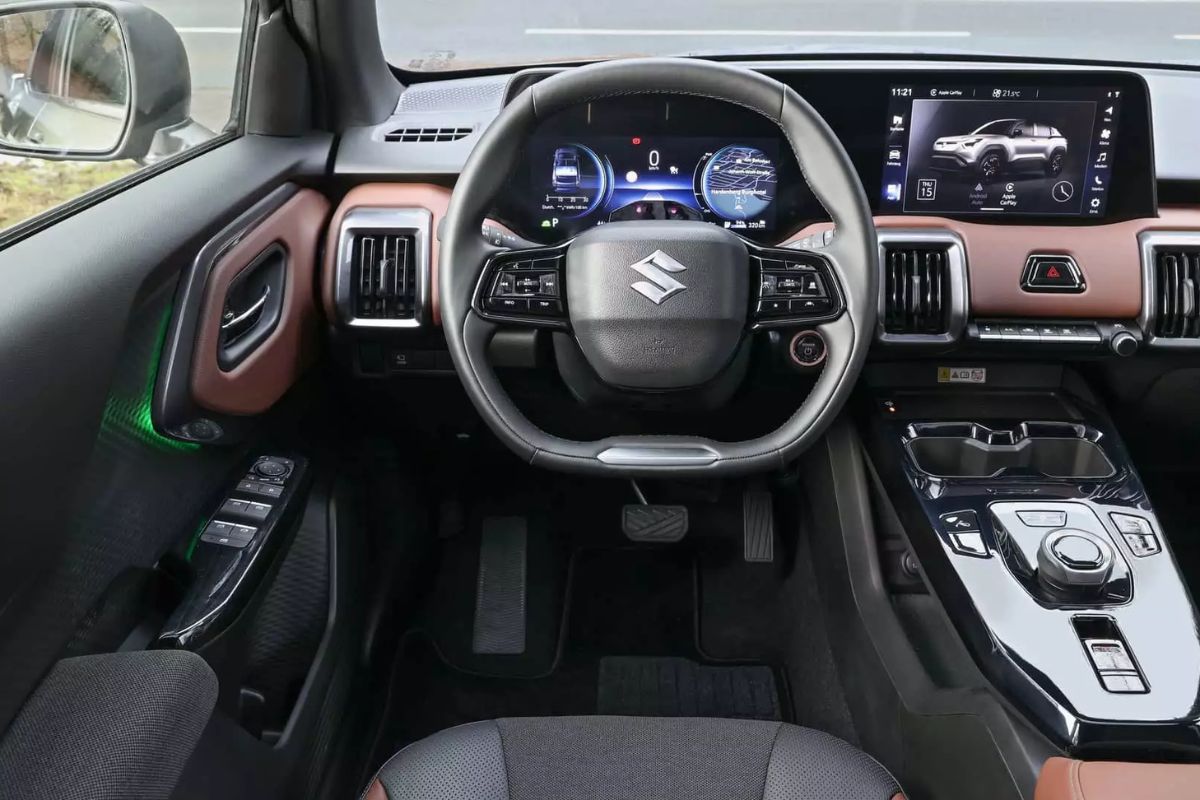
The 2026 electric Vitara arrives in Brazil and proves that Suzuki is not leaving: 4×4 traction, 184 hp, 61 kWh LFP battery, 293 km range, R$ 259,000, and a trunk capacity of 224 L.
-
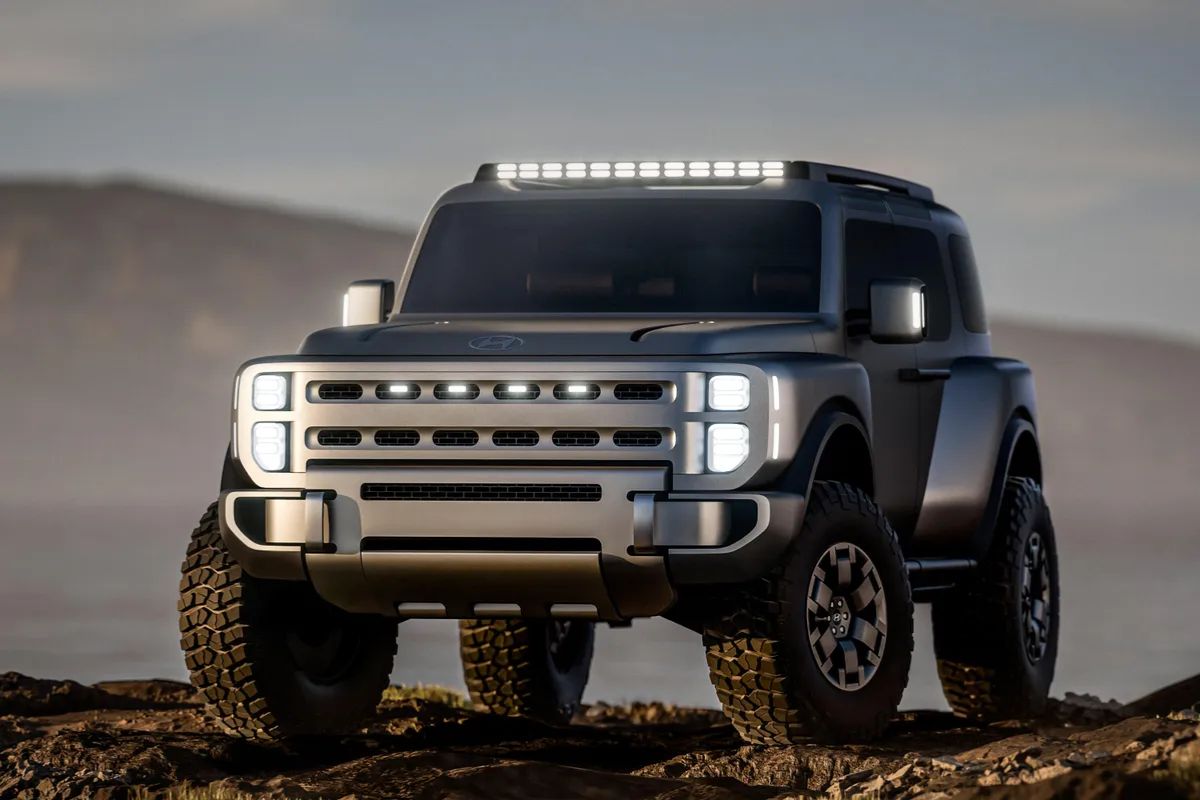
Hyundai has unveiled the Boulder, a square SUV with a body-on-frame design, 37-inch mud tires, and carriage-style doors that seems to be made to take on the Ford Bronco and the Scout Traveller in the United States.
-
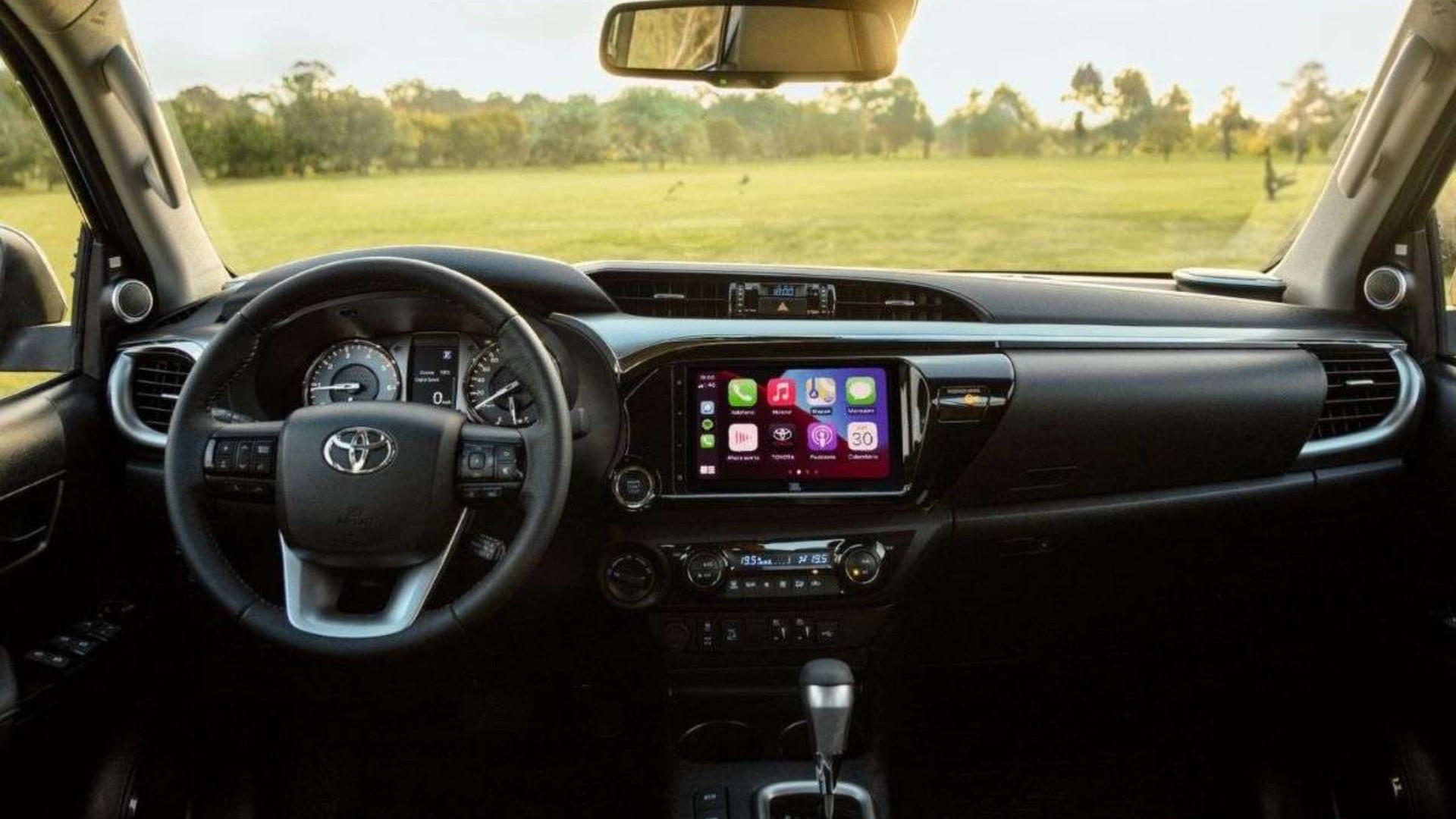
The Toyota Hilux is R$ 75.5 thousand cheaper and bets on the 2.8 turbodiesel engine with up to 204 hp and 50.9 kgfm to catch up with the VW Saveiro, which leads with 4,472 sales.
-
The new Renault Koleos has a screen exclusively for the passenger that is invisible to the driver, heated rear seats, and 29 assistance systems, but its Chinese competitors cost R$ 40,000 less and deliver more power.
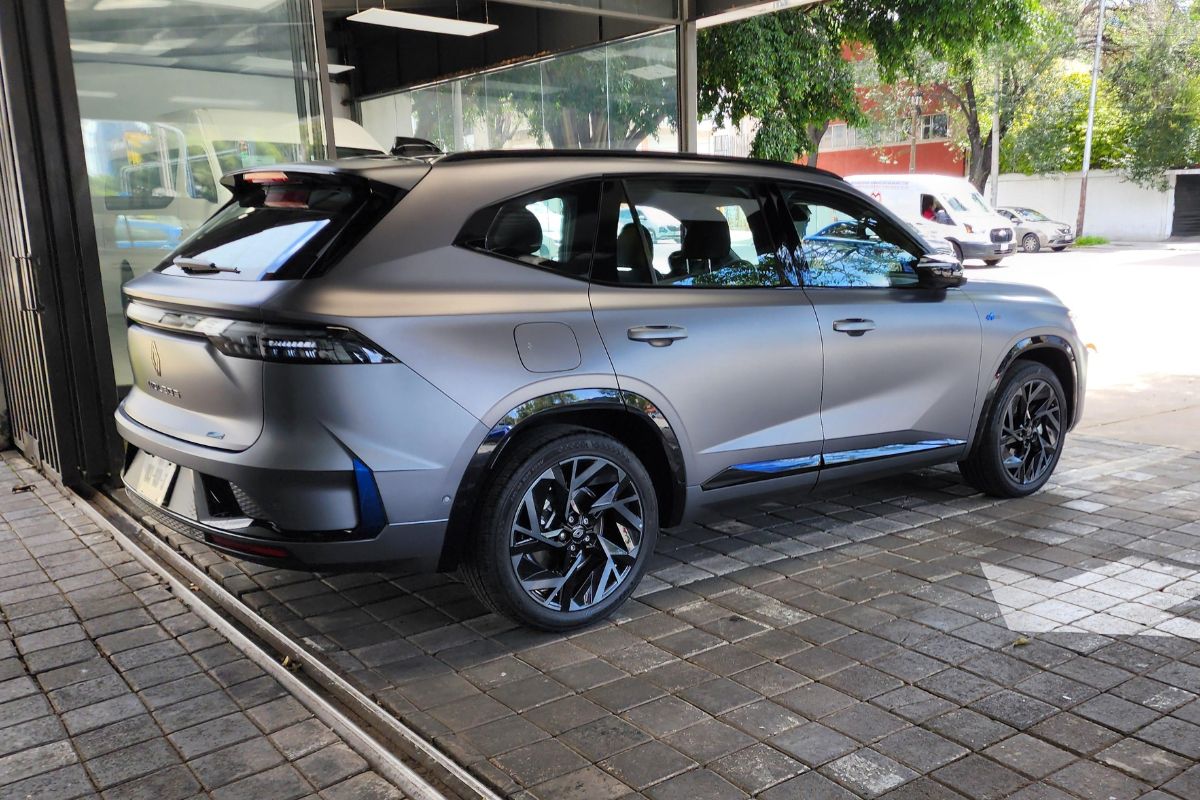

However, the evolution of the automotive sector has gone beyond the simple decline of diesel. The crisis of trust caused by Dieselgate led to a search for more sustainable options, particularly in a context of increasing global commitment to decarbonization.
Hybrid and Electric Vehicles Gain Strength
Since the scandal, the market for hybrid and electric vehicles began to grow rapidly. This growth was driven not only by the increasing technological efficiency of batteries and the improvement of charging infrastructure but also by government incentives.
Many countries began to offer significant subsidies for those who opted to purchase vehicles with lower pollutant emissions, which helped to foster market growth.
Today, it is increasingly common to see electric and hybrid cars on the streets, while diesel engines are losing ground. This movement is no coincidence; in addition to the incentives, the ban on the sale of internal combustion engine cars planned for 2035 in Europe is one of the main motivators.
Car manufacturers have also adapted to new demands and, in many cases, completely eliminated diesel options from their portfolios.
Innovative Solution: The Conversion Kit for Diesel Vehicles
Although the decline of diesel cars seems inevitable, many people still own and rely on these vehicles, whether for financial reasons or due to a lack of viable alternatives.
It is in this context that an innovative solution emerges, led by the French company Green Corp Konnection (GCK). GCK is developing a conversion kit that transforms diesel cars into hybrid vehicles, with the promise of being an affordable option for many consumers.
What is the Twin-E Conversion Kit?
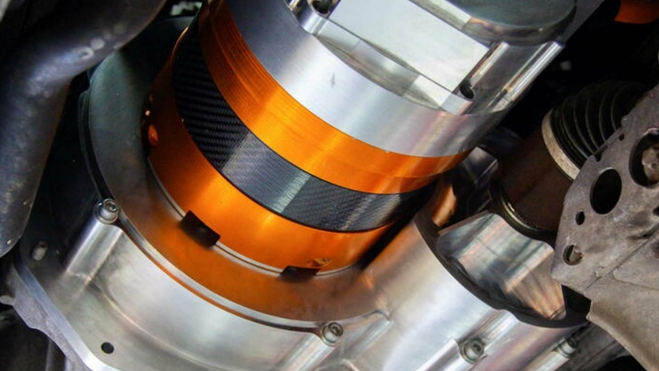
The Twin-E is a conversion kit that is in its final development phase and aims to transform diesel-powered cars into hybrid vehicles, without the need for drastic alterations to the original vehicle system.
This solution is particularly advantageous, as the estimated cost of the kit is well below the price of a new car.
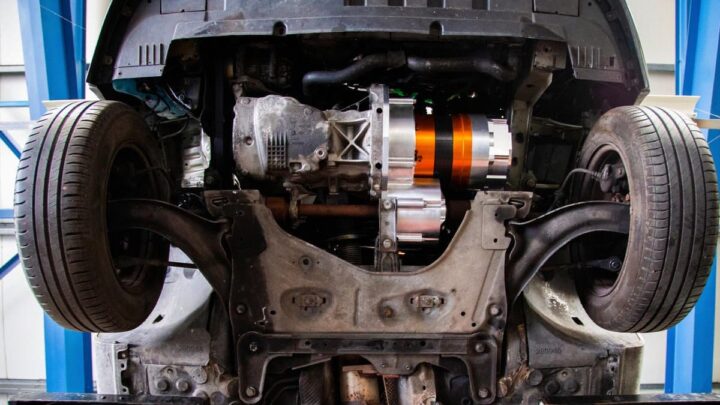
The kit consists of an electric motor that replaces the original gearbox, and a battery that offers an electric range of up to 70 km. In addition, an energy regeneration system is capable of partially recharging the battery during braking, contributing to energy savings.
The installation of the kit takes one day and requires only a basic workshop, making it easier for consumers to adopt it.
Additionally, the French government has shown support for the project, aiming to accelerate the transformation of its automotive fleet and meet the environmental goals of the European Union.
Government support may also include subsidies for the conversion, which would help further reduce costs for vehicle owners.
How Does the Twin-E Work in Practice?
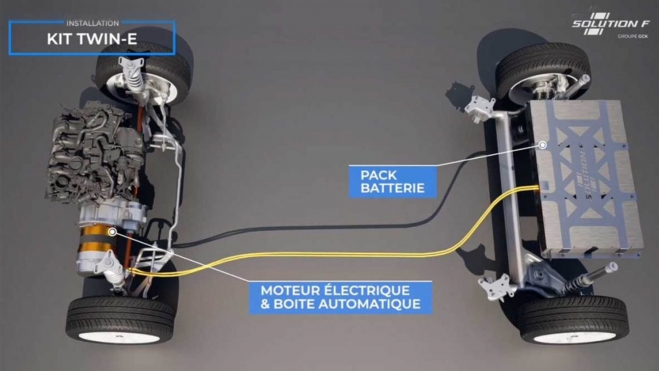
The installation of the kit transforms the diesel vehicle into an automatic car, and a digital screen allows the driver to choose between three driving modes: electric, thermal (diesel), or a combination of both engines.
The electric mode is ideal for short trips, with a maximum speed of 70 km/h, while the thermal mode allows the vehicle to make longer journeys. The combination of both helps save fuel and reduce CO2 emissions.
So far, practical tests with the Twin-E have demonstrated a considerable reduction in fuel consumption — about 1.4 liters per 100 km — and in pollutant emissions, which reached 39 g/km of CO2. These results show the potential of the Twin-E as an alternative to extend the lifespan of diesel vehicles, making them more sustainable.
The Challenge of Homologation
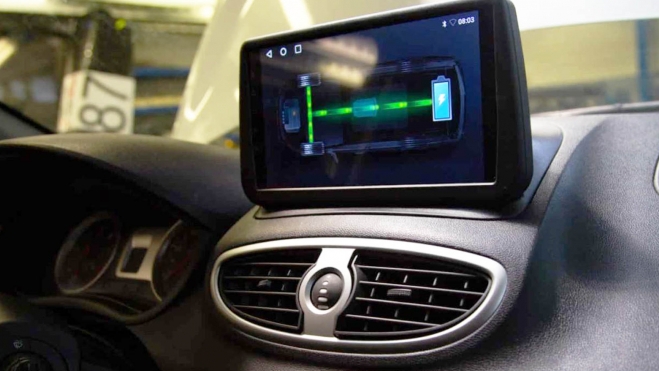
Despite its promises, the Twin-E still needs to undergo the homologation process to ensure it meets European safety and emissions standards. In France, converted cars will be eligible to receive a Crit’Air sticker, equivalent to the ECO sticker in Spain, which allows access to Low Emission Zones.
The implementation of this technology may represent an interesting alternative for those wishing to keep an older vehicle without giving up adapting to new environmental requirements. However, market acceptance will depend on the success of the homologation process, price competitiveness, and available subsidies.
Ultimately, the Dieselgate scandal triggered a series of changes in the automotive industry, driving the adoption of more sustainable technologies and accelerating the decline of diesel engines.
Although electric and hybrid vehicles are rapidly gaining ground, solutions like the Twin-E kit may represent an interesting middle path for those who wish to embrace green mobility but cannot afford the costs of a new car.
Thus, the transition to a cleaner future is not limited to the total replacement of old cars, but also finding creative and viable ways to adapt the current fleet to new environmental and technological realities.
The success of the Twin-E may become an important milestone in this transition process, helping to make cities less polluted and contributing to a more sustainable future.









Seja o primeiro a reagir!