





 Portuguese
  English
  Spanish
  3 min of reading
  0 comments



Indian Drivers Criticize Mandatory Adoption of E20 Fuel, Pointing to Performance Decline, Poor Communication from Manufacturers and Judicialization of Energy Policy
The launch of fuel blended with 20% ethanol, known as E20, has become a topic of debate in India. Although it is safe for use, the blend reduces vehicle mileage by 2% to 4%, according to data presented by the Society of Indian Automobile Manufacturers (Siam).
However, the measure directly affects drivers across the country, as E20 has become the only option available at nearly all gas stations.
The decision is part of Prime Minister Narendra Modi’s plan to expand the use of “clean” energy and achieve the goal of a 20% blend by 2025.
-
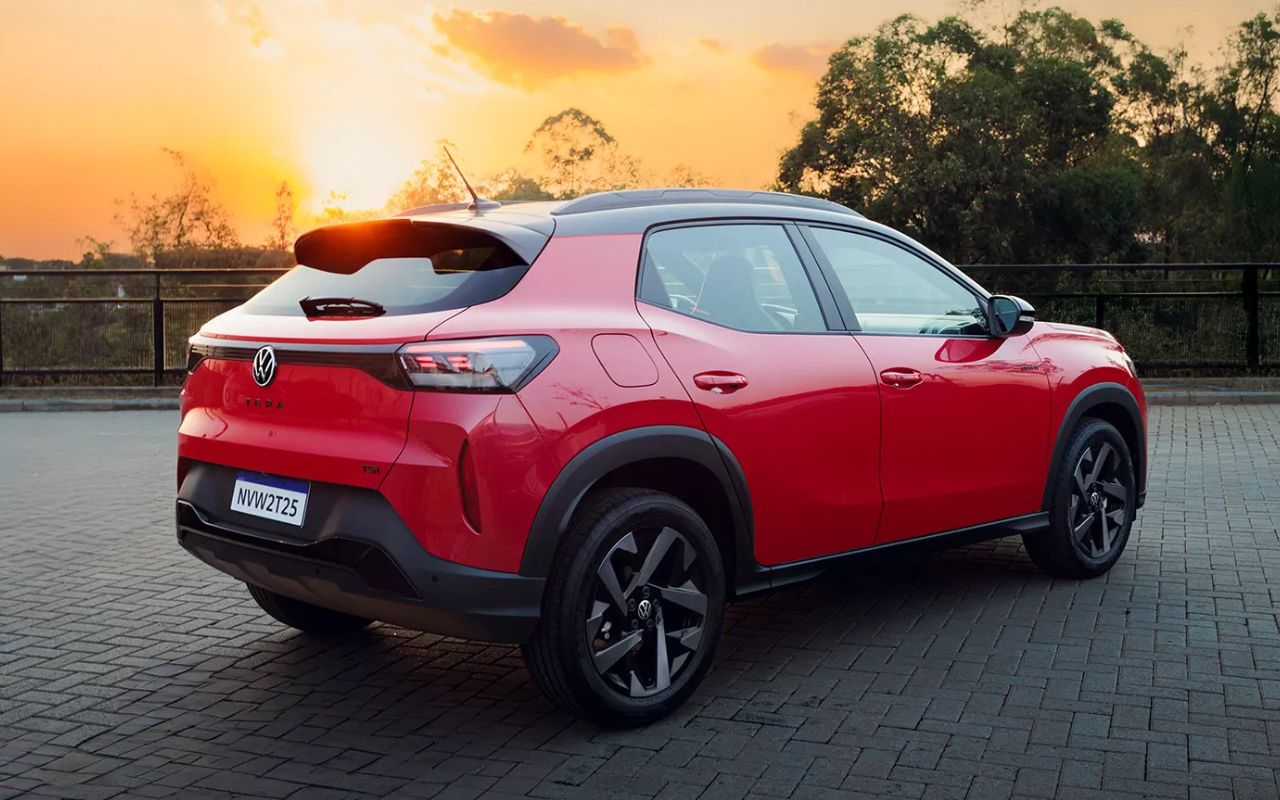
It surpassed the T-Cross, Creta, and Tracker: with nearly 8,000 units sold, the Volkswagen Tera was the best-selling SUV in March 2026.
-
Honda performs miracles in fuel consumption with a hatch that marks 13.2 km/l in the city and 15 km/l on the highway, leaving Polo, HB20, 208, and Onix behind and becoming a reference among compact cars without resorting to turbo or hybrid systems.

-
Six diseases that seem common but can prevent the renewal of the driver’s license for the elderly throughout Brazil and surprise experienced drivers — could any of them affect you without showing clear signs?

-
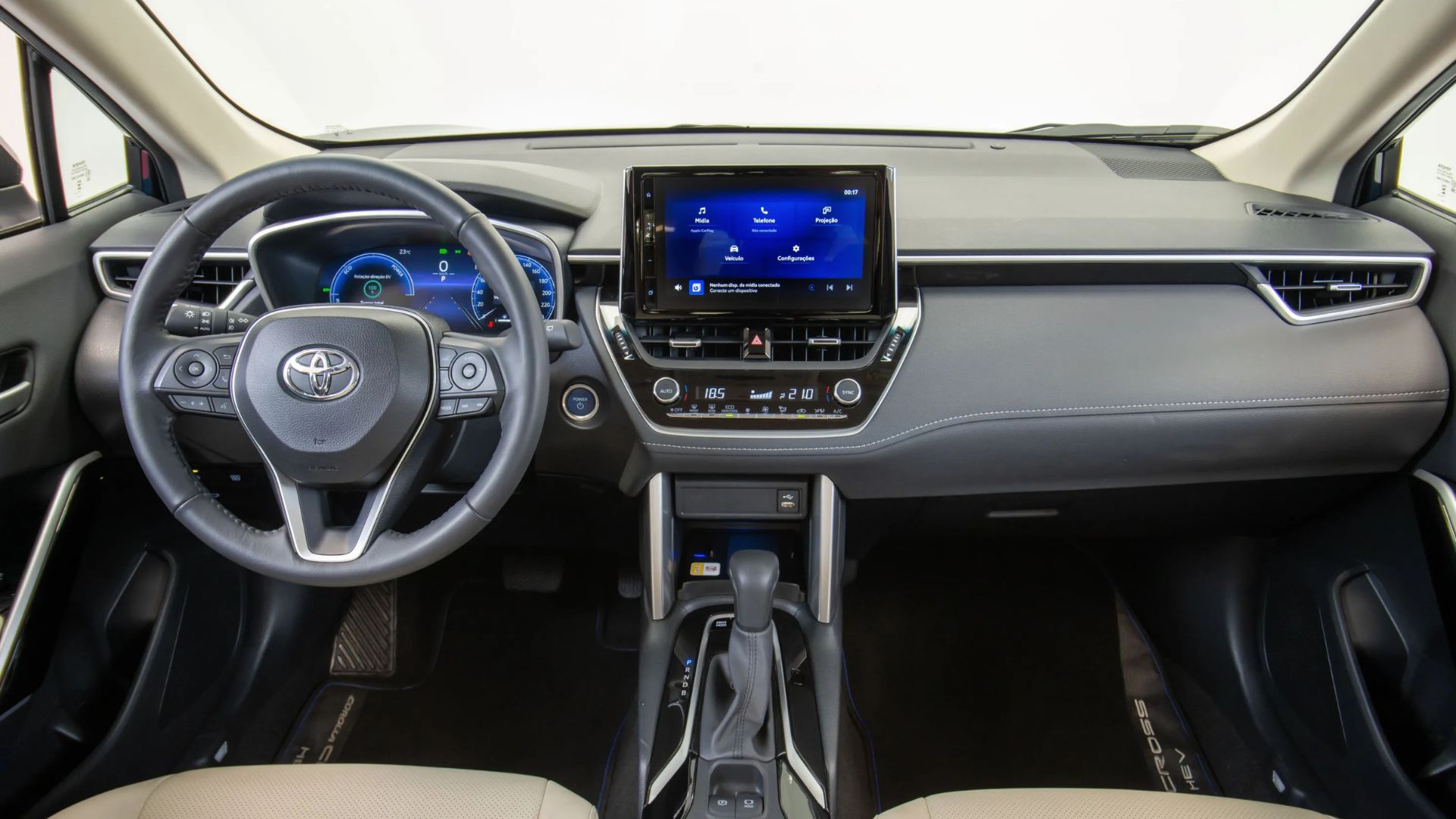
With 122 hp, fuel consumption of up to 17.7 km/l, and a trunk capacity of 440 liters, this hybrid SUV impresses even though it costs up to R$ 47,000 more than the Yaris — meet the Toyota Corolla Cross.

Safety Guaranteed by Manufacturers
P.K. Banerjee, executive director of Siam, stated at an event held in New Delhi that there is no risk to vehicle safety.
He emphasized that millions of automobiles are already running on the fuel and no serious faults have been reported.
Banerjee also declared that if problems arise, manufacturers will honor warranties and insurances.
The organization represents manufacturers such as Maruti Suzuki, Hyundai, Mahindra & Mahindra, Tata Motors, and Toyota.
Therefore, the promise is of total support to the consumer, even though there is a perception of performance loss.
E20: Discrepancies Over Impact on Consumption
The claims that E20 would reduce efficiency by up to 50% were classified as unfounded. Banerjee explained that scientific studies in controlled environments indicate a decline of only 2% to 4%.
Moreover, industry executives reminded that real driving conditions can yield different results.
C.V. Raman, a member of the executive committee at Maruti Suzuki, pointed out that factors such as maintenance and driving style directly influence results.
Thus, the discrepancy between theory and practice may exacerbate negative perceptions among drivers.
Drivers Without Alternatives
The E20 fuel has been implemented since 2023. Prior to it, blends such as E5 and E10 were offered and considered more suitable for older vehicles. However, these options have disappeared from nearly all 90,000 gas stations in the country.
This change eliminated alternatives for consumers, who now rely exclusively on the new standard.
The measure has provoked criticism on social media, where drivers report a significant drop in performance and express dissatisfaction with the imposition.
Confusing Communication and Judicial Reaction
Initially, the manufacturers themselves stated that E20 had not been tested in older vehicles. Shortly afterward, they changed their position and assured the safety of the blend. This back-and-forth increased public irritation.
Furthermore, consumer groups claim that the guidance provided was confusing, with no consistent clarifications regarding long-term risks.
As a result, a public interest lawsuit against the measure will be heard in the Supreme Court next Monday.
The decision could influence the future of energy policy and supply in the third largest automotive market in the world.
With information from Info Money.








-

Uma pessoa reagiu a isso.