






 Portuguese


Failures in Bridges, Overpasses, and Pavements Built in 2025 and 2026 Led the Indian Government to Dismiss Employees, Penalize Those Responsible, and Demand Repairs from Associated Companies.
Eleven officials were dismissed after problems affected 19 national road projects in India. What went wrong with these roads? Reports include collapses, settlements, potholes, cracks, and deformations in structures built or opened to traffic between 2025 and 2026.
Another 11 officials received disciplinary measures. The investigation was reported by VnExpress International, an international news portal in English. The issues affected bridges, overpasses, and highways, including sections of the Delhi Mumbai Expressway, a corridor approximately 1,400 kilometers long.
The Failures Impacted New Roads, Bridges, and Elevated Corridors
The problems appeared in different parts of the country. Seven of the 19 affected projects are located in Kerala, where a 250-meter elevated section of National Highway 66 collapsed in Kooriyad, in the Malappuram region, on May 19, 2025.
-
R$15 Billion Railway Connects Brazil’s Northeast with 1,206 Kilometers of Tracks Planned Between Piauí’s Production Areas and Ceará’s Coast, Passing Through Pernambuco and 53 Municipalities

-
Couple Spent $5,000 on a 40-Foot School Bus Purchased on eBay, Spent Less Than Three Years Transforming It with Their Own Hands and YouTube Videos, Invested About $40,000 in Renovations, and Now Lives on the Road Spending Approximately One-Third of What They Did in a Traditional Home
-
Six Years of Calculation Culminate in a Supersonic Breakthrough: Gravity-Driven Trebuchet Hits 776 mph
-
How Much It Costs to Build 3 Attached Houses of 50 m² on the Same Lot, What the Monthly Rent Is, and Why Costs Change on Sloped Land


In this case, the foundation soil could not support the weight of the embankment built above. The Indian Highway Authority removed the site engineer, suspended the project director, and ordered the responsible company to clear the debris and rebuild the passage as an overpass, using their own resources.
The reconstructed section was completed and was set to reopen in May 2026. The solution demonstrates that the response was not limited to just filling cracks; the design of the structure had to change to reduce the load placed on the ground.
Rain Revealed Incomplete Drainage and Defects That Were Already Hidden
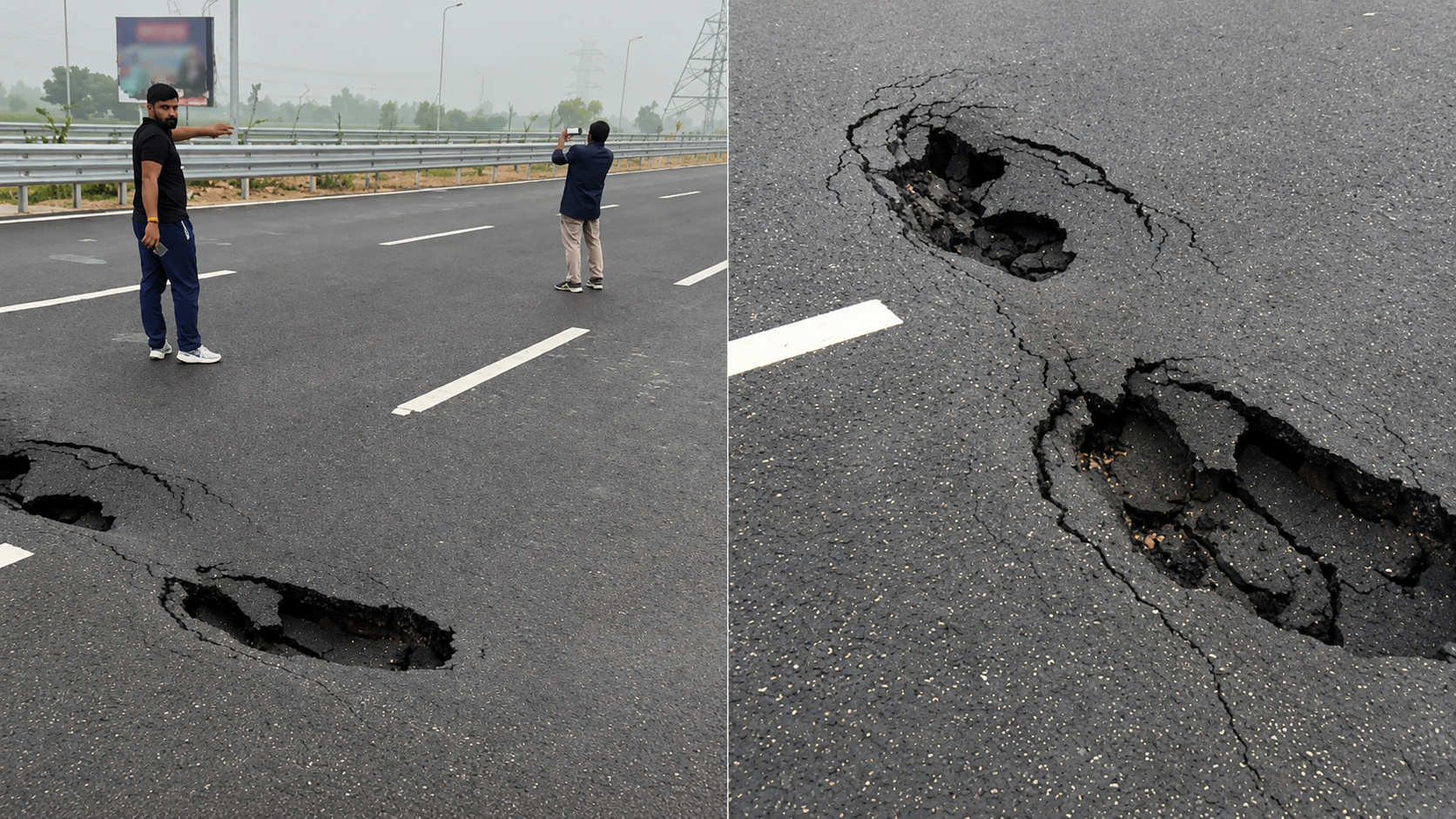
On the Delhi Dehradun Expressway, two large potholes opened near Shamli in the state of Uttar Pradesh on July 1, 2026. The highway had been inaugurated on April 14, less than three months prior to the issue.
Water from the first monsoon rain accumulated on the road. The permanent system designed to drain this water was not functional yet. A passage intended for drainage also did not operate because locals were using the opening to cross with vehicles.
Slope protection works and drainage channels remained unfinished due to a land dispute. A temporary drain was installed, the section was repaired, and it resumed operation within a few days, while the permanent solution continued to be implemented.
This situation underscores why drainage is not a minor detail. When water has no outlet, it accumulates under or on top of the pavement, reducing the resistance of the road and accelerating the opening of potholes and deformations.
The 19 Projects Did Not Fail Due to a Single Cause
There is no single documented cause for all cases. Records indicate varying issues, such as soil lacking the ability to support a landfill, incomplete drainage, unprotected slope faces, potholes in newly opened roads, and deformations revealed by rain.
On the Delhi Mumbai Expressway, a hole opened on a bridge deck near Ankleshwar in Gujarat. Other surface subsidence cases had already been recorded in Dausa and Sawai Madhopur in Rajasthan.
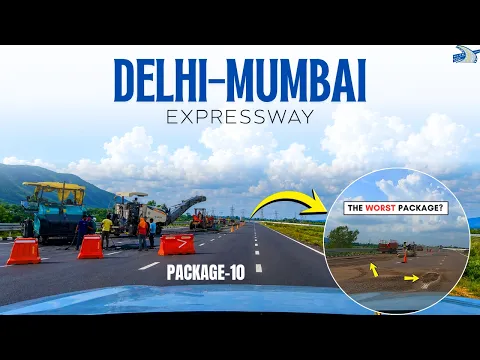

On another highway, between Sanchore and Santalpur, the rain exposed ruts, cracks, and deformations in the pavement. VnExpress International, an English-language news portal, reported that the company received a fine and a recommendation to be barred from competing for new projects for up to one year or until the defects are corrected.
The common pattern lies less in an isolated technical failure and more in the need to monitor design, soil, drainage, finishing, and pavement quality both before and after the road is opened to traffic.
The 19 national road projects with reported flaws have put the quality of execution and the role of inspectors at the center of the debate. Dismissals and penalties signal an attempt at accountability, but the very defects indicate that oversight needs to occur before delivery, during construction, and after opening.
For other countries, including Brazil, the main lesson is straightforward: megaprojects require more than just construction speed. They depend on soil studies, proper drainage, continuous inspections, and contracts that can protect users when something goes wrong.
Do you believe that dismissals and fines are enough, or should oversight prevent the opening of a highway while essential services remain unfinished? Share your thoughts and this analysis.


