





 Portuguese
  English
  Spanish
 3 min of reading


The Lack Of Technological Innovation Hides Productive Capacity Valued In Billions
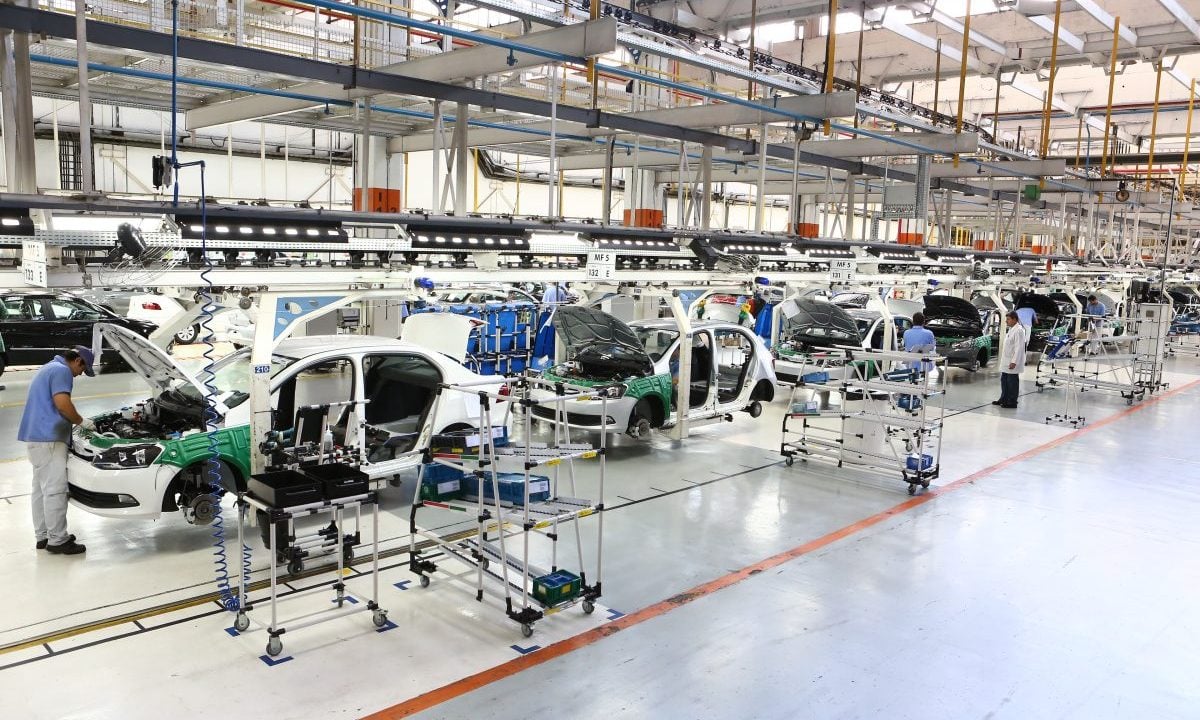
The vehicle industry in Brazil, encompassing light and heavy vehicles, wastes an annual productive potential estimated at R$47 billion. This is indicated by a recent study conducted by the Brazilian startup, Cogtive. This waste is known as “hidden capacity” and refers to the inefficiency resulting from the lack of technological innovation in the management of the production environment.
Cogtive: An Intelligent Software And IoT To Improve Productivity
Cogtive, the startup behind this discovery, develops software based on Artificial Intelligence and the Internet of Things (IoT) to optimize production processes in the manufacturing industry. The software provides real-time data and information about production, anticipating potential problems and risks. This allows managers to have quick access to diagnostics that assist in decision-making, preventing failures and interruptions in the production line.
The Implications Of “Hidden Capacity” In The National Economy
The research reveals that losses in the Brazilian automotive industry account for more than a third of the R$500 billion that the Brazilian industry loses as a whole. This amount represents 5% of the country’s Gross Domestic Product (GDP). “We found that most industries operate 30% below what is expected due to not adequately identifying where their main production bottlenecks are,” says Cogtive’s founder and CEO, Reginaldo Ribeiro.
-
Oncorp wins auction and enables biodiesel and gas thermal plants in Brazil, with strategic projects in Suape and Xavantes Aruanã.

-
Raízen Recovery: Shell Cosan May Reduce Control After R$ 65 Billion Debt

-
Outback Montes Claros: Chain Confirms First Unit in Northern Minas in 2026

-
Inpasa Creates Advisory Council and Brings José Olympio to Strengthen Corporate Governance


Information Technology As A Solution To Recover “Hidden Capacity”
Ribeiro states that this “hidden capacity” can be recovered by avoiding unnecessary downtime in production lines, improving process management, increasing asset performance, and optimizing labor allocation. He emphasizes that information technology solutions, such as Artificial Intelligence and hyperautomation, can be essential in this recovery process.
Understanding “Hidden Capacity” And Its Implications
“Hidden capacity,” explains Ribeiro, is not the same as idle capacity. “While idle capacity is related to demand being lower than a industry’s production capacity, ‘hidden capacity’ is that which has potential but is concealed due to a lack of data, knowledge, and inefficient management of processes.”
The Impact Of “Hidden Capacity” On The Brazilian Economy
If utilized, “hidden capacity” could increase productivity, and consequently, improve results. Ribeiro illustrates: “If the hidden potential of the factories were explored, there would be a 5.6% increase in Brazilian GDP, with a significant impact on the economy and even more job offers, income, and a surge in investments coming from abroad.”
“Hidden Capacity” In Other Sectors
Besides the R$47 billion lost in the automotive industry, the research also indicates losses in other sectors. In the food and beverage industry, “hidden capacity” is at 55.32% (R$276 billion in losses), in the pharmaceutical industry at 9% (R$45 billion wasted), in the personal hygiene, perfumery, and cosmetics industry at 7% (R$36 billion), and in the paint and varnish industry at 0.54% (R$3 billion).










Seja o primeiro a reagir!