





 English
  Francês
  Alemão
  Italiano
  Japonês
  Norueguês
  Portuguese
  Spanish
  4 min of reading



Reactivation of Inactive Shipyards in Rio de Janeiro Will Generate 30 Thousand Direct Jobs and About 100 Thousand Indirect Jobs
Here emerges a hope for the Brazilian shipbuilding industry! A group of experienced professionals in the sector came together and created Project Emerge, which proposes a revitalization of the naval sector. The idea will be presented to the Federal Government and promises to turn the page on the Lava Jato, resuming work in the shipyards and consequently generating many jobs, including in the oil and gas sector if Petrobras resumes orders in Brazil.
Read Also
- Shipbuilding: Petrobras Signs Contract with Keppel for the Construction of FPSO P-78, to Be Installed in the Pre-Salt in Santos Basin
- Brazilian Shipbuilding Struggles to Survive! Belov Shipyard in Salvador (BA), Prioritizes Manufacturing RSV and SDSV
- Naval Industry Receives Over Half a Billion Reais to Invest in Shipbuilding and Repair Projects
- Confirmed Works in the Naval Industry of Angra dos Reis: FPSO from Teekay Offshore Is on Its Way to Brasfels Shipyard for Adaptation Works, Operating Under Contract from Karoon Energy
Despite having excellent professionals, Brazil is currently facing a crisis in the naval sector, and we have to deal with shipyards ready to work but that are practically idle and/or left to rot. The works that could be done here are being carried out in Singapore and Korea.
Project Emerge aims to change this reality. The discussions began in 2019. After much study and debate, the group says it is ready for the “dialogue and persuasion stage with the political class.”
-
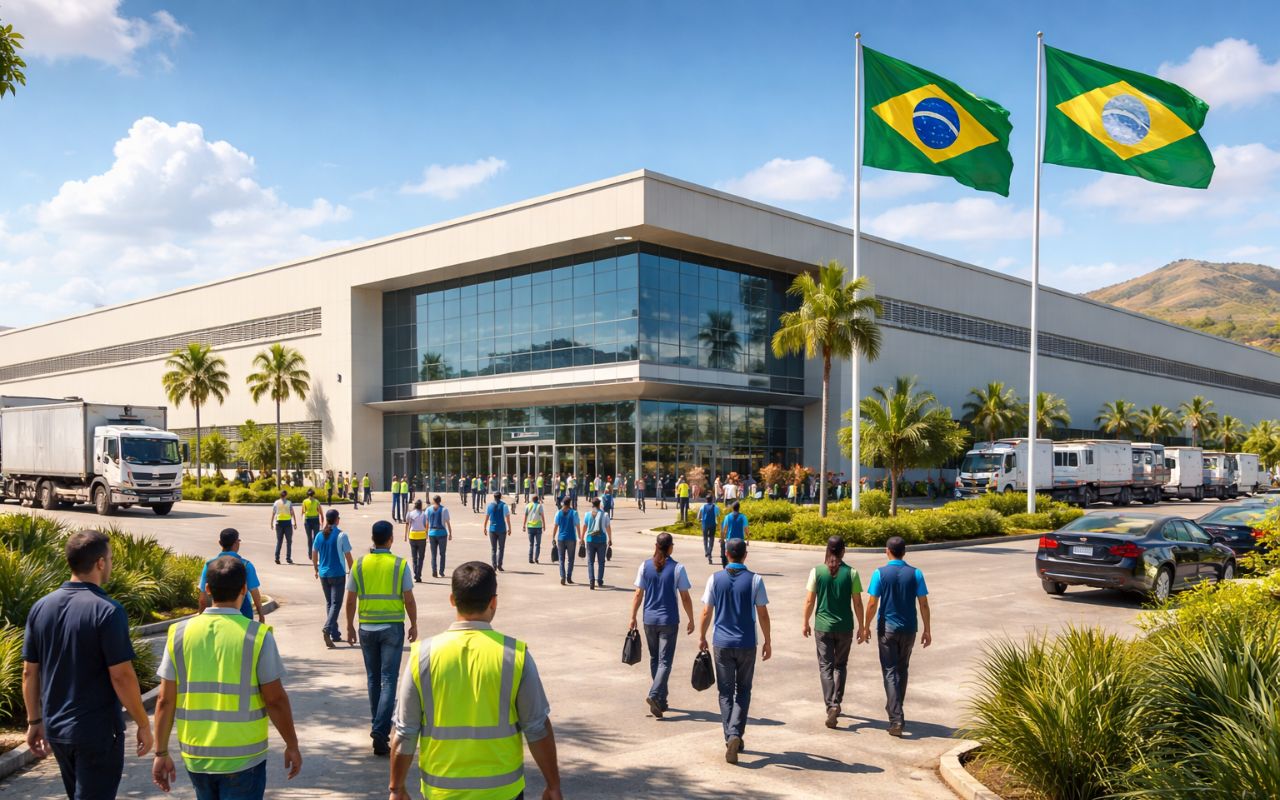
New shoe factory in Ceará is expected to create 400 jobs and strengthen the local economy.
-
No one imagined it, but a mixture of sawdust with a mineral that fights fires surprises scientists with a result that changes the course of fire-resistant construction.

-
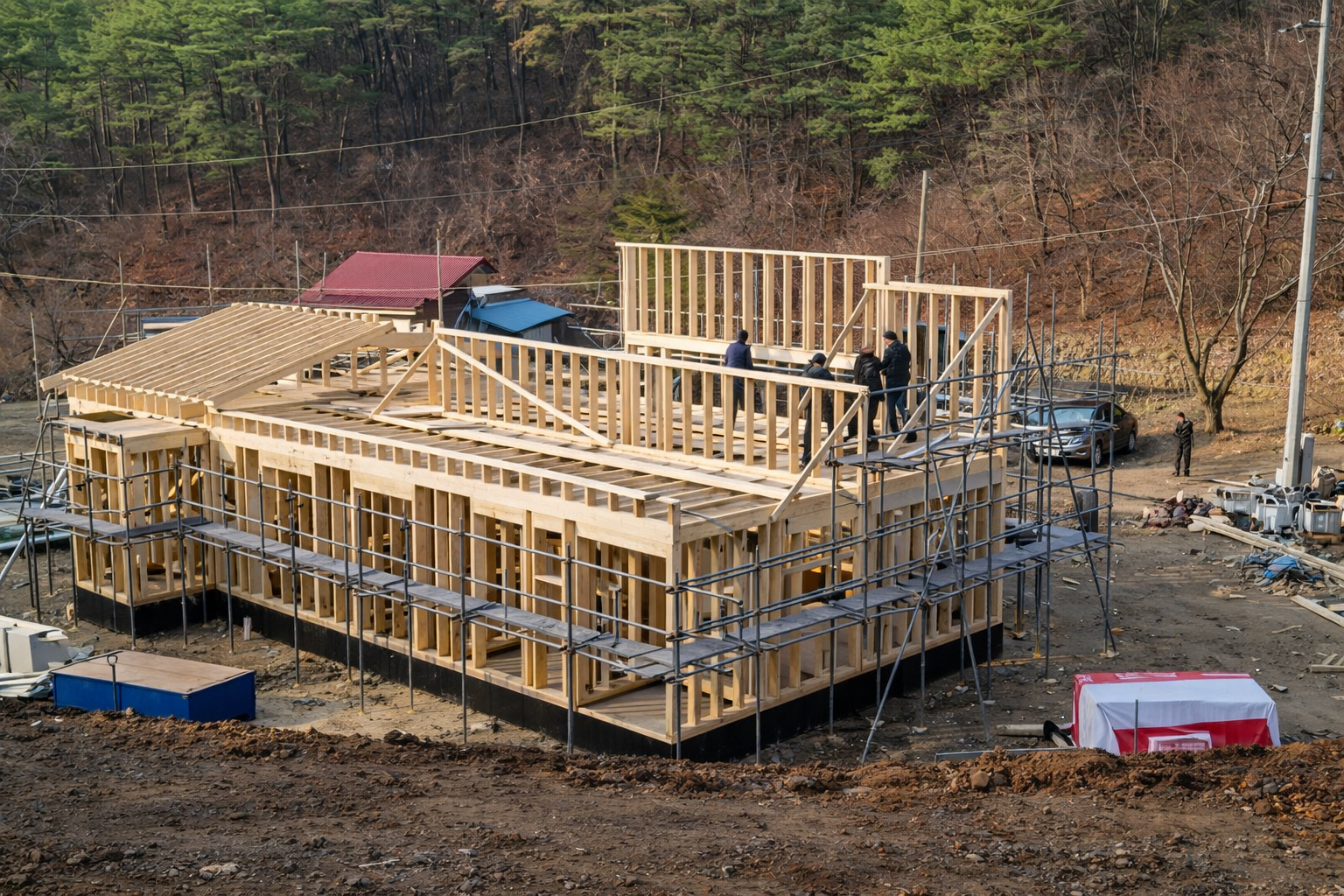
From empty land to a high-end house, wooden construction uses a lightweight system, metal structure for the foundation, ventilated ceramic cladding, and special windows to create an efficient and comfortable living space throughout the year.
-
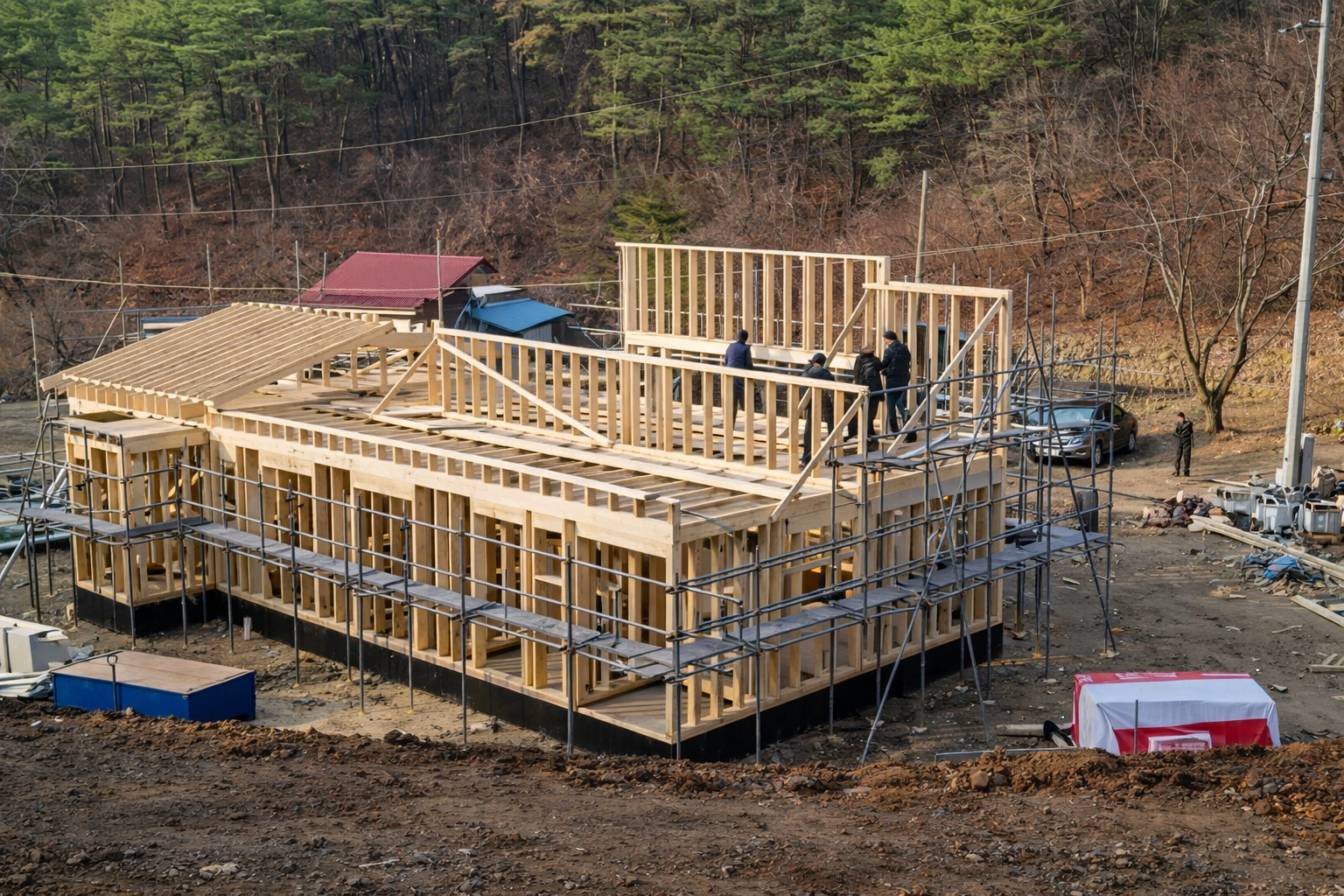
From vacant land to a high-end house, wooden construction uses a lightweight system, a metal structure for support, ventilated ceramic cladding, and special windows to create an efficient and comfortable living space throughout the year.

“We need, in some way, to turn the page on Lava Jato. Because the activity is not corrupt. We have to change this image, recover credibility,” says Reiqui Abe, a graduate in Naval Mechanical Engineering from the 1970s and one of the project leaders.
According to Dieese, Lava Jato Left 4.4 Million Workers Unemployed in Brazil
The Lava Jato operation led to the unemployment of 4.4 million workers in Brazil, given that many construction contracts were interrupted between Petrobras and construction companies involved in the corruption scheme, affirms the Inter-Union Department of Statistics and Socioeconomic Studies (Dieese).
The sectors most affected by the operation were oil, gas, and civil construction, and the naval industry, which counts in this total, since the shipyards were mainly used for repairing and constructing vessels and platforms and for logistical activities related to oil extraction and refining.
In addition, the country would have missed receiving R$ 172 billion in investments, of which R$ 47.4 billion would be in tax revenue and R$ 20.3 billion would be for payroll contributions.
Although Project Emerge sounds idealistic, for the specialist, there is no other way out. “What is needed is to change the industrial policy of the current Federal Government. The naval activity can help a lot, creating jobs. And more: it will have to manufacture engines, pumps, and this moves the industry as a whole. We will sensitize the political class to generate jobs and strengthen the industry through naval activity,” he says.
On the list of losses post-Lava Jato, we can mention the millions paid monthly by Petrobras to maintain idle shipyards. The Inhaúma Shipyard, in Caju, costs the Brazilian oil company R$ 5 million monthly, according to information provided off the record to Brasil de Fato.
Brazilian Association of Onshore and Offshore Naval Engineering Supports Project Emerge
Project Emerge was founded in 2016 by engineer Mauricio Almeida, and currently, he is 65 years old “and 46 at the dock,” counting on the support of the Brazilian Association of Onshore and Offshore Naval Engineering (Abecom).
“I am not against Lava Jato, I just think they should not have taken the works out of Brazil. What is wrong is to pass 100% of the works to Asia because the shipyard executives stole. In Renault, in Japan, the main executive was accused of theft and corruption, and they did not close their doors preventing cars from being purchased,” Almeida says.
According to the engineer, Lava Jato repeated a formula that had already produced disastrous effects in the 1980s. At that time, investigations of money diversion at the National Superintendency of Merchant Marine (Sunaman) stained the image of the sector and paralyzed works throughout Brazil.
Reactivation of Inactive Shipyards in Rio de Janeiro Will Generate 30 Thousand Direct Jobs and About 100 Thousand Indirect Jobs
Although Lava Jato has caused damage to shipyards throughout Brazil, Reiqui Abe says that Project Emerge will initially focus its actions in the state of Rio de Janeiro.
The new governor Cláudio Castro (PSC), successor to Wilson Witzel (PSC), is the “responsible” for the group’s optimism, as he promised in his inauguration speech to engage with the Federal Government about job creation in the state through the reactivation of idle shipyards.
“Since the core of naval activity was in Rio in the past, the idea is to start here, so that from this example, the Atlantic South Shipyard (EAS) can be reactivated, as well as the one in Rio Grande [from the company Engevix], the one in Bahia [Odebrecht], and all the others,” he explains.
According to Reiqui Abe’s estimate, the realization of this promise would immediately mean 30 thousand direct jobs and almost 100 thousand indirect jobs. “And without much investment. Because there is a ready shipyard in Caju. In Niterói, too,” he says. It is worth noting that a similar effort is also occurring in the Automotive Sector of Brazil as well.
For more jobs and news in the Port, Naval, and Merchant Industry, visit the website of NPE – Naval, Port, and Shipyard.










Seja o primeiro a reagir!