





 Portuguese
  English
  Spanish
  3 min of reading


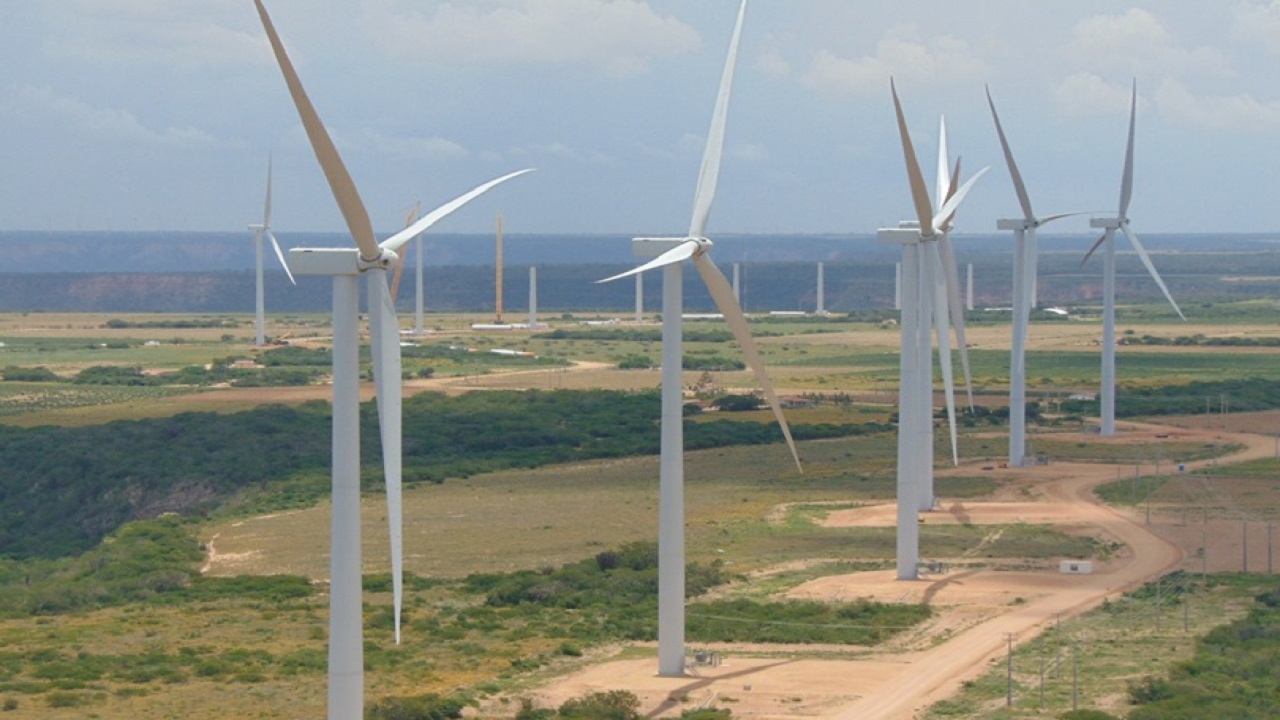
A Report Made By GWEC States That It Will Be Necessary To Train And Hire, Only In Brazil, About 3 Thousand Professionals For The Wind Energy Industry By 2025. Worldwide, There Will Be More Than 480 Thousand People Hired For The Renewable Energy Market
According to a report by GWEC, released this Tuesday (01), the wind energy industry will need to train and hire about 480 thousand people in the next five years to meet the demand of the global renewable energy market. Only in Brazilian territory, there are over 3,737 professionals that the wind energy industry must train and hire to sustain the planned installation of an additional 9.7 GW of onshore renewable energy by 2025.
Read Also
Understand The Report On The Wind Energy Industry
Considering that Brazil is a leader in wind energy in Latin America, training and hiring professionals for renewable energy will not be a major issue. Another great advantage of the country is being at the forefront in the Americas in the growth of certified training centers and also in the large volume of professionals already being trained.
In 2020, renewable energy grew by about 101% and 13 institutions that provide certified training managed to train over 5,500 people, according to the report. The document also highlights the growth of the offshore wind energy industry in the country, which may have its first demonstration project within this decade.
-
The Brazilian state accelerates industrial competitiveness with a focus on the extraction of strategic minerals to boost the energy transition in Goiás.

-
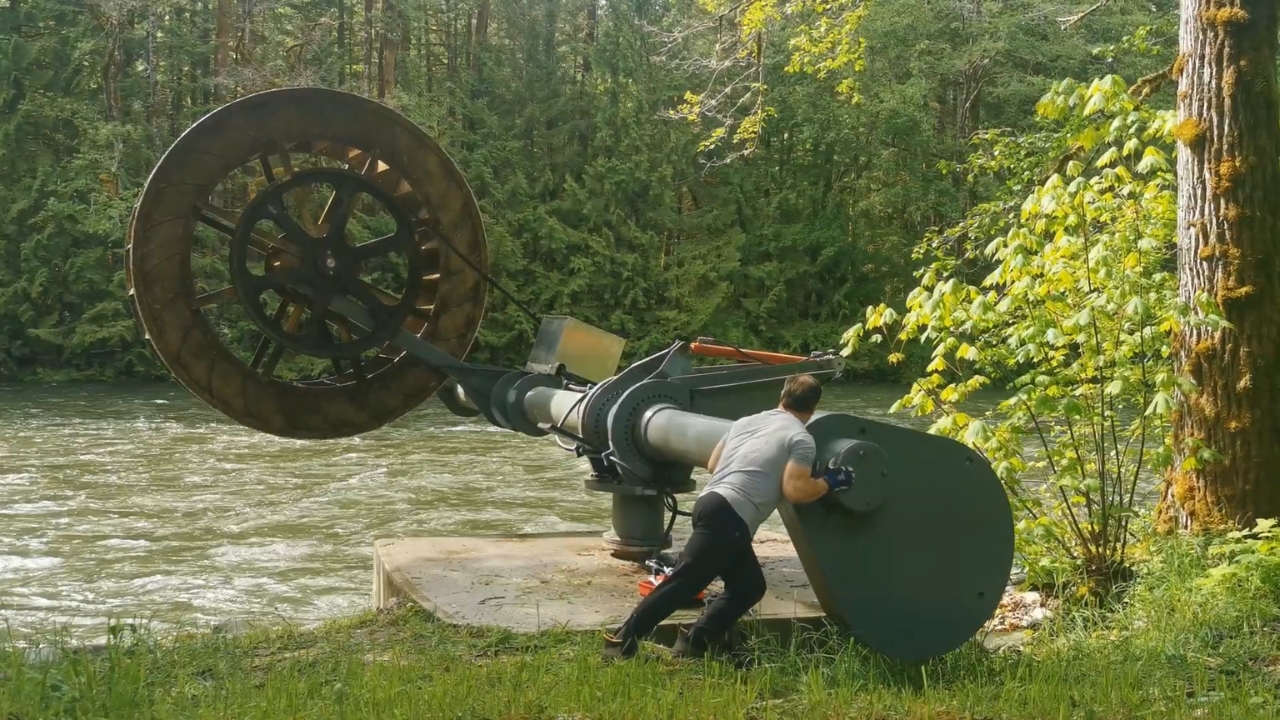
A Canadian retiree creates a hydroelectric system on a real river, generating energy continuously throughout the day and demonstrating how the power of water can supply a house with stability even in a simple structure.
-
Petrobras reaffirms its commitment to the market and ensures that it will carry out the energy transition safely to maintain national sovereignty.

-
Researchers discover a possible hydrogen deposit of up to 46 million tons beneath an ancient coal basin, and the volume could exceed half of the entire global production.


Global standardized training is of utmost importance to ensure the safety and health of the workforce and also to safeguard the sustainability of the wind energy industry. It is worth noting that this count does not include jobs generated in manufacturing, procurement, and transportation.
The GWO Training For Future Professionals
Currently, the GWO training market, which is considered the standard for training the wind energy workforce, is capable of supporting the qualification of about 200 thousand workers by the end of 2022. Thus, the report states that this pace will be insufficient to train and hire another 280 thousand workers needed for the installation of the 490 GW that are planned in wind energy capacity in the next five years.
Of the 480 thousand workers needed worldwide, only 172 thousand will work in the offshore wind energy market, while the other 308 thousand will work on onshore renewable energy projects, generating many job opportunities.
GWEC, GWO, RCG Speak Out
For the CEO of GWEC, Ben Backwell, it will be necessary for countries to prepare now to ensure the workforce of the future. He emphasizes that if new projects are implemented, the needs for training and hiring will be much greater than those predicted in the report.
The CEO of GWO, Jakob Lau Holst, states that there is much debate about the amount of installed wind power that will be necessary to achieve zero emissions, but there is little discussion about the workforce that will be needed to build these projects in the renewable energy industry.
According to the director of RCG, Ed Maxwell, in large markets like China and the United States, increasing training can generate several job opportunities and also exponentially increase productivity through the recognition of standards.









Seja o primeiro a reagir!