





 Portuguese
  English
  Spanish
  3 min of reading



According to the Director of Ubrabio, Industries Invested to Increase Biodiesel Production, But Are Now Facing Idleness
It is no news that Brazil seeks to reduce the use of diesel from petroleum, betting on biodiesel derived from vegetable oils, a more sustainable and less polluting option. This pursuit of biofuel usage involves policies that were designed for this sector to grow safely, as it is a tactic to promote the development of the economy and the biodiesel production industries in Brazil.
Commercialization of Biofuel Blend Decreases in 2022
In 2022, the commercialization of the biodiesel blend with diesel should have been in the proportion of 14% of the biofuel and 86% diesel at gas station pumps; however, currently, the government maintains the blend at 10% biodiesel, showing a decrease compared to previous years that followed the mandatory blend percentages with the biofuel.
Moreover, this deficit in the commercialization of the biofuel directly affects the industries that invested in its production, as stated by the director of Ubrabio, Donizete Tokarski, “This is the worst of worlds, a disaster for the sector. Entrepreneurs trusted and invested in expanding production, and now they are facing idleness greater than 50% in the industries,” he reports.
-
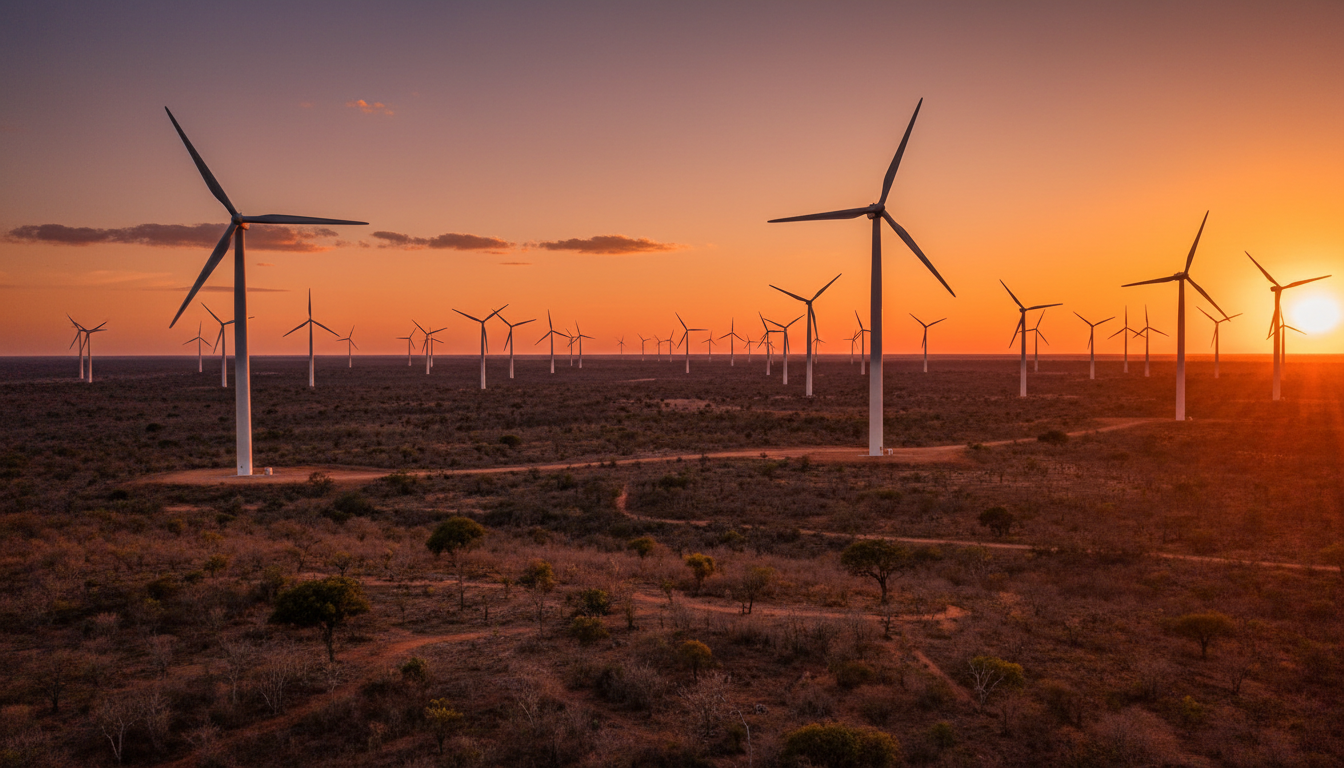
The Brazilian Northeast is receiving the largest wave of investments in clean energy ever seen in the country, with R$ 200 billion in wind and solar, 9,000 km of transmission lines, and a promise that could change the economy of 60 million people.
-
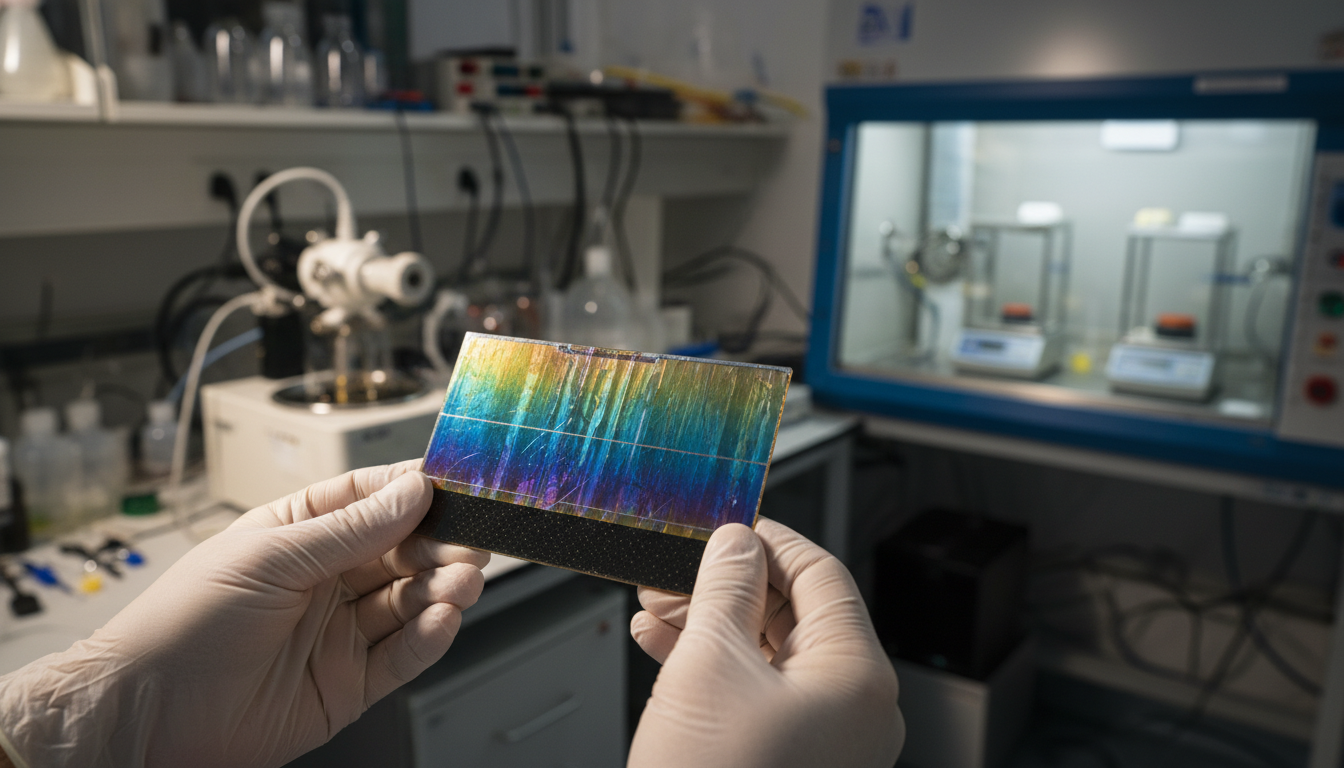
Chinese company creates solar cell that breaks the physical limit of silicon with 34.85% efficiency and promises to revolutionize electricity bills with panels that generate 20% more energy starting in 2026.
-
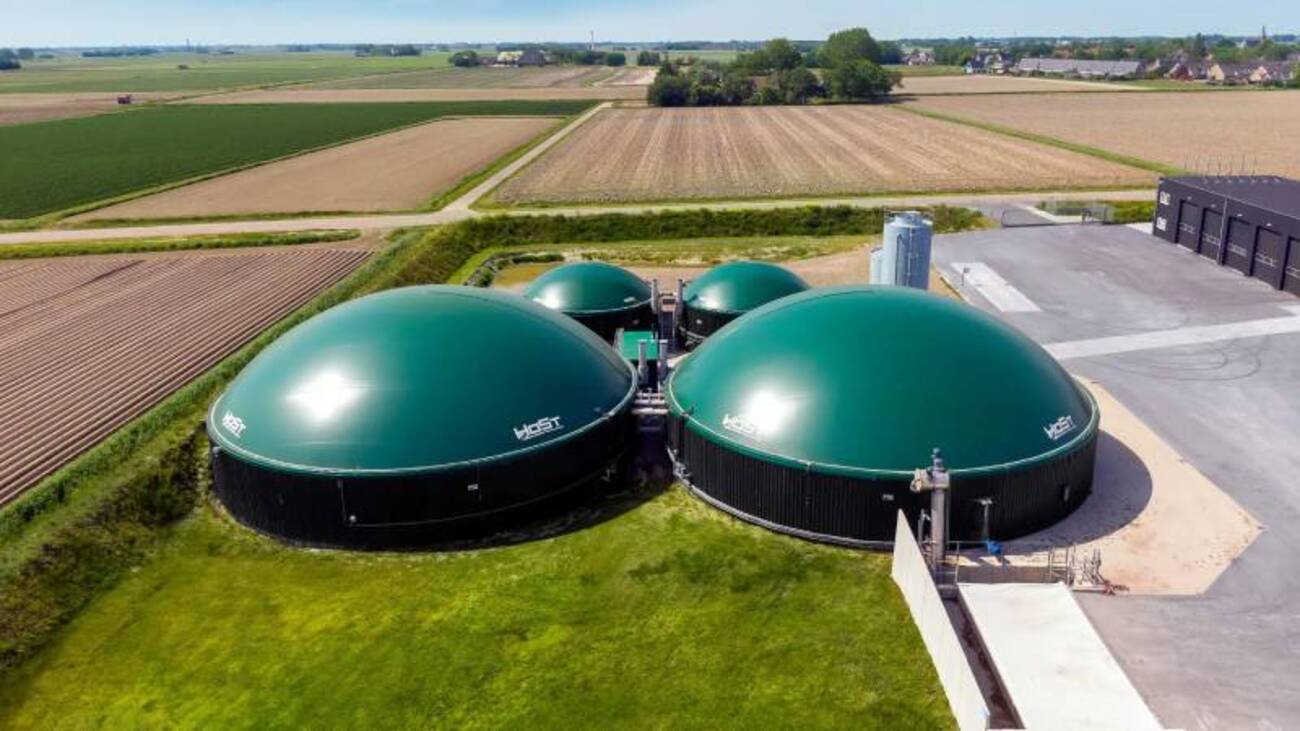
Revolution in the sugar-energy sector: Government sets new target for biomethane and paves the way for ethanol plants to profit from the conversion of waste into renewable fuel.
-
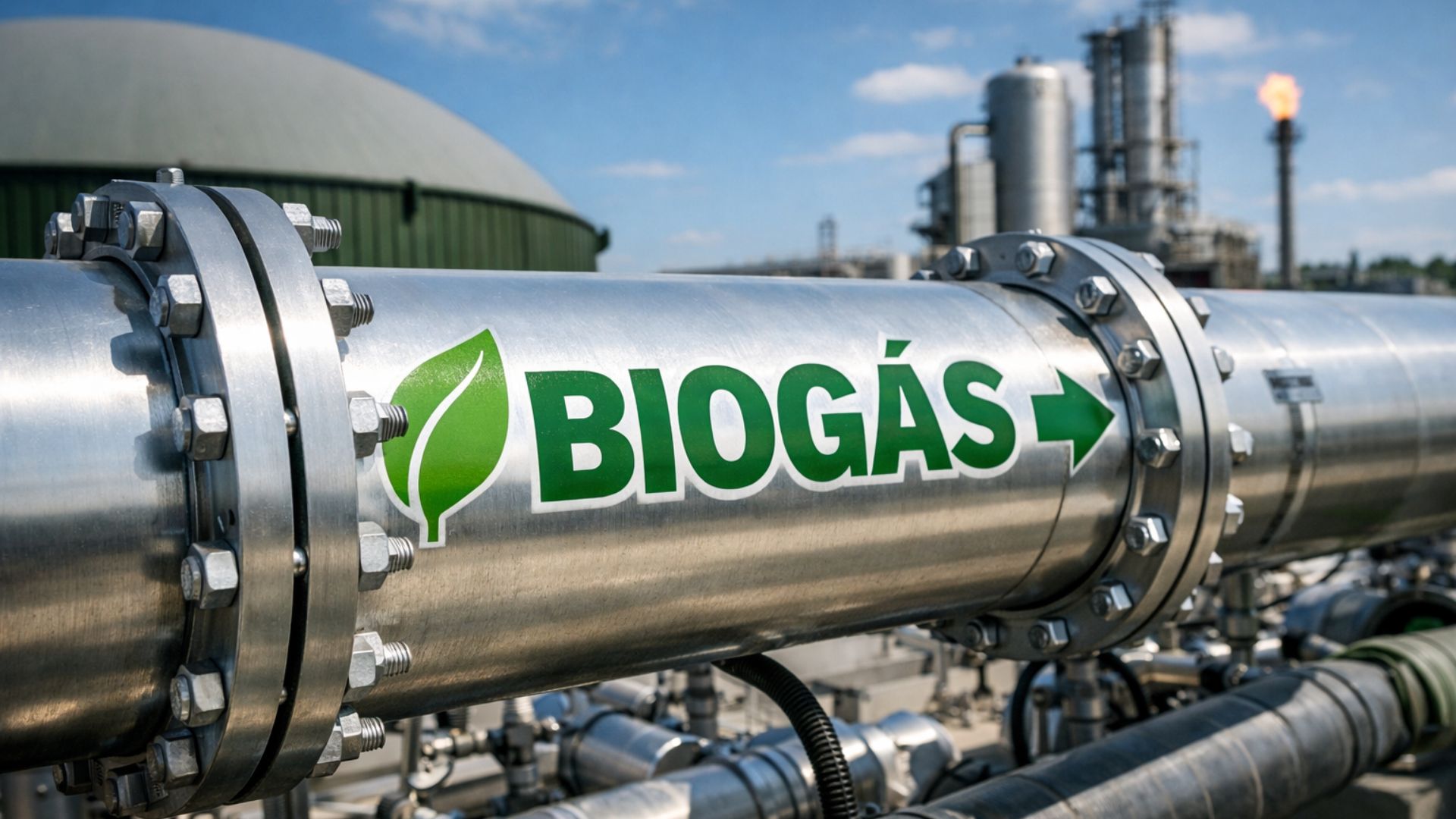
How green infrastructure and renewable energy at the World Cup transform the logistics of the largest sporting event on the planet in North America.

Government Considers Importing Biodiesel
The Bolsonaro government recently examined the alternative of importing biodiesel from other countries in hopes of reducing fuel prices in the international market, given the significant increase in costs. The proposal for the biodiesel industry would ultimately make activity in the country unviable.
As the director of Ubrabio reports, importing the biofuel would generate vast losses for the sector; “This situation of biodiesel importation is destroying the sector, as the Brazilian industry was prepared to advance. We are facing a scenario of 10% in the blend and a diesel shortage in the country already warned by ANP itself. Even with all this, instead of intensifying biodiesel production, they are seeking a palliative solution that generates jobs only in other countries.”
Idle Capacity in the Biodiesel Industry
According to Canal Rural, one of the considerations regarding the biofuel sector, in terms of government policies, is the percentage of only 10% in the blend, given that the biofuel industry received sufficient investment to increase this percentage.
Currently, Brazil has a capacity of 12.8 billion liters of biodiesel per year, but the estimated production for 2022 was only 6.2 billion liters, resulting in approximately 52% idleness in the biodiesel industry.
According to Flavio Negrão, general manager of Grupo Potencial, which has a biodiesel production unit located in the municipality of Lapa, Curitiba, there was a movement by the biodiesel sector to be prepared to meet the biodiesel and diesel blend. As Flávio points out, the industry prepared and invested, but the blend did not happen. Grupo Potencial, an industry with a capacity of 900 million liters of biodiesel per year, is the largest biodiesel production unit in the country. To reach this level, three expansions were necessary, the last one in 2020 with an investment of R$ 50 million.
Deficit in Biodiesel Percentage Renders About 5.2 Million Tons of Soybean Unused
The low percentage of the biofuel in the blend for commercialization directly impacts the field since soybean is the main raw material for biodiesel. Thus, the 10% biodiesel present in diesel, considering that CNPE guaranteed a percentage of 14% biodiesel in 2022, brings negative consequences for production in the field.
Among the components of the biofuel, soybean oil accounts for 71.4%, other vegetable oils account for 17.3%, and animal fat accounts for 11.3%. This proportion varies over time, as it depends on the availability and prices of these inputs.
As Luiz Eliezer Ferreira, a technician from the DTE (Technical and Economic Department), points out, the participation of soybean in the biofuel composition will become increasingly smaller in the future, considering the growth and production of other raw materials and the rise in soybean prices for the biodiesel industry.
Also, according to Luiz, if the percentage of biodiesel in the blend were to be increased by 4%, 2.8% would come from soybean oil. This additional amount would result in an increase of 5.2 million tons of soybean or 750 thousand tons of soybean oil.






Seja o primeiro a reagir!