





 Portuguese
  English
  Spanish
  4 min of reading
  2 comments


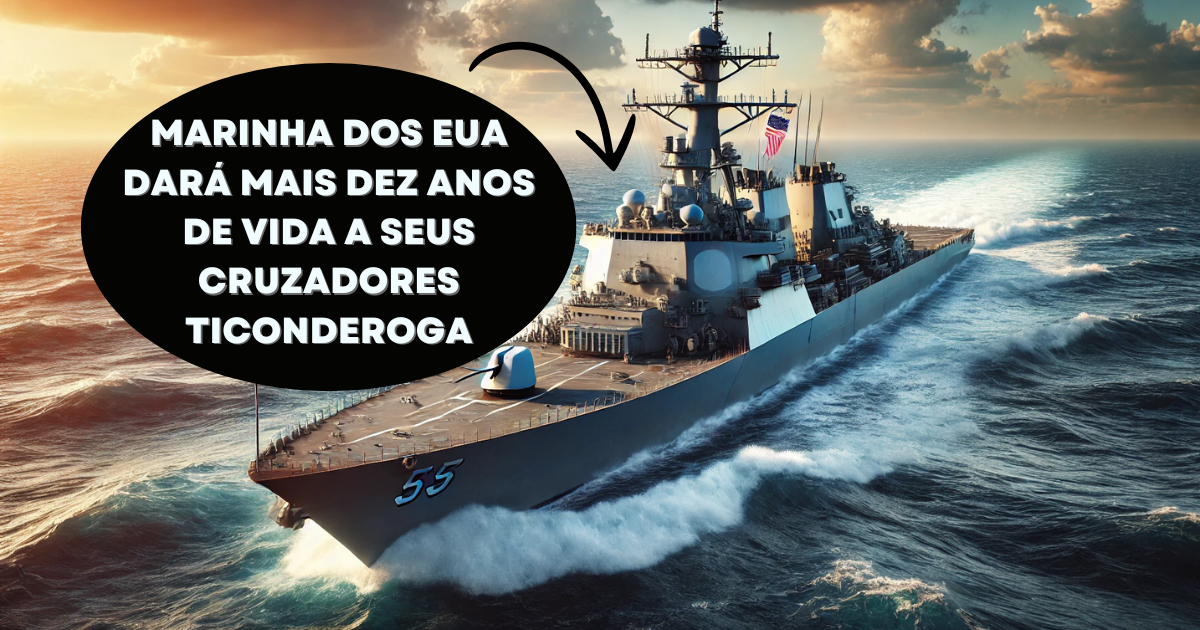

In a Surprising Decision, the US Navy Will Give Another Ten Years of Life to Its Ticonderoga Cruisers. The Expansion Strengthens the Fleet and Responds to Stalemates in Congress About the Future of the US Navy Amid Global Tensions.
In a decision that surprised defense analysts and reignited debates in Congress, the US Navy revealed that three cruisers from the iconic Ticonderoga class will gain another decade of operations at sea.
The initiative to extend the service life of these imposing warships reflects a strategic effort to strengthen the US fleet, despite years of legislative stalemates and technical challenges that threatened the fate of these vessels.
Naval Fleet Reform and Expansion
In a statement released today, the US Navy confirmed that three Ticonderoga-class cruisers, after undergoing an intense modernization program, are ready to operate for another ten years.
-
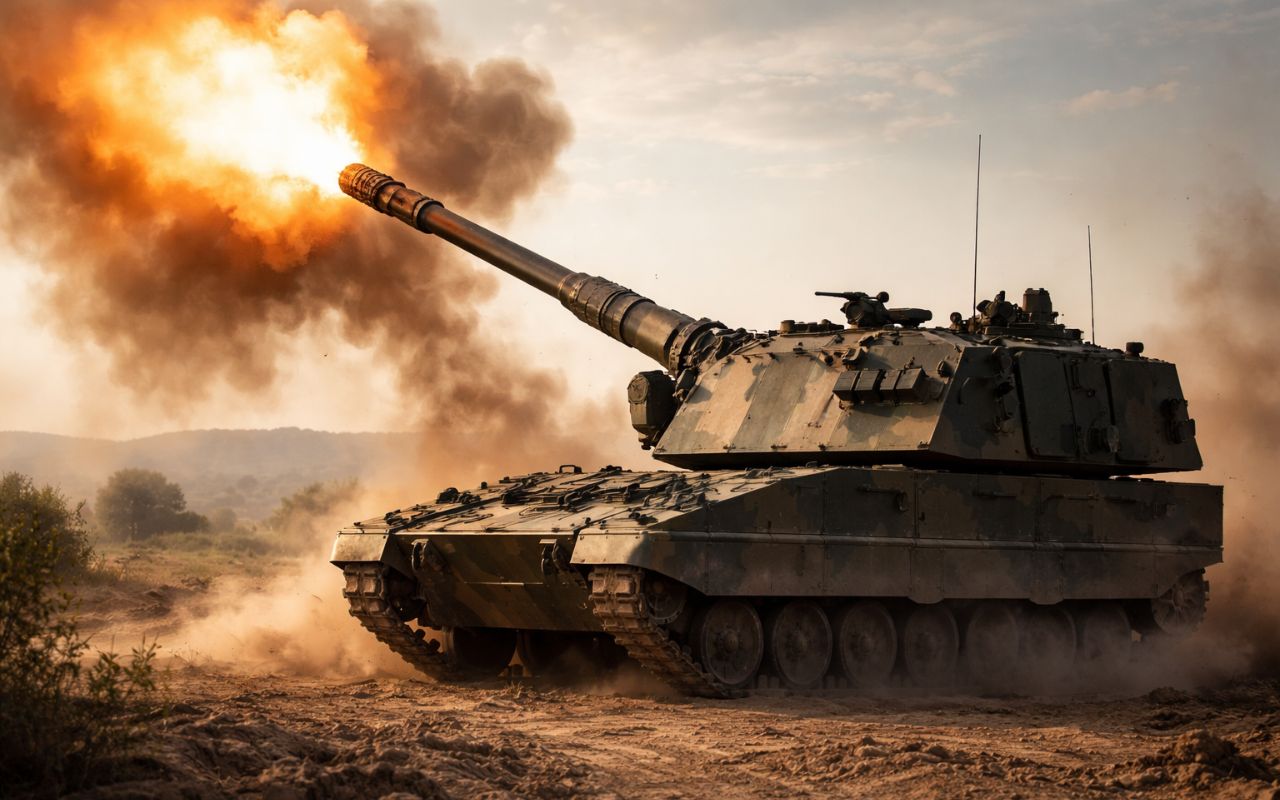
The German “steel monster” weighing 55 tons fires up to 10 projectiles per minute at over 40 km and avoids counterattacks on the battlefield by moving quickly to escape enemy attacks; meet the Panzerhaubitze 2000.
-
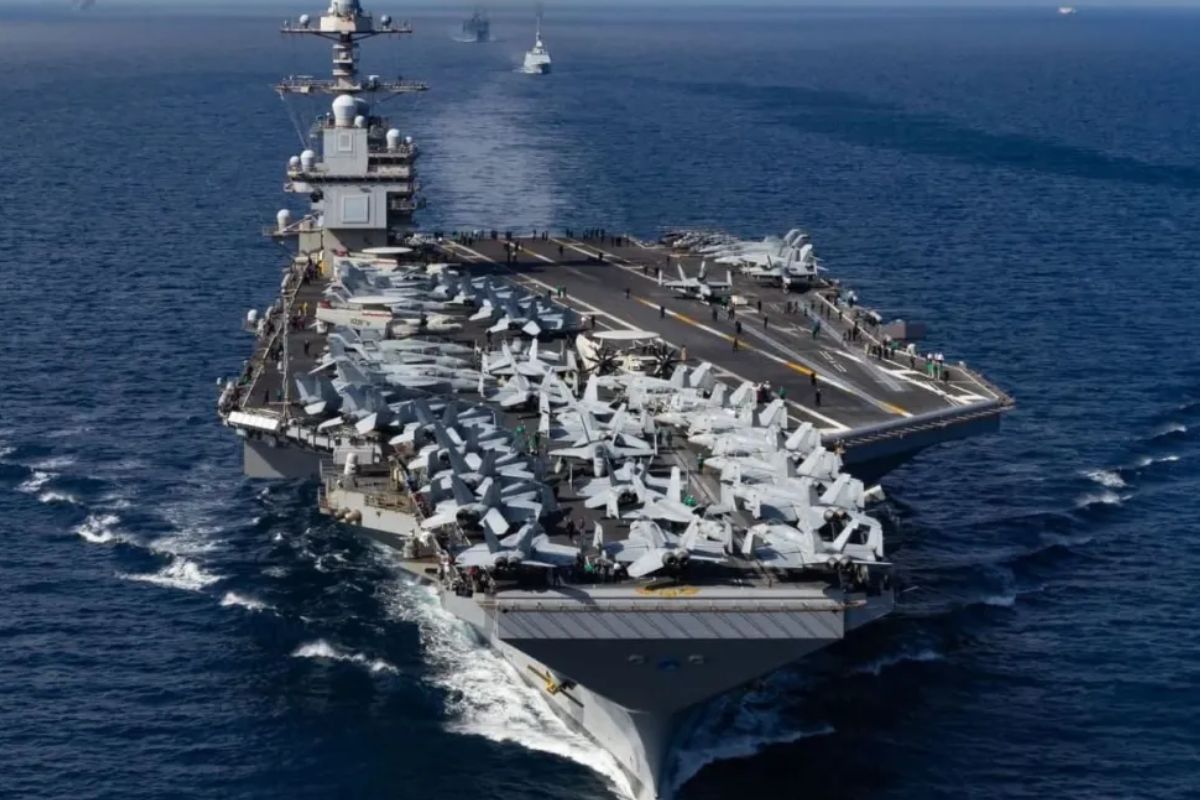
USS Gerald R. Ford, the largest aircraft carrier in the world, returns to sea after a fire in the laundry in the Red Sea; repaired in Crete, it resumes missions of Operation Epic Fury against Iran.
-
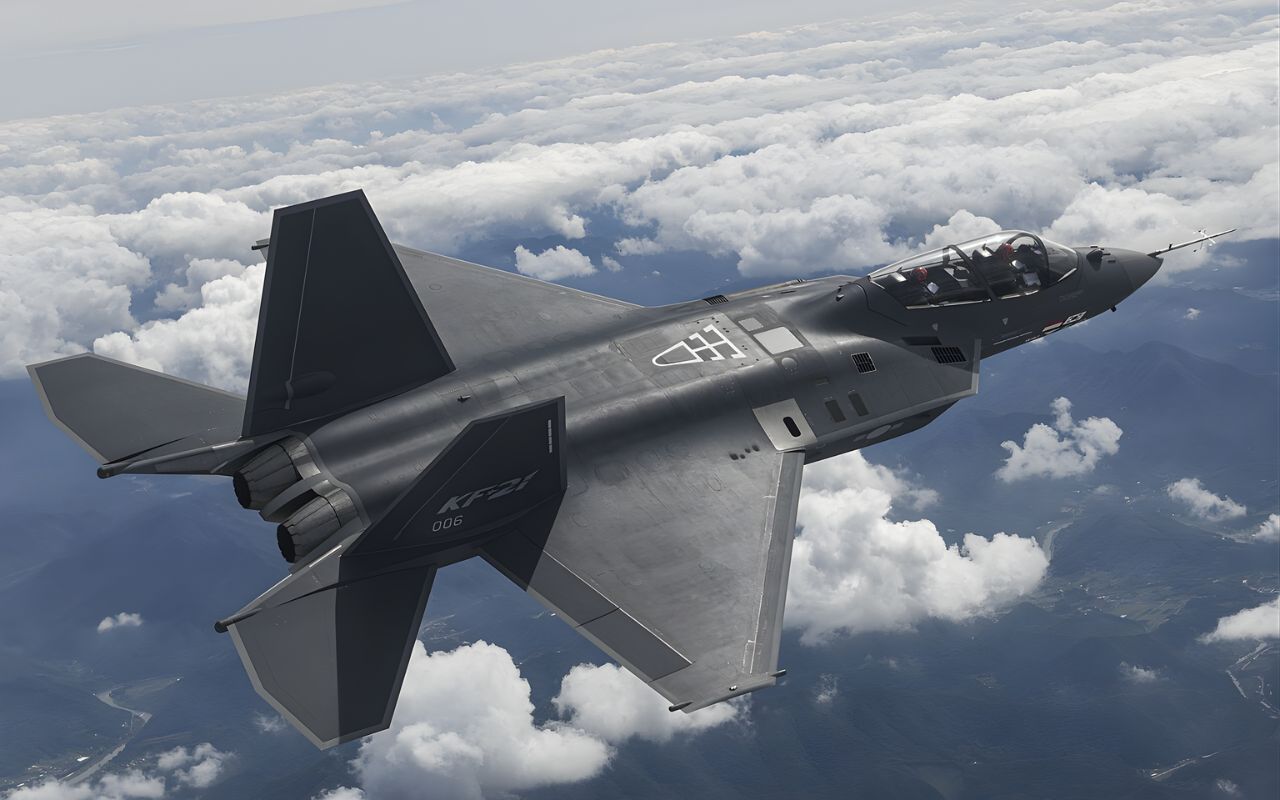
Military power: South Korea’s new KF-21 fighter jet will be a key component in replacing the aging aircraft of the air force, placing the country on the map of air military powers.
-
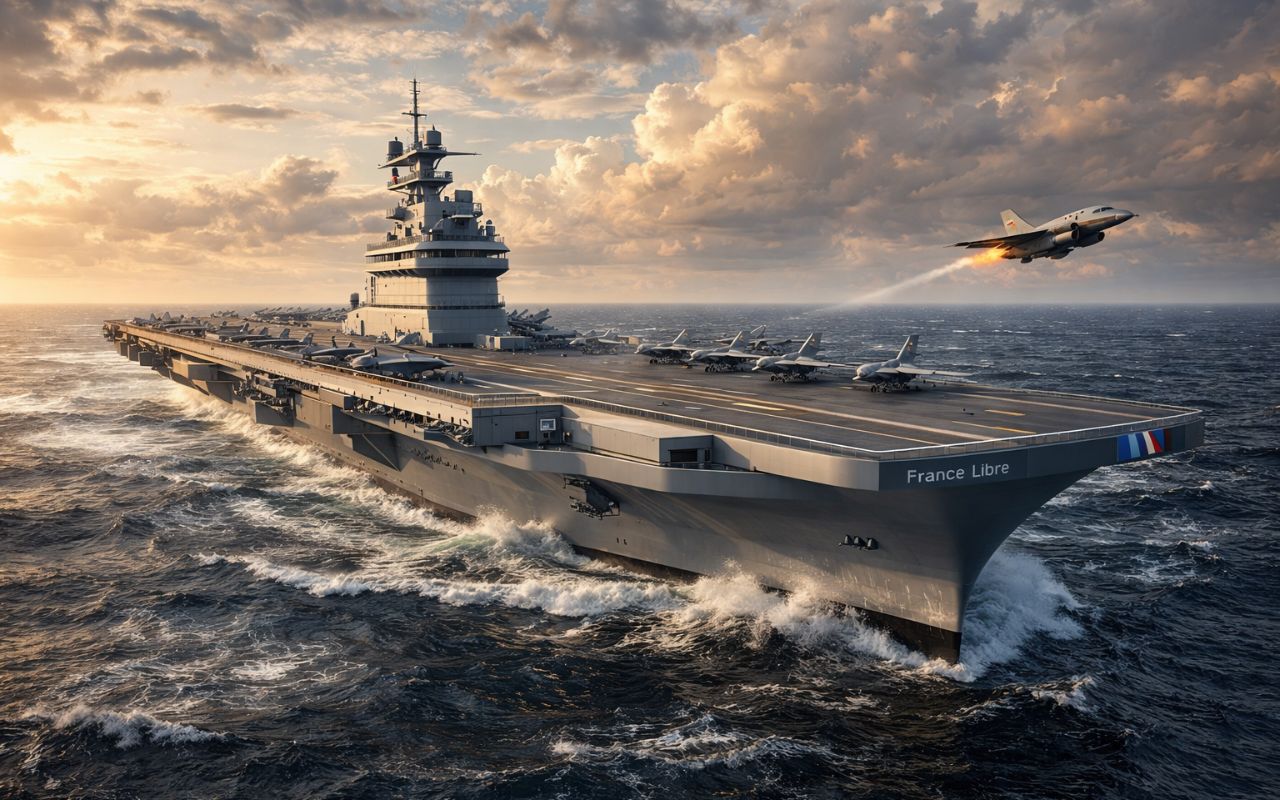
With 310 meters, 80 thousand tons, and capable of operating for 45 years, the new nuclear aircraft carrier France Libre will be the largest in France and will enter service in 2038.
This announcement comes shortly after the decision to also extend the service life of twelve Arleigh Burke-class destroyers, reinforcing the American intention to ensure its fleet’s readiness in an increasingly competitive global scenario.
Modernized Ships Ready for Action
The three cruisers that will remain in service — USS Gettysburg (CG-64), USS Chosin (CG-65), and USS Cape St. George (CG-71) — have undergone significant upgrades.
These updates included everything from restructuring mechanical and engineering components to enhancements in combat systems, all critical elements for prolonging the operational life of these ships.
According to the Navy, the USS Gettysburg completed the modernization process in fiscal year 2023, followed by the USS Chosin in 2024.
The USS Cape St. George is still in the final phase of updates and is expected to be fully operational by the end of the current fiscal year.
Challenges in Congress and Insistence on Fleet Continuity
Despite the advances, the future of Ticonderoga cruisers has been a topic of intense discussions. For years, the Navy has sought permission from Congress to retire some Ticonderoga cruisers early, as well as certain coastal combat ships, arguing that maintenance costs and technological limitations hindered their operationality in future missions.
However, lawmakers have repeatedly blocked these attempts, pointing to the need to maintain a robust fleet to address global threats and security demands.
A Modernization Program Surrounded by Controversies
The modernization program, which has already stretched for nine years, has not been without problems. Various technical and budgetary difficulties have delayed the progress of reforms, generating criticism regarding the viability and effectiveness of the updates made.
“The modernization did not go as planned at times,” admitted Navy Secretary Carlos Del Toro in a recent statement.
Still, he expressed confidence in the capability of the modernized ships, stating that only cruisers in full material readiness will continue to perform their functions in the American fleet.
Operational Innovations and Public Recognition
One of the highlights of the modernization program was the recent performance of the USS Chosin. In a demonstration conducted by the US Navy, the ship showcased a new transformative ability: the reloading of missile containers while at sea.
This capability, praised by Secretary Del Toro himself, could represent a strategic shift for the US Navy, as it eliminates the need for cruisers to return to ports for ammunition resupply.
Ticonderoga Cruisers: Importance and Legacy
The cruisers of the Ticonderoga class occupy a prominent position in US military history. With advanced radar systems and the ability to intercept aerial threats, they are crucial for the defense and protection of other vessels and allies.
According to experts, extending their service life sends a clear message about the strategic role of the US in maintaining a powerful and diverse fleet, capable of operating in different regions and quickly responding to potential global crises.
The Strategic Impact of a Fleet Reinforcement
With the growing military competition between major powers, such as China and Russia, the US decision to preserve these veteran ships gains even more relevance.
By keeping Ticonderoga cruisers and Arleigh Burke destroyers fully operational, the Navy strengthens its presence in the most critical regions for national security.
Secretary Del Toro emphasized that the measure allows for a balance between new and modernized forces, as well as leveraging the strategic knowledge accumulated over the years.
What to Expect from the Future?
With these reinforcements, the US Navy is approaching a more robust and adaptable fleet. The decision to maintain the Ticonderoga class could influence the development of new vessels and the US military’s own strategic planning.
After all, by preserving ships with a proven track record and cutting-edge technology, the Navy ensures a significant advantage in the global landscape.
With the decision to extend the service life of the Ticonderoga class cruisers, the US seeks to demonstrate power and efficiency.
But is maintaining veteran ships the best strategy to ensure US naval supremacy?








Os USA não conseguem hj repor nem os marinheiros, não é mais como na 2a Guerra que veteranos eram heróis.
Hj a remuneração não atrai e os jovens não querem ser militares.
Outro problema é que com a Globalização e a desarticulação da Industria Americana não há mão de obra qualificada e os USA têm enorme dificuldade de Construir navios de guerra.
Reformar o que têm é a única saída, se isso vai resolver veremos qdo tiverem de bater de frente com a China.
Vide treinamentos de combate no Brasil onde nossos Pilotos Tupiniquins abateram com 2 Gripen 2 F16 da US Air Force.
A diferença não foram os aviões e sim os pilotos.
Foram F-15 da Guarda Nacional.