





 Portuguese
  English
  Spanish
  4 min of reading
  0 comments


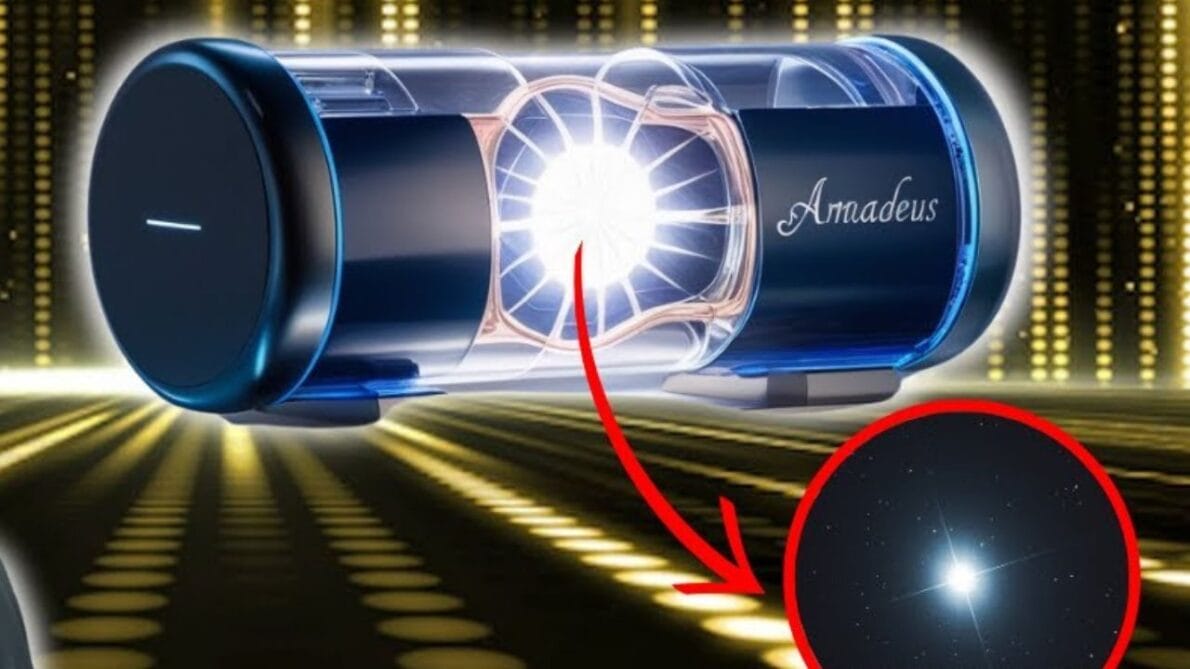
In The Relentless Search for Alternatives to Oil, Scientists from Spain Made a Revolutionary Discovery: The Use of Silicon Melted at 1,000 ºC to Efficiently Store Solar and Wind Energy. Are We Finally About to Free Ourselves from Dependence on Oil?
The automotive industry and the world as we know it may be about to change radically. Scientists at the Solar Energy Institute of the Polytechnic University of Madrid have discovered an innovative way to end dependence on oil. And no, this is not science fiction; it is pure science, it is silicon.
Imagine being able to store the energy of the Sun in boxes. Yes, you heard that right! We are talking about revolutionary thermophotovoltaic batteries that promise to be the definitive farewell to fossil fuels. So sit back, grab some popcorn, and get ready for a journey into the future of energy.
The Problem of Oil


We all know that oil is the king of fossil fuels, but its reign is coming to an end. It is a non-renewable resource and a major pollutant. While solar and wind energy promise to be clean and eternal, we still face the challenge of how to store and produce this energy cheaply and on-demand.
-
Offshore industrial demand in Macaé skyrockets with the recovery of oil and gas and could grow by up to 396% by 2026 in the Campos Basin.
-
Offshore industrial demand in Macaé surges with the recovery of oil and gas and could grow by up to 396% by 2026 in the Campos Basin.
-
Brazilian giant expands borders in the Southeast: Petrobras confirms new oil discovery in ultra-deep waters in the pre-salt of the Campos Basin.

-
Alert in the global energy market: Severe tropical cyclone hits the coast and disrupts gas production at major plants in Australia, threatening global supply.

Scientists at the Solar Energy Institute of the Polytechnic University of Madrid
This is where our Iberian hero comes in. A group of scientists from the Solar Energy Institute of the Polytechnic University of Madrid developed thermophotovoltaic batteries capable of storing large amounts of renewable electricity and releasing it when needed. This breakthrough, published in the scientific journal Joule under the title “Latent Heat Thermophotovoltaic Batteries,” could be the solution the world has been waiting for.
Economic Metals Such as Silicon or Ferrosilicon Alloys at Temperatures Above 1,000 ºC
The scientists discovered how to use excess renewable energy, such as solar and wind, to melt economic metals like silicon or ferrosilicon alloys at temperatures above 1,000 ºC. And why melt metal, you ask? Because silicon has an incredible capacity to store energy during its melting process. One liter of melted silicon can store more than 1 kWh of energy in the form of latent heat, equivalent to the energy contained in one liter of hydrogen pressurized to 500 bar.
The great advantage of silicon is that it can do this at atmospheric pressure, making it much safer and more economical. Moreover, this system patented by the researchers combines two impressive effects: the thermal and the thermophotovoltaic. Basically, it directly converts heat into electricity without the need for physical contact with the heat source.
Shining Like a Star
When silicon melts at over 1,000 ºC, it shines brightly like a small star. This glow can be transformed into electricity using photovoltaic cells; it’s like having a small sun inside a box!
The Amadeus Project
Let’s delve into how the prototype developed under the European Amadeus project works. This project is an international collaboration aimed at creating advanced technologies for high-temperature energy storage. The prototype employs a combination of cutting-edge materials and technologies to efficiently and safely store and release energy.
The process begins with capturing the excess energy generated by renewable sources, such as solar panels or wind turbines. This energy is used to heat and melt silicon, which reaches temperatures above 1,000 ºC. During this process, silicon stores a large amount of energy in the form of latent heat, which can be released later.
The containers where the melted silicon is stored are designed to withstand high temperatures and minimize heat loss. They are thermally insulated to maintain system efficiency and ensure that the silicon remains in a melted state for long periods.
Conversion of Heat into Electricity
When needed, the Amadeus system uses an innovative method to convert the stored heat into electricity. This method combines the thermal effect, which converts heat into free electrons, and the thermophotovoltaic effect, which converts thermal radiation into electricity using photovoltaic cells. This process is highly efficient and allows for the generation of electricity on demand, addressing one of the biggest challenges of renewable energy: intermittency.
The First Laboratory-Scale Prototype of This System is Already Available
The first laboratory-scale prototype of this system is already available at the Solar Energy Institute of the Polytechnic University of Madrid, representing over 10 years of intense research. Although it still requires further investment and development to reach the market, the results are promising.
The next step is to scale this technology and test its viability in large-scale applications. This advancement not only has the potential to revolutionize how we store and utilize renewable energy but may also significantly reduce our dependence on fossil fuels.
Solar and Wind Energy Can Be Stored Efficiently
Imagine a world where solar and wind energy can be stored efficiently and released when needed, without relying on oil or other polluting fuels. In historical times, we have come to the conclusion that Spain is at the forefront of an energy revolution that could change the world. This breakthrough in thermophotovoltaic batteries is just the beginning. With more research and development, we could be witnessing the beginning of the end of our dependence on oil and the dawn of a new era of clean and sustainable energy.
So folks, stay tuned! Silicon may be the hero that finally frees us from oil. With technologies like this, the future of clean energy is closer than ever. Let’s hope these advancements continue and that soon we can bid farewell to fossil fuels once and for all.










Seja o primeiro a reagir!