






 Portuguese
  Spanish




Discover How the Hydrogen Fuel Cell Engine Is Revolutionizing the Automotive Market and Challenging Traditional Electric Motors with Innovative Technology.
The future of cars is in constant evolution, and the latest competitor is the hydrogen fuel cell engine. Does it really have the potential to surpass electric motors? Let’s explore this ingenuity and understand why this technology is causing such a stir.
Imagine a world where driving does not pollute. That is what the hydrogen fuel cell engine promises. Unlike traditional electric motors, which rely on lithium-ion batteries, these engines use hydrogen to generate energy, emitting only water vapor as a byproduct. Sounds perfect, doesn’t it?
How Does the Hydrogen Fuel Cell Engine Work?


The magic of the hydrogen fuel cell engine lies in its energy efficiency. These cells convert hydrogen and oxygen into electricity through a chemical reaction, and the high temperature further enhances this conversion. The result? Higher energy density and more robust performance compared to conventional electric motors.
-
Hilux’s little sister: Toyota relaunches the Land Cruiser 70 in the 2027 lineup with over 40 years of production, a 2.8 turbo diesel engine with 201 hp and 51 kgfm, a six-speed automatic transmission, and a renewed retro look.

-
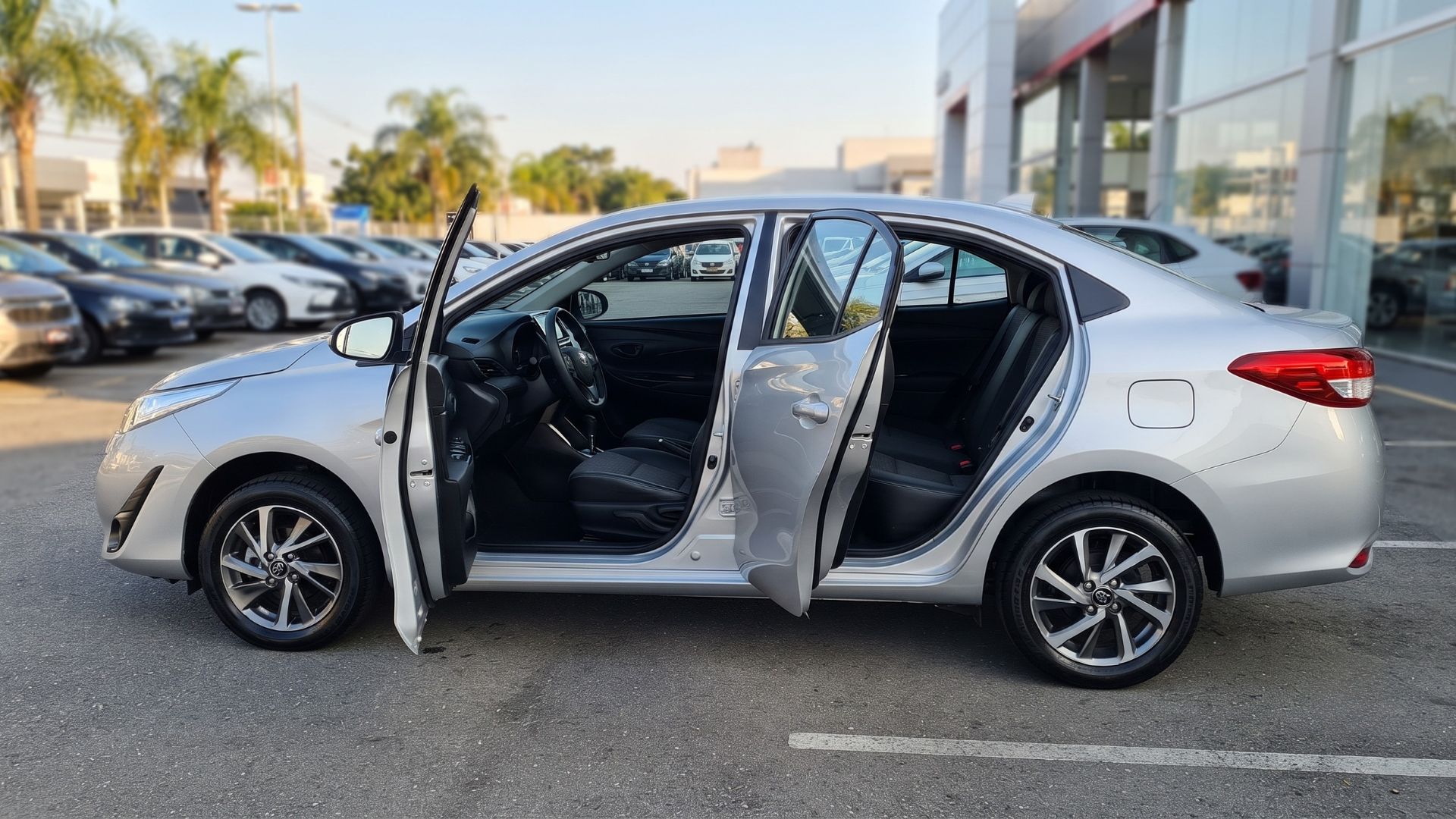
Automatic, economical, and known for reliability: with a 1.5 engine of up to 110 hp, CVT transmission, seven airbags, and fuel consumption of up to 15.9 km/l, this used hatchback appears as a rational alternative to Polo, HB20, and Onix; meet the Toyota Yaris XLS 2020.
-
He surpassed the Tera, Creta, and Tracker: With a TSI engine of up to 150 hp, 6-speed automatic transmission, and a 373-liter trunk, the Volkswagen T-Cross was the best-selling SUV in June, with 11,753 registrations.

-
It looks factory-made, but it came out of a workshop: a mechanic from Pernambuco builds a handcrafted “mini Toyota,” drives it through the streets, and the video goes viral on social media, leaving residents astonished.



Advantages and Disadvantages
Electric motors have their advantages: they are quiet, have relatively low maintenance, and are already widely adopted. But the hydrogen fuel cell engine brings some trump cards. It offers greater range and much faster refueling times. However, the challenge remains the hydrogen refueling infrastructure, which needs to be expanded.
Aviation and Other Applications
And it’s not just cars that are in the sights of this technology. Imagine airplanes flying without emitting pollutants, thanks to high-temperature hydrogen fuel cells. This could completely transform aviation, making it cleaner and more sustainable.
Of course, not everything is smooth sailing. The hydrogen fuel cell engine faces significant technical challenges. The durability of components, efficiency in thermal management, and the need for a robust infrastructure for hydrogen production and distribution are barriers to be overcome.
ZeroAvia Is at the Forefront of This Technology
Companies like ZeroAvia are at the forefront of this technology. In 2023, they completed a historic flight with the world’s largest hydrogen-electric aircraft, using low-temperature cells. Now, the goal is to integrate high-temperature cells for longer and more efficient flights.
Comparison with Electric Motors
So, what is better: a hydrogen fuel cell engine or traditional electric motors? The answer depends on many factors, including cost, infrastructure, and specific usage needs. But one thing is certain: the competition is heating up, and the winner is the consumer, with more options and increasingly advanced technologies.
The ingenuity of the hydrogen fuel cell engine is challenging electric motors and promises to revolutionize transportation, both on land and in the air. There is still much to be done, but the future looks promising for this innovative technology.
And what do you think about this revolution? Leave your comment below and join this discussion about the future of vehicles!








Ótima!