





 Portuguese
  English
  Spanish
  3 min of reading
  0 comments


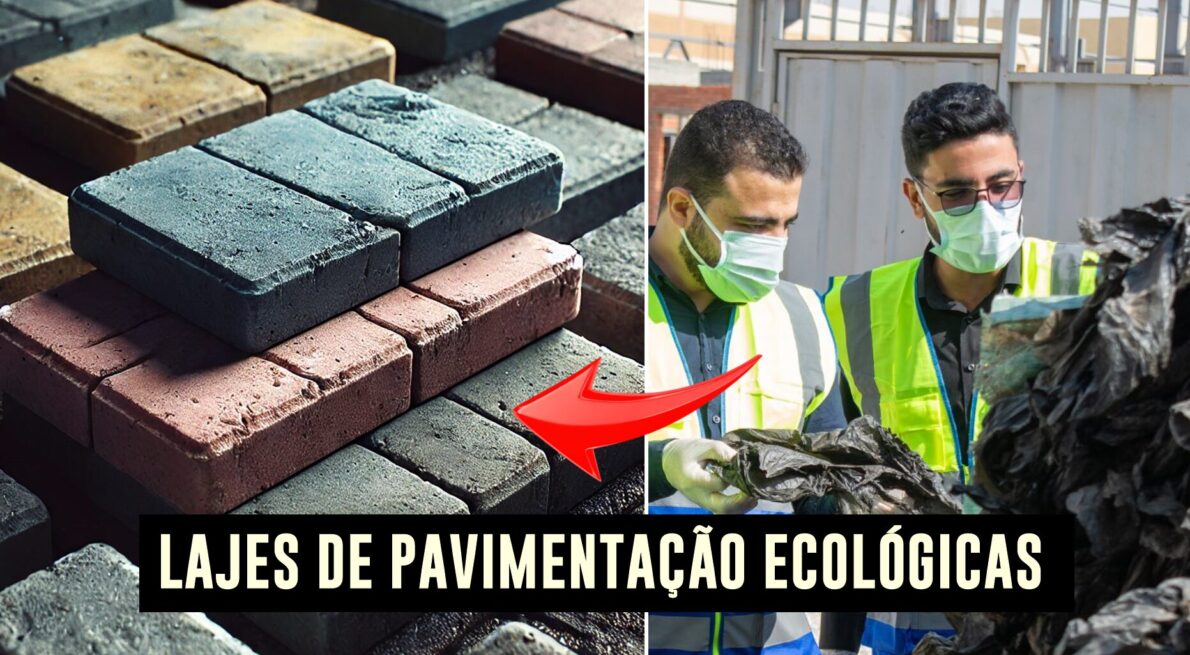
Sustainable Revolution: Startup Uses Non-Recyclable Plastic Waste to Create Extremely Durable Pavement Slabs, Changing the Future of Civil Construction
The global environmental crisis gains a new ally: TileGreen, an innovative startup based in Cairo, which aims to solve two of today’s biggest environmental problems. On one side, the tons of plastic bags that accumulate in the seas and landfills. On the other, the use of cement, responsible for a significant share of greenhouse gas emissions. The solution proposed by TileGreen? To convert more than 5 billion plastic bags into paving slabs that are stronger than cement, permanently transforming civil construction.
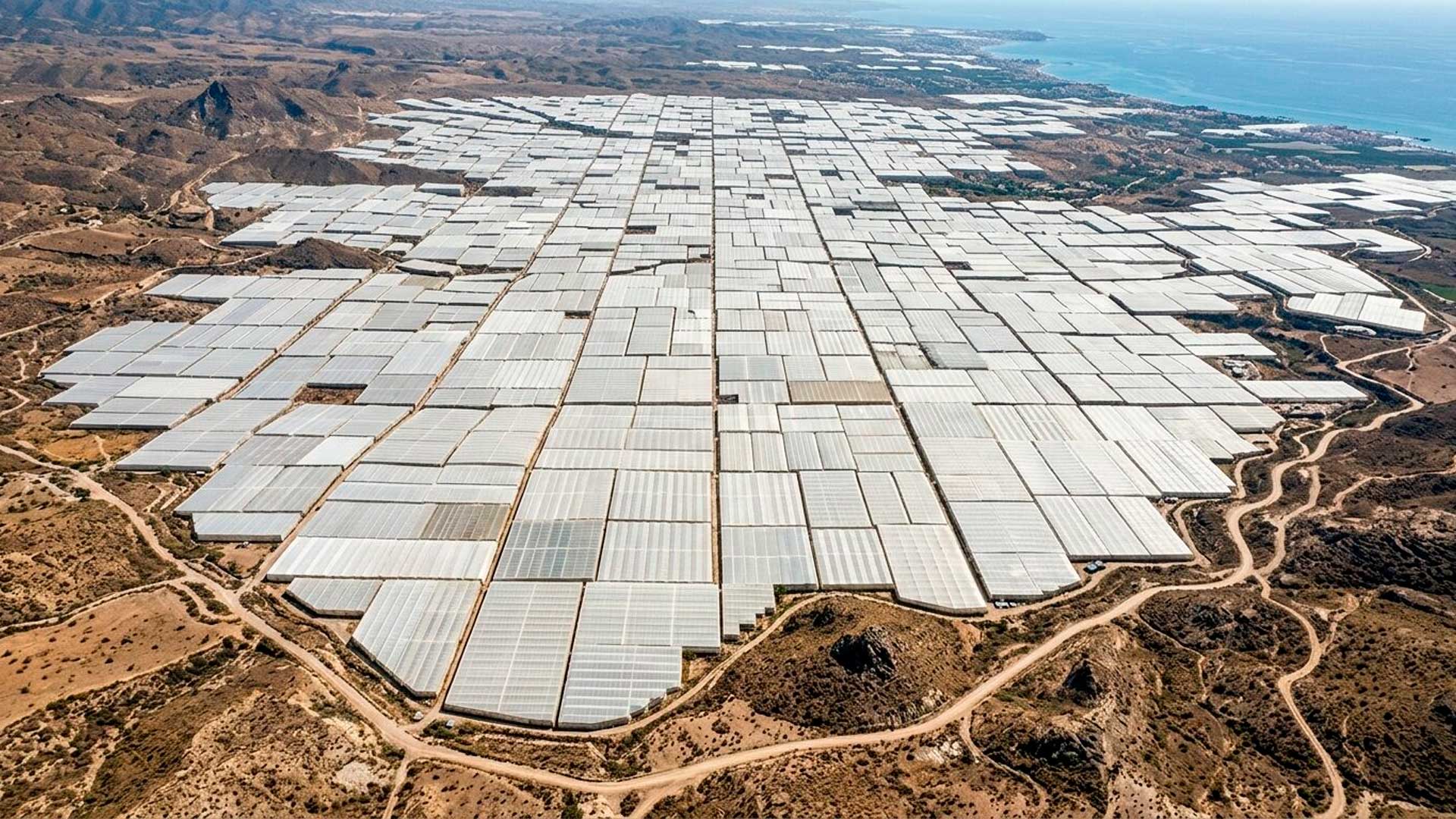
The impact of plastic pollution is devastating. Every year, millions of tons of plastic end up in the oceans. Meanwhile, cement, material widely used in civil construction, is responsible for at least 8% of global greenhouse gas emissions. In light of this scenario, TileGreen saw a unique opportunity to tackle these two problems.
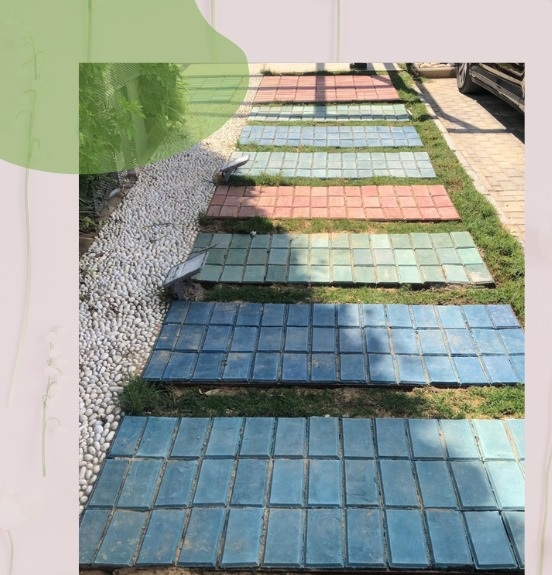
Sustainable Paving Slabs That Challenge Concrete
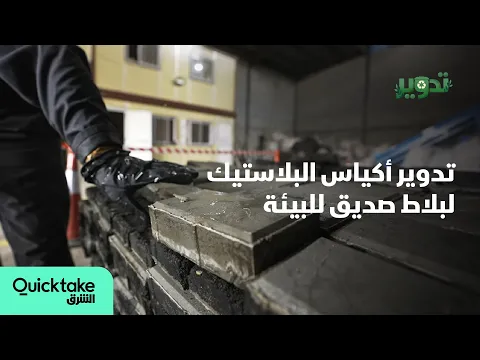
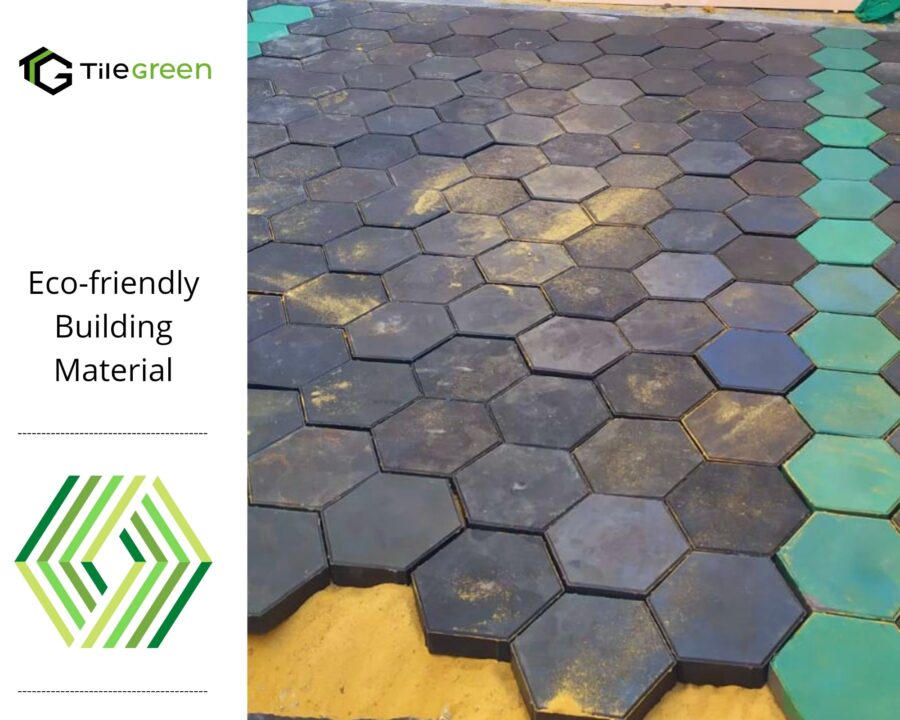
Through a patented thermomechanical process, the startup transforms non-recyclable plastics, such as grocery bags and packaging, into interlocking paving slabs. Each tile produced by TileGreen removes approximately 125 plastic bags from the environment.
-
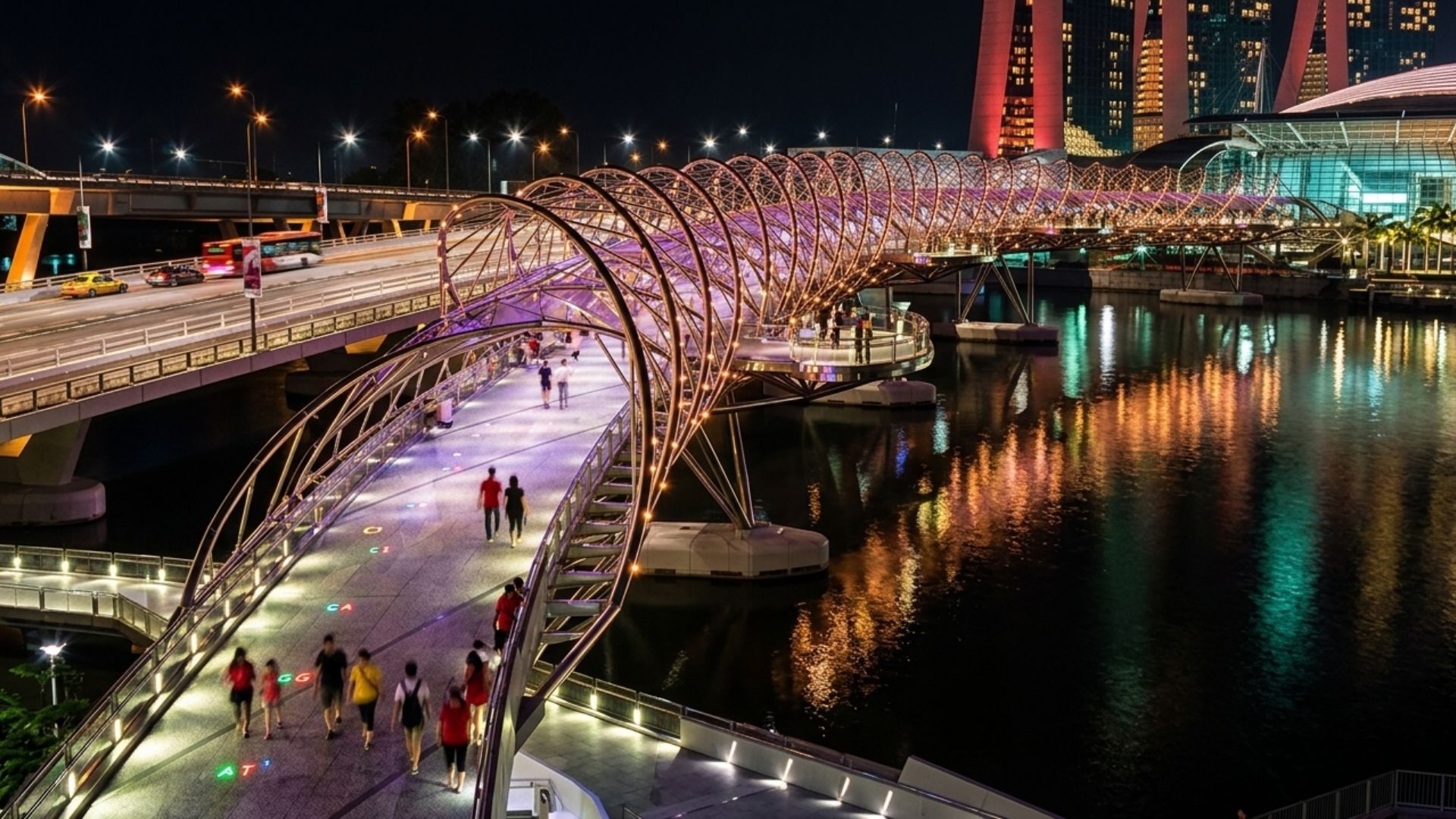
With a DNA shape, this bridge in Singapore draws attention in modern architecture and surprises tourists by transforming a simple crossing into an unforgettable visual experience in the urban heart.
-
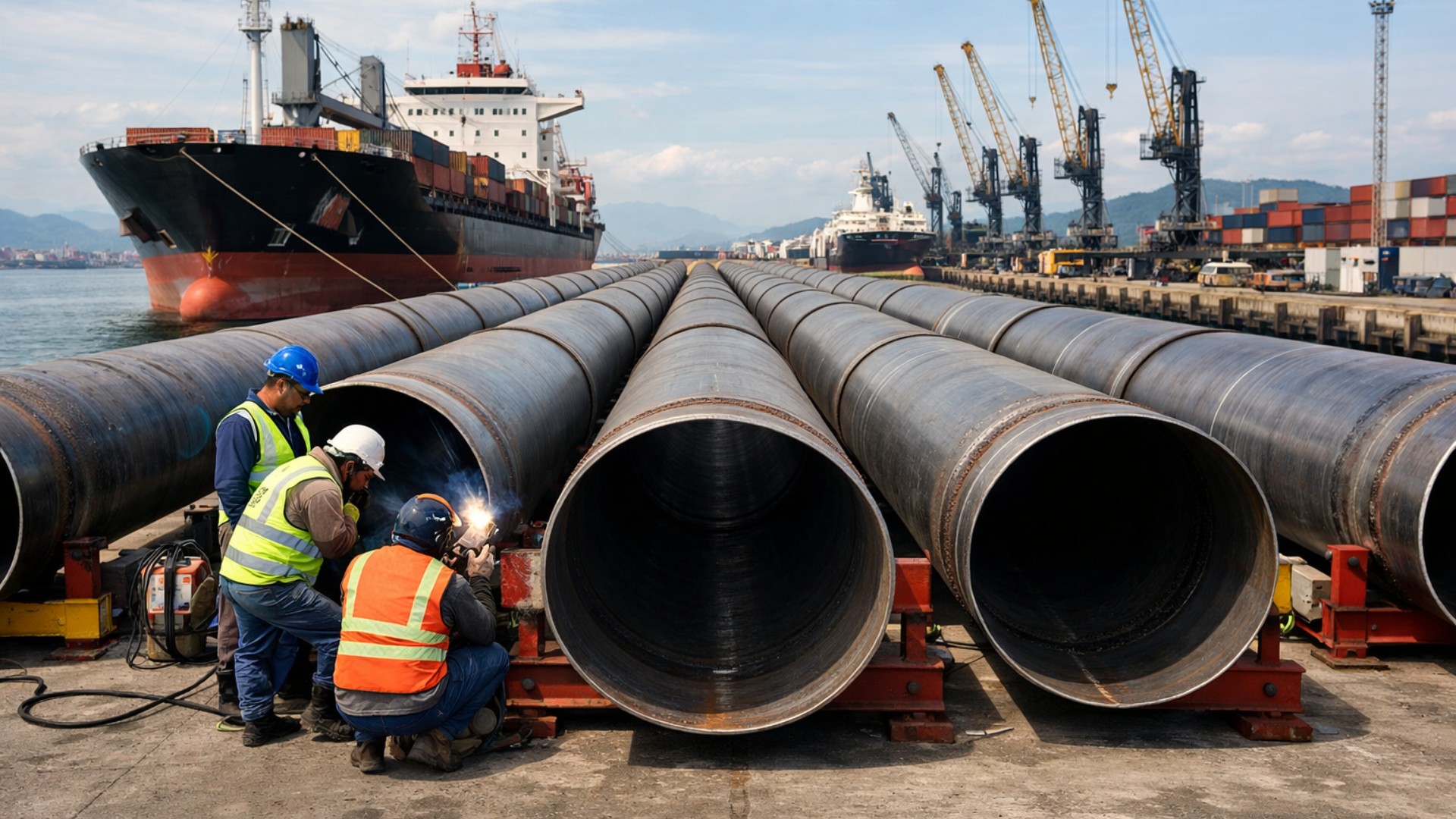
Giant underwater pipeline begins to take shape with a R$ 134.7 million project at the Port of Santos: the 1.7 km structure uses 12-meter and 700 mm pipes to supply water to 450,000 people in Guarujá.
-
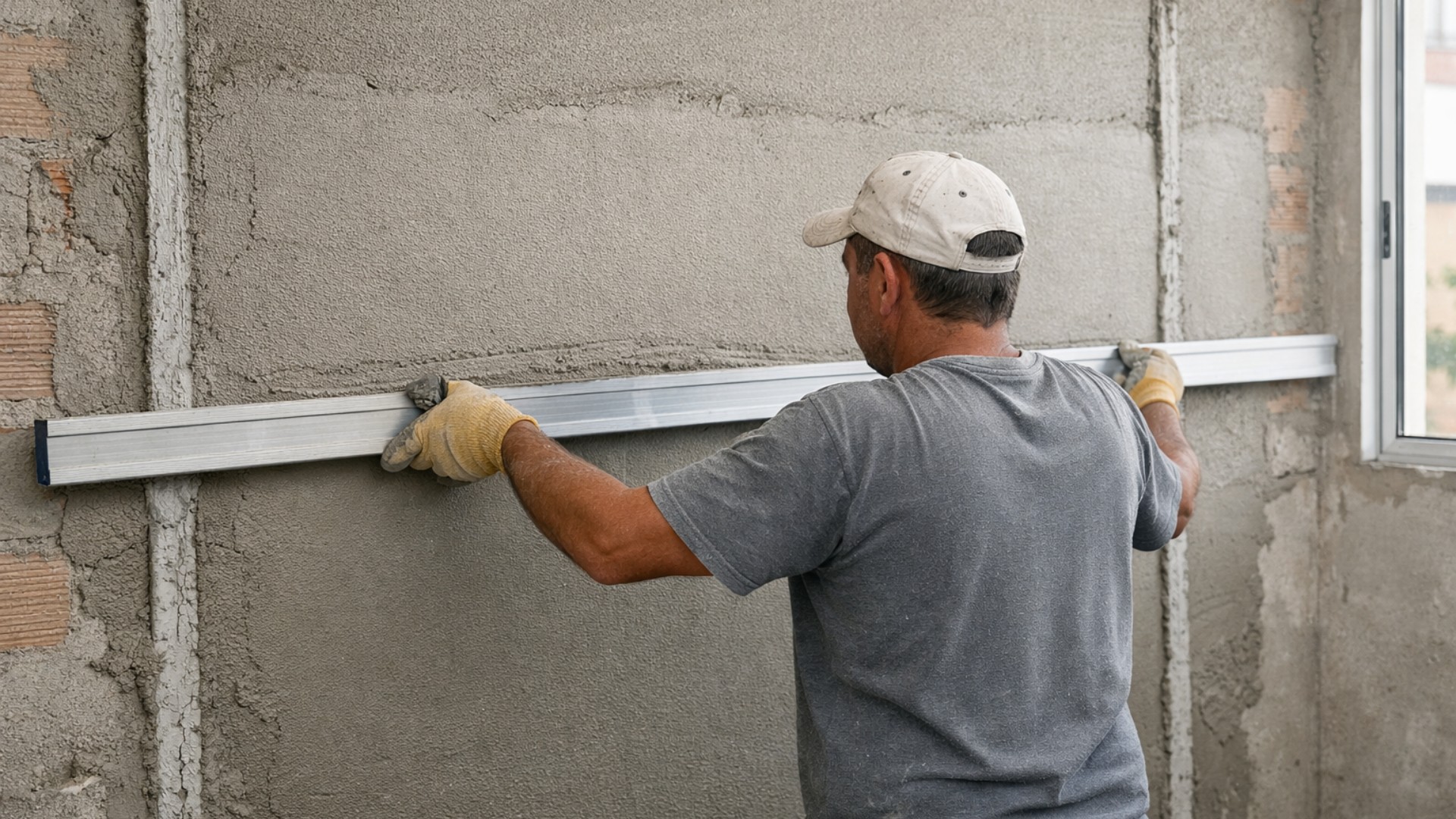
A mason reveals a professional plastering technique that uses aligned guides and a 3-meter ruler to plaster an entire wall in up to 3 hours, without visible seams, with uniform thickness, perfect plumb, and a finish ready for painting without rework.
-
The project that was supposed to be ready for the 2014 World Cup in Brazil debuted with a 12-year delay and nearly R$ 6 billion invested: the Line 17-Gold of the São Paulo monorail opened with reduced hours and is only expected to operate fully in October.


And the most impressive part: these paving slabs not only match the market price of their concrete counterparts, but they are also stronger, lighter, and more durable. Moreover, their manufacturing does not require cement, resulting in significant savings in energy and water usage.

Strategic Partnerships and Ambitious Plans
To amplify its impact, TileGreen has already established a collaboration with SODIC, one of Egypt’s largest real estate developers. The company is exploring new opportunities with other organizations to expand the use of its products, which are already gaining traction in the construction and paving markets. According to Khaled Raafat, co-founder of TileGreen, the goal is ambitious: by 2025, the startup aims to recycle more than 5 billion plastic bags.
In addition to the paving slabs, TileGreen has over 40 potential products in its pipeline, all made from plastic waste. These include conventional paving slabs, bricks, and beams. This innovation paves the way for a revolution in civil construction while combating the plastic pollution crisis.
In this context of investments to curb climate change and protect the environment, TileGreen’s proposal stands out as a crucial intervention. By transforming plastic waste into construction materials, the startup not only reduces pollution, but also offers a sustainable alternative for the construction industry, decreasing the reliance on cement and consequently its greenhouse gas emissions.
The Future of Sustainable Construction
TileGreen is yet another example of how innovation can be an ally in the fight against the climate crisis. The startup’s success in Egypt has already attracted the attention of other Arab countries, where Khaled Raafat and his team are already in talks to expand the use of their paving slabs.
Real estate developers and contracting companies that have already tried TileGreen’s products are excited about the results and plan to implement this solution on a large scale.
In addition to tackling the problem of plastic pollution, TileGreen offers a viable and more sustainable alternative for the construction sector, which has long sought to reduce its environmental impact. The hope is that, over time, more companies will follow the startup’s example and seek creative and effective solutions to environmental challenges.








Seja o primeiro a reagir!