





 Portuguese
  English
  Spanish
  3 min of reading
  0 comments


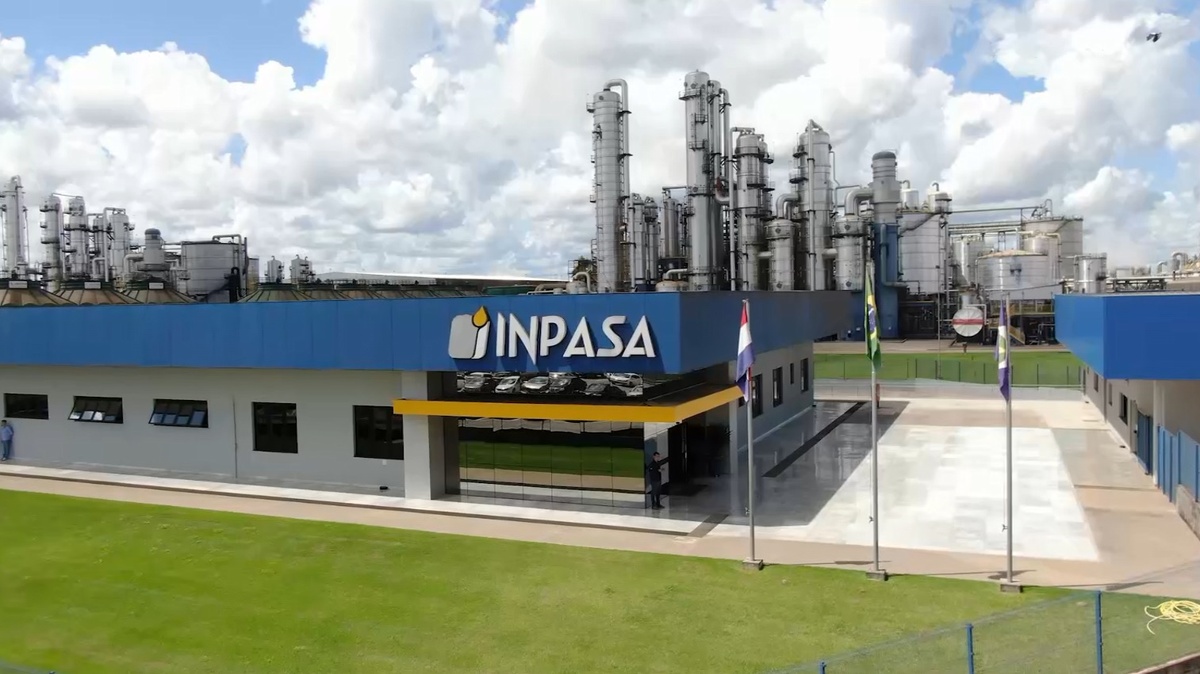
Brazilian Company Advances In Global Market For Sustainable Aviation Fuel With ISCC Corsia Certification
Inpasa, the largest grain ethanol producer in Latin America, received the international ISCC Corsia certification on May 23, 2025, recognized by the International Civil Aviation Organization (ICAO). This certification allows the company to supply ethanol and Technical Corn Oil (TCO) as raw materials for the production of Sustainable Aviation Fuel (SAF), consolidating its position in the global biofuel market.
Certification Expands Inpasa’s Operations In The SAF Sector
Initially granted to the Dourados (MS) unit, the ISCC Corsia certification now covers all Inpasa plants in Brazil. With this, the company is qualified to supply ethanol and TCO, a strategic byproduct in SAF production through technological pathways such as Alcohol-to-Jet (ATJ) and HEFA (Hydroprocessed Esters and Fatty Acids). Inpasa’s TCO production capacity is approximately 846 thousand kilos per day, totaling about 305 thousand tons per year. According to Christopher Davies Junior, Inpasa’s sustainability director, “the certification marks a new level of international credibility. We are anticipating trends, investing in technologies and contributing to a cleaner energy matrix for Brazil and the world.”
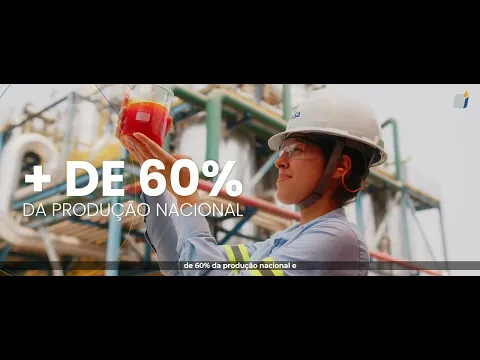

Expansion And Investments Strengthen Leadership In The Market
Inpasa started its operations in Brazil in 2019 after operating in Paraguay since 2008. Currently, the company has five plants operating in the country and plans to inaugurate a new biorefinery in Luís Eduardo Magalhães (BA) in 2026. In 2024, the company achieved a gross revenue of R$14.9 billion and invested about R$4.9 billion to expand its production capacity. The Sinop (MT) plant stands out as the largest corn ethanol production unit in the world, processing more than 4.6 million tons of the cereal and producing 2.1 billion liters of ethanol annually. With a daily production of approximately 16 million liters of ethanol, Inpasa accounts for about 17% of the national production of this biofuel, according to data from the National Corn Ethanol Union (UNEM) and the Agribusiness Consulting Society (SCA Brazil).
-
Brazil accelerates hydrogen and biofuel projects to consolidate the fuel of the future and reduce dependence on oil by 2026.
-
CNPE strengthens policy and prevents imported biodiesel from being mixed with diesel, aiming to strengthen the Brazilian industry and protect jobs by reducing external dependence amid tensions in the global market.
-
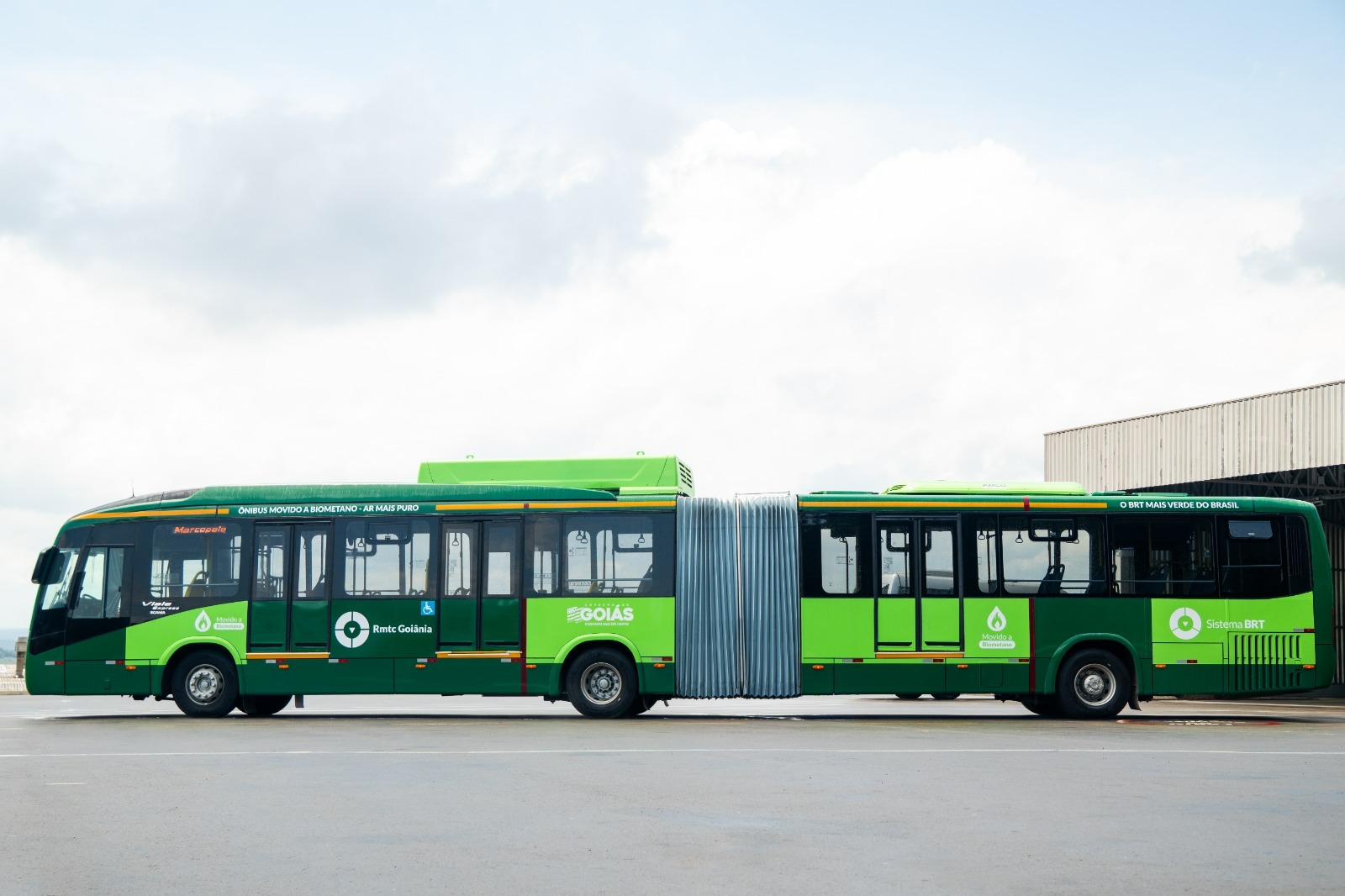
Revolution in public transport: Goiânia puts into circulation the first articulated buses powered by biomethane in Brazil and promises to drastically reduce pollution on the Anhanguera Corridor.
-
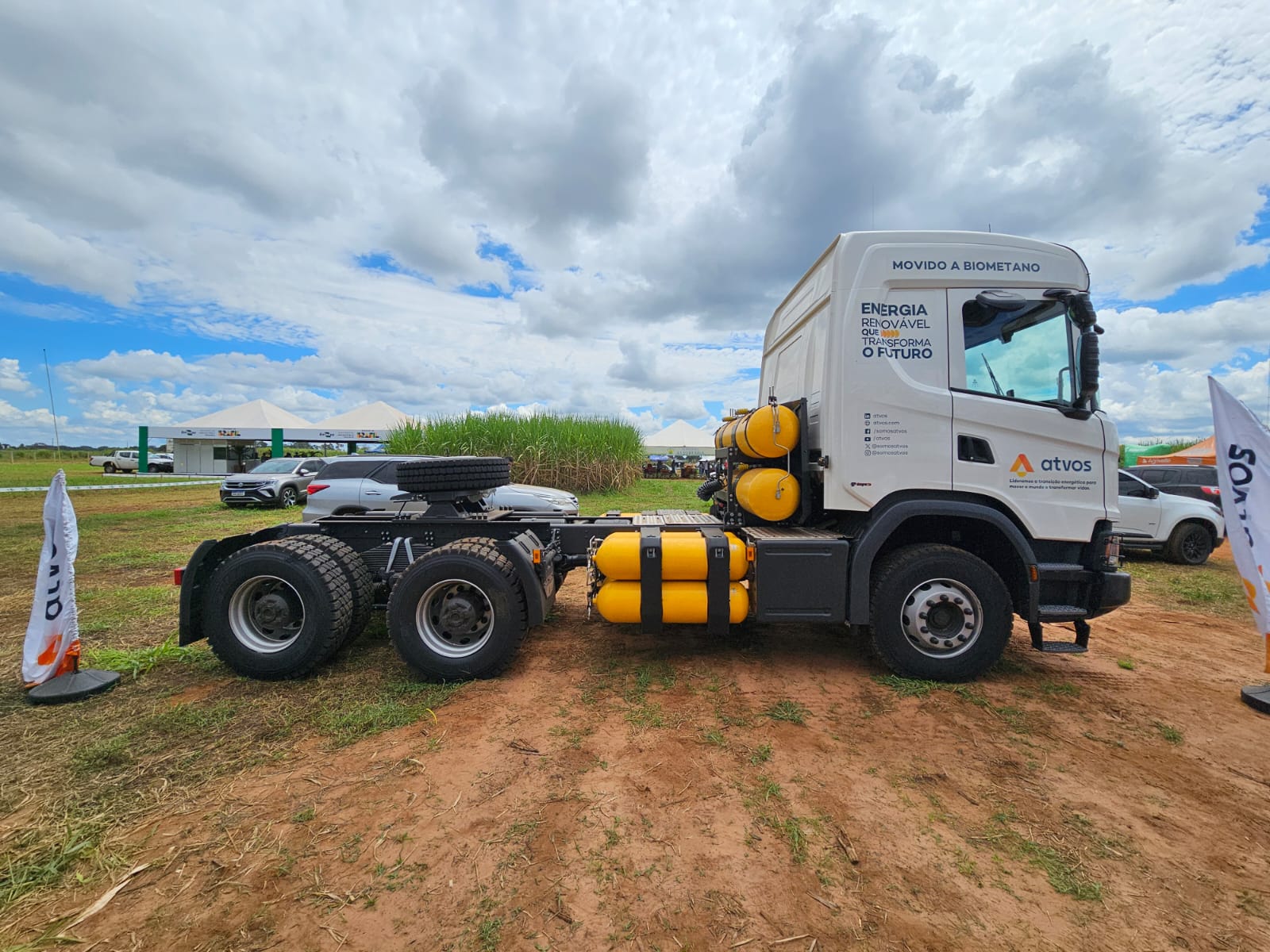
From the field to the pipelines: Mato Grosso do Sul accelerates the energy transition and consolidates a new axis in renewable energy with the arrival of a giant biogas plant.

Sustainability And Innovation Drive Growth
Inpasa uses second-crop raw materials, such as corn and sorghum, without affecting food production or land use. In 2024, it processed about 8.3 million tons of corn, producing 3.7 billion liters of ethanol. Since the beginning of operations in Brazil, it has avoided the emission of 15 million tons of CO₂ compared to fossil fuels. The company’s units are certified by RenovaBio and, in 2024, generated 1.3 million decarbonization credits (CBIOs).
Renewable Energy Matrix And Environmental Commitment
All of Inpasa’s units are self-sufficient, as they use renewable energy from various biomass sources, ensuring energy efficiency and sustainability. In addition, the company injects excess energy into the National Interconnected System (SIN), directly contributing to the national supply of clean electricity. In 2024, for example, the company generated 1,420 GWh, enough to supply 134 thousand homes for an entire year. Furthermore, the company has over 23 thousand solar panels in operation, both in Sinop (MT) and similarly in Dourados (MS). Finally, with certifications such as the gold seal of the GHG Protocol and the ISCC Corsia, Inpasa reinforces its environmental and global commitment.










Seja o primeiro a reagir!