





 Portuguese
  English
  Spanish
  3 min of reading
  0 comments



What Changed For The Tenant And Why This Increased Searches For Rights And Obligations
In October 2025, searches initiated with “tenant can” significantly increased and, therefore, revealed new doubts about rights and duties following changes introduced by the Tenancy Law, updated in November 2025, according to reports from the specialized press. As a result, a study conducted by Universal Software, a company dedicated to property management, mapped the most sought-after topics by Google users in Brazil and highlighted a scenario of greater attention to contractual and condominium rules. Moreover, the survey reinforced that the updates maintained the central structure of the Laws No. 8,245/1991, but brought adjustments that increased predictability and legal security. Thus, public interest grew and consequently originated specific doubts about voting rights, participation in assemblies, financial responsibilities, and limits of property use.
Main Doubts About What The Tenant Can Do
Consequently, the study highlighted that the most sought-after topics concentrated on two fronts: participation in condominium decisions, especially regarding assemblies, voting, and the possibility of assuming positions; and limits of property use, such as changing locks, receiving visitors, and maintenance rules. Additionally, the data showed that the legislative update intensified inquiries about practical situations in the daily life of renting.
What The Legislation Says About Assemblies And Responsibilities
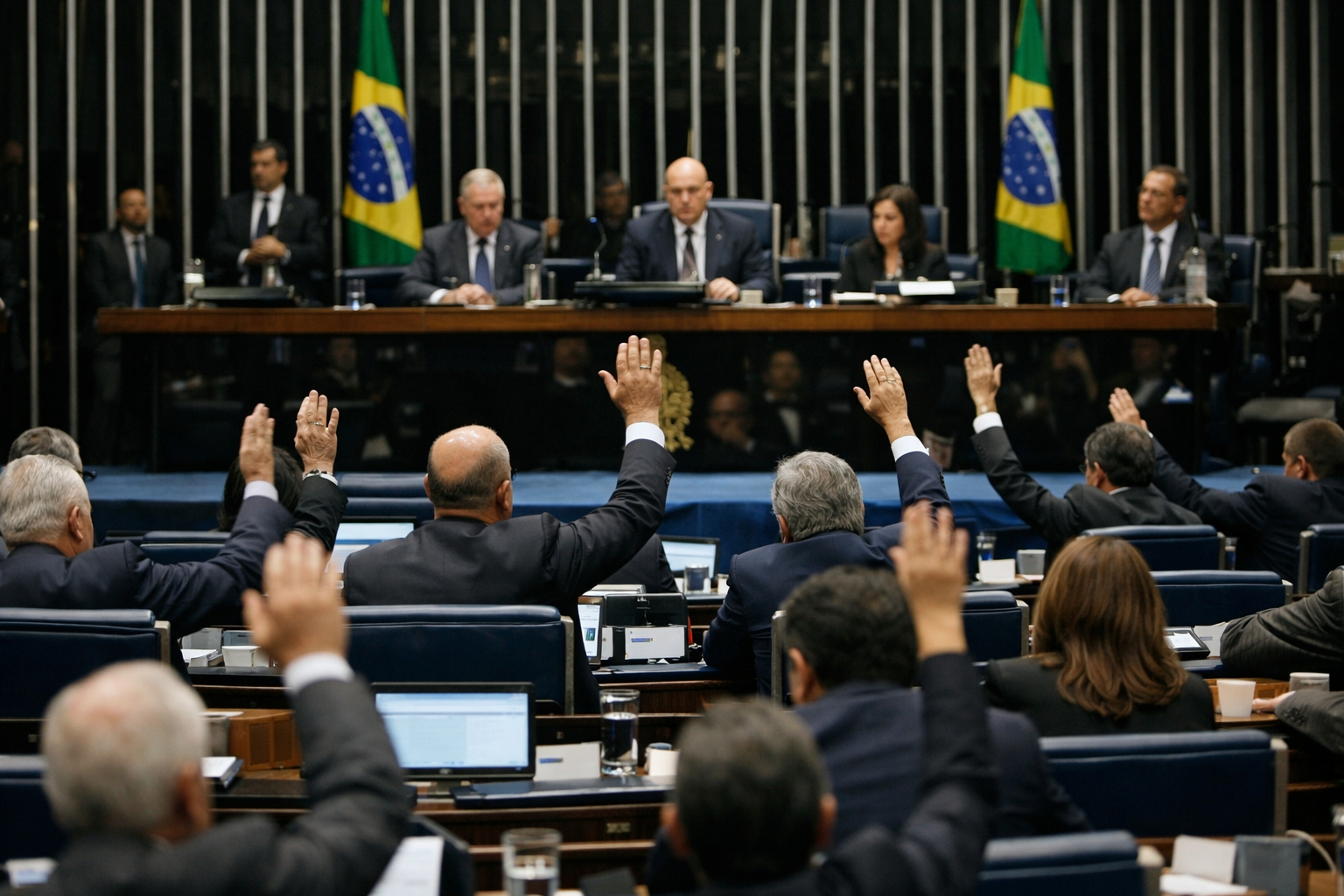
Therefore, many questions involved condominium participation. According to current legislation, the tenant can participate in assemblies, and can vote only when authorized by the owner, except on matters related to ordinary expenses, which are already their direct responsibility. Additionally, the study reinforced that there is no impediment for the tenant to be a manager or deputy manager, as the election depends exclusively on the assembly. Similarly, questions arose regarding financial obligations. The tenant can pay property tax, as long as this is agreed upon in the contract. However, they cannot request adverse possession, because the rental contract does not establish ownership with intent to own. Even so, the tenant can sell the commercial point, provided there is authorization from the owner and that there are no contractual restrictions.
-
The noise law will no longer be in effect at 10 PM starting in June with a new rule valid during the 2026 World Cup.

-
The Chamber opens a debate on driver’s licenses at 16 years old as part of a reform that includes around 270 proposals to change the Brazilian Traffic Code and may redesign rules for licensing, enforcement, and circulation in the country.

-
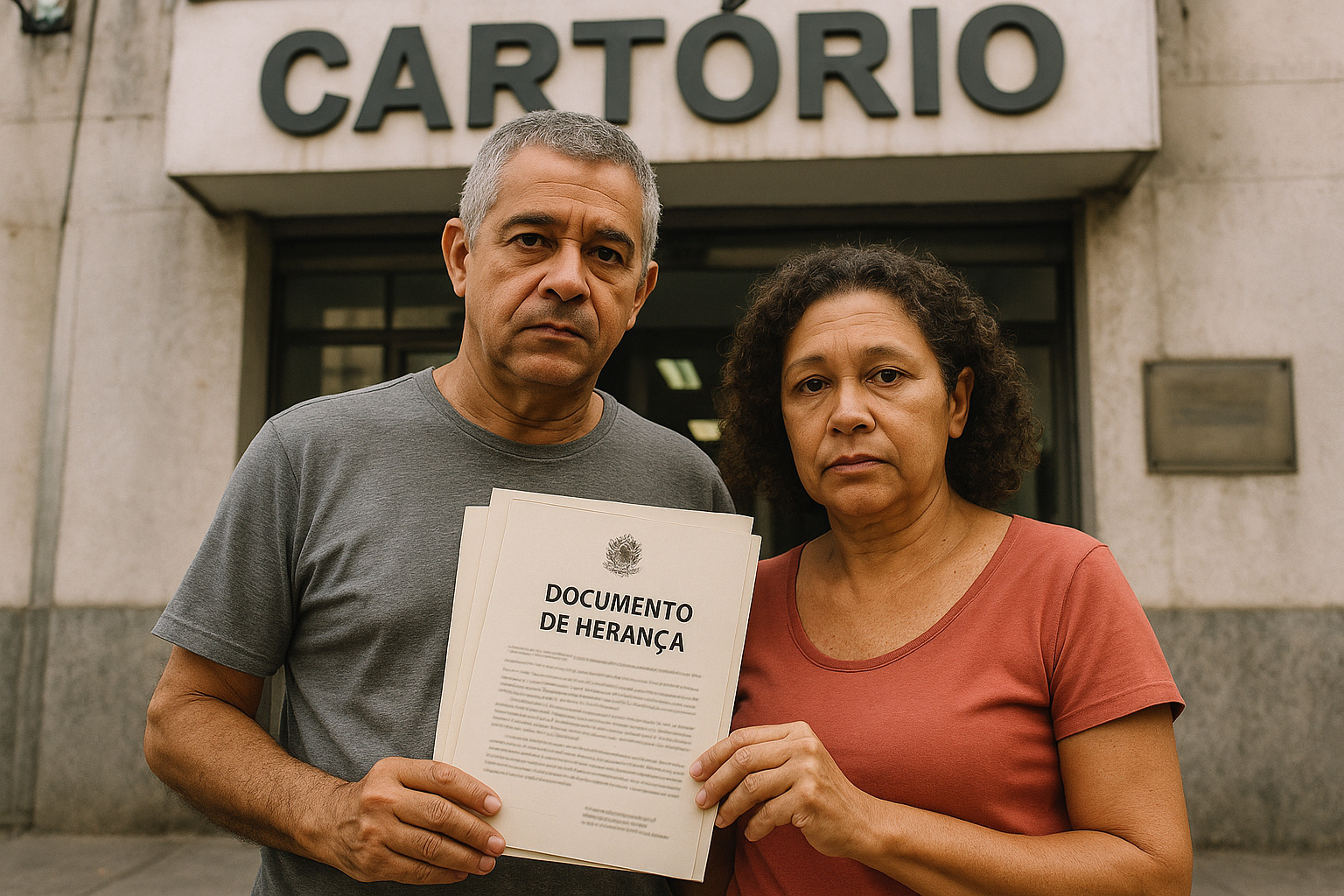
The new Civil Code could revolutionize marriages in Brazil with “express divorce” and changes that could exclude spouses from inheritance.
-
Banco do Brasil sues famous influencer for million-dollar debt and intensifies debate on delinquency, risks of seizure, and direct impact on Gkay’s credibility.


Doubts About Coexistence, Delays, And Daily Use Of The Property
Additionally, the survey showed that many users sought answers to practical questions, such as delays in rent. The tenant can delay payment, but this generates a fine and can result in eviction action, a process that became quicker with the adjustments made in 2025. Likewise, receiving visitors is allowed, and there is no express limit in law, as long as internal condominium rules are respected. However, the tenant cannot prevent the entry of a buyer, as the owner maintains this right with prior notice. Finally, changing the lock is permitted, provided that the key is returned at the end and that the procedure does not prevent authorized inspections.
Why The Doubts Increased In 2025
At the same time, the country registered growth in the urban rental market, especially among young professionals. Thus, the legislative changes in November 2025 created uncertainties, increasing the search for answers on Google. Therefore, the Universal Software study showed that the public wants to understand, precisely, what the tenant can do, avoiding conflicts and strengthening relationships between landlords, tenants, and condominiums.









-

-

-

3 pessoas reagiram a isso.