





 Portuguese
  English
  Spanish
  5 min of reading
  0 comments


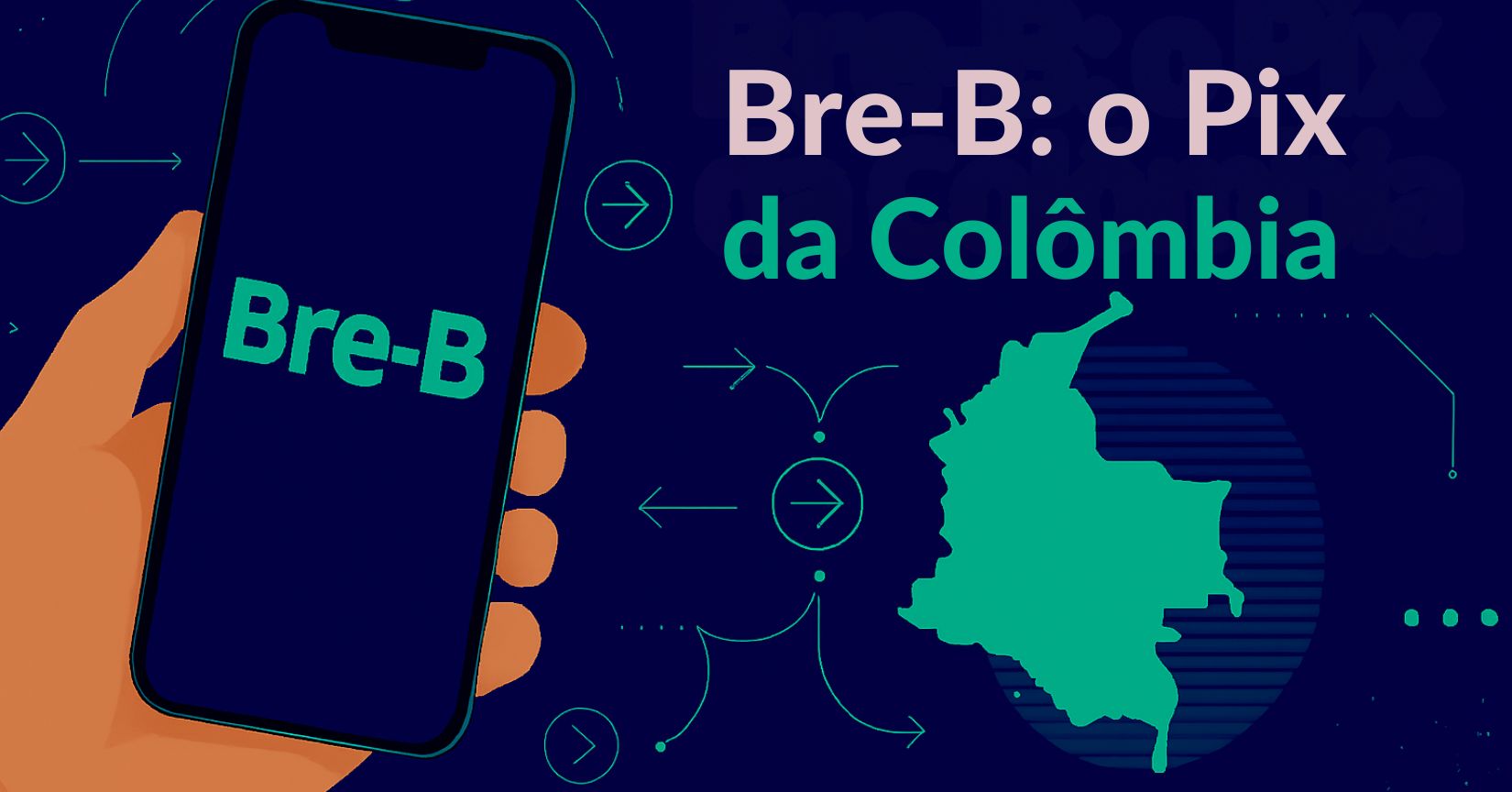
Colombia Launched Bre-B, Its National Instant Payments System Inspired by Brazil’s Pix. The Initiative Promises to Revolutionize Digital Transactions and Expand Financial Inclusion in the Country.
The Pix, created by the Central Bank of Brazil in 2020, has become one of the largest financial phenomena in recent history. With over 160 million active users and trillions transacted annually, it has inspired dozens of countries to create their own versions of the system. Now, the Colombia is following this path, having officially launched Bre-B (Banco de la República en Línea) on May 6, 2024, according to an announcement from the Bank of the Republic, the Colombian central bank.
The goal is ambitious: to completely transform the way Colombians make payments, transfers, and daily transactions without relying on physical cash and with instant settlement.
Bre-B: The New System That Aims to Digitize the Entire Colombian Economy
The Bre-B stands for Banco de la República en Línea (Bank of the Republic Online). Developed in partnership with the Colombian government and the country’s leading financial institutions, the system operates very similarly to Brazil’s Pix:
-
The minimum wage for 2027 could reach R$ 1,717, and the value circulating in government circles is beginning to raise curiosity as it suggests possible changes in income, social benefits, and the purchasing power of millions of Brazilians.

-
These 6 professions allow you to retire early with just 15 years of contribution and 55 years of age.

-
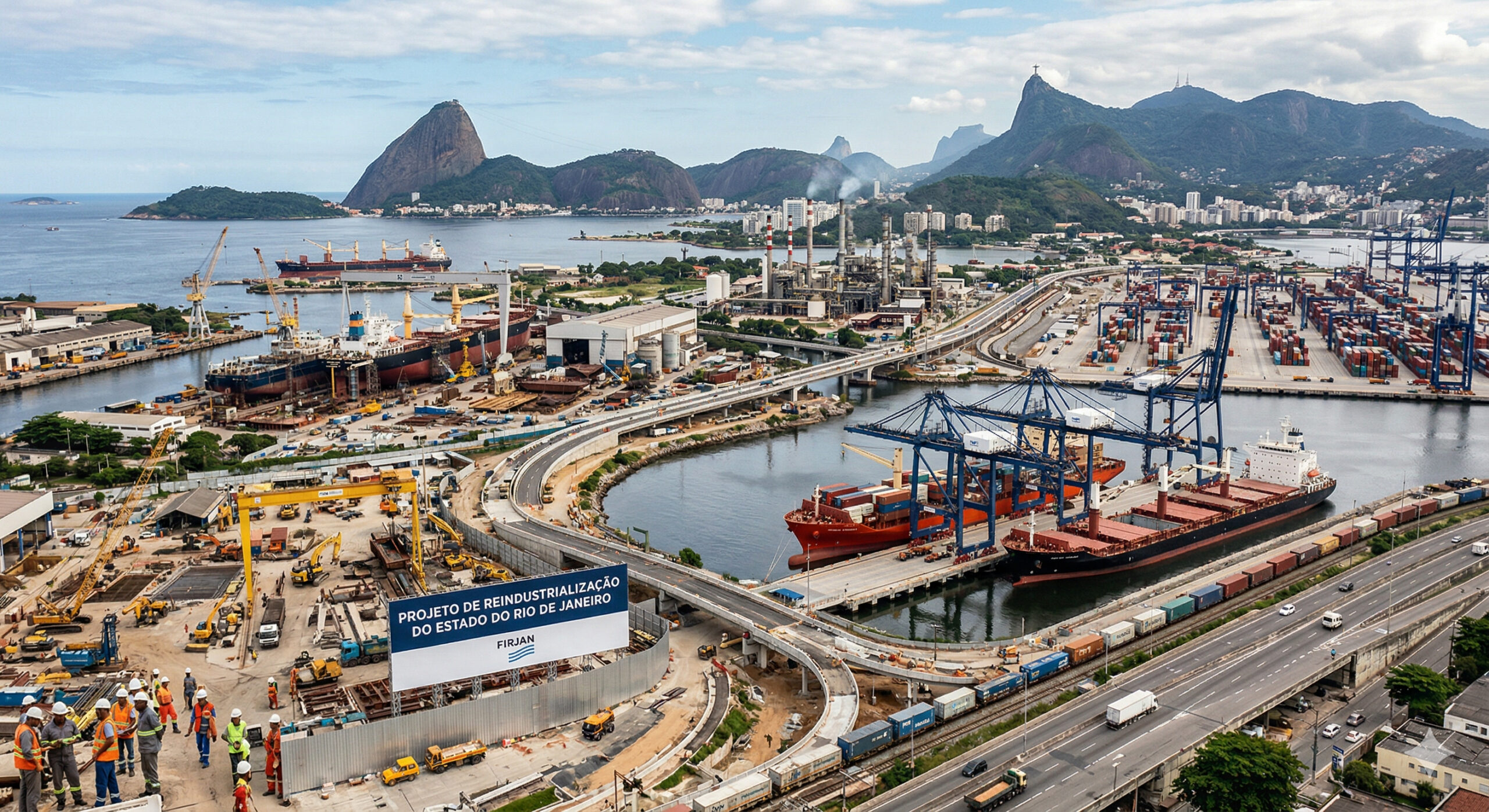
The plan of R$ 526.3 billion that could reindustrialize Rio de Janeiro by 2028 includes nearly 2,000 projects mapped by Firjan and creates one of the largest waves of investments ever concentrated in a single Brazilian state.
-
The shot backfired: the United States sanctions intended to curb China ended up creating a record revenue boom for Chinese chip manufacturers, with growth of up to 247% in a single year.

- Instant payments, 24 hours a day, 7 days a week;
- No fees for individuals;
- Transfers via QR Code, cell phone number, or email;
- Integration with banks, digital wallets, and fintechs;
- Direct settlement between accounts in seconds.


According to the Bank of the Republic, the goal is to ensure financial inclusion for millions of Colombians who are still outside the traditional banking system. It is estimated that more than 40% of the Colombian population does not yet have a bank account — a number that Bre-B aims to drastically reduce by 2026.
“Bre-B is the first step towards the digital transformation of the Colombian financial system. It draws inspiration from successful models like Pix and aims to reduce costs, increase security, and democratize access to electronic money,” said Leonardo Villar, general manager of the Bank of the Republic, during the launch ceremony.
The Direct Impact on the Population with the Arrival of Bre-B
With Bre-B, any Colombian citizen will be able to send or receive money in seconds, using only their cell phone, even without a credit card.
The expectation is that millions of micro-entrepreneurs, app drivers, street vendors, and service providers will begin to operate digitally, without relying on intermediaries or high bank fees.
The system also promises to strengthen e-commerce and the informal economy, offering a simple and secure alternative for transactions between individuals and businesses.
Just as happened in Brazil, Bre-B is expected to significantly reduce the use of cash and the operational cost of physical money.
“Our goal is for Bre-B to become part of Colombians’ daily routines, just as Pix is in Brazil,” declared Adriana Arango, director of financial innovation at the Bank of the Republic.
Pix as Inspiration: Brazil Exporting Financial Technology
Since its inception, Brazil’s Pix has become an international model. The Central Bank of Brazil has been approached by various countries in Latin America, Africa, and Asia interested in replicating the system.
Among those who have already created or are developing similar solutions are Argentina (Transferencias 3.0), Mexico (CoDi), India (UPI), and now Colombia (Bre-B).
According to a report from the International Monetary Fund (IMF), Pix is considered “the largest global reference in integrated instant payments”.
The success of the Brazilian model has inspired public policies that connect banks, fintechs, and citizens in real time, promoting a silent revolution in how money circulates.
The adoption of Bre-B represents another step in this regional expansion — consolidating Brazil as an exporter of financial innovation and Colombia as a leader in banking modernization in South America.
What Changes for the Colombian Financial System
With Bre-B, banks in Colombia are now required to integrate their systems with the central platform of the Bank of the Republic, ensuring that all financial institutions can communicate with each other. Interoperability is key to success and the same principle that transformed Pix into a phenomenon.
In addition, the system is fully digitized, which means reduced fraud, traceability of operations, and greater fiscal transparency. Transactions are monitored by artificial intelligence, capable of identifying suspicious patterns and preventing fraud in real time.
The Colombian government also announced that Bre-B will be integrated with social programs and government transfers, allowing benefits to be paid directly into citizens’ digital wallets without intermediaries or bank queues.
Security and Cutting-Edge Technology
The Bre-B platform uses a cloud banking architecture, with redundant servers and end-to-end encryption, similar to the model adopted by the Central Bank of Brazil. The system is based on the ISO 20022 protocol, the same used by global networks such as SWIFT and FedNow (the U.S. instant payment system).
This technological foundation ensures security, scalability, and speed, with an average settlement time of less than 2 seconds. The system will also be compatible with offline payments, using temporary tokens that allow transactions even without internet — a feature scheduled for 2025.
A New Chapter for the Colombian Economy
The launch of Bre-B marks a historic turning point in Colombia’s economy. Experts estimate that the system could transact more than US$ 150 billion per year when fully implemented, reducing costs for companies and boosting domestic consumption.
Additionally, the country is expected to gain greater international competitiveness, attracting fintechs and digital payment startups interested in developing solutions integrated into the new ecosystem.
The expectation is that Bre-B will also strengthen trade between Brazil and Colombia, as both nations explore future integrations between regional instant systems within the scope of the Mercosur and the Pacific Alliance.
Bre-B represents more than a financial innovation; it is a symbol of Brazil’s technological influence over its Latin American neighbors. Directly inspired by Pix, the new Colombian system reinforces South America’s role as a cradle of disruptive financial solutions that unite simplicity, efficiency, and inclusion.
Just as Pix changed Brazilians’ daily lives, Bre-B promises to transform Colombians’ relationship with money, paving the way for a more modern, digital, and connected economy.
At the center of this transformation lies the proof that Brazilian innovation is setting the pace for the future of global finance.








-

Uma pessoa reagiu a isso.