





 Portuguese
  English
  Spanish
  4 min of reading
  0 comments


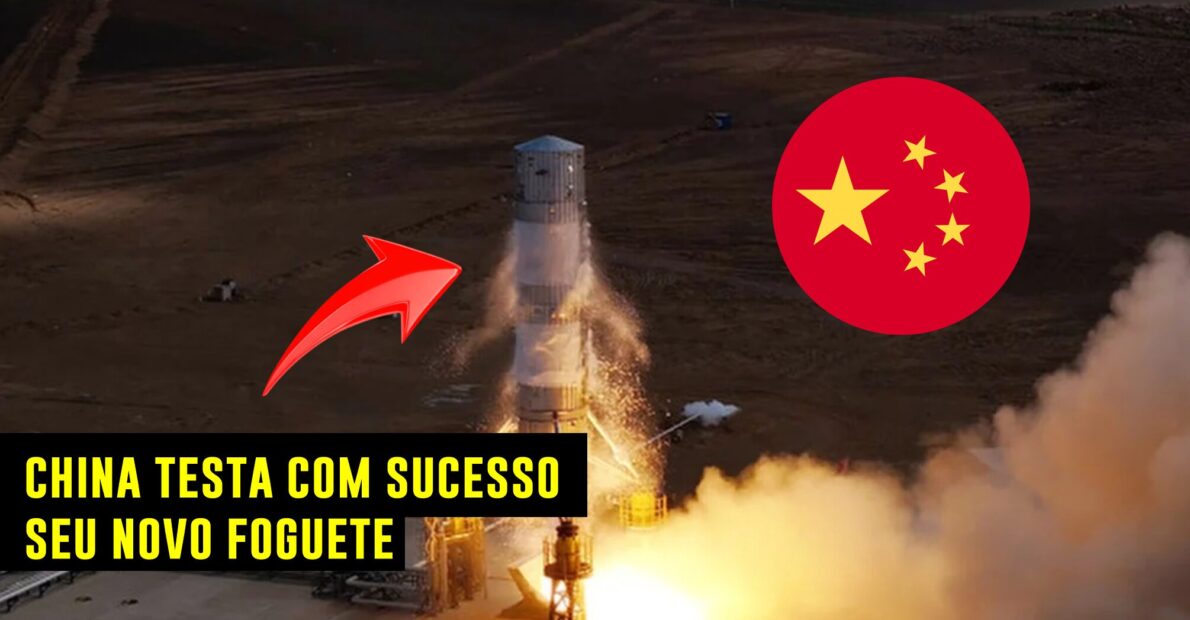
China Successfully Conducted Test of Its First Reusable Rocket, Inspired by Elon Musk’s Innovative SpaceX Technology. See How This Achievement Could Transform the Space Race
LandSpace, one of the leading rocket developers in China, has just reached a milestone in space exploration with its reusable Zhuque-3 rocket. In a successful test, the rocket, independently developed by the company, performed a vertical takeoff and landing test, reaching an altitude of 10 km. This feat marks an important advance for the Chinese space industry, which has been seeking low-cost, high-frequency solutions for space launches, while also keeping pace with the evolution of SpaceX, Elon Musk’s company.
The test, lasting 200 seconds, was the first to test the reignition of the engine on a Chinese rocket, an essential step for the deceleration and recovery of reusable rockets.
This phase is considered crucial for the success of the mission and puts China on a promising path toward more efficient space launches.
-
The oceans are darkening all over the planet – what is happening?

-
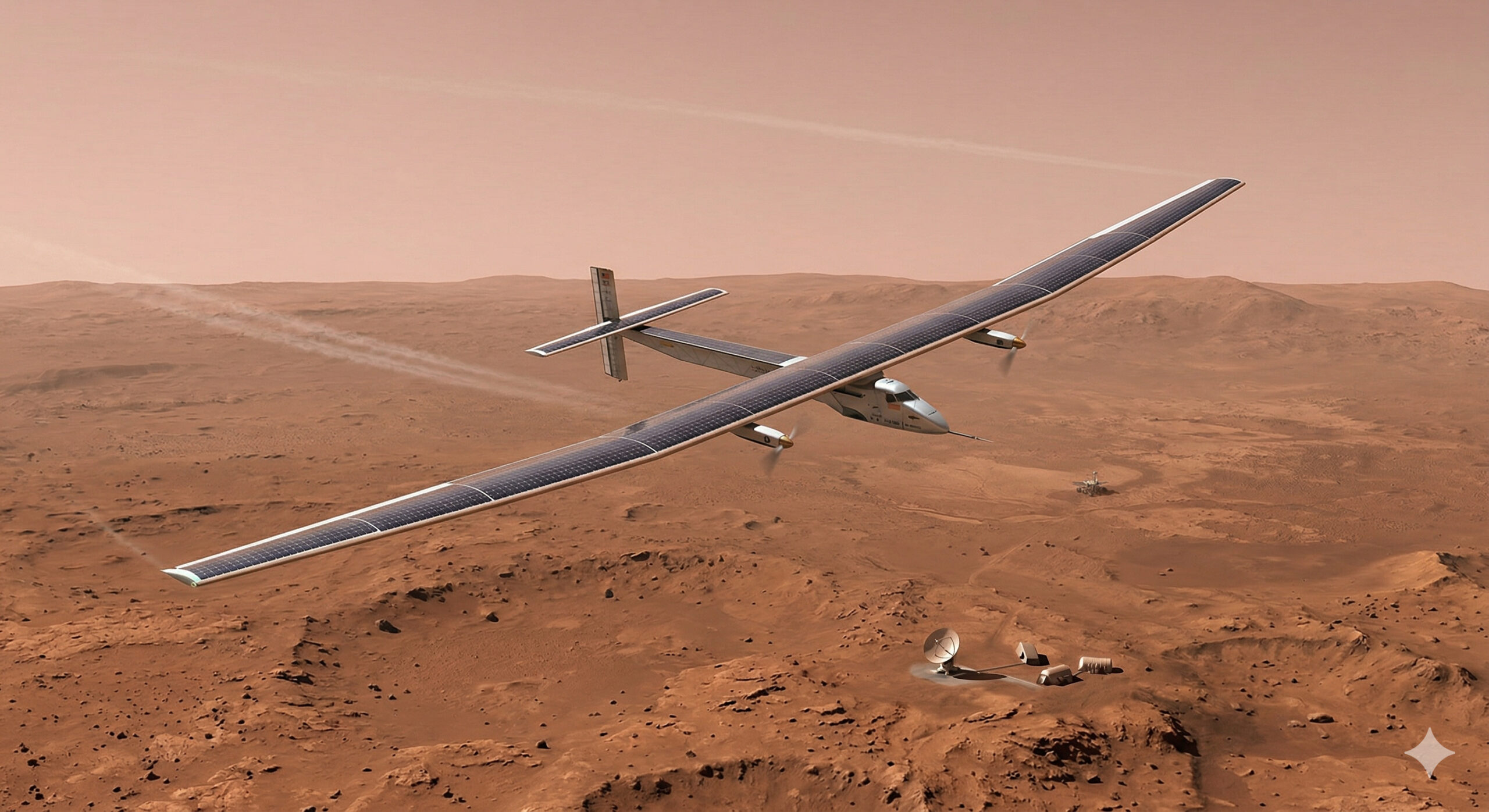
An engineer designs a solar plane to fly on Mars at an altitude of 1,000 meters and a speed of 300 km/h, covering 16,000 kilometers in a Martian year, 900 times the distance traveled by the Ingenuity helicopter in three years on the planet before experiencing a rotor failure, and NASA is already funding the feasibility study.
-
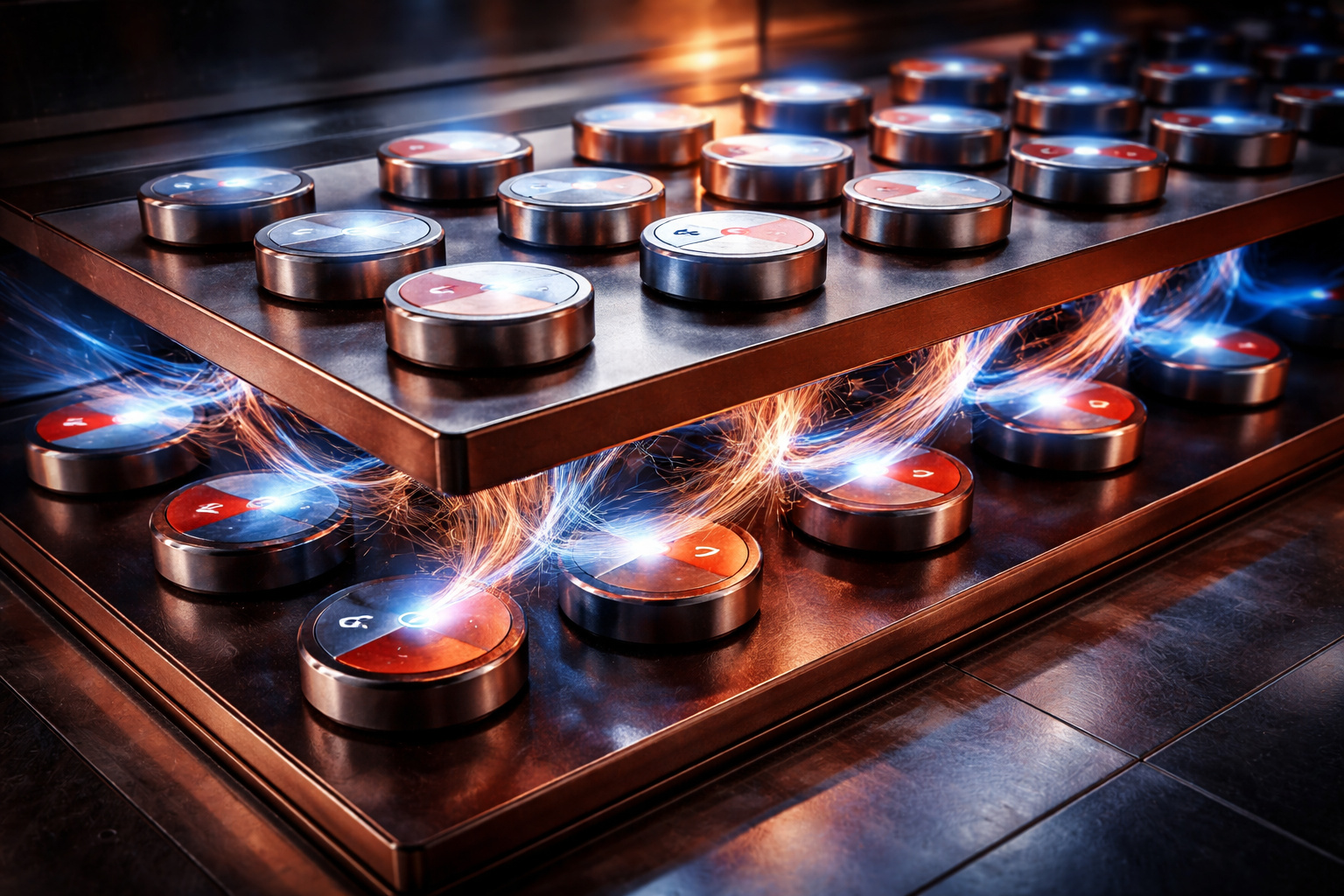
A new phenomenon of contactless magnetic friction intrigues scientists and questions a theory that has been valid since the 17th century.
-
An impressive phenomenon in Northern Brazil causes rivers of different colors to flow side by side, revealing secrets about sediments, currents, and biodiversity.


According to the state broadcaster CCTV, this advancement represents a significant step for the country’s commercial space sector.
Dai Zheng, commander of the Zhuque-3 project, stated that the test validated important technologies, such as the shutdown and restart of the engine during flight, as well as guidance and control systems, culminating in a high-precision landing.
According to Zheng, these results pave the way for a future of more accessible and frequent launches. “We have established a solid foundation for the flight and recovery of the rocket,” commented the commander.
SpaceX of Elon Musk Still Dominates the Sector
Despite the success, one of the engineers from the Zhuque-3 team, who chose to remain anonymous, told the South China Morning Post that while the test exceeded expectations, Chinese technology is still significantly behind SpaceX, the sector giant based in Texas.
“China may have its own Falcon 9 rocket in five years and a spacecraft like Starship in about 20 years. We have to work hard to reach that level”, said the engineer, reflecting on the future of the Chinese space sector.
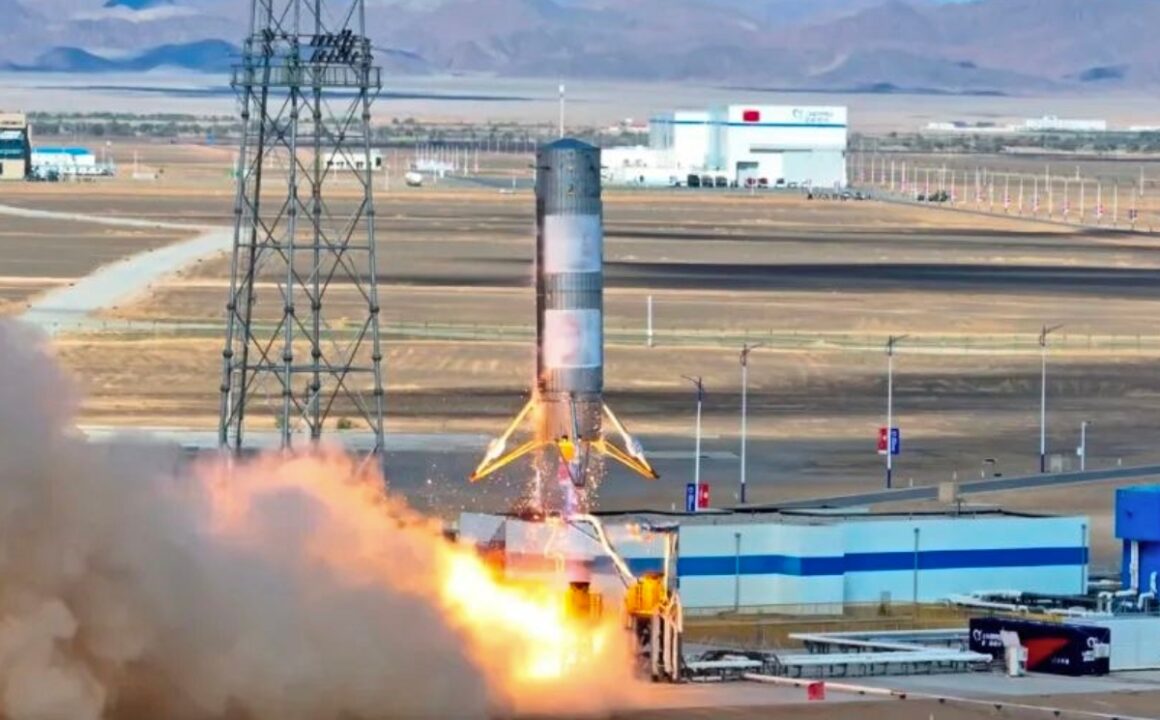
The Zhuque-3 rocket used in the test is 18.3 meters (60 feet) tall and is powered by a single Tianque-12B engine, which was also independently developed by LandSpace.
However, the final version of the Zhuque-3, expected to enter operation in the coming years, will have an impressive height of 76.6 meters (251 feet) and will be equipped with nine Tianque-12B engines, making it one of the most powerful rockets ever built in China.


Test Flight Details
The test flight began at the Jiuquan Satellite Launch Center in northern China. About 113 seconds after liftoff, the engine was shut down, and the test rocket reached its maximum altitude of 10,002 meters (32,800 feet).
Immediately after, the engine was reactivated for the deceleration and landing phase, during which the rocket descended to 4,640 meters (15,200 feet) above ground.
One of the most notable achievements of this test was the precision of the landing. The test rocket landed less than 2 meters from the center of the landing platform, which was located 3.2 km from the launch site. This level of precision is critical for the development of reusable rocket technologies.
Promising Future for the Zhuque-3 – Reusable Rocket
The Zhuque-3 is a two-stage rocket designed to be China’s first stainless steel liquid propellant rocket. It will use methane and liquid oxygen as fuels, providing a total thrust of 900 tons at liftoff.
This rocket has the capacity to carry up to 21.3 tons to low Earth orbit on single-use missions, and 18.3 tons on recovery missions.
The developers at LandSpace aim to reuse the first stage of the rocket at least 20 times, which would be a significant advance for China’s space launch market.
The expectation is that the inaugural flight of the Zhuque-3 will occur in 2025, positioning the company as a strong competitor in the satellite constellation launch market, especially regarding broadband internet services.
Additionally, the Zhuque-3, along with other reusable rockets in development in China, will contribute to high-frequency launches of broadband internet constellations such as Guo Wang and Thousand Sails, each with over 13,000 satellites.
This development promises to solidify China’s position in the global landscape of space exploration while also boosting competitiveness in the private sector.
In summary, LandSpace is paving a promising path with the Zhuque-3, and the ongoing success of its tests could transform the Chinese commercial space industry, opening new opportunities for exploration and innovation.








Seja o primeiro a reagir!