Portuguese
  Spanish


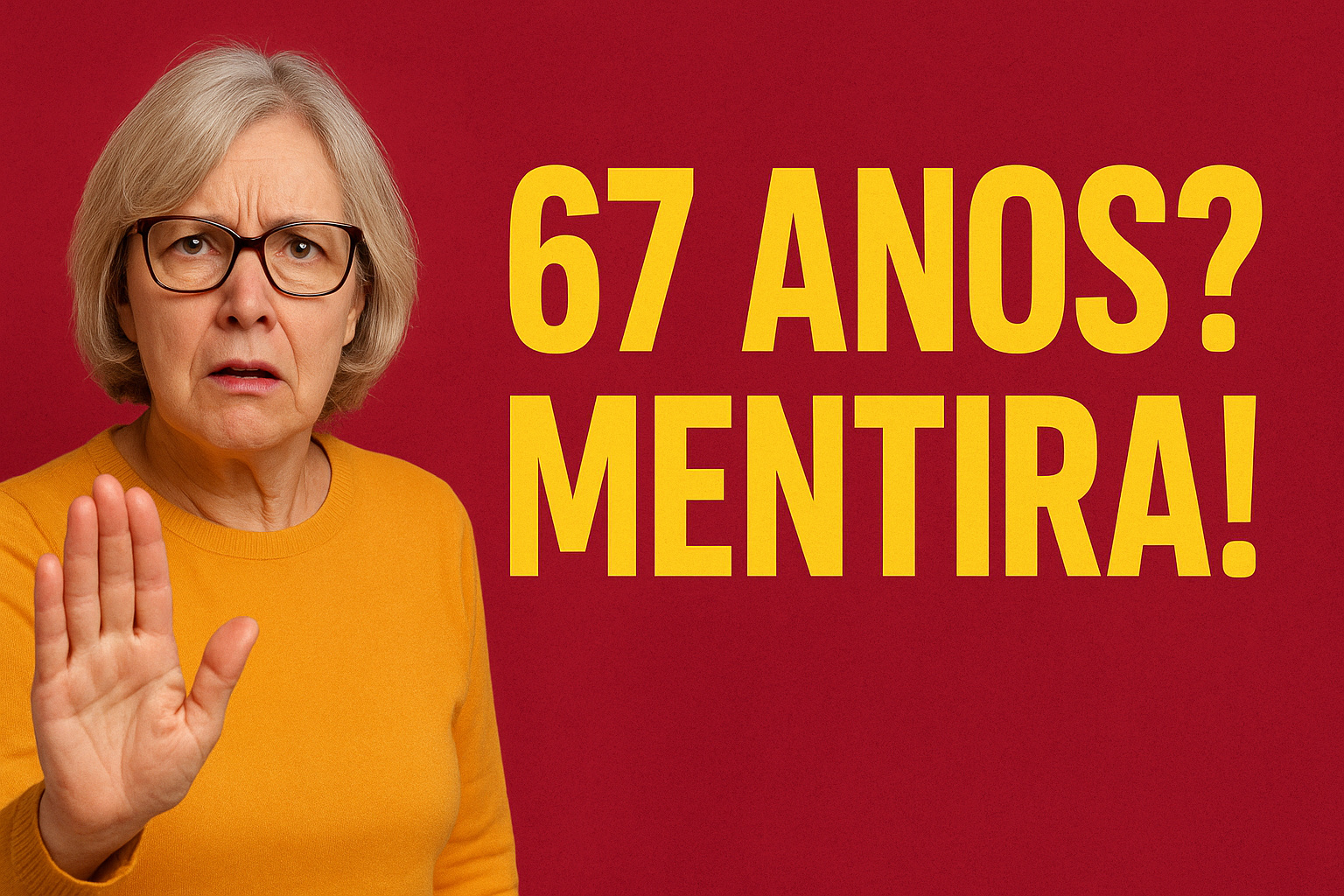

It Is False That Retirement Will Increase to 67 Years in Brazil. INSS Confirms: Current Rules Remain 62 Years for Women and 65 for Men.
Fake News About Retirement Shakes Social Media in Brazil
A viral post left thousands of Brazilians unsure about retirement rules.
On Saturday, September 13, 2025, a post on social media platform X (formerly Twitter) claimed that the minimum retirement age in Brazil would increase to 67 years. The message gained immediate traction, surpassing 90,000 views in just a few hours.
What seemed like an official news item was, in fact, false information. The INSS and the Ministry of Social Security confirmed that there is no proposal or ongoing study to change the minimum age in the country.
-
Seniors Over 60 Can Travel for Free Across Brazil: Elderly Statute Ensures Two Free Bus Seats and 50% Discount When Full for Low-Income Passengers

-
Detran RJ starts requiring a toxicological test for those obtaining their first driver’s license in the car and motorcycle category starting June 29; see who will be affected.

-
Florida takes TikTok to court and accuses the Chinese giant ByteDance of ignoring the law that bars minors under 14, while parents and authorities demand more protection for children on social networks.
-
Chamber approves constitutional amendment reducing the age of criminal responsibility from 18 to 16 years; what now?




INSS Confirms: Retirement Rules Remain the Same
The rumor spread using a screenshot of a true report, but out of context. The text referred to a pension reform in Germany, approved in 2007, which set a gradual increase in the retirement age from 65 to 67 years by 2031.
In Brazil, this rule has never existed. The Ministry of Social Security reaffirmed that current legislation follows the Pension Reform of 2019, without any recent changes. Therefore, any content claiming otherwise is fake news.
Retirement in Brazil: How It Works Today
Those who began contributing to the INSS after November 2019 must follow the requirements set by the reform:
- Women: minimum age of 62 years and 30 years of contribution.
- Men: minimum age of 65 years and 35 years of contribution.
For those who contributed before the reform, there are transitional rules that allow for earlier retirement in some cases. In these models, the minimum age can be 59 years for women and 64 years for men, depending on the accumulated contribution time.
These conditions are part of Brazilian social security law and are fundamental to understanding when each insured person can retire.
Why Did the Fake News Confuse So Many People?
The main reason was the lack of context. The shared headline is real, but it refers to foreign legislation. By omitting this information, those responsible for the post led readers to believe in a change in retirement in Brazil.
This type of misinformation harms those who depend on contribution time to plan for the future. Additionally, it causes unnecessary fear among workers who are nearing retirement.
INSS Calendar 2025: Confirmed Payments
In addition to reaffirming the rules, the INSS also released the payment calendar for 2025. Payments are organized according to the final number of the benefit (excluding the check digit).
- For those who receive up to a minimum wage, payments start on January 27 and continue until December 22.
- For those who receive above a minimum wage, the dates range from February 3 to January 8, 2026.
All official information can be checked on the Meu INSS app or on the gov.br portal.
How to Protect Yourself from False Information About Retirement
To avoid falling for rumors, in addition to following the guidance of social security law experts, it is essential for insured individuals to always check the official INSS channels.
Therefore, news that does not present a reliable source or that circulates only through shared screenshots on social media should raise immediate suspicion.
Additionally, workers and retirees need to make a habit of seeking updated information directly on the Meu INSS app, on the official government portal gov.br, and, above all, from recognized news outlets known for their credibility.
This way, it is possible to protect yourself from fake news and ensure security in retirement planning.