





 Portuguese
  English
  Spanish
  4 min of reading
  0 comments


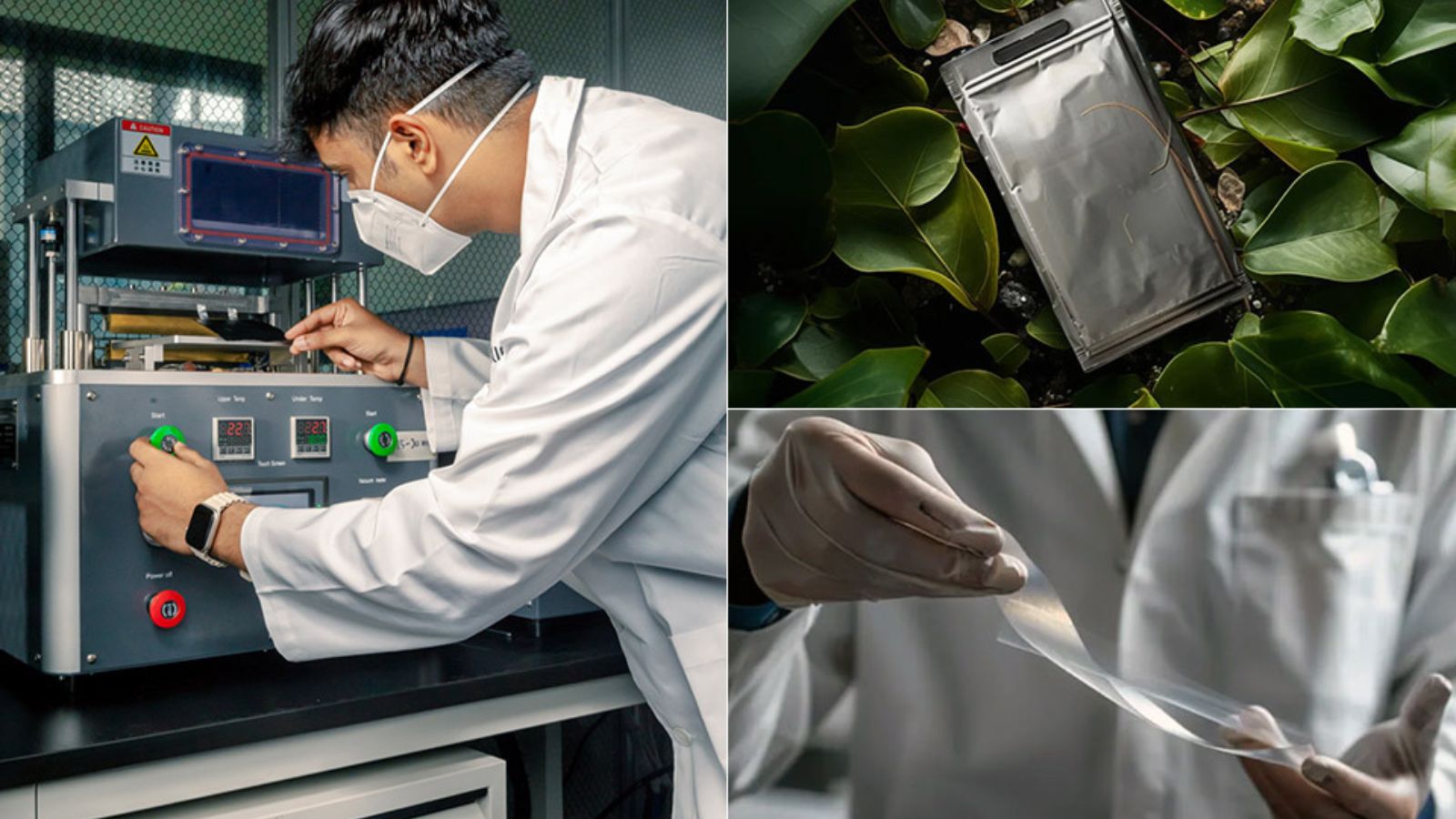
Paper and salt battery presented at CES 2026 does not use lithium, does not explode, is rechargeable, and decomposes in soil in weeks after disposal
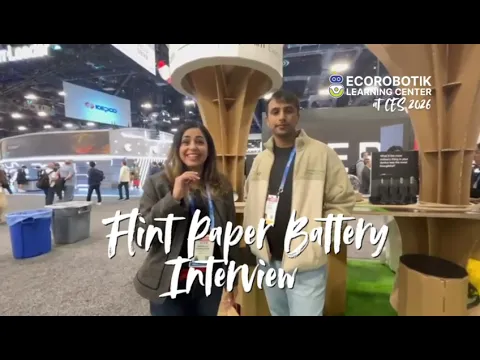
At CES 2026, held in Las Vegas, while major companies like Samsung, LG, and Sony showcased cutting-edge screens and home robots, a Singapore startup called Flint displayed a product that looked like a simple piece of gray cardboard. It was, in fact, a thin and flexible rechargeable battery that does not use lithium, cobalt, nickel, or lead. According to publications such as Dezeen, PR Newswire and CleanTechnica, the so-called Flint Paper Battery went into production in January 2026, with its own factory in Singapore. The company already has pilot partnerships with Logitech and Amazon, as well as plans for expansion into the European market.
Global lithium battery problem involves low recycling and increasing environmental impact
The world produces more than 50 billion batteries per year. Most use materials such as lithium, cobalt, nickel, or lead, which are considered toxic and difficult to recycle.
Less than 5% of lithium batteries are effectively recycled globally. Most are discarded in landfills or incinerated, releasing harmful substances into the environment.
-
A ship with 500,000 silver coins and 45 tons of gold sank and was never recovered; meet Royal Merchant, the ship that became one of the greatest maritime disasters in history.

-
Frequently praised by astronauts aboard the International Space Station, the “desert” that shouldn’t exist in Lençóis Maranhenses encompasses 156,000 hectares of shifting dunes and thousands of blue lagoons that appear and disappear, reshaping the landscape with each season.

-
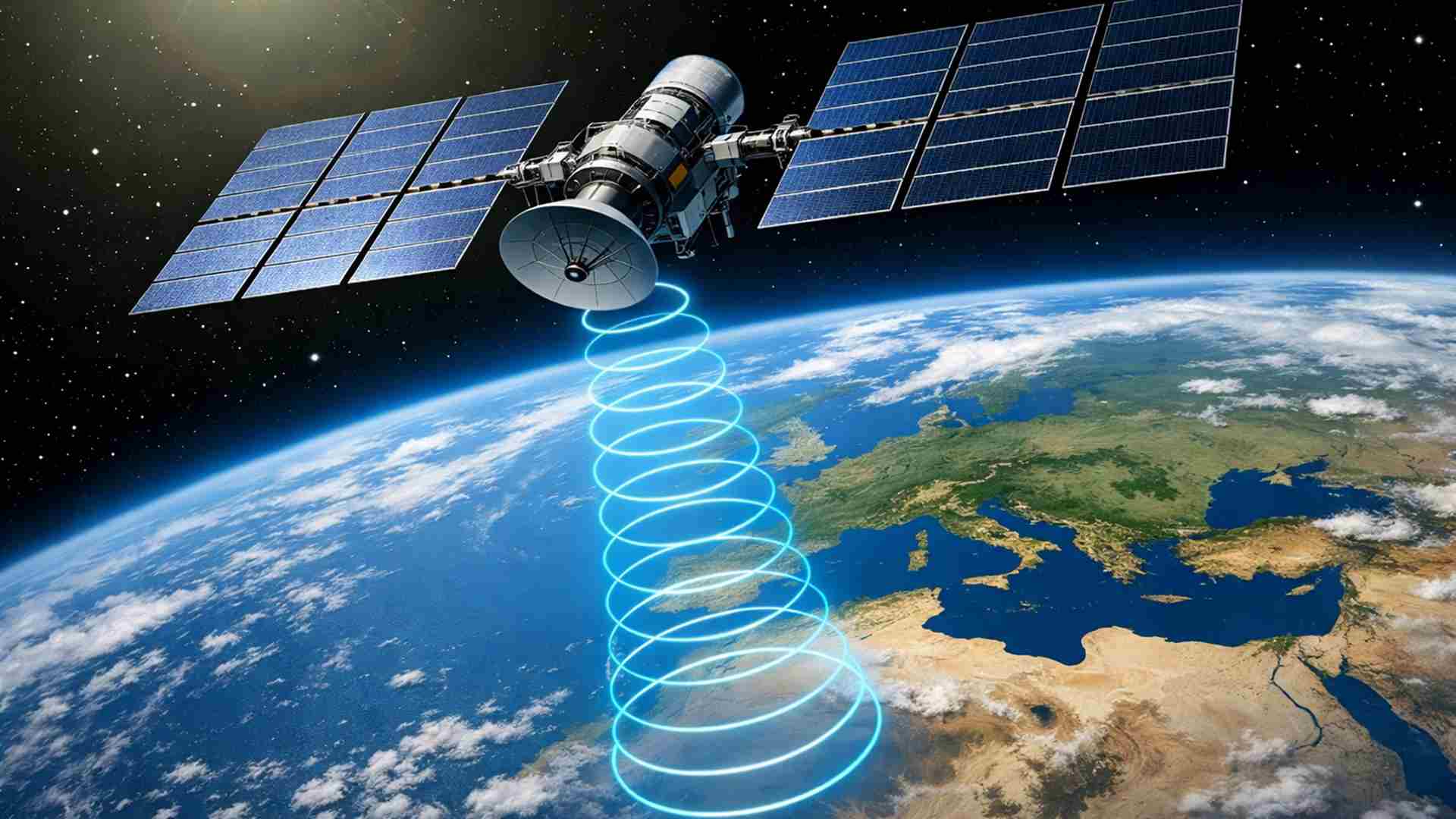
China wants to transform the space solar power plant into a source of clean energy, but a study reveals that the same microwave beams sent from orbit to Earth could also be used for electronic warfare, communication control, and large-scale military support.
-
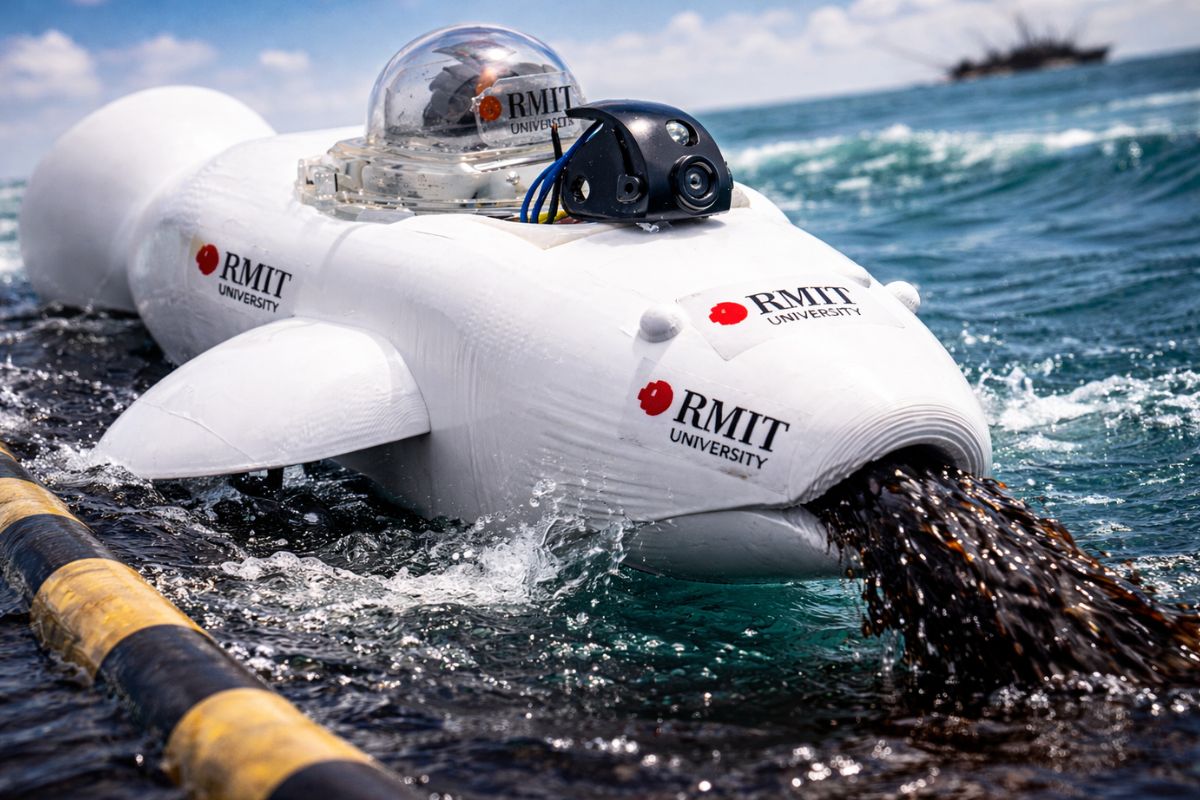
Australian engineers have created a robot dolphin that cleans oil from the ocean by absorbing oil and repelling water at the same time with over 95% purity, and they are now working on versions the size of a real dolphin to operate autonomously at sea.

With the expansion of electronic devices — such as IoT sensors, headphones, smartwatches, and trackers — the demand for batteries continues to rise, intensifying the disposal problem.
In this context, Flint’s proposal takes a different approach: eliminating the need for recycling by developing a battery that can decompose naturally.
Flint Paper Battery technology uses cellulose, zinc, and manganese instead of toxic metals
The battery developed by Flint is composed of three main elements.
The anode uses zinc, an abundant and recyclable metal. The cathode is made of manganese, also widely available and considered less toxic. The electrolyte is water-based with hydrogel, eliminating flammable solvents.
The structure of the battery is supported by cellulose, derived from plant fibers, which serves as physical support and medium for ion transport.
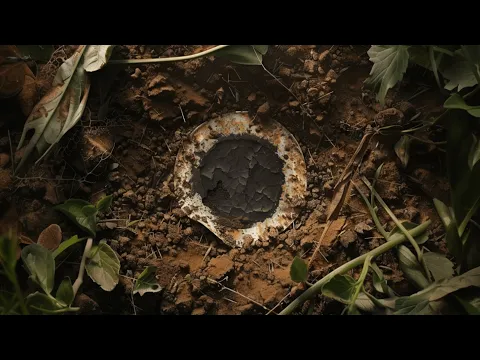
When the battery reaches the end of its life, the metal components can be recycled, while the cellulose and hydrogel decompose in the soil in about six weeks.
Energy density of paper battery reaches 226 Wh/kg and approaches conventional lithium batteries
One of the main challenges of sustainable technologies is achieving competitive performance. According to tests presented at CES 2026, the Flint Paper Battery achieves an energy density of 226 Wh/kg, a value comparable to lithium iron phosphate (LFP) batteries and close to some traditional lithium-ion batteries.
The technology also features low internal resistance, high discharge rate, and scalability for different applications.
This opens potential for use in electronic devices, sensors, storage systems, and, in the future, electric vehicles.
Paper battery works even when cut and eliminates explosion risk typical of lithium
One of the differentiators demonstrated by Flint is safety. During presentations, the battery was cut in half while powering a device, without interruption of operation, heat generation, or risk of combustion.
This behavior contrasts with lithium batteries, which can suffer thermal runaway when damaged, resulting in fires or explosions. The absence of flammable electrolytes and the use of water as a base eliminate this risk.
Partnerships with Logitech, Amazon, and MIT indicate industrial interest in new sustainable battery technology
Flint was the winner of Logitech’s Future Positive Technology Challenge in 2025 and is participating in tests on the brand’s devices.
Amazon also selected the startup for its climate acceleration program linked to MIT, evaluating applications in products such as Kindle and Fire TV.
Additionally, Dassault Systèmes is integrating Flint into its industrial innovation lab, providing support for the development and scalability of the technology.
Production in Singapore began in 2026 with a factory dedicated to cellulose technology
The initial production takes place in a unit of over 740 square meters in Singapore, specifically designed for cellulose processing.
The manufacturing process uses water instead of chemical solvents, eliminating complex structures like clean rooms and controlled environments needed in lithium battery production. The company is already seeking expansion into Europe through industrial partnerships.

The battery has a pouch-type shape, allowing flexibility and adaptation to different designs. This enables the development of thinner, lighter, and more adaptable devices, including foldable electronics, agricultural sensors, and smart packaging.
In IoT applications, biodegradability can significantly reduce the environmental impact of disposable devices.
Absence of PFAS eliminates regulatory risk and meets future international environmental requirements
Another relevant differentiator is the absence of PFAS, persistent chemical substances that have been progressively restricted in Europe and the United States.
The elimination of these compounds reduces regulatory risks and facilitates the adoption of the technology by global manufacturers.
Recent research indicates that cellulose derivatives can replace petrochemical materials in batteries, acting as efficient separators.
These studies reinforce the viability of Flint’s proposal and indicate a growth trend in the use of renewable materials in the sector.
Now we want to know: can biodegradable batteries replace lithium in the future?
The Flint Paper Battery presents a different approach to a growing global problem.
By combining abundant materials, operational safety, and biodegradability, the technology proposes a structural change in how batteries are produced and disposed of. In your view, solutions like this have real potential to replace lithium batteries in the coming years?








Seja o primeiro a reagir!