





 Portuguese
  English
  Spanish
  4 min of reading
  0 comments


Initiative Created in March 2025 Proposes Articulation Between Government, Congress, and Industry to Promote Research, Investments, and Technical Foundation in the Oil and Gas Sector
On March 25, 2025, the Institute of Oil, Gas, and Energy (Ipegen) was officially presented in Brasília, an entity that aims to contribute to the institutional and technical strengthening of the Brazilian energy sector.
The new organization arises with the goal of narrowing the dialogue between the National Congress, the federal government, and the various segments of the oil, gas, and energy chain, especially on strategic issues such as the exploration of the Equatorial Margin, offshore production, and the modernization of public policies aimed at the sector.
Purpose of the Institute Is Aligned with Technical and Legislative Guidelines
Ipegen was created with the support of the Parliamentary Front in Support of Oil, Gas, and Energy (Freppegen), chaired by federal deputy Eduardo Pazuello (PL-RJ). According to the organizers, the institute’s role will be to provide technical support for the development of evidence-based public policies.
-
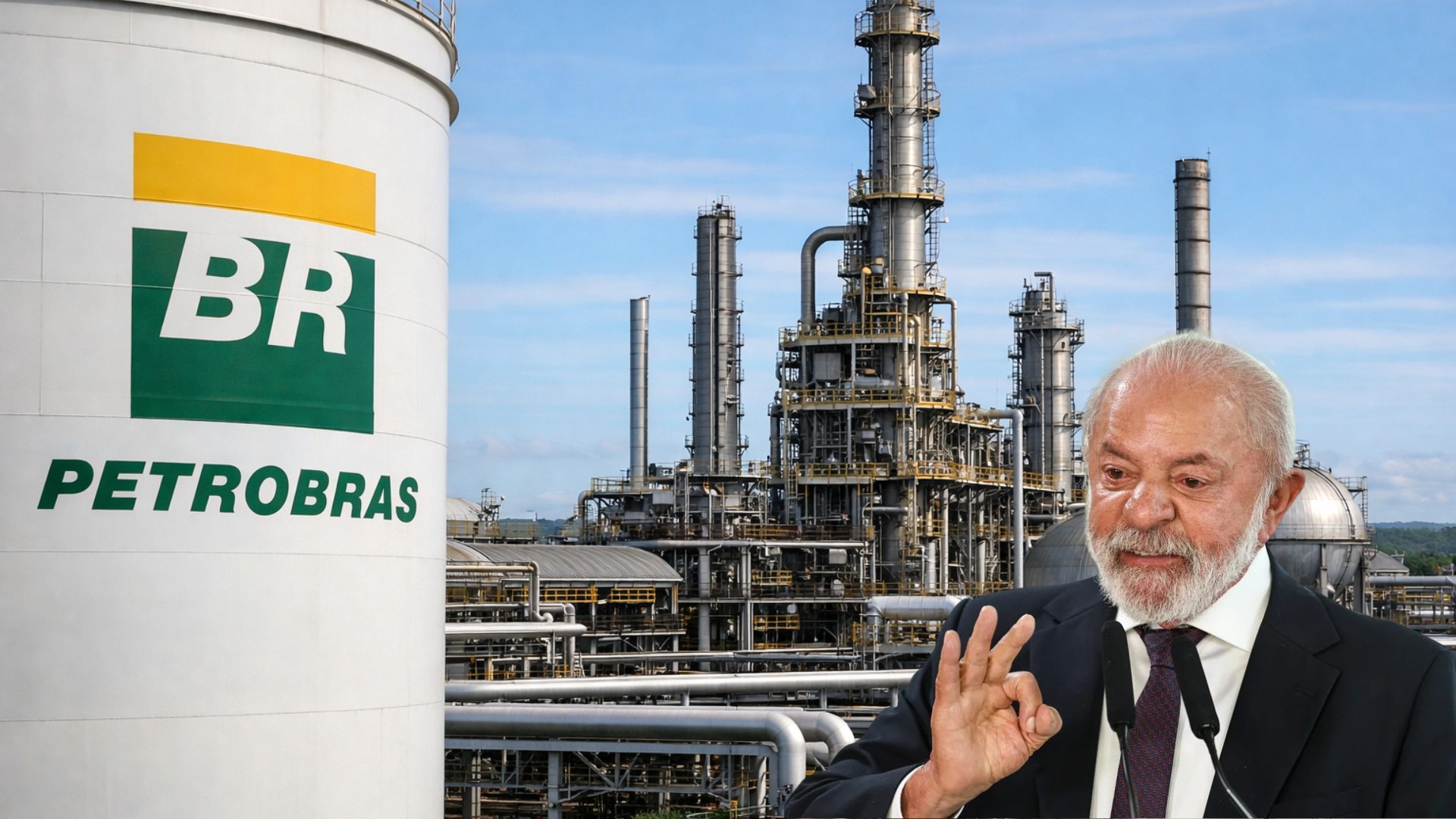
Lula reveals a masterstroke by Petrobras to undo a deal made by Bolsonaro, which involves the return of an important refinery that currently produces less than half of what was expected and makes Brazil dependent on international diesel.
-
A study confirms that the natural gas sector will reduce greenhouse gas emissions in Brazil by 0.5% and accelerate the energy transition by 2026.

-
Petrobras implements a severe adjustment and confirms a 55% increase in the price of aviation kerosene with a proposal for installment payments for the companies.

-
The rise in oil prices could ensure an extra revenue of R$ 100 billion for the Federal Government, indicates a recent economic study.

Among its duties, the institute will support the formulation of legislative proposals with data and studies, establish permanent channels for dialogue between public agencies and companies in the sector, and contribute to the dissemination of technical and scientific knowledge in key areas of energy. Therefore, the institute will not act as a regulatory or deliberative entity, but rather as a center for technical and institutional support.
Equatorial Margin: Area of Technical Interest in Expansion
Experts have considered the Equatorial Margin, a coastal region that includes sedimentary basins between Amapá and Rio Grande do Norte, a new area of interest for offshore exploration. Comparative studies indicate geological similarities with discoveries already made in Guyana and Suriname.
According to General Marco Aurélio Vieira, executive director of Ipegen, the institute seeks to gather studies, environmental reports, and academic analyses about the region.
The goal is to contribute to a balanced technical assessment, based on reliable data and quality scientific foundation.
Additionally, it is expected that the Equatorial Margin will attract investments and create opportunities for local economies in the region.
All this must occur within the parameters required by environmental legislation and with rigor in operational safety criteria.
The Oil and Gas Sector Maintains Economic and Strategic Relevance
According to data from the National Agency of Petroleum, Natural Gas, and Biofuels (ANP), released in February 2025, oil production in Brazil reached 3.1 million barrels per day in January, with 97.5% originating from offshore areas. According to the Energy Research Company (EPE), the oil and gas sector still accounts for about 47% of the internal supply of primary energy, with 36% coming from oil alone.
The National Confederation of Industry (CNI) estimates that the supply chain of the sector employs approximately 1.6 million workers directly and indirectly across the country. These data reinforce the structural role of the energy sector in the Brazilian economy and justify the need to improve regulatory frameworks, focusing on stability, competitiveness, and legal certainty.
Political and Institutional Participation Reinforces the Technical Character of the Initiative
During the launch event, Deputy Eduardo Pazuello emphasized that the institute will not have a political-party bias, but rather a technical one. The goal, according to him, is for Ipegen to act as a scientific and informational support body for the Parliamentary Front.
Furthermore, its activities should be transparent, non-partisan, and collaborative.
Senator Eduardo Gomes (PL-TO) also participated in the ceremony. He highlighted the importance of Brazil’s technical articulation for COP30.
The event will take place in Belém (PA) in November 2025.
He stressed that the country will strengthen its international image by presenting reliable data on its diversified energy matrix.
Future Action Will Prioritize Transparency and Technical Contribution
The expectation, according to an official statement from the institute, is that Ipegen’s first public activities will take place in the second half of 2025. The organization of technical panels and thematic public hearings is planned, as well as the publication of reports developed with the support of academic institutions.
There will also be support for the production of studies aimed at energy transition and sustainable exploration, promoting informed debates and technical grounding for future decisions.
Moreover, the creation of an independent advisory committee, formed by technical, legal, and environmental experts, is being discussed. The goal is to ensure plurality and transparency.
Recognition of Current Challenges in the Sector and Focus on Viable Solutions
Experts from FGV Energia, consulted in previous reports, have already warned about structural hurdles impacting the expansion of energy production in Brazil. Among the main challenges are the time for environmental licensing, tax complexity, and the commitments made by the country under the Paris Agreement.
In this context, Ipegen does not promise immediate solutions. However, it seeks to contribute to a technical dialogue environment that is responsible and focuses on the long term.
Technical Institute Can Contribute to Energy Governance
In summary, the government launched the Institute of Oil, Gas, and Energy on March 25, 2025, with a well-defined proposal.
Its goal is to provide technical foundations and promote informed debates on the Brazilian energy sector.
Additionally, it emphasizes transparency, balance, and cooperation among the various actors involved in the segment.
It will focus its efforts on producing accessible technical knowledge for lawmakers, regulatory agencies, and society in general.
It will also support public policies that respect legal, environmental, and economic criteria.
Furthermore, it will act on strengthening the institutional governance of the oil, gas, and energy sector.








Seja o primeiro a reagir!