





 Portuguese
  English
  Spanish
 4 min of reading
  0 comments


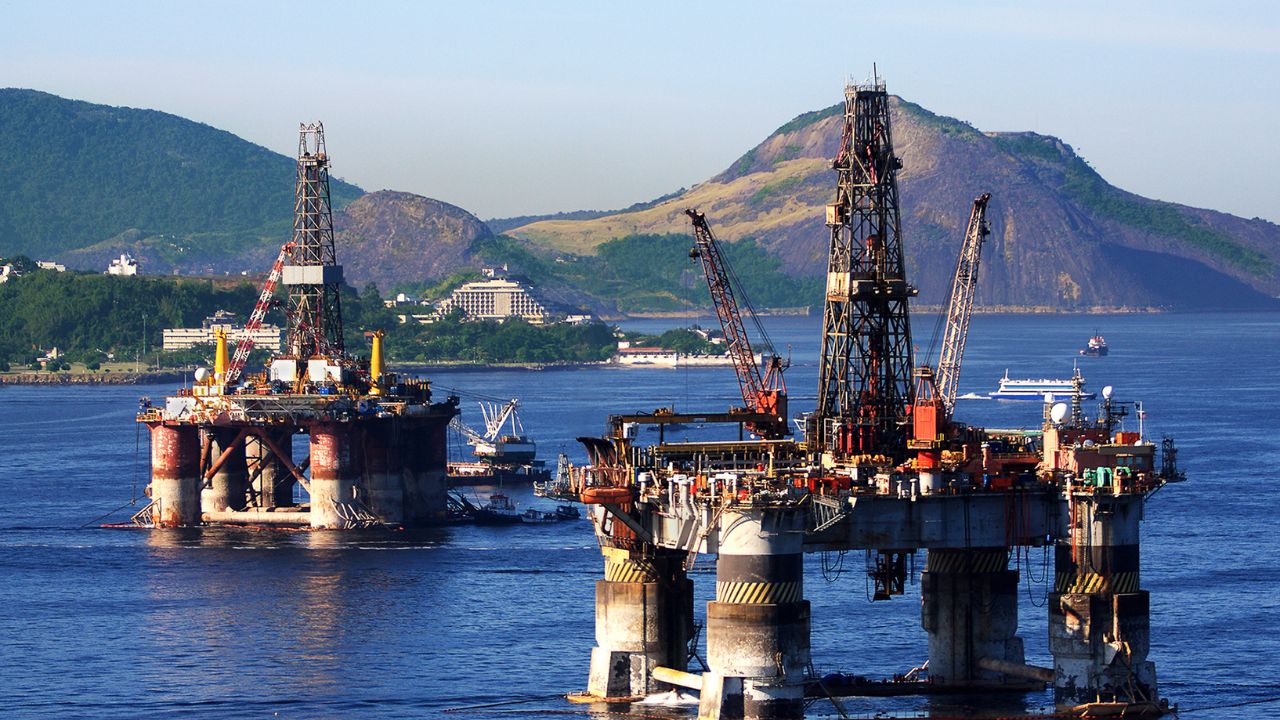
Discover How Artificial Intelligence Is Revolutionizing the Oil and Gas Industry, with Gains in Safety, Efficiency, and Sustainability.
The oil and gas industry is undergoing a silent yet profound transformation. Driven by the strategic use of artificial intelligence, this revolution is improving operational safety, reducing costs, and increasing process efficiency, especially in extreme environments like the Brazilian pre-salt. The advancement, led by research centers such as the Department of Chemical and Materials Engineering at PUC-Rio, points to a smarter, more economical, and sustainable future for the sector.
Artificial Intelligence at the Service of Production in the Pre-Salt
Even with the growth of renewable sources, fossil fuels continue to dominate the global energy matrix. In 2023, they represented 78% of global demand and are expected to maintain around 40% of that share until 2050. In Brazil, which ranks eighth among the largest oil producers, artificial intelligence is proving decisive in optimizing exploration and ensuring safety in complex wells.
The pre-salt layer, responsible for more than 76% of national production, is a territory of technical challenges. Therefore, the application of machine learning, a branch of artificial intelligence, has become a competitive differential for the oil and gas industry.
-
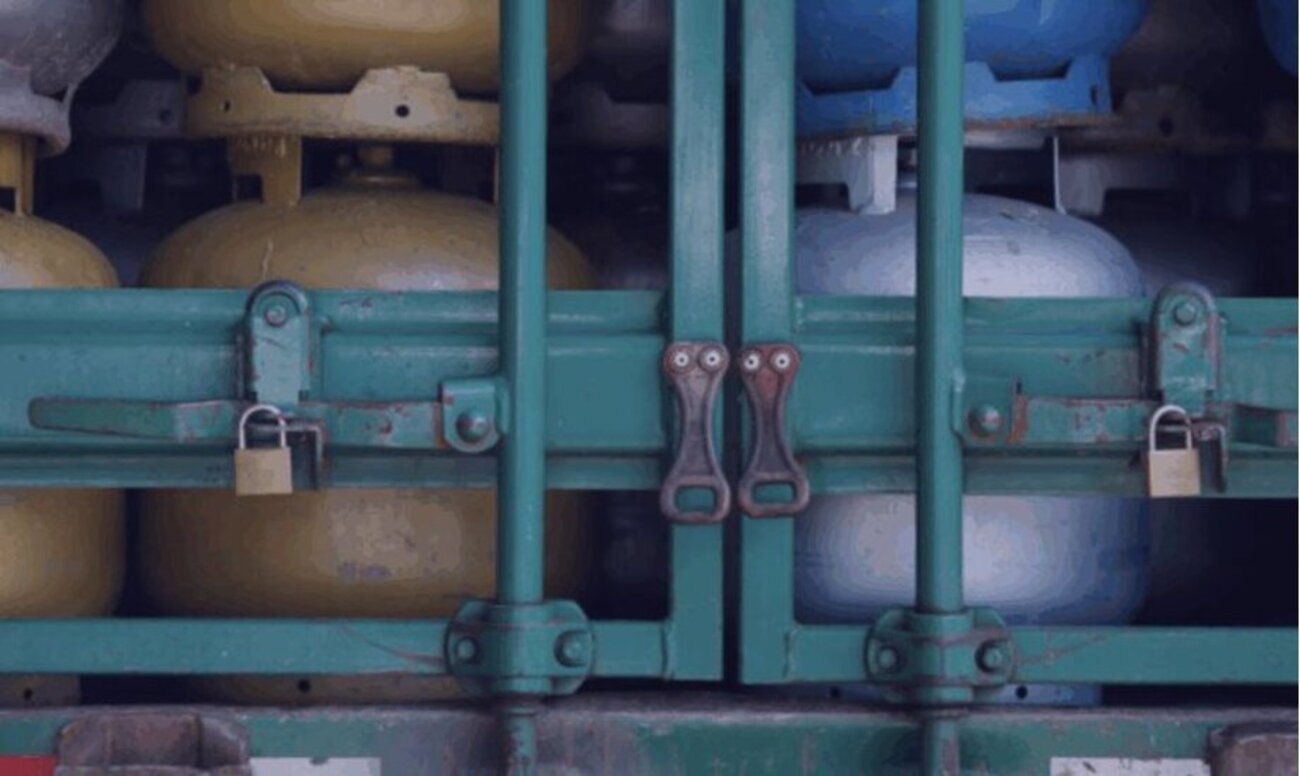
Petrobras evaluates suspension of sales to distributors and considers canceling the cooking gas auction following guidelines from the Federal Government.
-
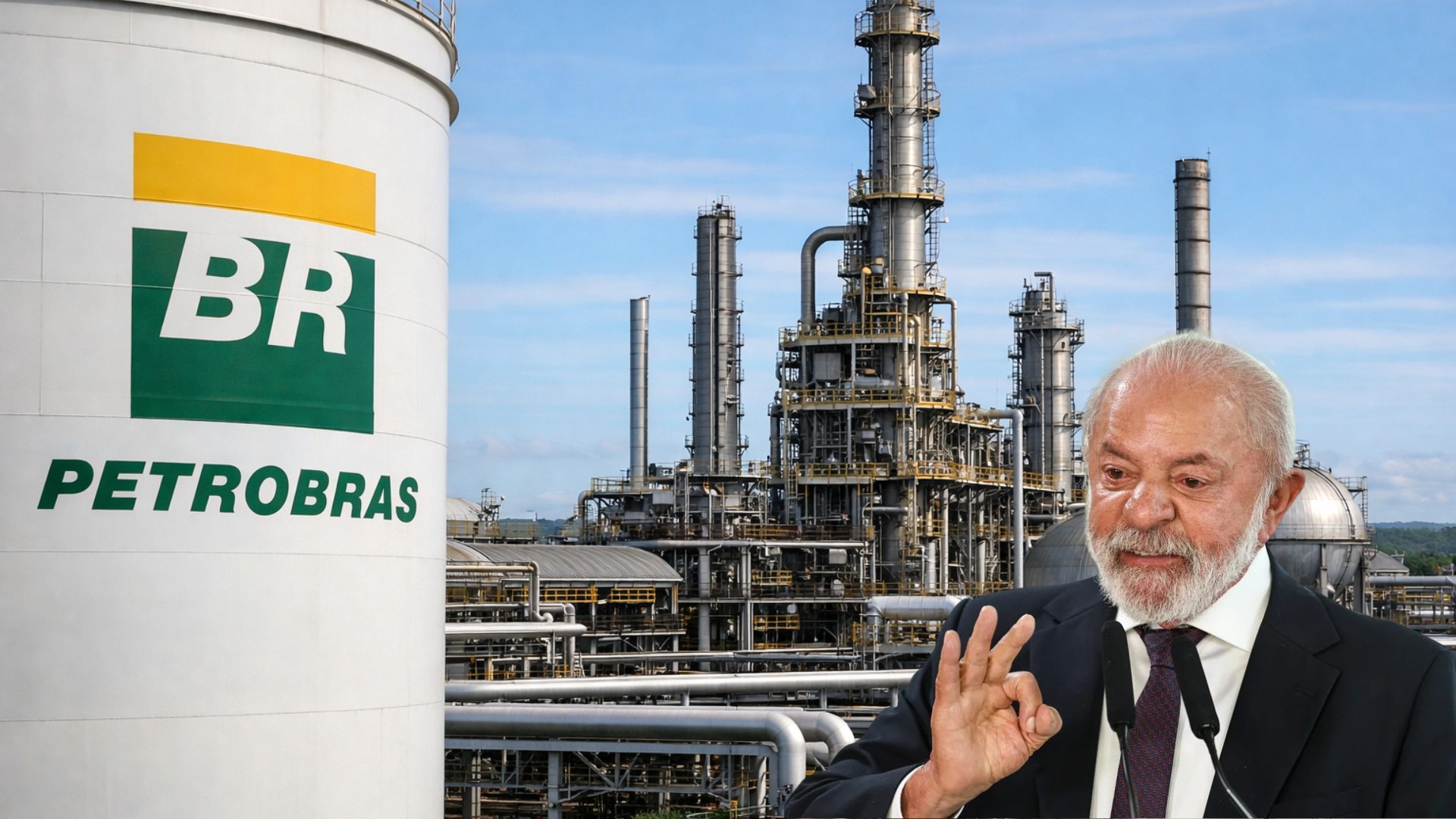
Lula reveals a masterstroke by Petrobras to undo a deal made by Bolsonaro, which involves the return of an important refinery that currently produces less than half of what was expected and makes Brazil dependent on international diesel.
-
A study confirms that the natural gas sector will reduce greenhouse gas emissions in Brazil by 0.5% and accelerate the energy transition by 2026.

-
Petrobras implements a severe adjustment and confirms a 55% increase in the price of aviation kerosene with a proposal for installment payments for the companies.


According to Professor Brunno Ferreira dos Santos from PUC-Rio, machine learning techniques now allow for predicting reservoir behavior, detecting failures in real-time, and identifying optimal production conditions. All of this is based on the analysis of large volumes of data collected by sensors during operations.
Digital Twins and Intelligent Sensors: The New Standard of the Industry
One of the most promising innovations is digital twins — virtual replicas of real equipment that simulate the functioning of systems in real-time. These tools are powered by data generated by sensors installed on platforms and wells.
With this technology, artificial intelligence can anticipate failures, suggest operational adjustments, and even prevent environmental accidents. In hard-to-reach places, such as underwater pipelines connecting the bottom of the well to the platforms, image sensing with machine learning has been essential for analyzing critical variables, such as BHP (Bottom Hole Pressure) — pressure at the bottom of the well.
Pressure Estimates with Predictive Models Based on AI
Accurately estimating BHP is essential for defining production strategies, such as water or gas injection. However, this is a challenging data point to obtain, both for technical reasons and cost.
In studies developed at PUC-Rio, supervised AI models were trained with real data, such as those from the Society of Petroleum Engineers repository, which gathers information from 53 wells. The results were encouraging: the estimates showed high accuracy, representing a significant operational gain for the industry.
Although technology is advancing, one of the biggest challenges in applying artificial intelligence in the oil and gas industry is still obtaining quality data. The quantity and reliability of the information directly impact the performance of predictive models.
In this sense, databases like Petrobras’ 3W Dataset — which contains real data, simulations, and inputs from experts — have been essential for advancing academic research and industrial innovation.
Automated Diagnosis of Failures in Offshore Wells
Another expanding field is the diagnosis of failures in offshore wells, those located in open waters. In these challenging environments, failures such as sudden sediment increases, leaks, blockages, or productivity loss can lead to enormous losses.
The team at PUC-Rio has developed AI models capable of identifying and classifying different types of failures based on operational data from multiple wells. The system is based on the CRISP-DM process, an international standard for data mining that guides all project phases — from understanding the problem to implementing the solution.
Artificial Intelligence Toward a More Efficient and Sustainable Industry
The use of artificial intelligence in the oil and gas industry goes beyond economic gains. It is also a strategy that reduces risks to the environment and improves worker safety.
For Professor Brunno, this is an irreversible movement:
“We believe that the application of data science in the oil and gas industry is a decisive step toward safer, more economical, and sustainable exploration.”
Support for Research Is Essential for Technological Advancement
This transformation would not be possible without the support of funding agencies such as FAPERJ and CNPq, which have invested in research and the development of solutions to make the sector more efficient and aligned with the energy transition.
The commitment of the scientific community, according to Brunno, is to ensure that these technologies reach society in an accessible way, benefiting not only large corporations but also the country as a whole.
With increasingly advanced applications, artificial intelligence is redefining the limits of the oil and gas industry. The intelligent use of data, combined with continuous innovation, is enabling Brazil to explore its energy resources with greater responsibility, safety, and efficiency.
As the world moves toward a cleaner matrix, digital technologies emerge as allies in building a more resilient sector adapted to new global challenges.






Seja o primeiro a reagir!