





 Portuguese
  English
  Spanish
  2 min of reading
  0 comments


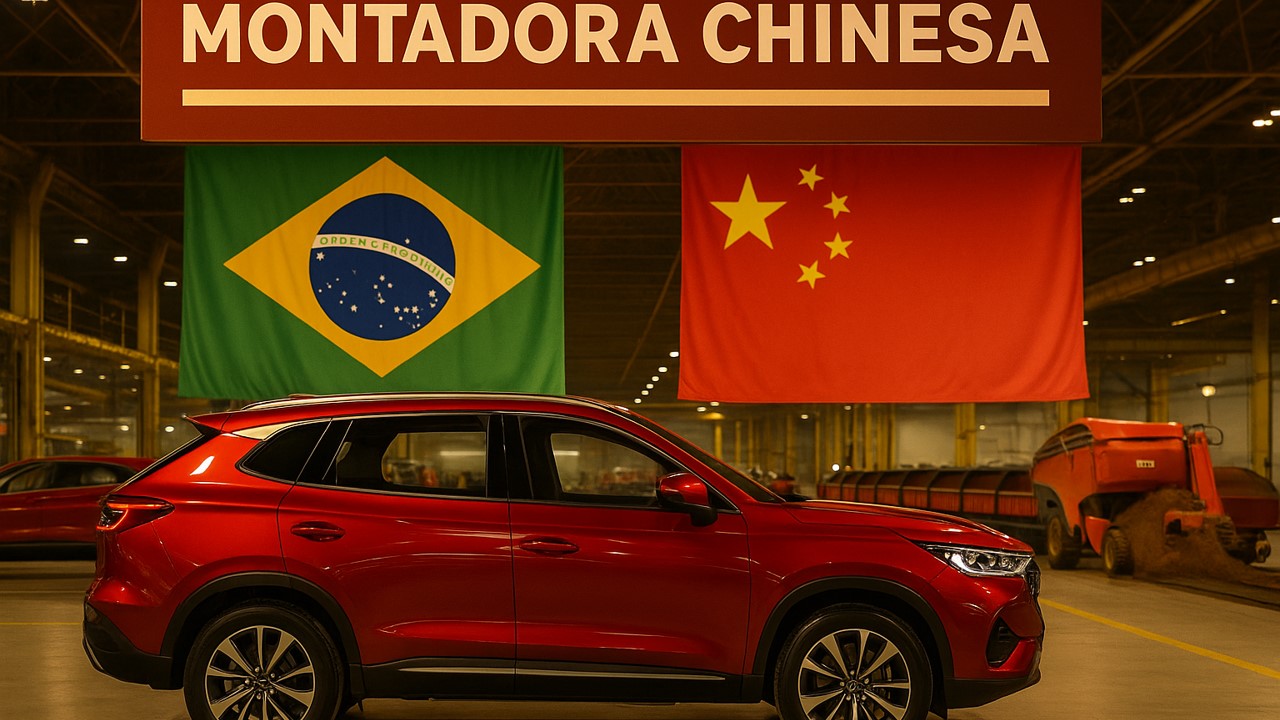
The Answer Is in Technology, Price, and Speed of Production. While Brazil is still adapting factories, China produced more than 10 million vehicles just in the first 4 months of 2025
What once seemed like just a promise is now a reality: Chinese cars are growing in Brazil much faster than national models. According to Anfavea, the sales of imported cars rose 15.6% in the first half of 2025, while national cars grew only 2.6%. The difference is striking — and has a name and surname: China Motors.
Today, imported cars already account for 19.1% of all registrations in Brazil, and most come straight from the Chinese market. In 2024, Brazil was the 4th largest buyer of Chinese cars in the world, behind only Russia, Mexico, and the United Arab Emirates.
Who Is Buying More: Brazil or China?
Car imports in 2024:
-
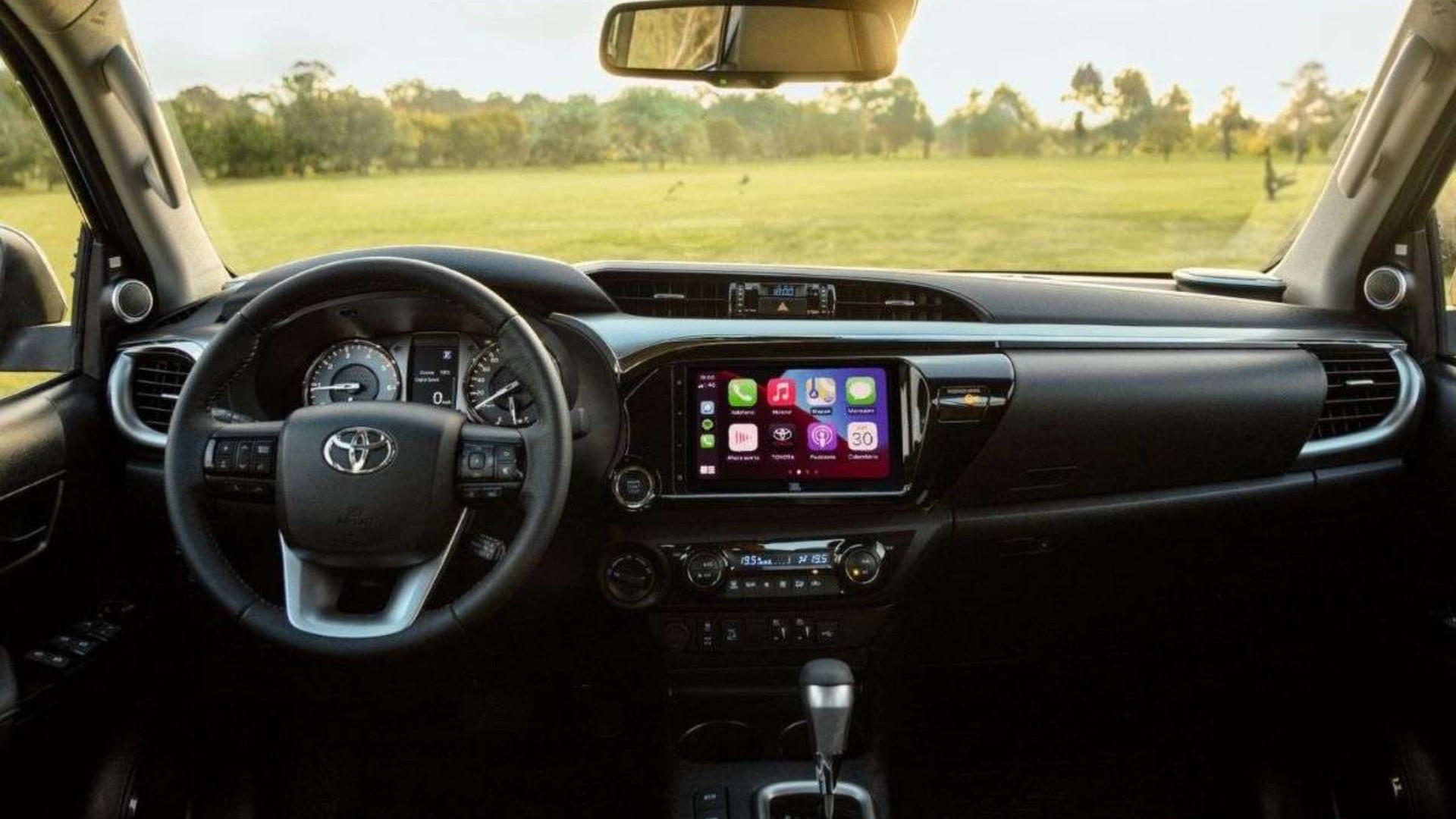
The Toyota Hilux is R$ 75.5 thousand cheaper and bets on the 2.8 turbodiesel engine with up to 204 hp and 50.9 kgfm to catch up with the VW Saveiro, which leads with 4,472 sales.
-
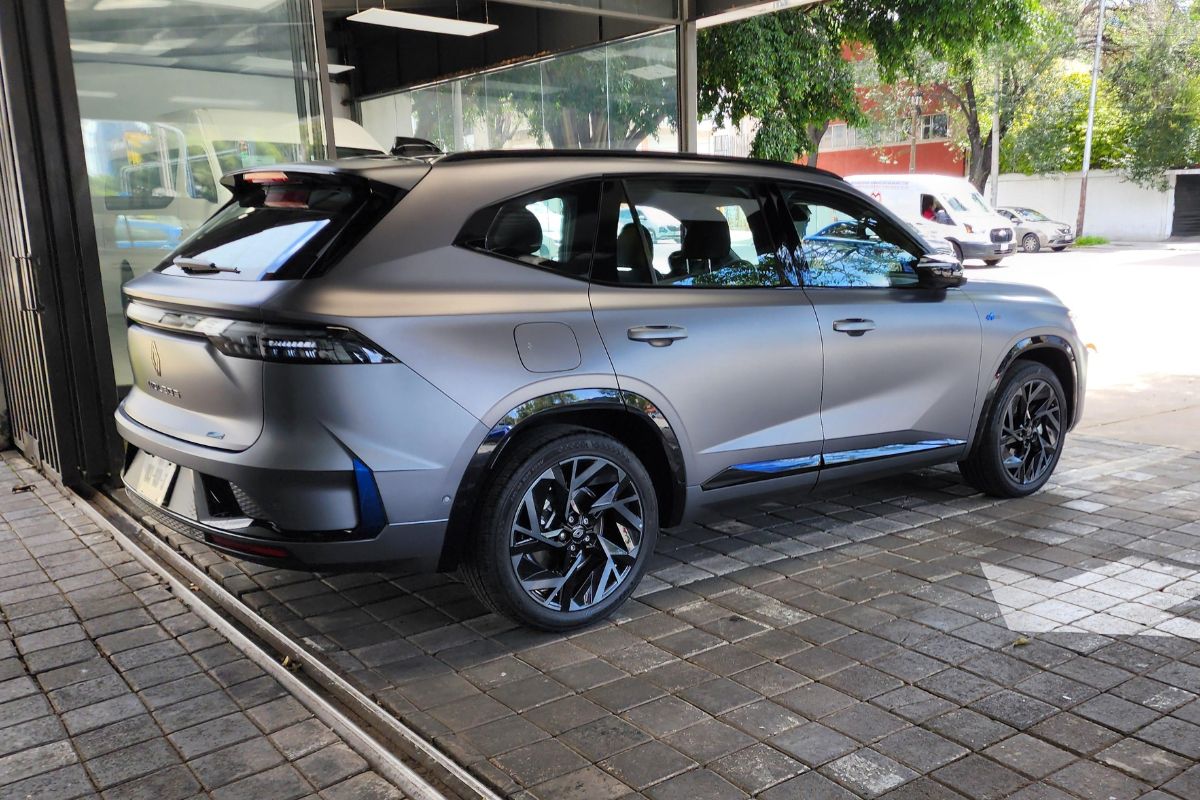
The new Renault Koleos has a screen exclusively for the passenger that is invisible to the driver, heated rear seats, and 29 assistance systems, but its Chinese competitors cost R$ 40,000 less and deliver more power.
-
The car stored for 38 years: when opening the barn door, what appears is breathtaking and looks like a scene from a movie!

-
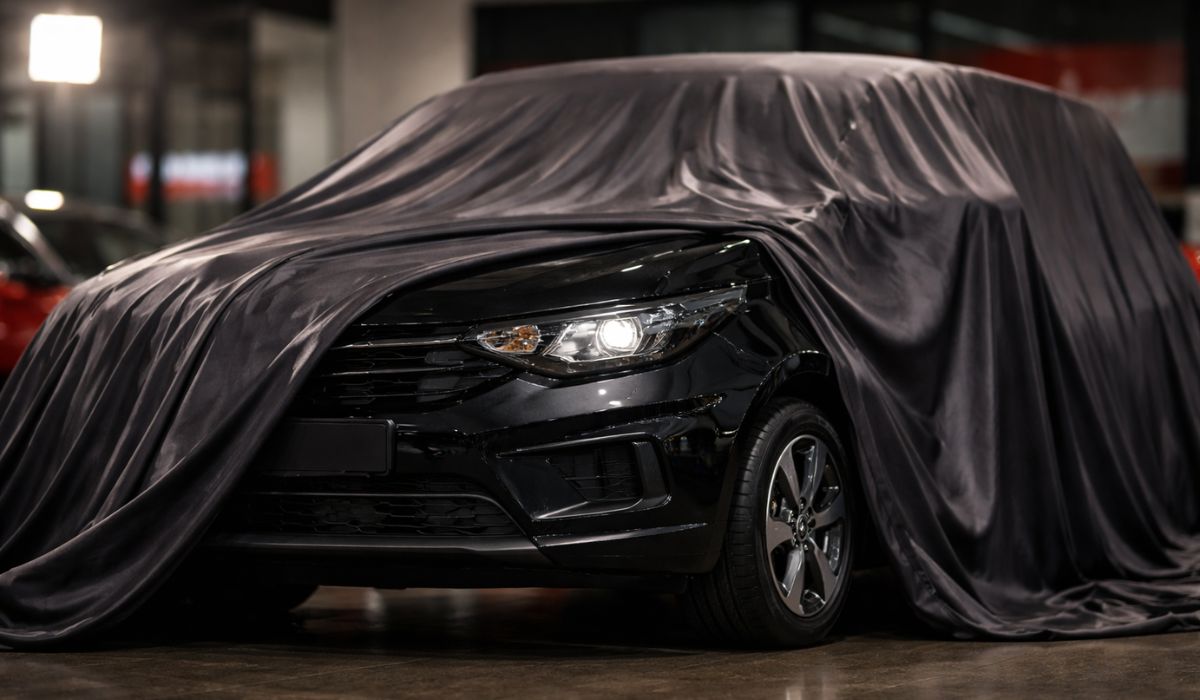
Fiat works miracles in the Brazilian market, lowers the price of its 0 km hatch to R$ 69,990, reestablishes the model as the cheapest car in the country, and reignites the battle against Kwid and C3.

- Brazil: 192 thousand Chinese cars
- Growth of imports: +15.6%
- Growth of nationals: +2.6%
- Share of imports in the market: 19.1% of registrations
Chinese Brands with the Greatest Highlights in Brazil in 2024:
BYD: 76,402 units
Chery: 50,398 units
GWM: 29,218 units (+154%)
Why Are Chinese Cars Gaining So Much Space?
The Answer Is in Technology, Price, and Speed of Production. While Brazil is still adapting factories, China produced more than 10 million vehicles just in the first 4 months of 2025. Of that total, “green” models (electric, hybrid, and fuel cell) grew 46% in sales.
These vehicles arrive in Brazil with competitive prices, more connectivity, modern design, and a clear proposal: to deliver more for less. For example, it is possible to find Chinese electric SUVs for R$ 120 thousand, a value well below similar national models with equivalent technology.
But What Is the Impact for Brazil?
Anfavea warns: the national industry is under threat. The massive entry of Chinese vehicles could lead to deindustrialization and job losses. Therefore, the sector has been pressuring the government for an increase in import duties for electric and hybrid vehicles.
On the other hand, Brazilian exports also grew 183% in the semester, with destinations such as Argentina, Mexico, Uruguay, and Chile leading the way. And the Chinese have already announced R$ 27 billion in investments in Brazil, including factories in Goiás, Bahia, and a R&D center in the Northeast.
What to Expect Moving Forward?
Brazil is at a crossroads: accept the entry of the Chinese and adapt, or block the competition to protect what already exists. Whichever path is chosen, consumers are already noticing the difference on the streets and in their wallets.









-

Uma pessoa reagiu a isso.