





 Portuguese
  English
  Spanish
  5 min of reading
  0 comments


Energy Revolution in Brazil: ANEEL Defines New Guidelines and Boosts Solar Energy with Historic Decision, Promoting a Sustainable Future for the Country and Transforming the Energy Sector with Technological Innovations and Efficient Public Policies.
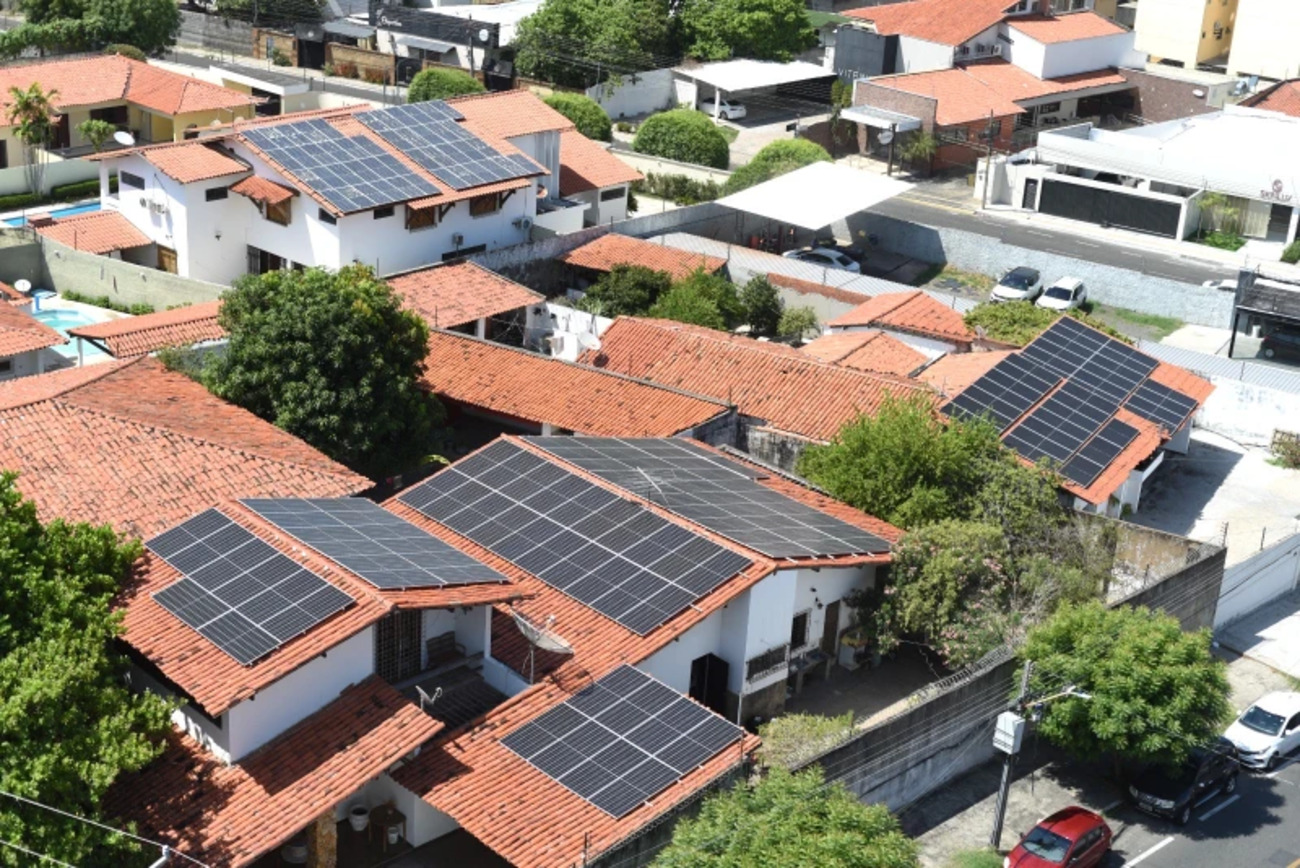
The ANEEL (National Electric Energy Agency) is revolutionizing the electricity sector in Brazil with new rules for distributed energy generation. Distributed generation (DG) allows small generators, such as photovoltaic systems, to produce solar energy locally and inject the excess into the power grid. However, the reverse flow, which occurs when this excess energy returns to the grid, has caused technical problems and many connection rejections.
The Public Consultation No. 03/2024 from ANEEL presents an innovative approach exempting reverse flow in three specific scenarios, paving the way for greater adoption of photovoltaic systems. While this change represents a significant advancement, challenges and uncertainties remain, and finding solutions to these issues will be crucial for the future of solar energy in Brazil.

ANEEL’s New Approach to Reverse Flow in Distributed Solar Energy Generation
The ANEEL (National Electric Energy Agency) is the regulatory agency responsible for regulating the electricity sector in Brazil, including the rules related to solar energy. The distributed generation (DG) of electricity is a model in which small generators, such as photovoltaic systems, produce energy near the consumption site, possibly injecting the excess into the power grid.
-
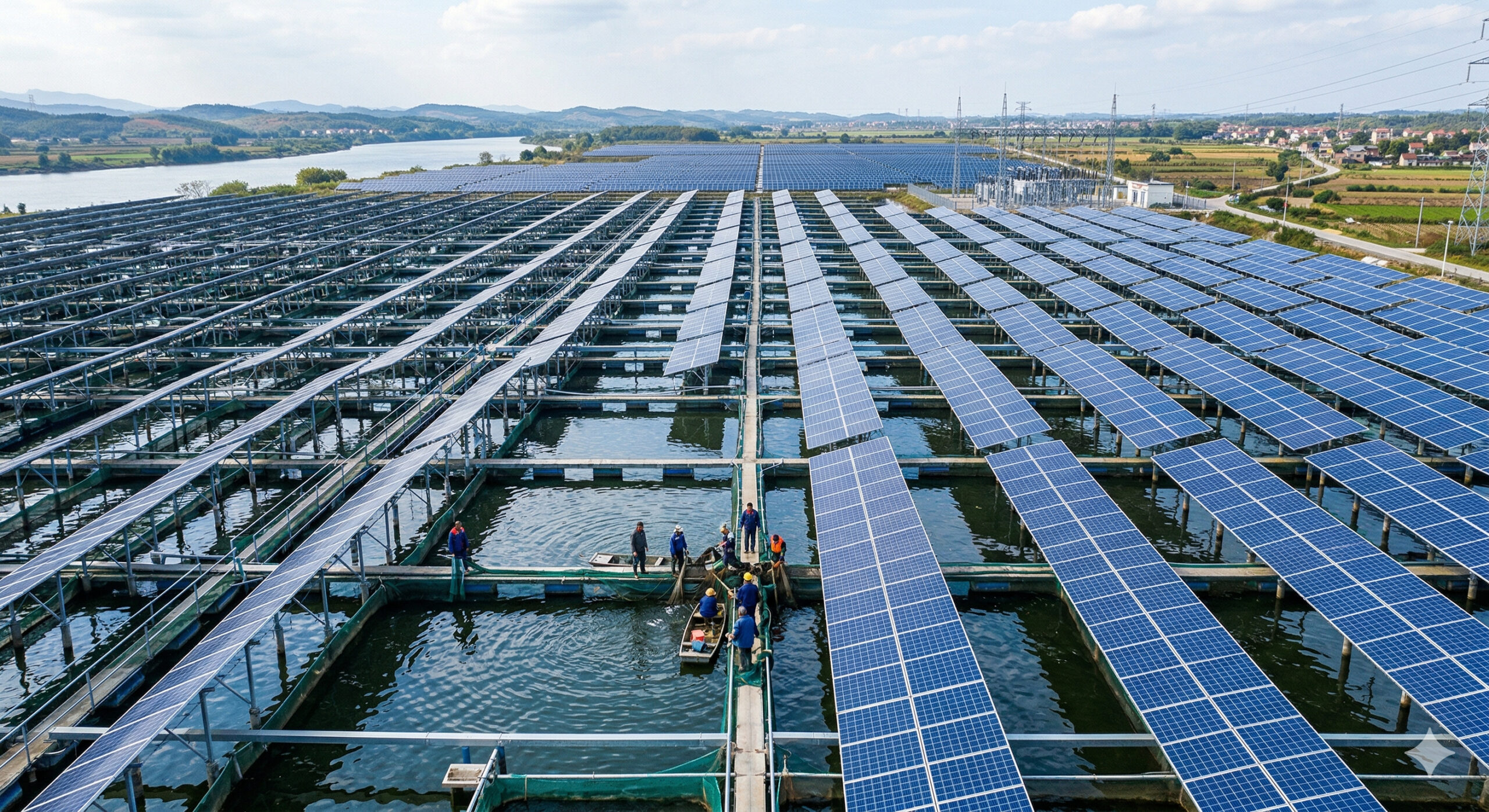
China bets on the Fishery-PV model and transforms fish farms into giant solar plants, covering ponds with panels that generate energy while utilizing the same space for large-scale aquaculture production.
-
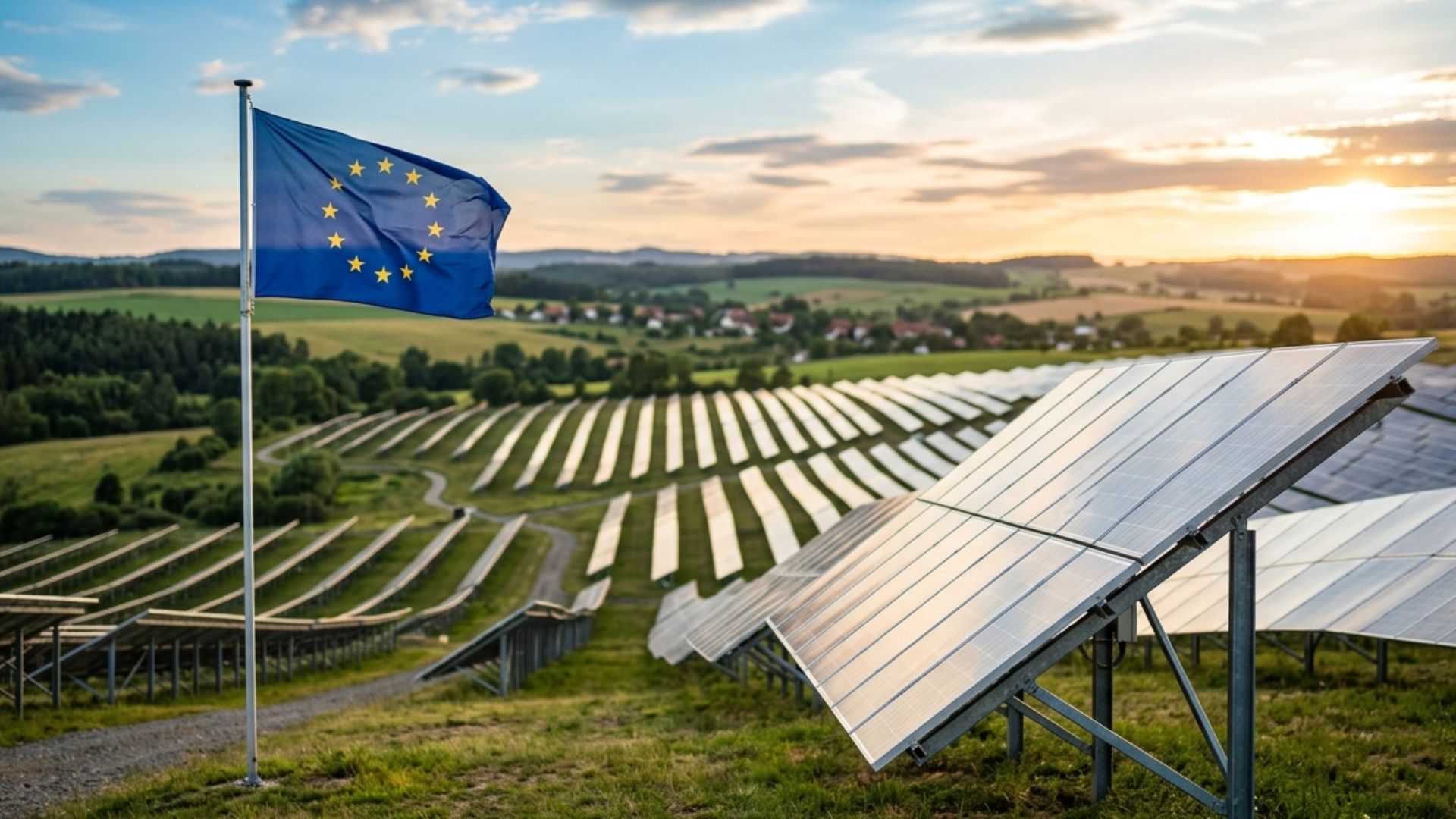
Europe records strong euro economy with solar energy in March and sparks curiosity about which country leads growth that redefines the energy market and reduces costs.
-
Piauí reaches a historic milestone in energy transition: State records nearly 160,000 households powered by solar energy and leads growth in the Northeast.
-
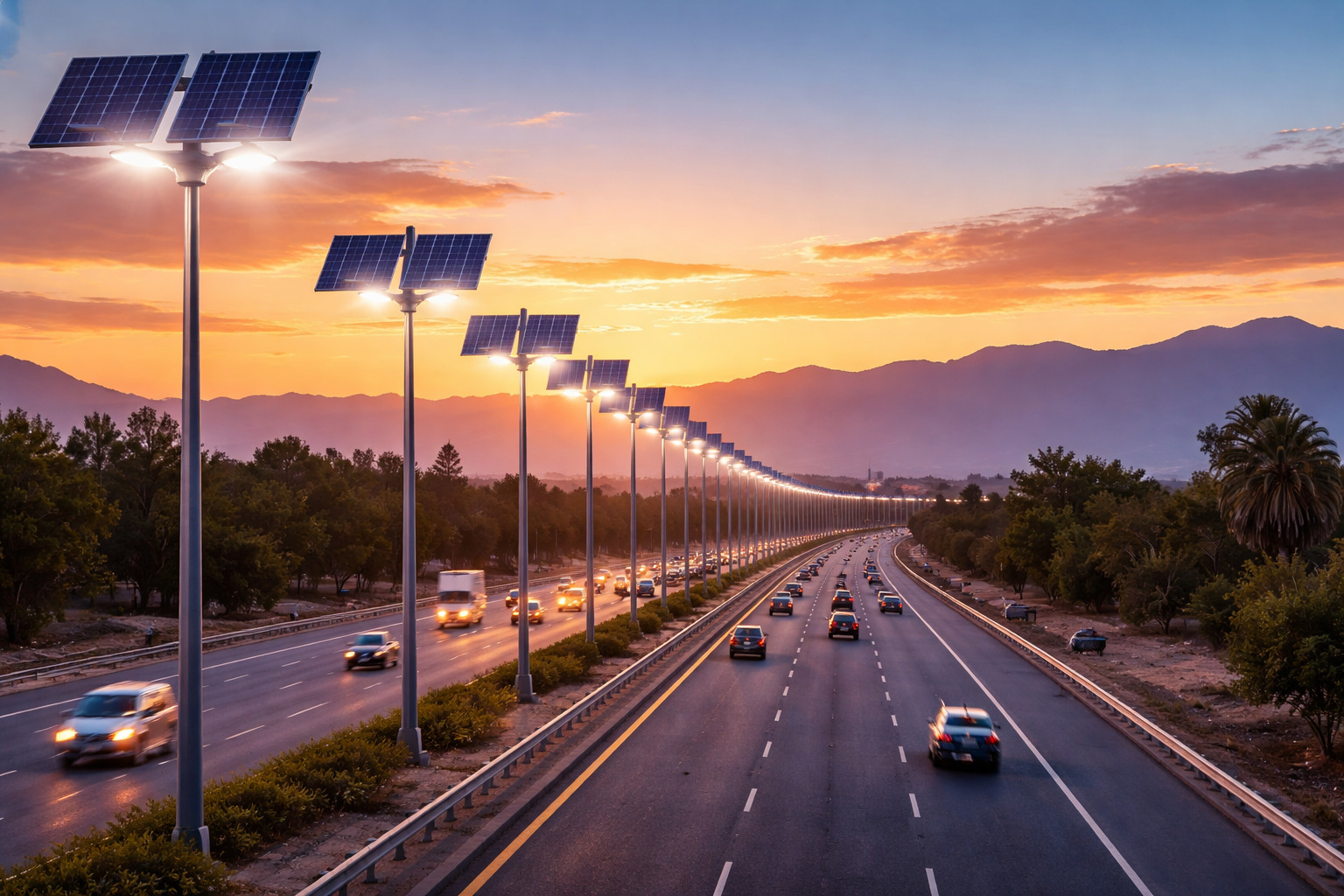
Argentina debuts its first 100% solar-powered highway and transforms an entire road into a showcase of clean energy.

In DG, reverse flow occurs when the excess energy generated is sent back to the distribution grid. This can cause technical reactions in the distributors’ networks, which historically has been one of the reasons for the frequent connection rejections of photovoltaic systems.
ANEEL’s New Rule
The Public Consultation No. 03/2024 brings a new approach from ANEEL to this issue. ANEEL proposed rules that exempt the requirement of reverse flow in three specific scenarios:
Impact on Solar Energy in Brazil
This change may represent a solution to many of the abusive connection rejections made by distributors, paving the way for greater adoption of photovoltaic systems. However, there are still uncertainties about how this rule will impact systems that do not fit into these three specific scenarios.
One concern is with photovoltaic systems that do not meet the new guidelines and how they will be treated by distributors. Technical and regulatory challenges still exist that need to be addressed to ensure full and fair integration of these systems into the Brazilian energy market.
The new rule may be a significant step toward simplifying and encouraging the adoption of solar energy in Brazil, but the integrator and consumer community should stay alert for updates and interpretations of this regulation to ensure that the promised improvements materialize.
Resources and Opportunities
Let’s analyze each of the scenarios proposed by ANEEL to better understand their implications and benefits.
Scenario 1: Small Solar Energy Generators
In this scenario, ANEEL considers that small generators do not significantly impact the stability of the grid. This means that smaller photovoltaic systems, typically residential or small commercial, can connect to the grid without the need for reverse flow.
Scenario 2: Mitigation Technologies
This scenario focuses on systems that use advanced technologies that mitigate the effects of reverse flow. This may include smart inverters and energy storage systems that help regulate the amount of energy sent back to the grid.
Scenario 3: Sufficient Grid Infrastructure
In this scenario, ANEEL considers areas where the grid infrastructure is already robust enough to handle reverse flow without problems. This usually applies to urban areas with well-developed distribution networks.
Technical Considerations
There are several technical considerations that must be taken into account when implementing these new rules. Among them are energy quality, grid stability, and storage capacity.
Energy Quality
Energy quality is a crucial factor in ensuring that the energy generated by photovoltaic systems is compatible with the distribution grid. This includes frequency, voltage, and current harmony.
Grid Stability
Grid stability is essential to avoid issues like power outages and overloads. Systems that can automatically adjust the amount of energy sent to the grid help maintain this stability.
Energy Storage Capacity
The storage capacity is another important consideration. Systems with storage batteries can store excess energy for later use, reducing the need for reverse flow.
The adoption of these new rules may have significant economic impact, both for consumers and for energy distributors.
How Does This Affect Consumers and Distributors?
For consumers, the new rules may reduce installation costs and increase the economic viability of photovoltaic systems. This is especially relevant for small generators who may benefit from the exemptions on reverse flow.
For distributors, the new rules may represent an initial challenge but also an opportunity to modernize the grid infrastructure and improve the quality of service offered. The new ANEEL rules also open several market opportunities, especially for companies providing mitigation technologies and energy storage systems.
When evaluating the new rules proposed by ANEEL for reverse flow in distributed solar energy generation, an important aspect that has not yet been mentioned is the education and training of the community. It is crucial that you, as a consumer or integrator, are well-informed about the changes and technical requirements involved. Continuous training can ensure that you maximize the opportunities offered by this new regulation.
It is important to consider the environmental impact of the new rules. Distributed generation can significantly reduce the carbon footprint of the energy sector. Therefore, by adopting photovoltaic systems, you are contributing to a more sustainable future.
Finally, the constant monitoring of installed systems is essential. Keep a close watch on the performance and efficiency of your installation to ensure everything is operating as expected. This not only helps to quickly resolve any issues but also to optimize energy production, ensuring that you get the best return possible on your investment.








Seja o primeiro a reagir!