





 Portuguese
  English
  Spanish
 6 min of reading
  0 comments


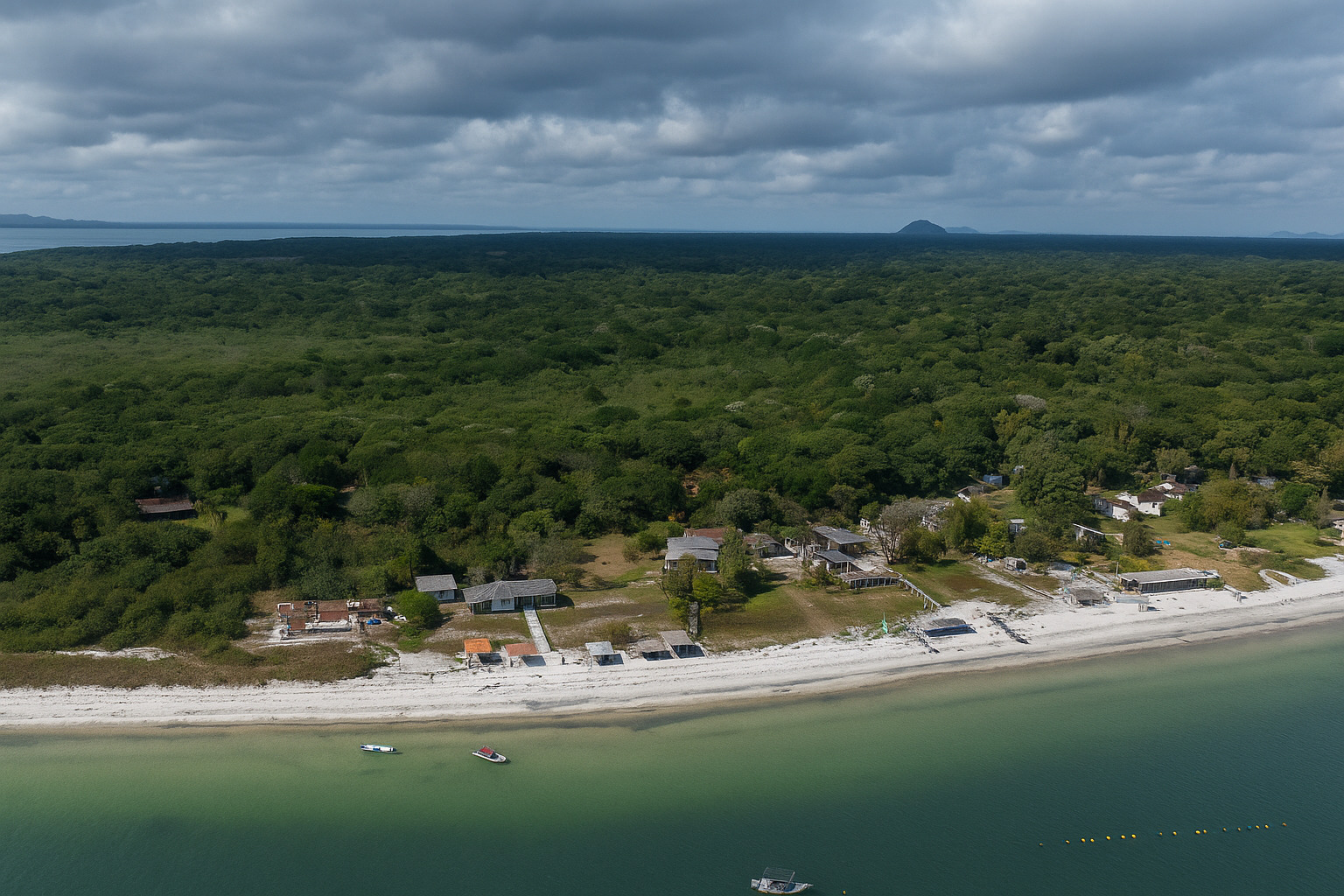
Copel Invests In Solar Energy On The Coast Of Paraná, Bringing Clean, Secure And Renewable Electricity To Isolated And Traditional Communities.
The coast of Paraná is undergoing an important transformation in the energy sector. Copel announced an investment of R$ 20 million in solar energy to serve communities on Ilha do Mel, Ilha da Cotinga, and Superagüi National Park in Guaraqueçaba.
This project not only brings clean and renewable electricity to populations that have long been left behind in development, but also strengthens the national effort to democratize access to sustainable energy.
Additionally, the initiative benefits 215 households spread across different points on the coast. There are 21 units on the West Point of Ilha do Mel, 17 in the Pindoty indigenous village located on Ilha da Cotinga, and another 177 houses in nine traditional communities of Superagüi National Park.
-
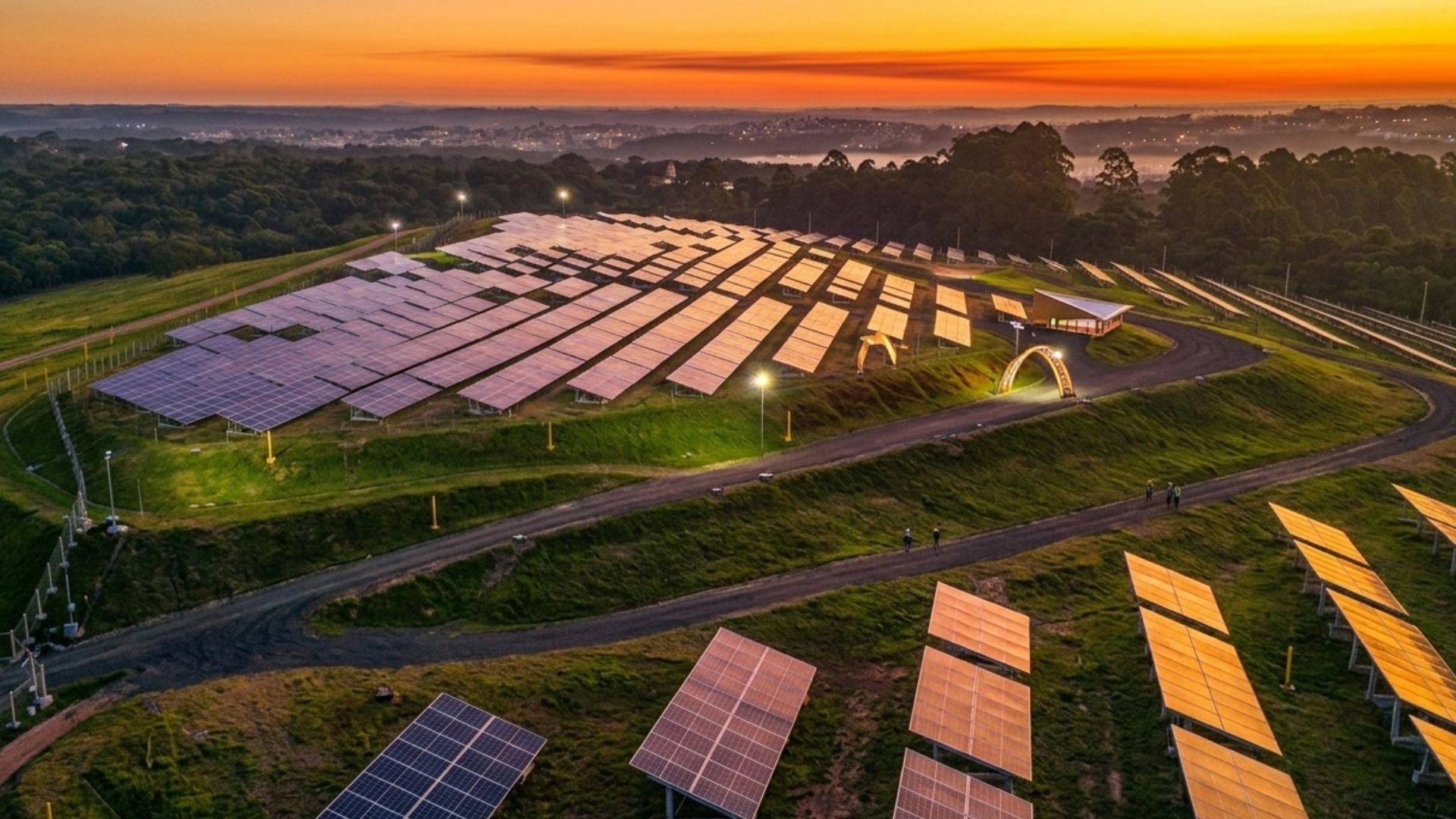
Solar Pyramid draws attention by converting solar energy into million-dollar savings and repositioning the City Hall of Curitiba as an example of innovation, sustainability, and intelligent use of public resources.
-
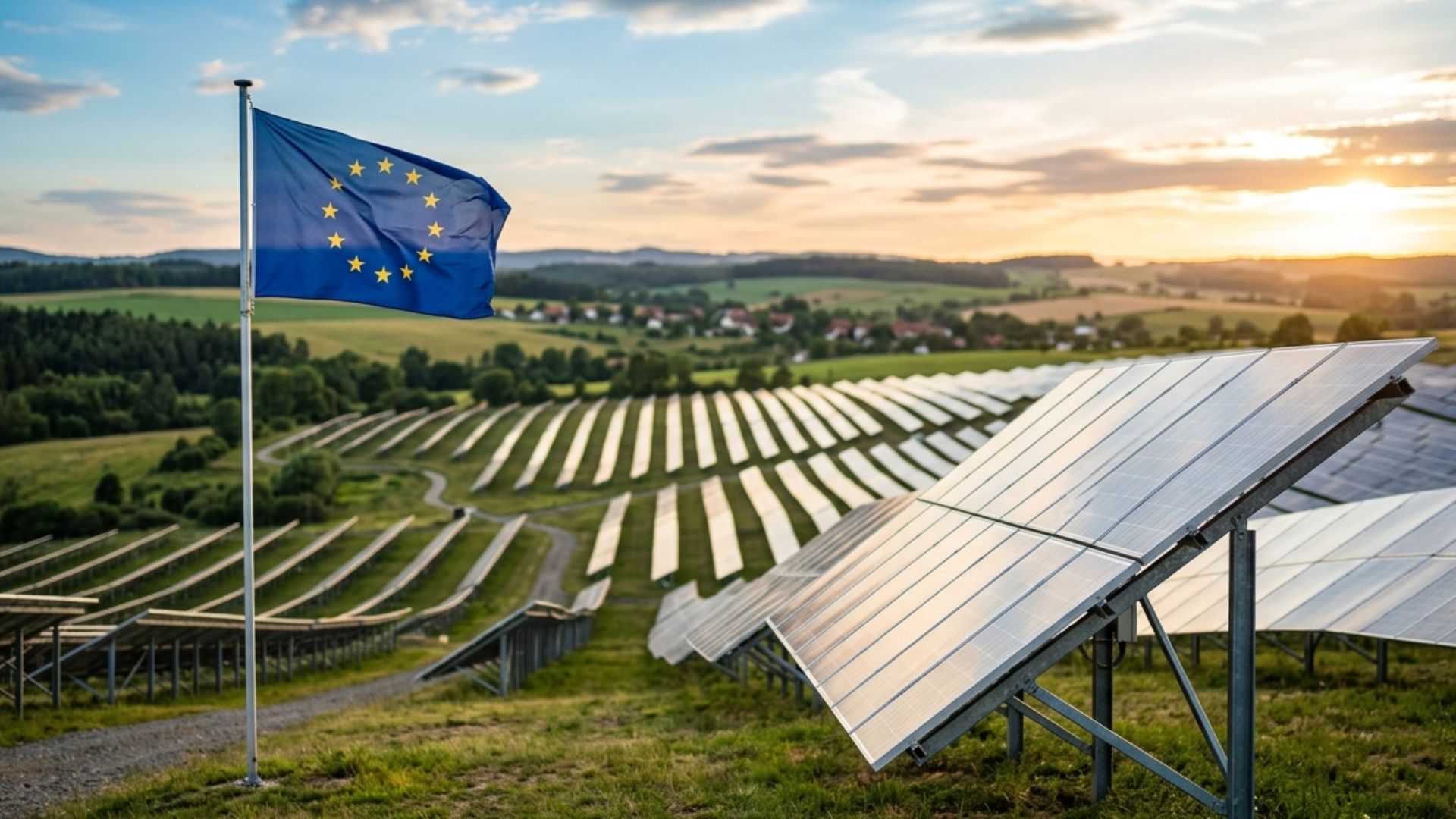
Europe records strong euro economy with solar energy in March and sparks curiosity about which country leads growth that redefines the energy market and reduces costs.
-
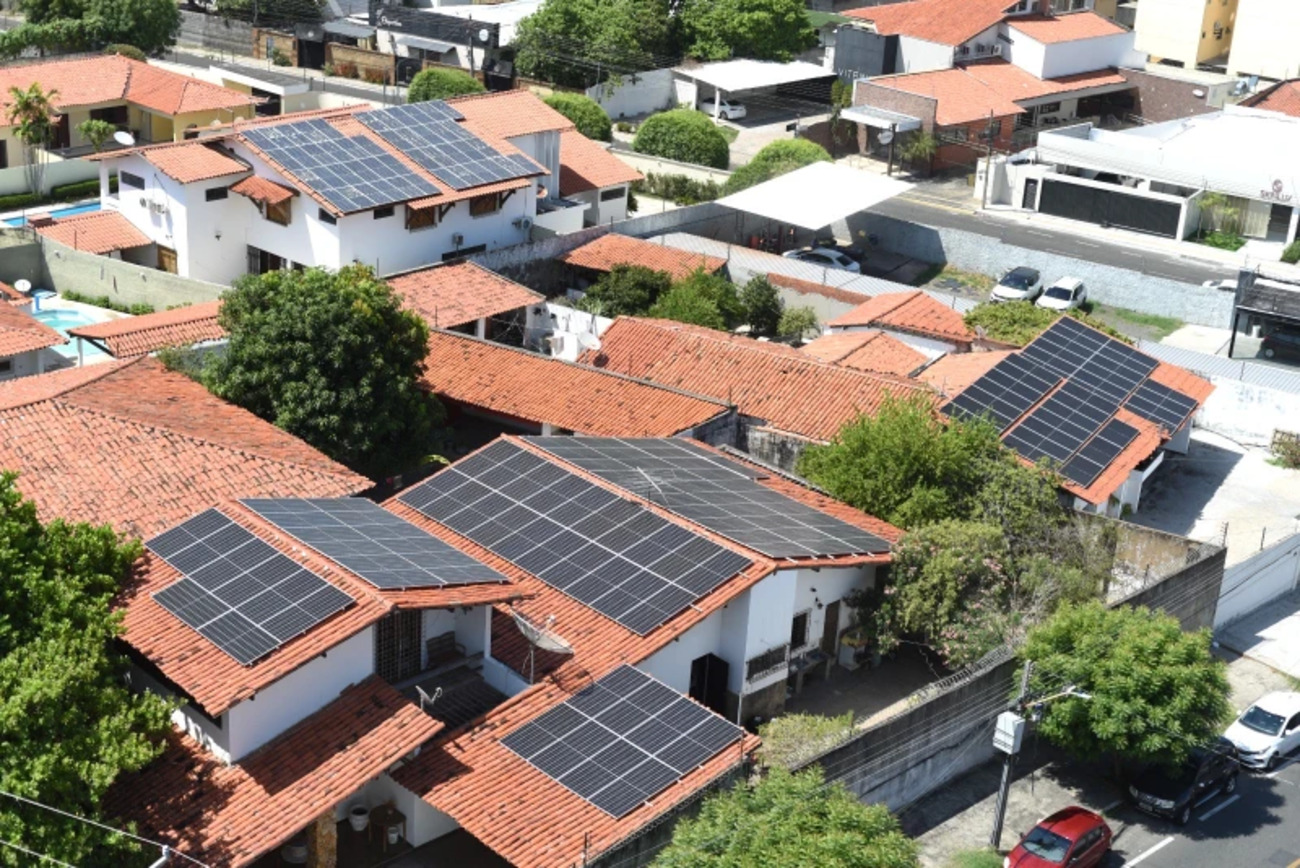
Piauí reaches a historic milestone in energy transition: State records nearly 160,000 households powered by solar energy and leads growth in the Northeast.
-
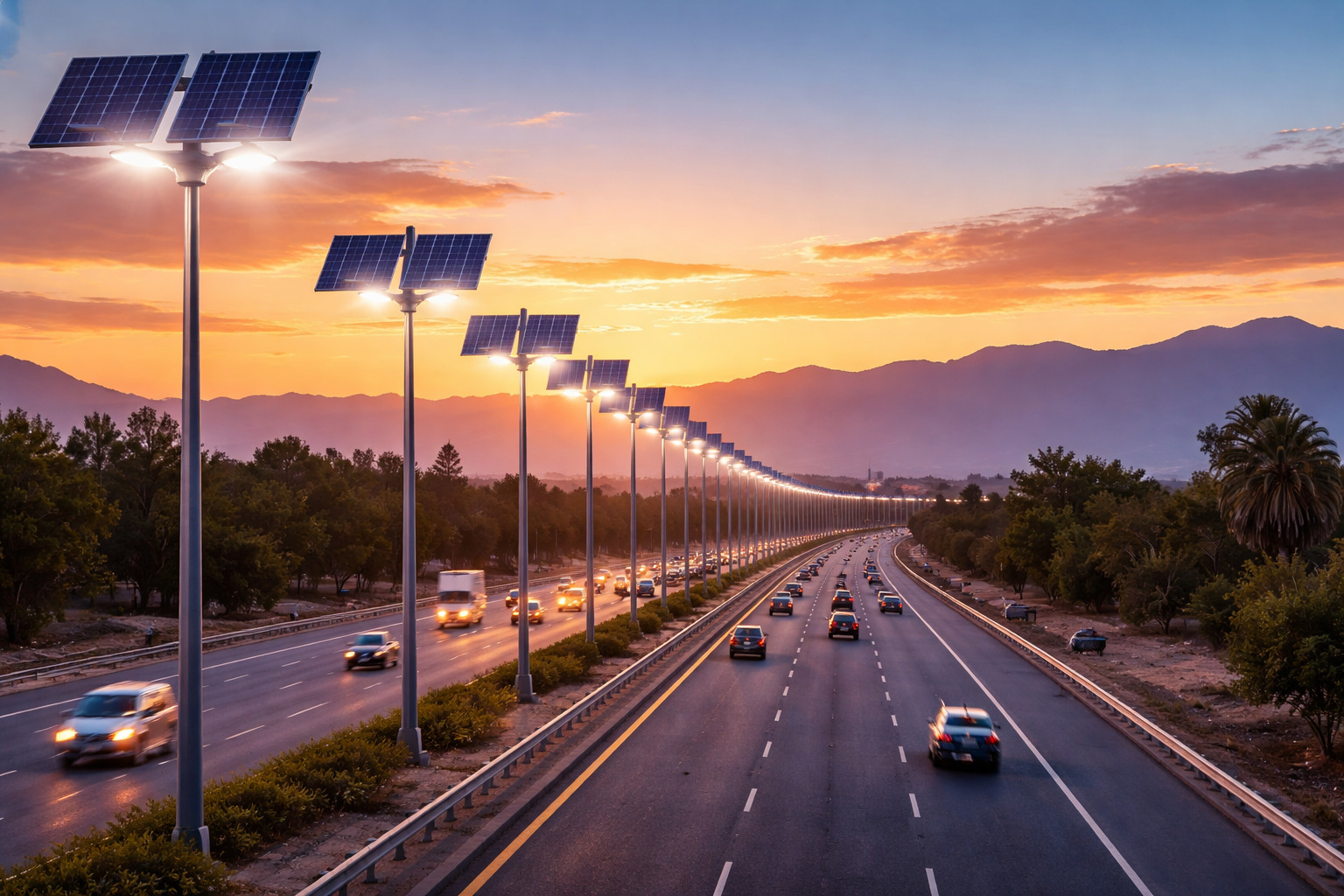
Argentina debuts its first 100% solar-powered highway and transforms an entire road into a showcase of clean energy.

As a result, these areas, known for their environmental and cultural richness, finally have modern photovoltaic systems, installed at no cost to the residents, ensuring safety, autonomy, and quality of life.
Structure Of Solar Energy Systems
To achieve this goal, the project was carefully structured. Each residence receives a individual solar system, mounted on fiberglass or aluminum structures, materials that withstand the natural corrosion process characteristic of coastal regions.
This way, the system ensures a minimum of 80 kilowatt-hours per month, potentially reaching 128 kWh during the summer, when there is greater sunlight exposure.
Furthermore, each kit has 1,250 watts of power, 127 volts of voltage, and batteries with up to 48 hours of autonomy, ensuring supply even on cloudy days.
This point is crucial, as the northern coast of Paraná, especially, experiences long periods of cloudiness.
For this reason, Copel took this data into account during planning and sized the system to ensure continuous energy, even during periods of low sunlight.
The National Electric Energy Agency (ANEEL) itself establishes a standard of 36 hours of autonomy for such projects.
However, Copel chose to offer 48 hours, reinforcing the reliability of the initiative.
Historical Context Of Energy In Paraná
Historically, Brazil has always relied heavily on its hydropower matrix for energy generation.
However, the coastal regions of Paraná demonstrate how the country begins to diversify its energy matrix with renewable sources, such as solar energy.
Paraná, in fact, has a tradition of large hydropower projects, notably the Itaipu Dam, a global reference in clean generation.
Now, the state expands its trajectory by integrating new technologies that reach even isolated communities, where electricity was previously limited or nonexistent.
Similarly, this evolution aligns with a global trend. Countries like Germany and Spain invested heavily in solar energy since the 2000s, becoming references in distributed generation.
In this context, Brazil, which has solar potential far superior to Europe’s, took time to adopt encouraging measures.
However, it has accelerated in recent years.
Decentralized projects, like Copel’s on the Paraná coast, show how the country can combine international experience and natural abundance to create its own solutions, adapted to its social and environmental realities.
Beyond the technical aspect, the meetings that preceded the implementation demonstrate the importance of social dialogue and environmental preservation.
Since October 2024, Copel representatives have met with residents, local leaders, and public agencies to explain the project’s operation and listen to concerns.
These meetings included the Public Ministry of the State of Paraná, the Institute of Water and Land, the State Department of Culture, as well as representatives from the state government and the municipality of Paranaguá.
As a result, the initiative gained institutional and community support, reinforcing its legitimacy.
Safety And Responsibilities Of Residents
Another aspect deserves emphasis: safety.
In this regard, technicians install solar systems near the houses but maintain a three-meter buffer zone around.
This area must remain free of constructions and tall vegetation, allowing technicians to move around during inspections and maintenance.
Additionally, residents received clear guidance: they should not share the electrical connection with other homes, cannot alter the structure, and must immediately report any emergencies to Copel.
In turn, the company committed to performing preventive maintenance, responding to emergencies, and ensuring the supply of energy at the contracted level.
At the same time, learning about the proper use of energy is also part of the project.
Many of these communities have lived for decades with restricted use of lanterns, diesel generators, or makeshift batteries.
Now, with the arrival of a stable and reliable system, residents need to adjust their consumption habits and learn to deal with new equipment.
This cultural change is as important as the technical aspect, as it ensures that the benefits of solar energy remain for many years.
Consequently, for the inhabitants of Ilha do Mel, Ilha da Cotinga, and the communities of Superagüi, the impact will be profound.
Electricity ensures stable lighting, food preservation in refrigerators, charging of cell phones and computers, as well as paving the way for new economic and social activities.
Similarly, for schools, health posts, and community centers, access to solar energy represents better operating conditions and a higher quality of life.
Solar Energy And The Energy Transition
The arrival of solar energy on the coast of Paraná also integrates the global movement for energy transition.
All over the world, governments and companies seek to reduce dependency on fossil fuels, prioritizing renewable sources like solar, wind, and biomass.
Brazil, with its abundance of natural resources, has great potential to lead this transformation.
In this scenario, projects like Copel’s show how it is possible to align economic development, social justice, and environmental preservation.
Moreover, it is worth noting that Ilha do Mel and Superagüi National Park stand out as touristically and environmentally relevant destinations.
The presence of solar energy further strengthens the image of the Paraná coast as a region committed to sustainability.
Traditional communities and indigenous peoples also receive direct benefits, reinforcing the social dimension of this initiative, which goes beyond the technical aspect of installation and connects with cultural appreciation and inclusion.
Another positive effect arises in terms of environmental preservation.
Previously, many of these communities relied on fuel-powered generators, which emit pollutants and produce constant noise.
Now, with the replacement by solar panels, the region eliminates this negative impact, contributes to the conservation of local biodiversity, and restores tranquility to the populations.
Additionally, reducing the use of fuels transported by boat to the islands diminishes the risk of accidents and spills that could compromise fragile ecosystems.
Future Perspectives For The Coast Of Paraná
In the long term, the adoption of individual photovoltaic systems guarantees energy autonomy for each family.
This solution reduces the need for extensive transmission networks in environmentally sensitive areas, avoiding greater impacts on the natural landscape.
At the same time, solar energy does not emit greenhouse gases during its operation, contributing to the national and global goal of reducing carbon emissions.
In this sense, this model can inspire other Brazilian locations facing similar conditions.
Riverside regions of the Amazon, quilombola communities, and rural settlements in remote areas still suffer from precarious access to electricity.
Therefore, decentralized and sustainable projects, like the one on the Paraná coast, can be replicated on different scales, always respecting local characteristics.
Copel’s investment is part of a wider process of transformation in the Brazilian electrical matrix.
Although the country still largely depends on hydropower, the share of solar energy has been growing rapidly in recent years.
In the case of Paraná, which already hosts one of the largest symbols of renewable generation on the planet, the investment in solar panels reinforces the commitment to continue leading this movement in Brazil.






Seja o primeiro a reagir!