





 Portuguese
  English
  Spanish
  3 min of reading
  0 comments


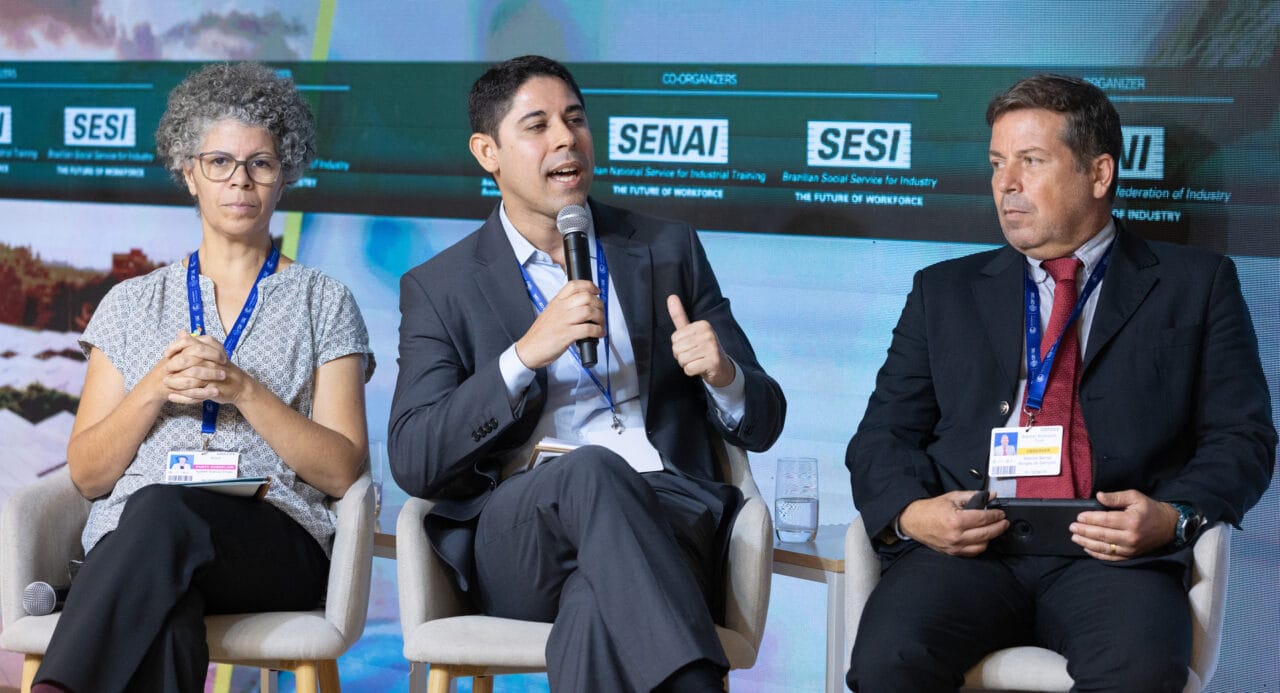
Floresta Viva Project Opens Applications for Projects in Biodiversity Corridors in Bahia, Goiás, Mato Grosso, Mato Grosso do Sul, and Minas Gerais, Focusing on Ecological Restoration.
The National Bank for Economic and Social Development (BNDES) and Petrobras announced during COP 28 in Dubai, United Arab Emirates, the launch of a new public notice for ecological restoration projects aimed at conserving the Cerrado and Pantanal biomes. The Floresta Viva initiative will allocate R$ 42 million for up to 9 projects that implement actions in biodiversity corridors that connect remaining forest fragments, promoting the movement of animals and the dispersion of plant species through seed propagation.
The selected projects will have up to four years to carry out restoration actions in areas of at least 200 hectares, located in the biodiversity corridors in the Cerrado and Pantanal. The Floresta Viva initiative aims to originate carbon credits, expanding the benefits of the project. ‘With our participation in Floresta Viva, we reinforce our commitment to a just energy transition, including socio-environmental initiatives that contribute to the conservation of the environment and the mitigation of greenhouse gas emissions. Now, we are expanding our action to two of the most threatened biomes in Brazil, the Cerrado and Pantanal, contributing to transform our investment into socio-environmental returns for the Country, with benefits for water security, biodiversity, and climate,’ declares Jean-Paul Prates, president of Petrobras.
BNDES’s Bets on Ecological Restoration
BNDES is betting on the ecological restoration of Brazilian biomes as one of the most efficient and economic ways for the country to respond to the extreme climate crisis, as well as all its socio-economic impact and biodiversity conservation. The Floresta Viva is a success story that has already inspired other initiatives, such as the recently launched Arc of Amazon Restoration, an initiative built by BNDES, in partnership with the Ministry of Environment and Climate Change (MMA), which will allocate R$ 1 billion for forest reconstruction, said Aloizio Mercadante, president of BNDES.
-
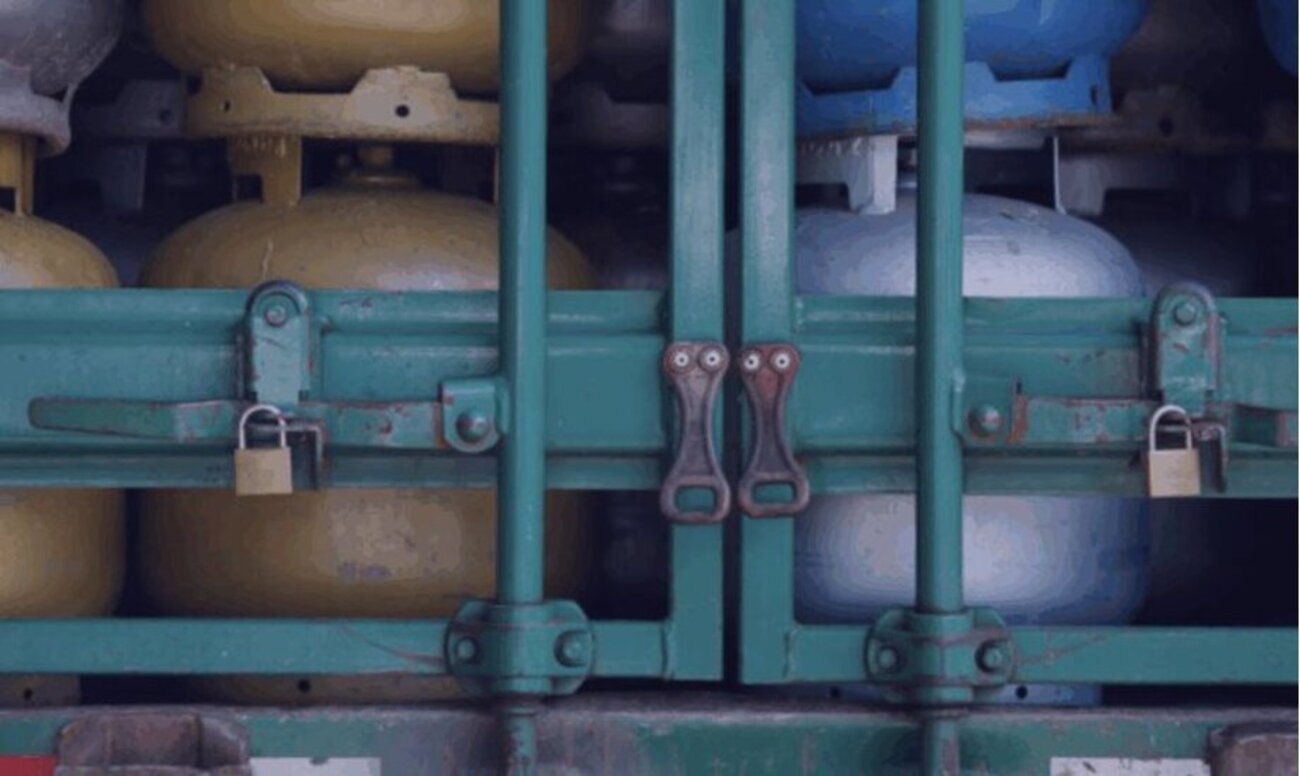
Petrobras evaluates suspension of sales to distributors and considers canceling the cooking gas auction following guidelines from the Federal Government.
-
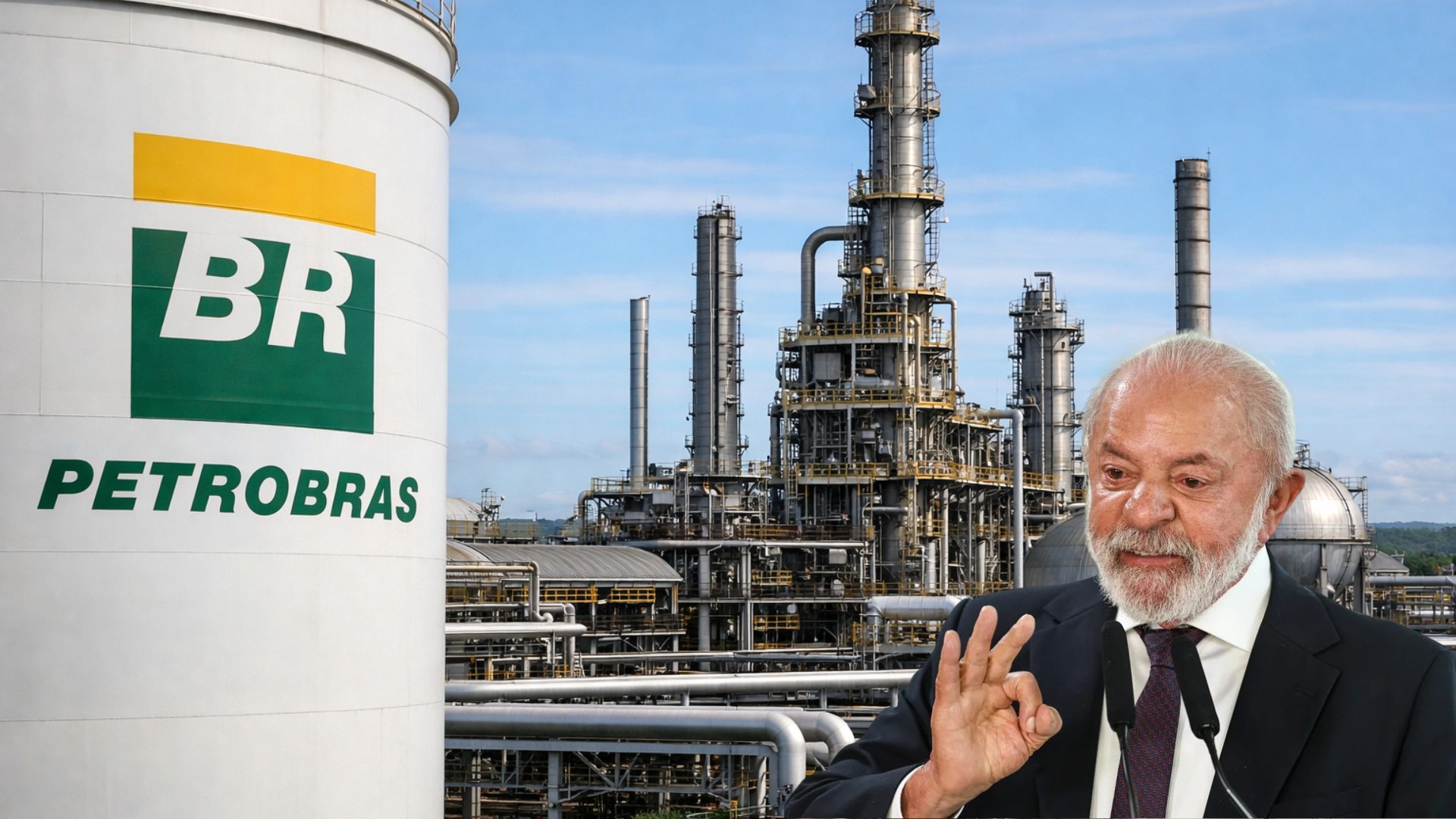
Lula reveals a masterstroke by Petrobras to undo a deal made by Bolsonaro, which involves the return of an important refinery that currently produces less than half of what was expected and makes Brazil dependent on international diesel.
-
A study confirms that the natural gas sector will reduce greenhouse gas emissions in Brazil by 0.5% and accelerate the energy transition by 2026.

-
Petrobras implements a severe adjustment and confirms a 55% increase in the price of aviation kerosene with a proposal for installment payments for the companies.


Impact of Floresta Viva on Ecological Restoration
Floresta Viva’s work in ecological restoration in biodiversity corridors for the conservation of the Cerrado and Pantanal biomes is essential for Brazil to ensure that its biodiversity is protected and contributes to climate balance. It is part of FUNBIO’s mission to work networked to ensure that the socio-environmental benefits of ecological restoration impact locally, nationally, and globally all populations, said Rosa Lemos de Sá, secretary-general of FUNBIO.
Wealth of the Cerrado and Threats to Biodiversity
The Cerrado is one of the biomes with the greatest biodiversity on the planet, housing 5% of all species in the world and 30% of the species in the country – many of which are endemic, existing only in this environment. It is also one of the most threatened biomes by deforestation: about 30% of all deforested areas in Brazil in 2022 were in Cerrado regions. Recognized as the ‘water cradle,’ for housing the headwaters of some of Brazil’s largest rivers, the Cerrado has a close relationship with the Pantanal, as it is where the Paraguay River, which supplies the flooded Pantanal plain, originates. Like the Cerrado, the Pantanal also has rich biodiversity, with over 4,700 cataloged species, and is threatened especially by deforestation and wildfires.
Ecological Restoration Initiatives
The projects participating in the public selection must be proposed by non-profit organizations, such as civil associations, private foundations, or cooperatives. More information about the public notice can be obtained on the FUNBIO Call Portal at: https://preprod-chamadas.funbio.org.br/floresta-viva-corredores-de-biodiversidade
The operational management and conduct of the public notice will be carried out by the Brazilian Fund for Biodiversity (FUNBIO), a civil society organization of public interest (Oscip) aimed at catalyzing strategic actions focused on the conservation and sustainable use of biological diversity in Brazil.
Details About Floresta Viva
The Floresta Viva initiative was developed by BNDES and has 20 supporters, including private companies and governments.
Approximately R$ 100 million from BNDES and Petrobras are being mobilized to foster ecological restoration initiatives in Brazilian biomes, contributing to biodiversity preservation, water resource availability, carbon dioxide removal from the atmosphere, job and income generation, among other socio-environmental benefits.
Source: Petrobras Agency









Seja o primeiro a reagir!