





 Portuguese
  English
  Spanish
  2 min of reading
  0 comments


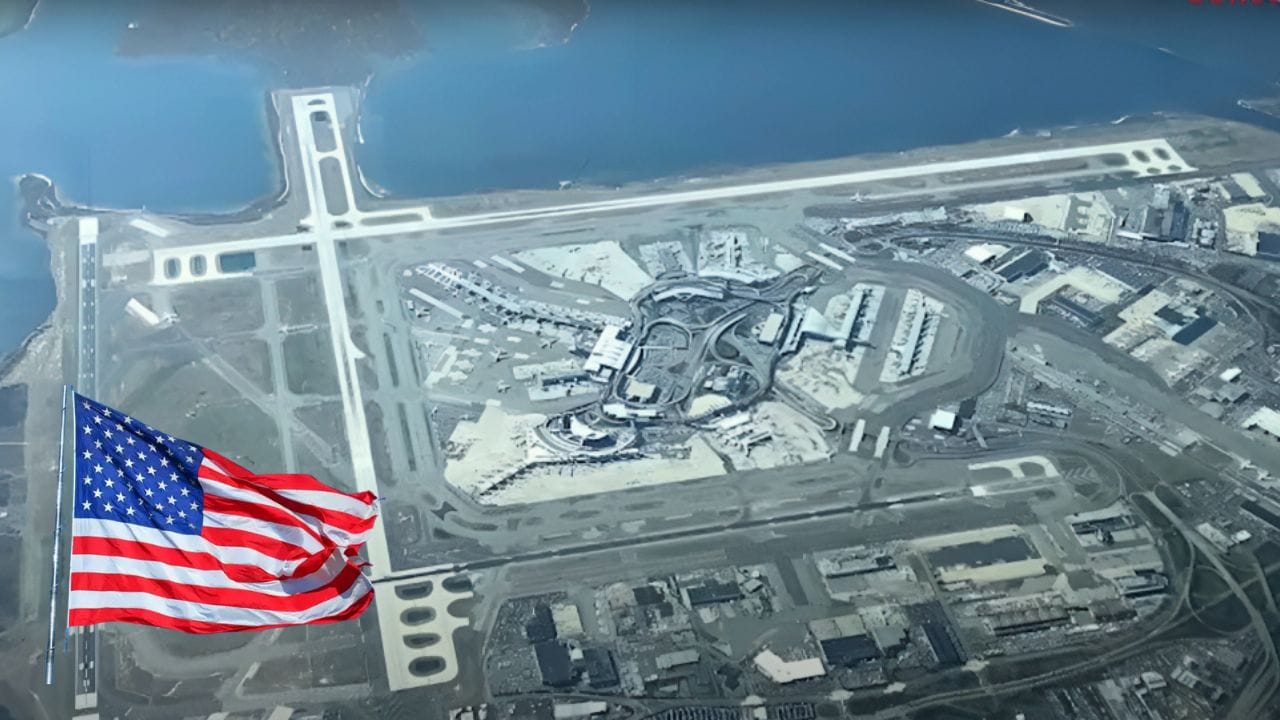
San Francisco, the Fourth Most Populous City in the State of California, in the United States, Is Known for Its Resilience and Capacity for Renewal.
After being devastated by an earthquake in 1906, the city quickly rebuilt itself, transforming into a renowned tourist destination and one of the major financial centers of the United States.
Today, San Francisco is home to more than 30 international financial institutions and stands out for its efficient transportation system, including the San Francisco International Airport (SFO), a marvel of modern engineering.
San Francisco International Airport: A Global Hub in Expansion
Located 21 km south of downtown San Francisco, SFO is the largest of the four airports in the San Francisco Bay and the second busiest in California, surpassed only by the Los Angeles International Airport.
-
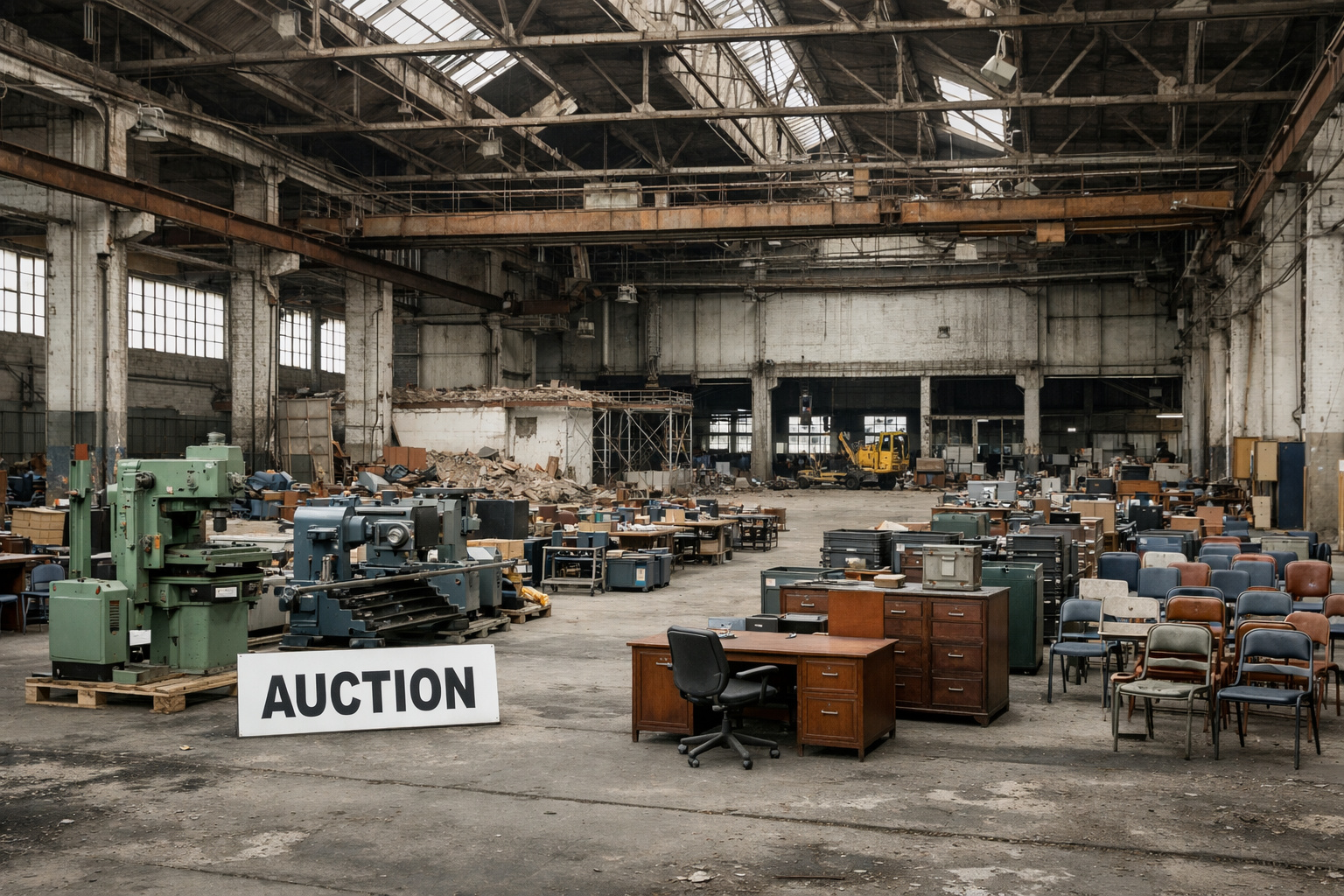
Historic bankruptcy of Centauro shocks the market, and the century-old company puts more than 500,000 products, machines, and complete infrastructure up for online auction.
-
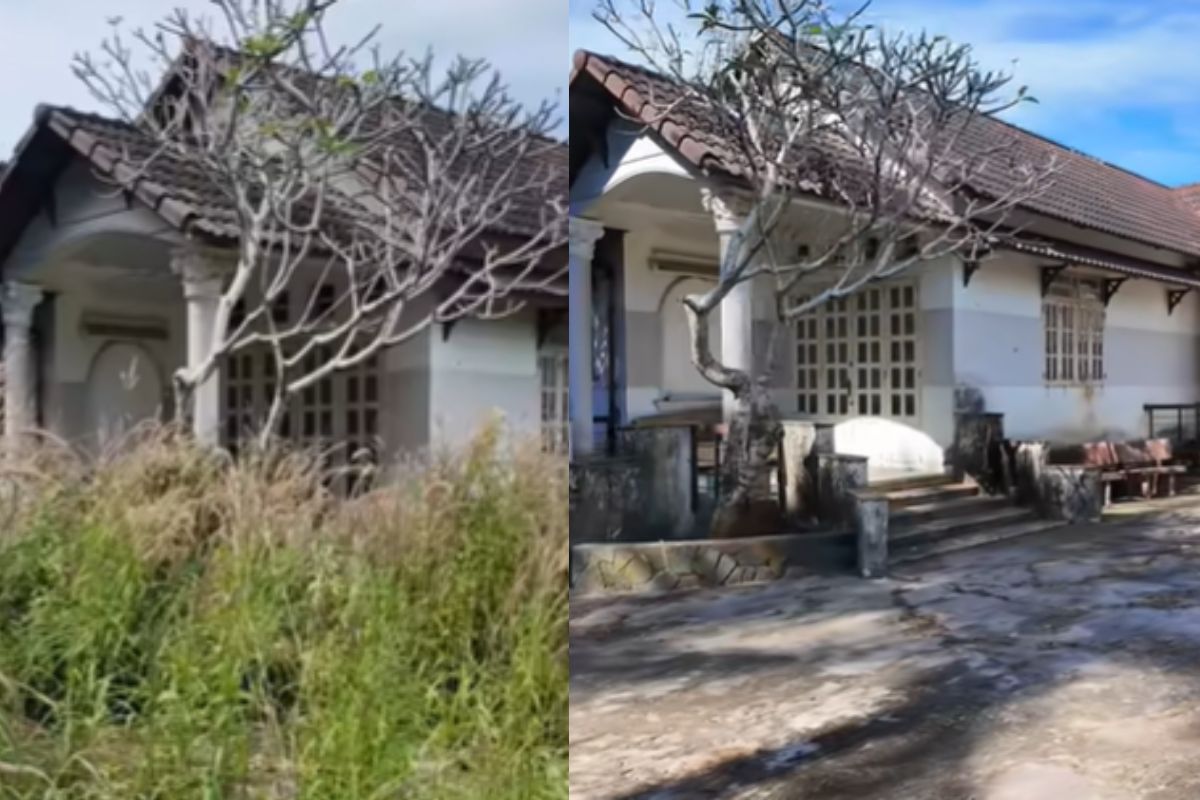
Abandoned house for 15 years disappears in the woods, shocks owner with unrecognizable scenery and is reborn in an intense transformation after almost 90 hours of work in just 10 days.
-
In just three hours, a natural stone floor transforms the entrance of the house with an organic effect, immediate drainage, and a sophisticated non-slip finish that doesn’t puddle water, dries quickly, and impresses with the final result.

-
‘Interlocking brick’ made of earth arrives in the construction industry with cost reductions of up to 40% on the project.


With flights to North America, Europe, and Asia, SFO is an important transpacific hub for United Airlines and one of the busiest airports in the United States.
The History of SFO Dates Back to the 1920s, When San Francisco Foresaw the Construction of a Terminal for the New Transcontinental Air Mail System
In 1927, the airport began operations as Mills Field Municipal Airport, quickly evolving to become a training center for the U.S. Army Air Forces during World War II and later one of the country’s major airports.
Over the years, SFO has undergone investments, various expansions and modernizations to accommodate the increasing number of passengers.
Notable highlights include the construction of the South Terminal in 1963, the expansion of runways to accommodate jet aircraft, and the inauguration of the current international terminal in 2000.
More recently, Terminal 2 was remodeled, becoming an example of sustainability and comfort for passengers.
Despite Its Success, SFO Faces Challenges, Such as Increased Noise Due to New Flight Routes
Legislation seeks to address these issues, aiming for soundproofing of nearby residences. The airport has set a goal of achieving net zero carbon, zero waste, and net zero energy, although the projected increase in passenger traffic represents a significant challenge for these objectives.
Comparing SFO to the Guarulhos International Airport, the largest in Brazil, similarities can be observed in size and passenger volume, although Guarulhos receives a larger number of travelers annually.
The San Francisco International Airport is more than a transit point; it is a complex of commercial and cultural attractions. With a history of nearly a century, SFO remains one of the most important airports in the United States, promising a bright and innovative future.







Seja o primeiro a reagir!