





 Portuguese
  English
  Spanish
  5 min of reading
  0 comments


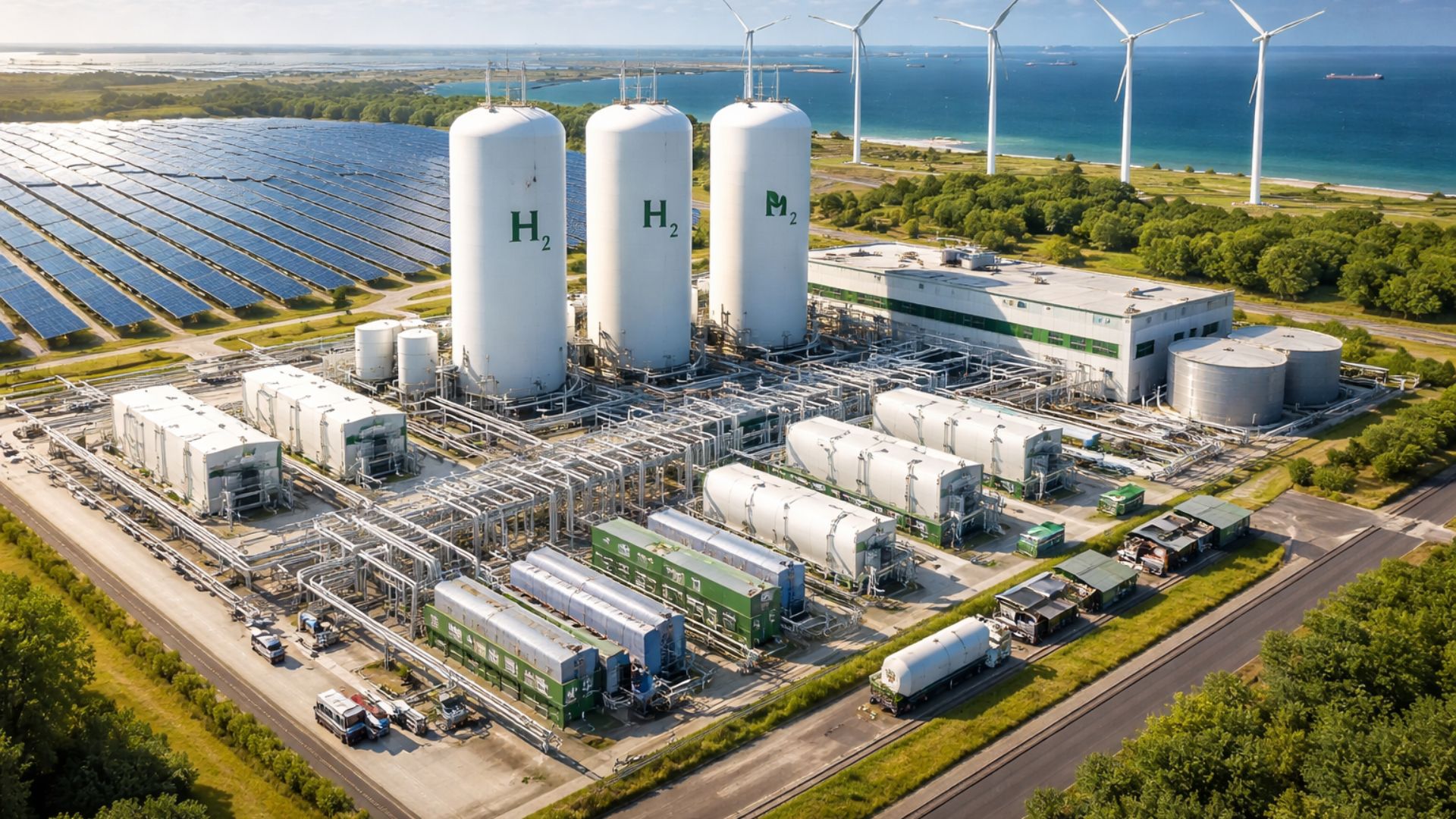
Billion-Dollar Projects Put Green Hydrogen at the Center of Brazil’s Energy Strategy, Boosting Investments, New Industrial Infrastructure and Advances in the Energy Transition With Global Impact.
2026 could be a decisive year for green hydrogen in Brazil. According to an article published by Estadão this Sunday (11), projects totaling over R$ 64 billion in investments are awaiting final investment decisions (FIDs) expected for this year, with direct effects on the industry, energy infrastructure, international competitiveness, and the advancement of the Brazilian energy transition.
The green hydrogen is taking a strategic position on Brazil’s economic and environmental agenda, driven by a combination of renewable energy matrix, interest from international investors, and growing global demand for low-carbon solutions. However, the realization of these investments depends on regulatory advances and the consolidation of technical conditions, especially regarding access to electricity transmission and the definition of the sector’s legal framework.
Green Hydrogen, Investments, and Brazil at the Center of the Global Energy Transition
The projects with FIDs expected for 2026 total 6.15 gigawatts of electrolyzer capacity, a volume that positions Brazil among the countries with the largest portfolio of structured projects in green hydrogen. Most of these initiatives are focused on producing derivatives such as green ammonia and methanol, products with growing demand in European and Asian markets.
-
A Canadian retiree creates a hydroelectric system on a real river, generating energy continuously throughout the day and demonstrating how the power of water can supply a house with stability even in a simple structure.

-
Petrobras reaffirms its commitment to the market and ensures that it will carry out the energy transition safely to maintain national sovereignty.

-
Researchers discover a possible hydrogen deposit of up to 46 million tons beneath an ancient coal basin, and the volume could exceed half of the entire global production.

-
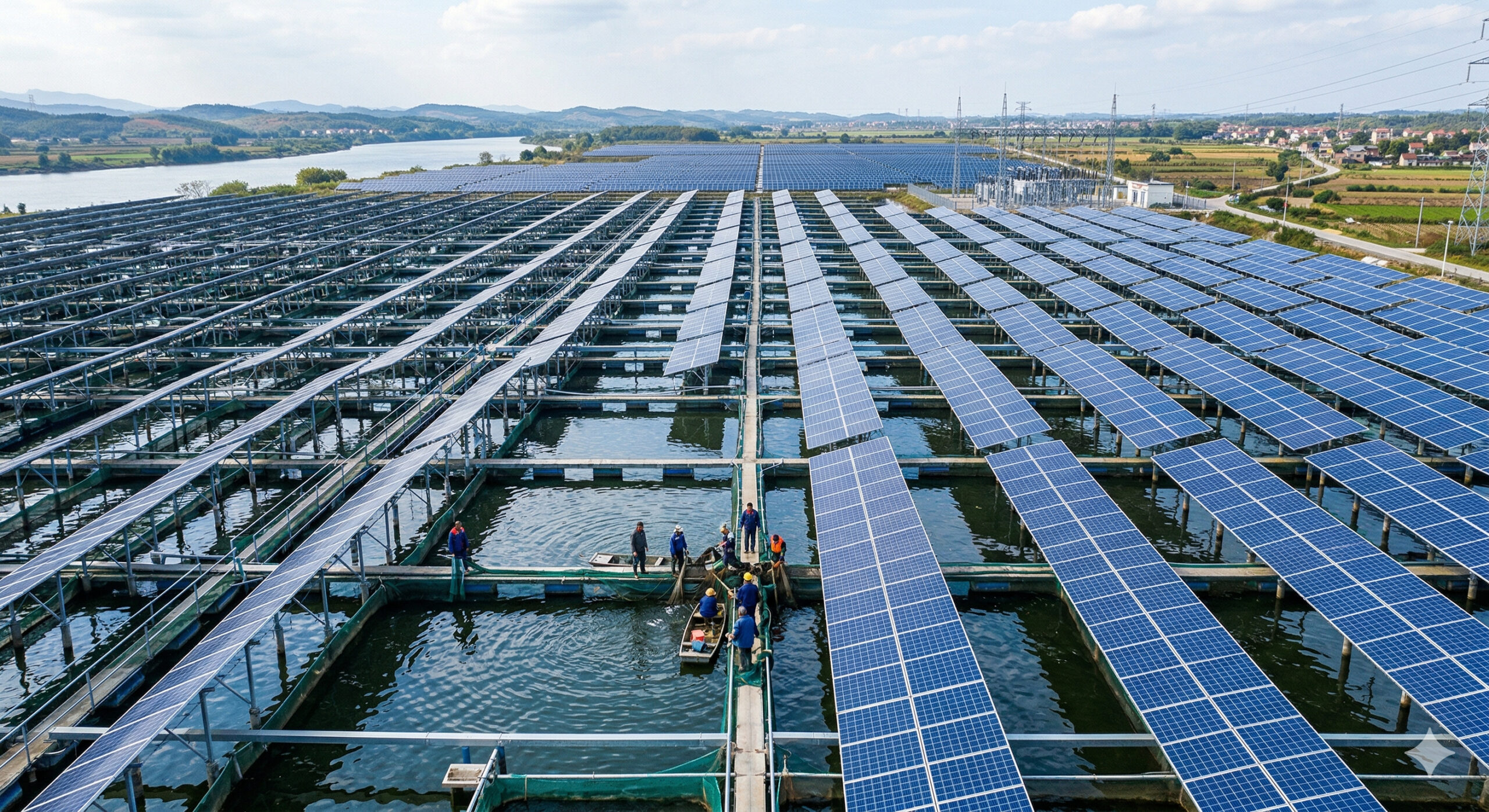
China bets on the Fishery-PV model and transforms fish farms into giant solar plants, covering ponds with panels that generate energy while utilizing the same space for large-scale aquaculture production.

International interest reinforces Brazil’s attractiveness as a production platform, especially due to the availability of competitive renewable sources, such as wind and solar energy. This advantage helps reduce the carbon intensity of the fuel and improves the economic viability of the projects.
Additionally, the advancement of these investments signals a structural change in the Brazilian energy industry, which is starting to incorporate green hydrogen as a vector for growth, export, and technological innovation.
Ceará Concentrates Green Hydrogen and Large-Scale Industrial Investments
The Pecém Industrial and Port Complex, in Ceará, stands out as the main national hub for green hydrogen. The region brings logistical advantages, proximity to renewable generation, and port infrastructure prepared for export.
The most advanced project is that of Fortescue, with an estimated investment of R$ 18 billion. The project has already completed conceptual engineering work, has a pre-contract with the Port of Pecém, and holds a prior environmental license for installation, factors that place it ahead in the timeline for final decisions.
In addition to Fortescue, other relevant projects in Pecém include initiatives from Casa dos Ventos, FRV, Voltalia, and Qair. Together, these projects total tens of billions of reais in investments and focus primarily on the production of green ammonia, deemed strategic for both export and the decarbonization of the fertilizer sector.
Expansion of Investments in Green Hydrogen Beyond the Northeast
Although Ceará concentrates most of the projects, the advancement of green hydrogen in Brazil also reaches other regions. In Pernambuco, European Energy is developing a project at the Port of Suape, with an estimated investment of R$ 2 billion. The initiative is already engaged in advanced negotiations with shipping companies interested in the green methanol expected to be produced starting in 2028.
In the Southeast, Atlas Agro is advancing a project for nitrogen fertilizers in Uberaba, Minas Gerais, integrating green hydrogen into the agribusiness chain. The project is part of the strategic portfolio of the National Council of Fertilizers and Plant Nutrition and has been selected as one of the five Hydrogen Hubs by the Ministry of Mines and Energy. These projects reinforce the interiorization of investments and expand the role of green hydrogen as an industrial input, not just as an export product.
Regulatory Framework Is Key to Unlocking Investments in Green Hydrogen in Brazil
Despite the robust pipeline, the sector still faces regulatory challenges. Defining the legal framework for hydrogen is considered essential to provide predictability to investors and reduce risks associated with long-term, capital-intensive projects.
Issues such as certification criteria, defining what characterizes low-carbon hydrogen, rules for accessing the transmission network, and mechanisms to stimulate domestic demand remain at the center of discussions. Without regulatory clarity, billion-dollar decisions tend to be postponed, even amid favorable technical conditions.
The sector expects that consolidating the regulatory framework will accelerate the FIDs expected for 2026 and create a more competitive environment compared to other countries vying for the same investments.
China Boosts Green Hydrogen and Strengthens the Energy Transition
The international scenario also contributes to market optimism. China has included green hydrogen among the strategic industries of its 15th Five-Year Plan (2026–2030), with defined production goals and priority application sectors.
According to Fernanda Delgado, Executive Director of the Brazilian Association of the Green Hydrogen Industry, the Chinese decision acts as a relevant stimulus for countries that are in the early stages of market development. The Chinese scale is likely to accelerate technological advancement and cost reduction, benefiting the entire global supply chain. For Brazil, this movement expands export perspectives and reinforces the role of green hydrogen in the international energy transition.
Green Hydrogen, Industry, and Competitiveness of Brazil
The adoption of green hydrogen is directly associated with Brazil’s capacity to maintain industrial competitiveness in an increasingly environmentally oriented world. Sectors such as steel, chemicals, fertilizers, and maritime transport face growing pressure to reduce emissions.
Green hydrogen emerges as one of the few viable solutions to decarbonize energy-intensive industrial processes. Countries that advance on this agenda are likely to gain competitive advantage, while those that lag may face trade barriers and loss of market. In this context, the investments projected for 2026 represent more than just new energy projects: they signal a long-term economic positioning strategy.
New Projects Expand Investments and Strengthen the Energy Transition
In addition to the projects with decisions expected for 2026, there are five other projects announced between 2027 and 2029, totaling around R$ 45 billion in additional investments. These figures indicate that the cycle of green hydrogen expansion in Brazil is likely to extend over the next decade.
The creation of integrated hubs, connected to ports and industrial centers, will be crucial to reduce logistics costs and enable large-scale production. At the same time, consistent public policies and adequate financing will be fundamental to transform technical potential into concrete economic results.
The Role of Green Hydrogen in Brazil’s Energy Future
Investments exceeding R$ 64 billion expected for 2026 consolidate green hydrogen as one of the pillars of the energy transition in Brazil. The progress of the projects shows that the country has moved beyond the conceptual phase and is now integrating the fuel into real capital decisions.
With direct impacts on industry, infrastructure, and international insertion, green hydrogen represents a strategic opportunity for Brazil to align economic growth, sustainability, and global competitiveness. The pace of this transformation will depend, above all, on the ability to convert regulatory and institutional potential into legal certainty and productive scale.








-

2 pessoas reagiram a isso.