





 Portuguese
  English
  Spanish
  3 min of reading



High Oil And Gas Prices Motivated Investors To Allocate Capital To The Oil And Gas Sector, While Resources In Low Carbon Utilization Stagnated
In the context of the current geopolitical crisis and high energy security concerns, the significant volatility in the sector and elevated oil and gas prices were noted in the first half of 2022. This fact greatly encouraged energy investors to allocate large capital to the oil and gas sectors, while there was no change in investments for sustainability proposals, such as those aimed at reducing carbon levels in the market.
As shown by Wood Mackenzie, investments in oil and gas still exceed investments for increasing low-carbon utilization. While allocating capital to the low-carbon economy was a major topic in the stock market between 2020 and 2021, political support following the net zero promises at COP26 in November 2021 seemed only to seal a shift in the structure of investments in zero-carbon from the fossil fuel sectors, reports Wood Mackenzie.
Zero Carbon Investments Deteriorated Due To The Russia War
As previously stated, zero carbon investments were anticipated in 2020 and 2021; however, this initiative did not endure and worsened in light of the war in Ukraine and changes in the sector’s economy.
-
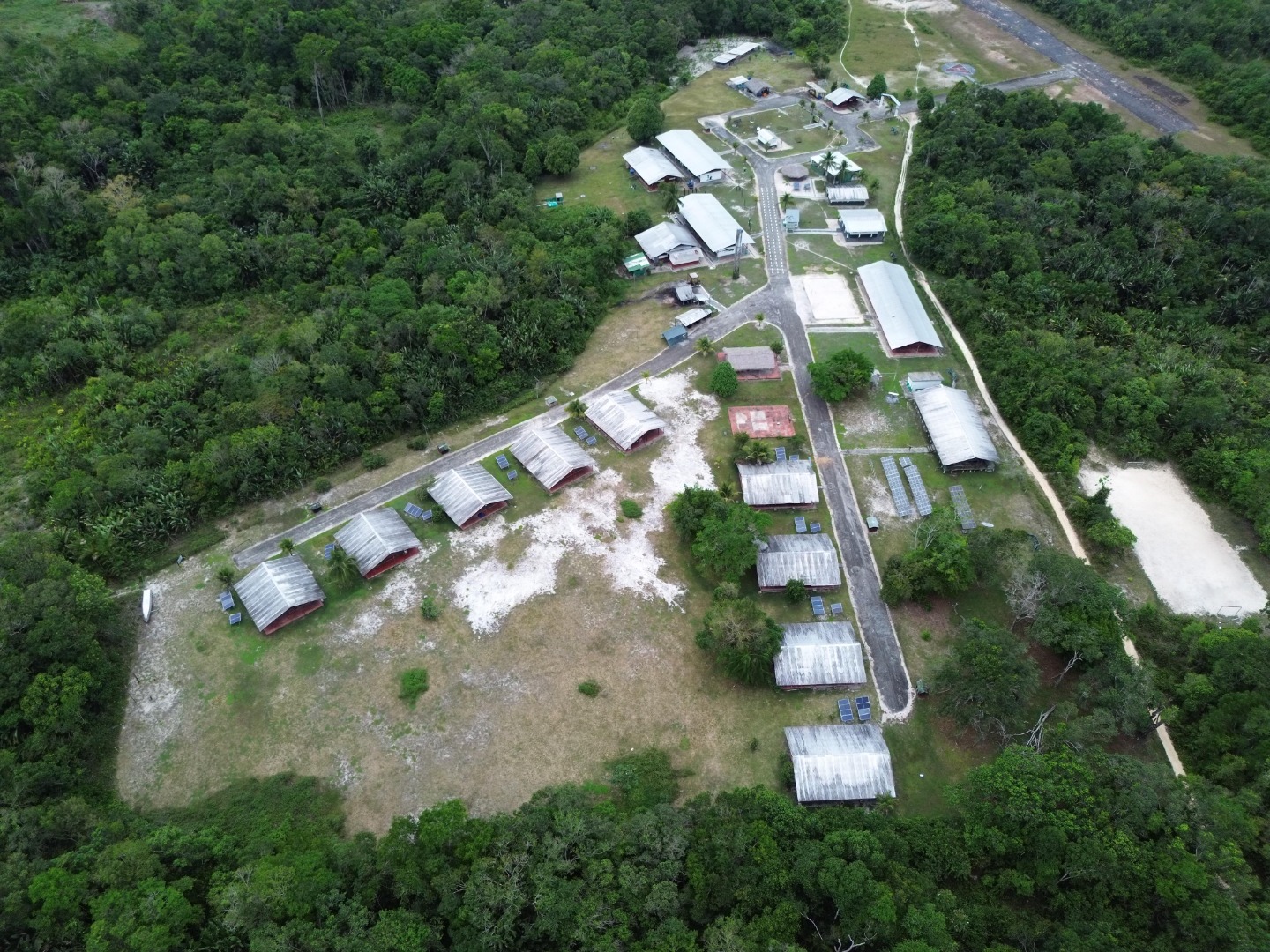
The Ministry of Defense installs a giant photovoltaic plant and ensures a stable supply of clean energy in Maturacá, in the Amazon.
-
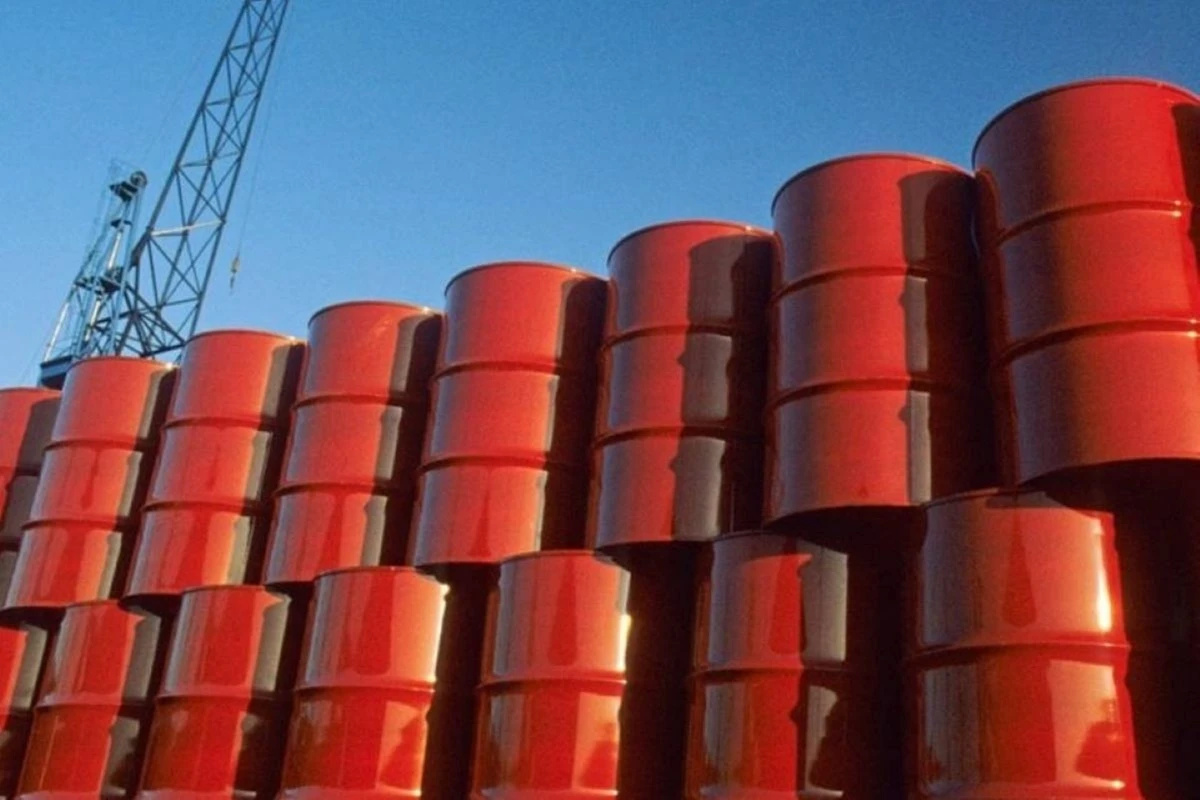
New escalation of tensions and oil crisis in the Middle East forces world powers to accelerate energy transition plans.
-
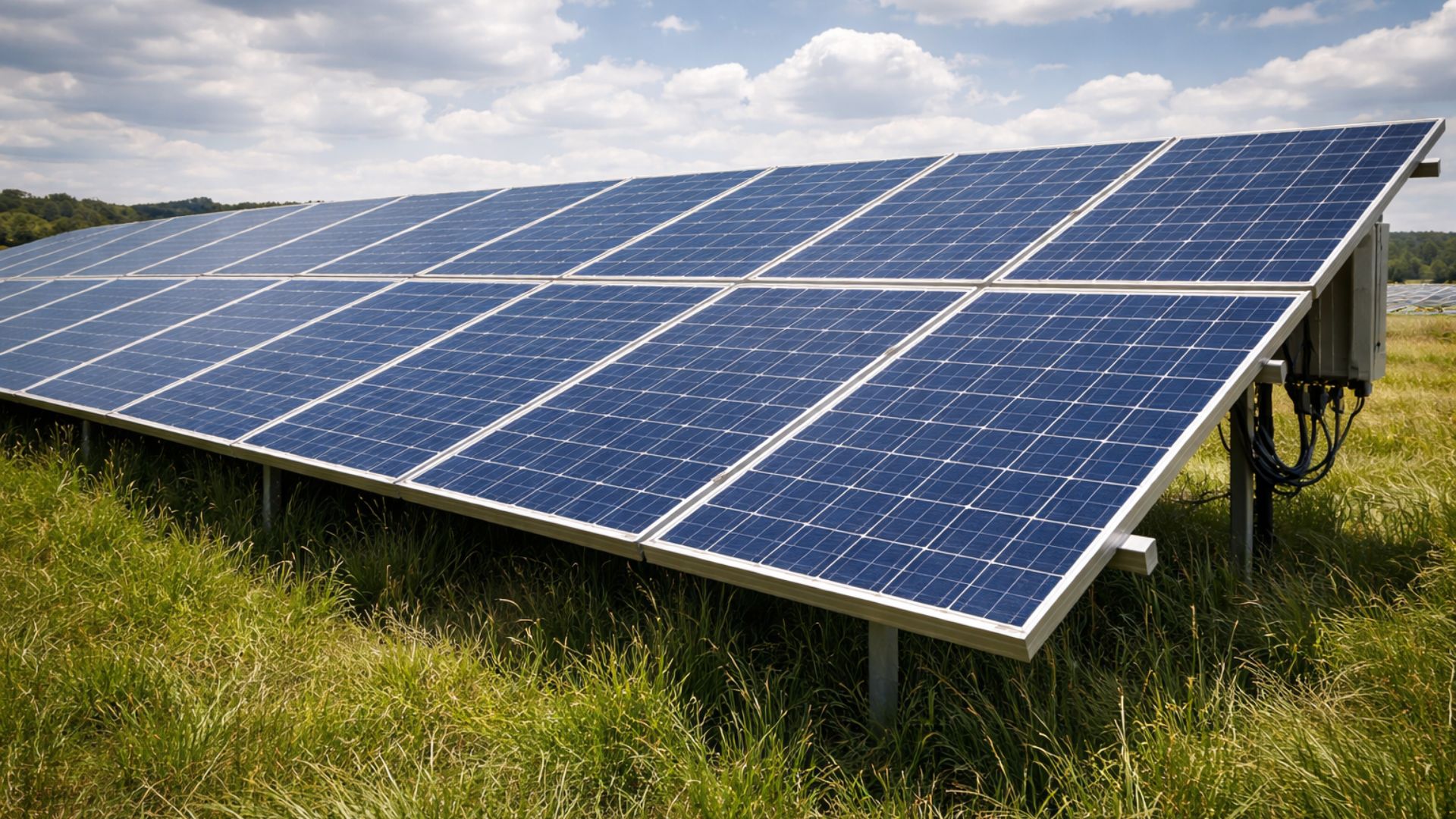
Itaipu receives proposals in the renewable energy tender and reinforces the role of public universities in the energy transition with projects that can reduce costs, increase academic investments, and accelerate sustainable innovation in the country.
-
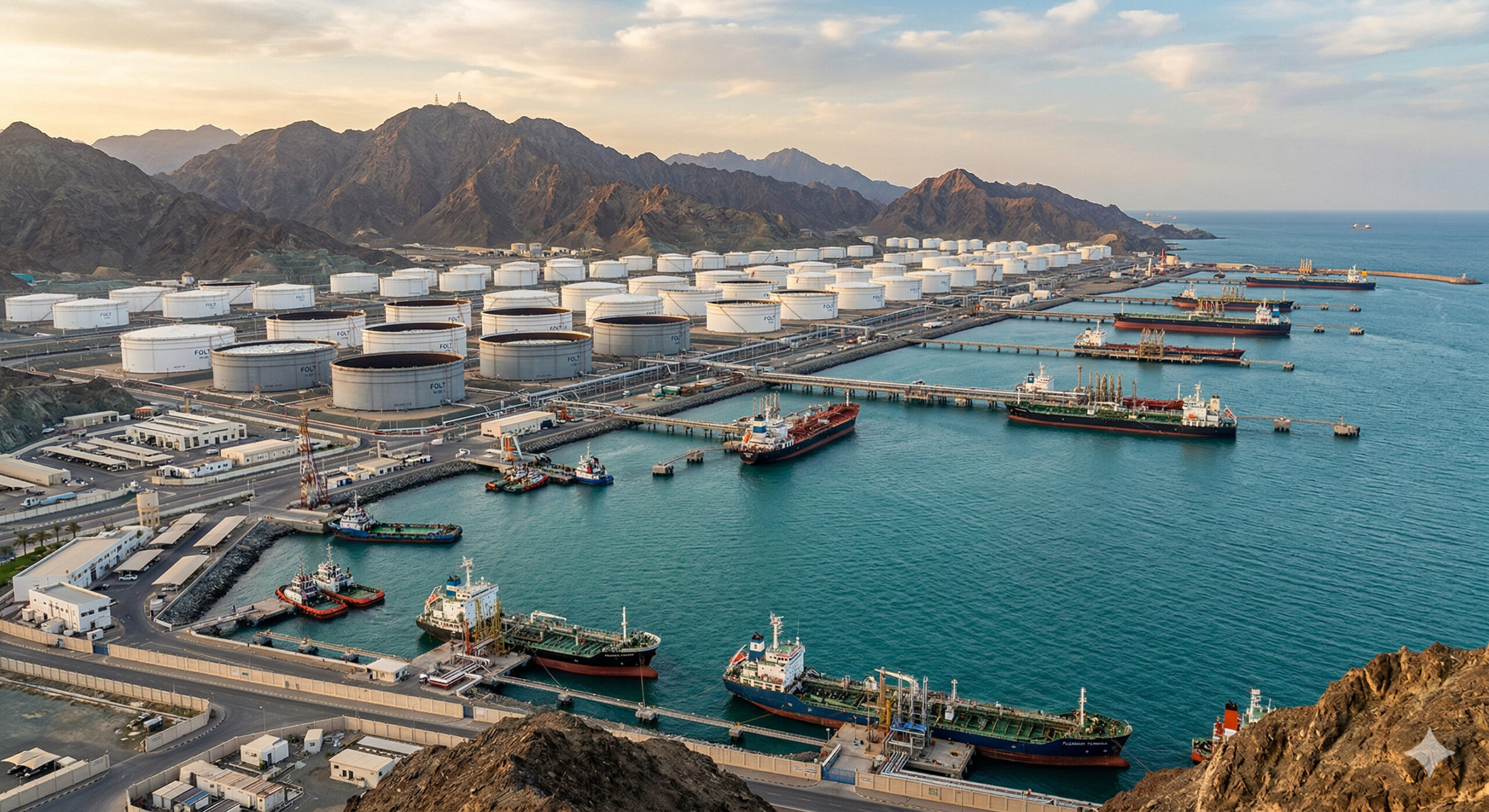
Giant reservoirs with a capacity of 18 million cubic meters have turned Fujairah into one of the largest energy vaults on the planet. This facility, located outside the Strait of Hormuz, stores oil on a colossal scale and has become a silent piece that supports the global flow of fuels.
With Russia’s attack on Ukraine, the viewpoints of supply, demand, and carbon prices are constantly changing, leading to a rewrite of energy trade flows. Furthermore, the energy sector, specifically the oil and gas sector, performed notably in the stock market, with rising oil and gas prices lifting the costs of various products, based on a study by Wood Mackenzie, which analyzed whether this factor altered investors’ perceptions regarding different zero-carbon strategies throughout the sector.
The energy intelligence company indicates that investors have focused on companies that produce pure oil and gas, which are more leveraged by oil prices during the first five months of 2022, similar to any bullish cycle.
Investors Are Not Allocating Capital To The Zero Carbon Sector For Fear Of Not Generating Returns
Investors indicate that they are not investing in the zero carbon proposal, as they are concerned that companies will spend more in the sector, given that a tight upstream supply chain has diluted investment returns for relevant expenditures.
Furthermore, there is also a self-interest from companies, as, according to the energy intelligence provider, management has observed that the less they spend, the more efficient their stock performance will be.
Zero Carbon Investments
Wood Mackenzie also highlights when and how investors’ perceptions can change, stating that it may take longer than expected after COP26, since Russia’s invasion of Ukraine reinforced global dependence on oil and gas and raised doubts about whether the world is prepared to accept the zero carbon proposal.
With the structural shift in the oil and gas sectors, the energy intelligence company anticipates high oil and gas prices in the upcoming years. The company also states that this transforms the economic outlook and attractiveness for the carbon sector.








Seja o primeiro a reagir!