





 Portuguese
  English
  Spanish
  6 min of reading
  0 comments


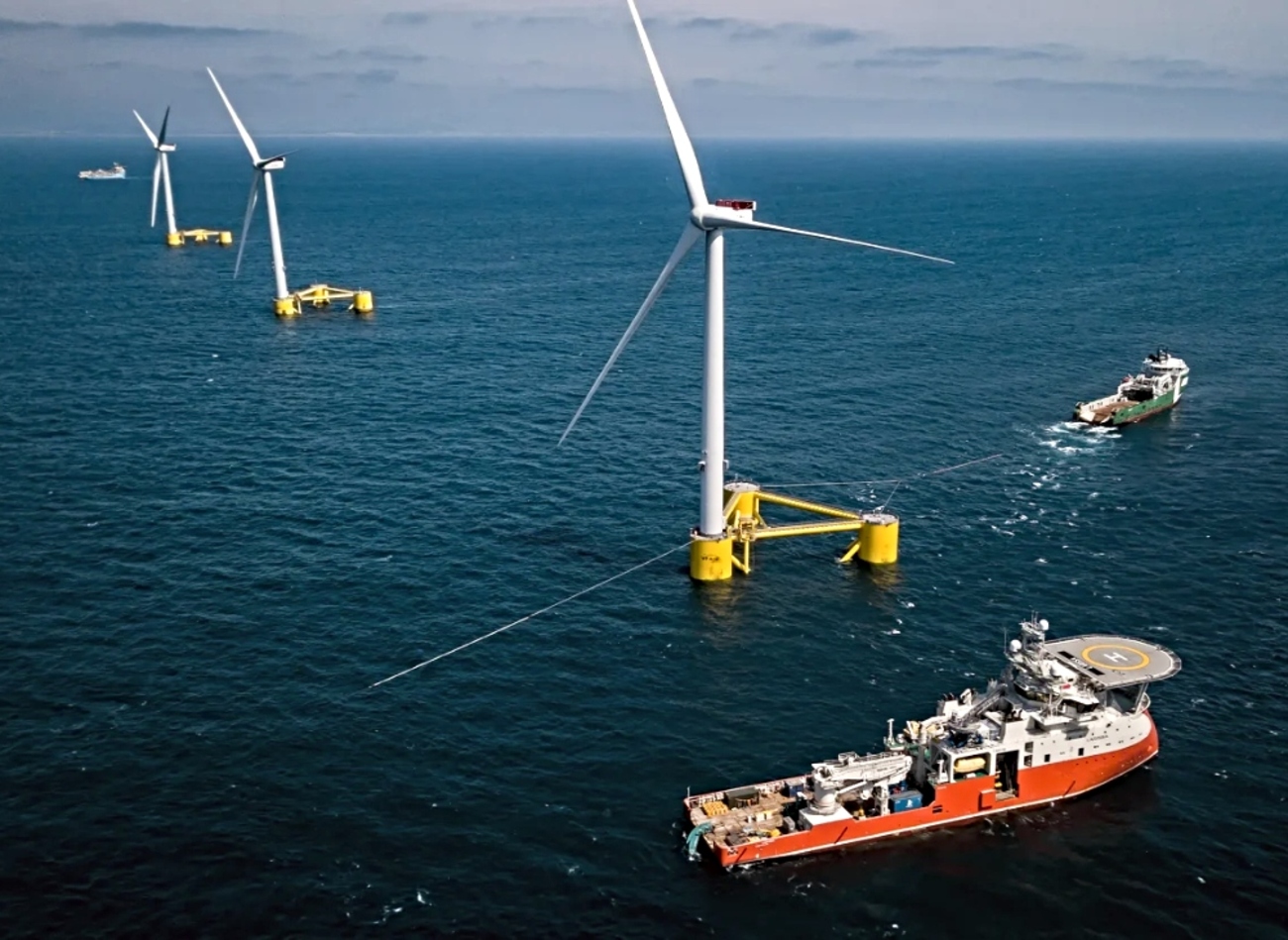
The advancement of energy generation projects in Brazilian waters attracts the interest of global giants in the oil and gas sector, who see in the potential of the national coastline the definitive opportunity to transform the Brazilian energy matrix with sustainability.
Brazil aims to attract around R$ 900 billion in direct investments for the development of offshore wind farms, a strategic move that intends to transform the Brazilian energy matrix in the coming years.
This massive volume of capital focuses on the installation of gigantic turbines offshore, taking advantage of the strength and consistency of the winds along the Northeast, Southeast, and South coast. The implementation of these projects finally places the country at the top of the list of destinations for foreign capital aimed at decarbonization.
Currently, the Brazilian Institute of Environment and Renewable Natural Resources (Ibama) is analyzing dozens of licensing processes that, combined, exceed 170 GW of installed capacity.
-
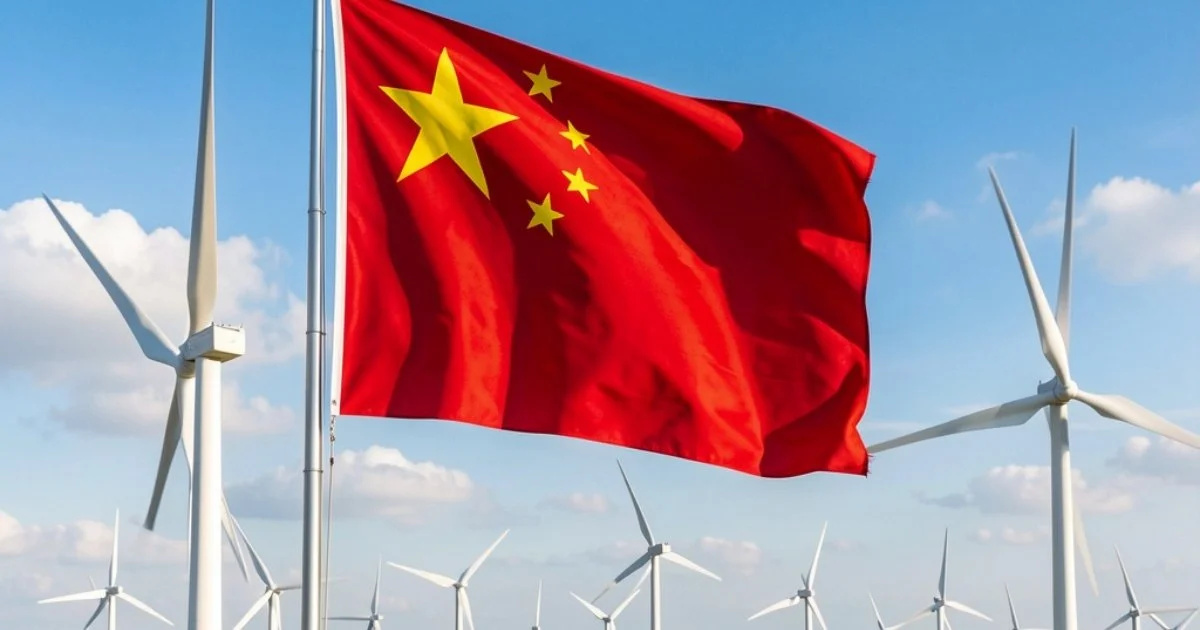
China accelerates offshore wind energy and sets new installed capacity records to lead global decarbonization.
-
Giant of the winds in Rio Grande do Norte: Serra do Tigre Wind Complex receives new investments and accelerates the expansion of clean energy generation to supply millions of Brazilian homes.
-
Urgent energy transition: Greenpeace advocates for massive investments and points to Brazil as a global leader in wind energy production in the coming years.
-
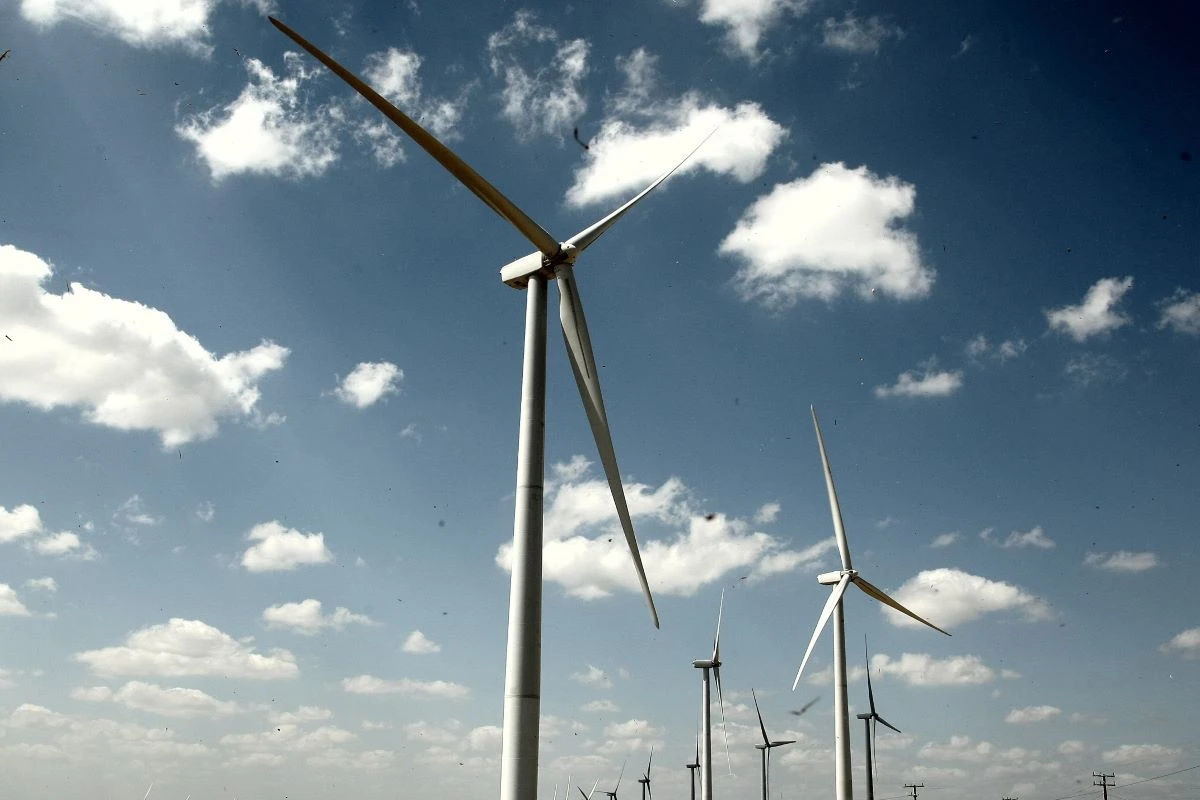
Conflict in the Sertão: Rural communities in Rio Grande do Norte report issues with wind farms and the new challenges of clean energy in the semi-arid region.
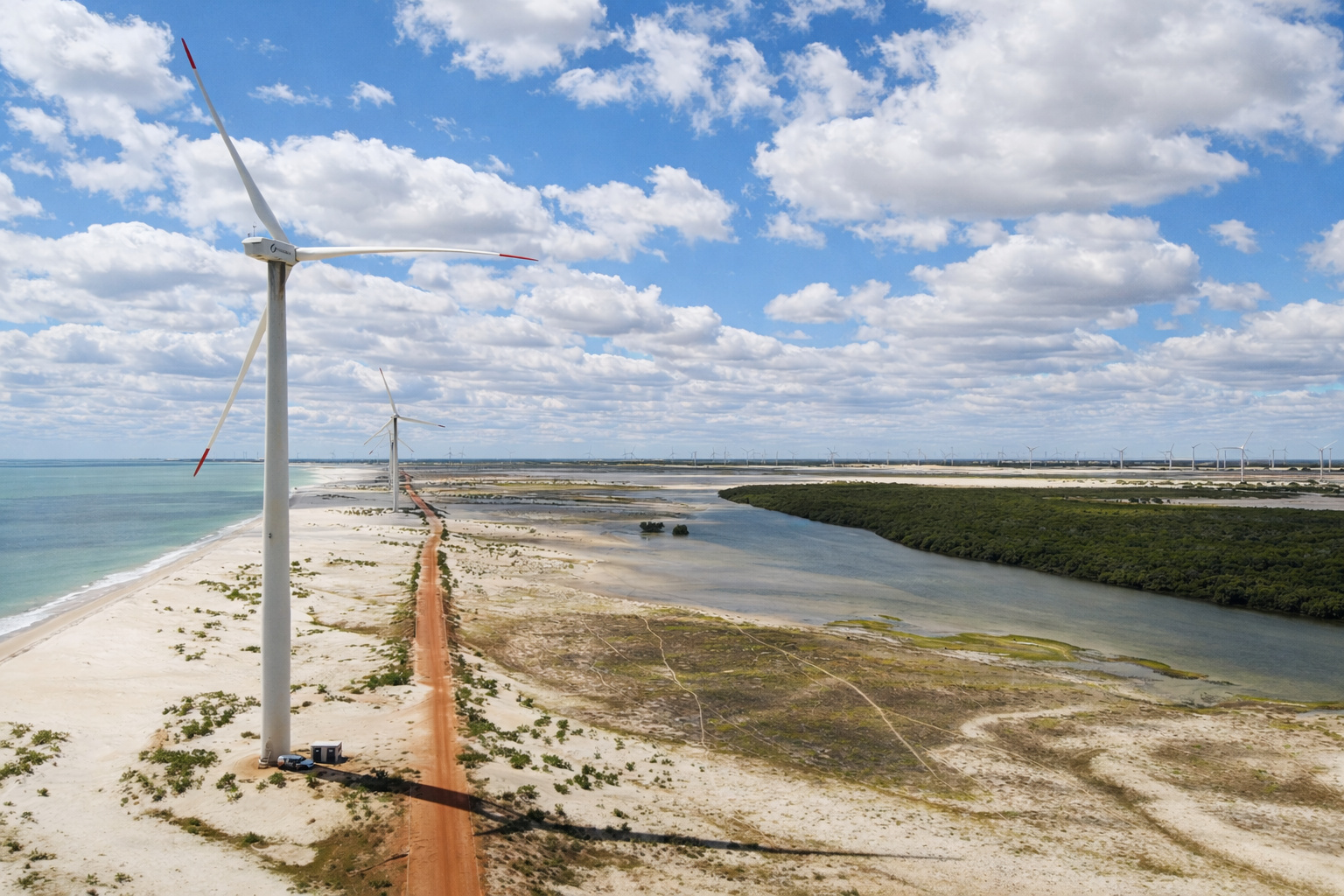
This potential surpasses the entire current generation of the National Interconnected System (SIN), ensuring clean and cheap energy for future generations. In addition to the positive environmental impact, the construction of these offshore plants generates thousands of qualified jobs and boosts the shipbuilding and heavy infrastructure industries in states like Ceará, Rio Grande do Norte, and Rio de Janeiro.
The unique geographical potential of Brazil in the offshore sector
The Brazilian coast has enviable geographical characteristics for those wishing to invest in offshore wind generation. Unlike Europe, which faces deep seas and severe storms, Brazil offers an extensive and shallow continental shelf. These conditions facilitate the anchoring of towers on the seabed, thus drastically reducing engineering and installation costs for foundations.
The Northeast coast, in particular, features unidirectional winds that blow uninterrupted for almost the entire year. This characteristic ensures a capacity factor higher than the global average, making the cost of the kilowatt-hour generated at sea extremely competitive.
By integrating this source into the national system, the government can transform the Brazilian energy matrix, reducing dependence on expensive and polluting thermoelectric plants that the National System Operator (ONS) activates during dry periods.
The role of Petrobras and global oil companies in the transition
Thus, major oil companies, such as Petrobras, Shell, and Equinor, lead the race for offshore licenses in Brazil. These companies utilize the technical knowledge acquired in the exploration of oil and gas in deep waters to master the logistics of installation and maintenance of offshore turbines.

The energy transition is no longer just an environmental goal but has become a profitable and necessary business model for the survival of these giants.
Petrobras, for example, has already allocated significant portions of its strategic plan for the research and development of offshore wind farms. The state-owned company intends to use the energy generated by the wind to power its own production in the pre-salt.
Thus reducing the carbon footprint of oil and gas extraction. This synergy between oil and renewables demonstrates how Brazil can transform the Brazilian energy matrix in a pragmatic way. In this way, utilizing the wealth of fossil fuel to finance the infrastructure of the future.
The size of offshore turbines is impressive
Have you ever imagined a structure taller than the Christ the Redeemer statue installed in the middle of the ocean? Next-generation offshore wind turbines exceed 250 meters in height. Each blade of these wind generators can measure over 100 meters in length, covering a sweep area equivalent to several football fields.
A single 15 MW turbine can generate enough energy to supply a small town on its own. The monumental scale of this equipment requires special ships for transport and high-precision cranes that operate in challenging marine conditions.
The engineering involved in these projects represents the most modern advancements in the global industry, thus attracting the attention of young professionals seeking technological careers linked to planet preservation.
Real impact: The creation of green hydrogen hubs
The investment of R$ 900 billion is not limited to electricity generation for household outlets. The great advantage of offshore wind lies in the production of green hydrogen (H2V). The surplus energy generated at sea is used to power electrolyzers that separate the water molecule, creating a clean fuel with high commercial value for export.
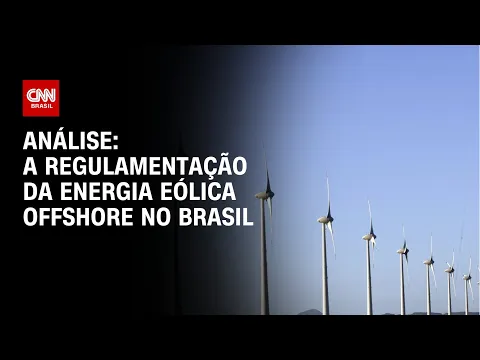

States like Ceará are already planning integrated hubs that connect offshore wind farms directly to ammonia and hydrogen production units at the Port of Pecém. This production chain positions Brazil as the “Saudi Arabia of renewables,” allowing the country to export clean energy to Europe and Asia.
Green hydrogen replaces coal and natural gas in heavy industries, such as steelmaking and fertilizer manufacturing, consolidating the goal of transforming the Brazilian energy matrix and the world.
The challenge of regulatory framework and legal security
For the R$ 900 billion to move from paper to the real economy, Brazil needs to consolidate its regulatory framework. The National Congress is discussing the Bill that defines the rules for the leasing of maritime areas and the payment of royalties for wind exploitation. International investors demand legal security and clear rules regarding environmental licensing and connection to the national electrical grid.
The federal government is working on simplifying these processes to avoid bureaucratic bottlenecks that delay construction. The expectation of the productive sector is that the first Brazilian offshore turbines will start operating commercially by the end of this decade.
Without robust legislation, capital may migrate to other markets, such as the United States and European countries, which already offer heavy incentives for decarbonization.
Naval logistics and revitalization of Brazilian ports
The expansion of offshore wind requires cutting-edge port infrastructure. Ports like Açu (RJ), Suape (PE), and Rio Grande (RS) are studying adaptations to receive the gigantic components of the turbines. This involves reinforcing docks, creating large storage areas, and deepening navigation channels.
This demand revitalizes the Brazilian shipbuilding industry, which has suffered from crises in recent years. National shipyards can specialize in building support vessels and manufacturing metal foundations (jackets) and floats.

The sector generates a chain reaction in the economy, benefiting manufacturers of steel, cement, submarine cables, and digital control systems. The energy from offshore winds, therefore, acts as a reindustrialization engine for Brazil.
Sustainability and coexistence with marine life
Environmental concern guides all offshore wind projects. Ibama requires rigorous studies on the impact of vibrations and noise from the towers on marine fauna, especially on migratory whales and dolphins. Companies use cutting-edge technologies, such as bubble curtains, to muffle the sound during the installation of the piles on the ocean floor.
International studies show that the foundations of the turbines can act as artificial reefs, increasing local biodiversity and protecting fishing areas from predatory trawling. The harmonious coexistence between energy generation and ocean preservation is a fundamental pillar for transforming the Brazilian energy matrix responsibly.
Transparency in environmental data ensures that projects receive the necessary “green energy” seal to attract global investment funds that follow strict ESG criteria.
Perspectives for 2026 and the future of the electricity bill
The Brazilian consumer will feel the impact of offshore wind in the long term through greater stability in tariffs. But by adding a large-scale energy source that does not depend on rainfall, the country reduces system volatility.
By 2026, with the first projects advancing through licensing and auction stages, the market should already price this future abundance.
Diversifying the matrix protects the country against severe water crises that increase the cost of living. The more Brazil invests in wind and solar, the less it burns imported fossil fuels.
The plan to transform the Brazilian energy matrix through the sea represents, ultimately, a project of economic sovereignty and protection for the citizen’s wallet, ensuring that the country grows with cheap and renewable energy.
The sea is the new frontier of national wealth
Finally, offshore wind energy is no longer a distant promise but is becoming a billion-dollar reality on the Brazilian horizon. The projected R$ 900 billion reflects the market’s confidence in Brazil’s ability to lead the global energy transition. The country has the wind, the geography, and the technical knowledge to turn the potential of the seas into real progress.
By transforming the Brazilian energy matrix with offshore plants, Brazil not only cleans its generation park but also creates a new technological and exporting industry. The challenge of the moment lies in legislative agility and logistical efficiency. If the country does its homework, the Brazilian sea will definitely become the largest clean energy plant on the planet, ensuring a sustainable future for the next generations.






Seja o primeiro a reagir!