





 Portuguese
  English
  Spanish
  4 min of reading
  0 comments


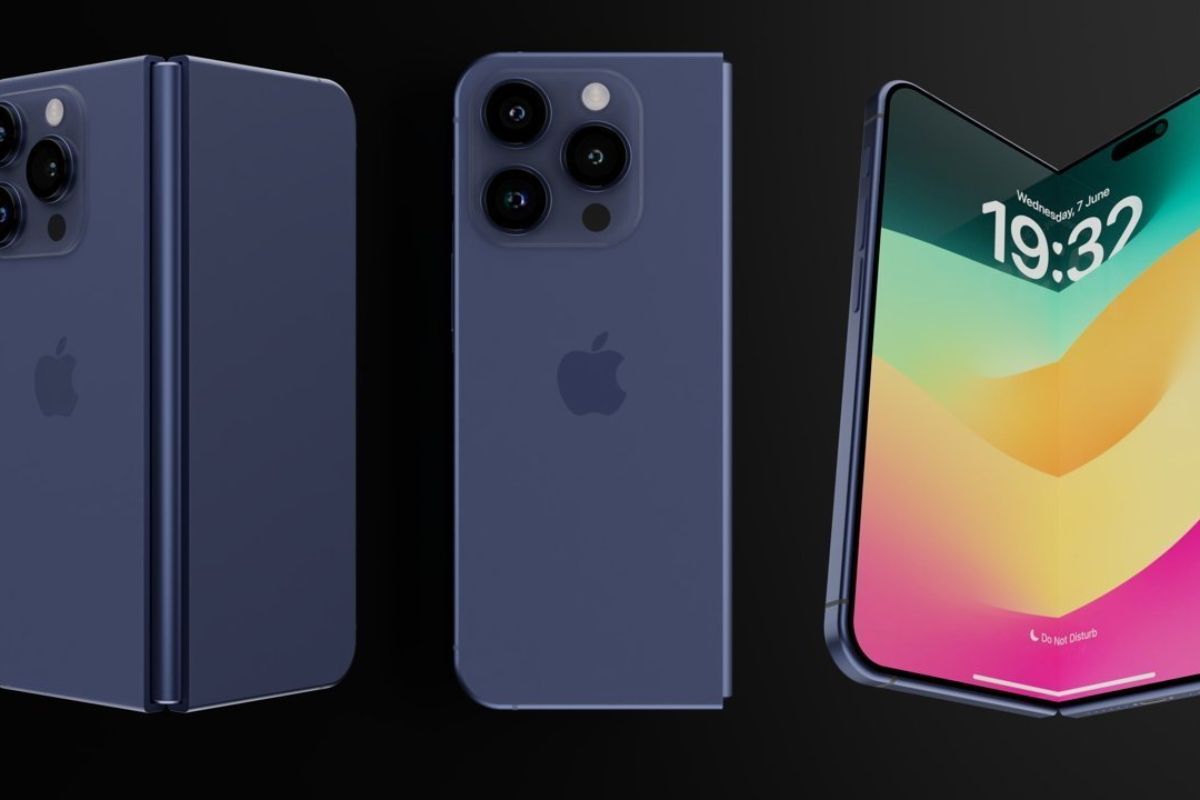
Apple Prepares Its First Foldable iPhone for 2026, with Crease-Free Display, Focus on Durability and Possible Price Above R$10 Thousand in Brazil
Apple will finally enter the foldable smartphone market in 2026 with the highly anticipated iPhone Fold, which will feature a screen supplied by Samsung and focus on high durability. The expectation is that the model will arrive in Brazil the same year, with a high price and strong appeal among the premium audience.
Based on information from analysts like Ming-Chi Kuo and Ross Young, in addition to leaked patents and tests, the new Foldable iPhone will have an internal 7.8-inch screen, crease-free technology and laser-precision hinges. The launch promises to shake up the currently dominated market by Samsung, Huawei and Motorola — and the competition is expected to be fierce in Brazil as well.
Apple Bets on Durability and Refined Design
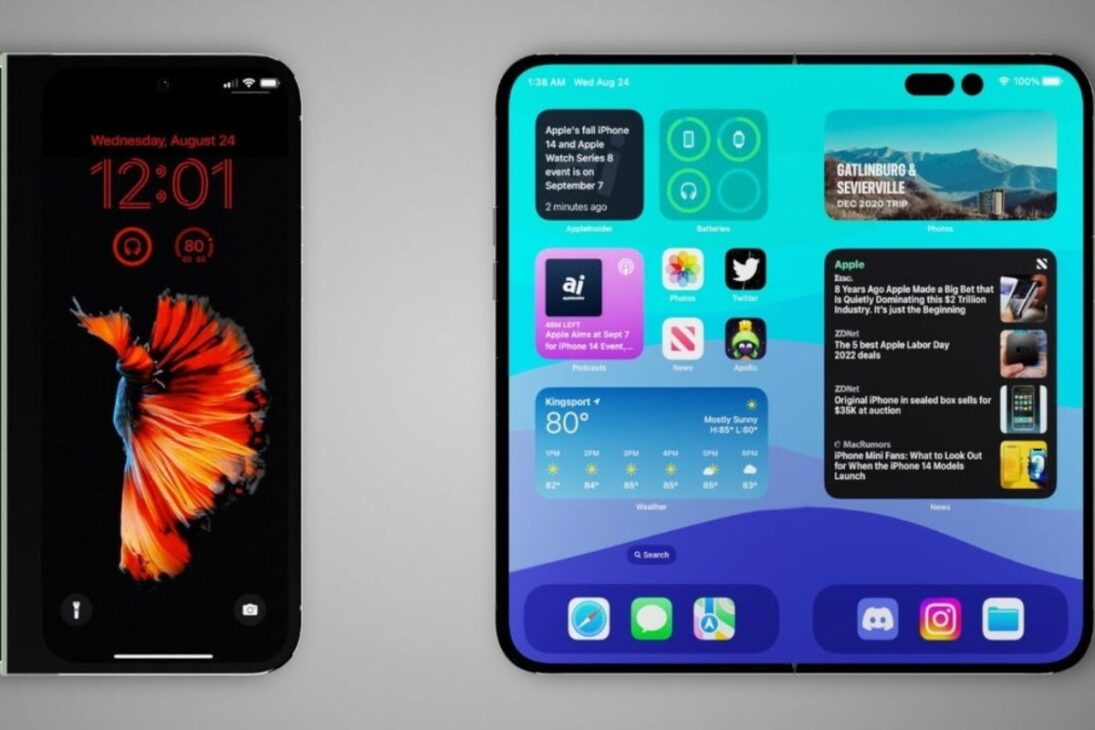
The arrival of the Foldable iPhone represents an unprecedented step for Apple, which has avoided entering the segment while refining the technology. The project, underway since 2018, went through several internal prototypes before being approved. The main innovation lies in the screen supplied by Samsung Display, which uses ultra-thin glass and polymer to ensure more than 300,000 folds — a number exceeding the 200,000 of the Galaxy Z Fold 7.
-
The first cold front of autumn arrives in São Paulo this Tuesday with a risk of storms, hail, and gusts of wind, but the real cold is not coming now: April will be dominated by above-average heat and may even see a heatwave.

-
The robust smartphone from Oukitel comes with a 20,000 mAh battery, satellite communication, walkie-talkie, and thermal camera to tackle mountains, deserts, offshore platforms, and disaster zones in a single device designed for extreme operations.

-
Wastewater from steel and cement industries can capture 30 million tons of CO2 per year in a discovery that transforms a common industrial waste into a low-cost climate weapon, with technology already available and direct application in factories.

-
Extinct for over 100 years and considered one of the rarest birds in Brazil, a legendary species reappears in the Northeast, resumes breeding in the wild, and surprises researchers in 2026.


The crease-free screen promises to virtually eliminate visible creases, a common complaint among current foldable users. The high-precision hinge, made with laser drilling, also improves the fit and resistance to wear. Apple reportedly discarded BOE and LG Display, prioritizing Samsung for its proven experience in the industry.
The Foldable iPhone Will Be Thin, Powerful and Expensive
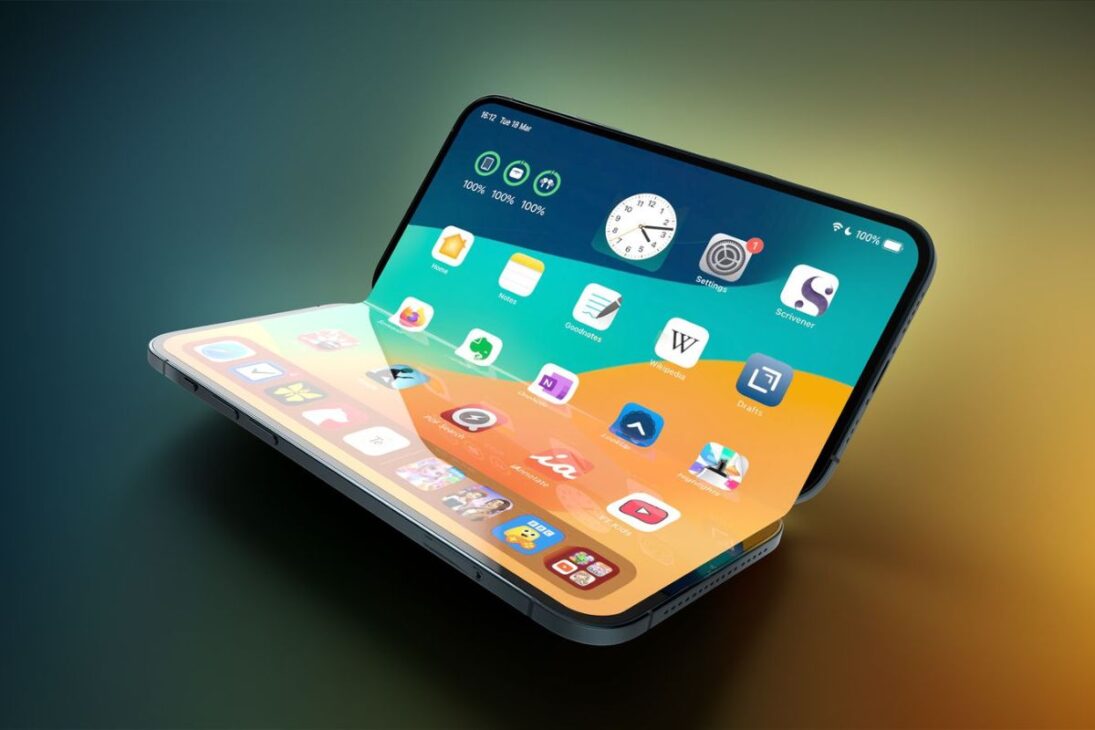
With only 10 mm of thickness when closed, the iPhone Fold will be thinner than its rival Galaxy Fold, making it easier to use on a daily basis. There are no official details yet about the processor or cameras, but the model will be positioned as an absolute top-of-the-line device, with full support for the iOS ecosystem.
The price in the US is expected to range between US$ 1,800 and US$ 2,000. In Brazil, considering taxes and logistics, the price may exceed R$ 10,000. This limits its appeal to a premium audience, but there are expectations for significant sales among creative professionals and brand enthusiasts — especially during promotional events and financing options.
Brazil Will Be a Strategic Market for the Foldable iPhone
Brazil is currently the fourth largest mobile phone market in the world, with over 150 million devices in use. However, foldables are still a niche: only 1.6 million units were sold in 2025, according to IDC. The high price is the main barrier, with an average of R$ 5,300, compared to R$ 1,600 for conventional models.
Even so, the sector grew 35% in one year. The arrival of a Foldable iPhone may expand this market, mainly due to Apple’s strong brand recognition among high-income consumers. Reports from Counterpoint indicate that 70% of premium Brazilians value durability and multitasking performance, although they fear the fragility of foldable screens.
Intense Competition with Samsung and Huawei
The launch will position the iPhone Fold face to face with the Galaxy Z Fold 8, also expected in 2026. Both will feature screens with minimal creases and advancements in multitasking software. While Samsung bets on integration with the S Pen and AI, Apple is expected to explore the optimization of iOS for dual-screen use.
In Brazil, Samsung leads with 60% of the foldable market, followed by Motorola. Huawei is trying to regain space with the Mate XT, a tri-fold model priced at R$ 33,000. To compete, Apple will have to convince Brazilians that its foldable is worth the high investment — and, more importantly, will last.
Expectations and Impacts for Consumers
The arrival of the Foldable iPhone promises to shake up the technology sector in Brazil and generate up to 100,000 indirect jobs, according to analysts. However, it also raises questions about accessibility, parts replacement, and technical support. On X (formerly Twitter), Brazilian consumers are warning: “either Apple gets it right on the first try, or it frustrates an entire generation that expected innovation without fragility.”
For the average consumer, the recommendation is clear: wait. Post-launch promotions and plans with carriers may make the iPhone Fold more accessible. But those who purchase it at launch will pay dearly for the innovation.
Would you pay over R$ 10,000 for a Foldable iPhone? Do you think this innovation is worth it? Comment below and share your opinion!








-

Uma pessoa reagiu a isso.