





 Portuguese
  English
  Spanish
  5 min of reading
  0 comments



Bitcoin already appears in the pre-filled with a balance of 12/31/2025 and even Meli Dollar from Mercado Pago, and a common mistake can lead you straight to the fine mesh
If you deal with Bitcoin, the 2026 tax return has become riskier than it seems: the Federal Revenue already receives monthly data from national brokers, cross-references everything with PIX and banking information, and any difference between what you declare and what was reported becomes an automatic alert.
And it’s not just for those who “invest heavily.” There are people who haven’t even bought crypto and still saw a balance appearing in their CPF, because the pre-filled form started pulling information that includes even cashback from Mercado Pago treated as a crypto asset.
The 2026 tax net has closed for those with crypto

The practical change is simple: the Federal Revenue, in 2026, already receives data from national brokers every month. This includes operations made on exchanges mentioned in the text, such as Mercado Bitcoin and Foxbit, and the logic is that the operations are sent directly to the government’s system.
-
In Paraná, long-life milk prices rise by 17% and powdered milk by nearly 9%, but producers still receive R$ 2.10 while the market charges R$ 7; middlemen keep the difference and are awaiting a price adjustment.

-
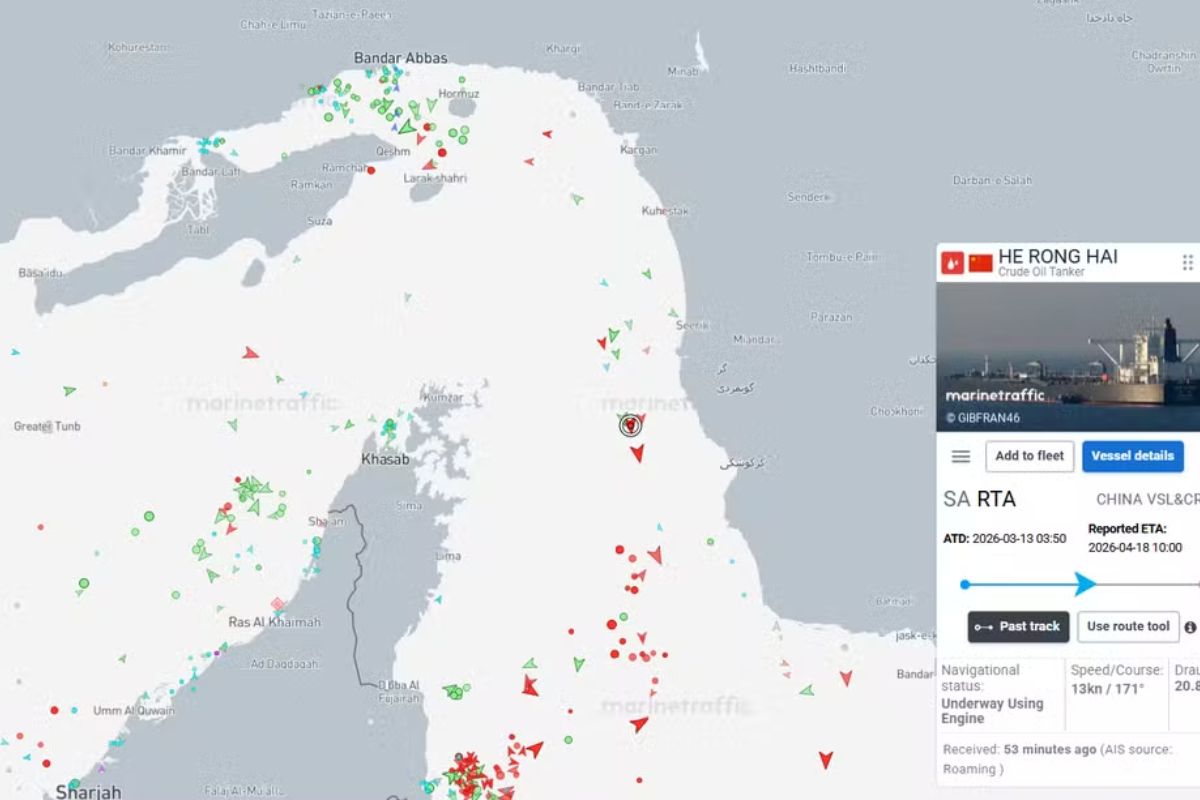
Two Chinese supertankers chartered by Asia’s largest refiner have just crossed the Strait of Hormuz and may be the first to leave the Persian Gulf since the ceasefire between the United States and Iran on a route that still has mines and uncertainties.
-
While Havan earns R$ 50 million per day throughout the year, Cacau Show managed six times more in just 24 hours, totaling half a billion reais in two days of Easter.

-
Weak dollar or strong real? The American currency plummets for the third day, approaching R$ 5 and surprising the market with global inflation and tensions in the Middle East that continue to create global uncertainty.

The effect of this is the cross-referencing: what the broker reports, what you declare on your Income Tax, your movements via PIX, and your banking data all enter the same funnel. If there is a difference, the system flags it.
Why the pre-filled became a trap
The text describes that the pre-filled declaration already comes with your cryptos listed and a balance you had on 12/31/2025. This applies to Bitcoin and also to other crypto assets that appear grouped as altcoins and stablecoins.
The point that caught many people off guard is another: even those who did not “invest” may appear with crypto in their CPF, because the Revenue included cashback from Meli Dollar from Mercado Pago as a crypto asset in the pre-filled, cited as linked to a partnership with a platform. The result: some people are going to the police station thinking it was fraud, when it was just data sent by the service itself.
Declaring possession is not the same as paying tax
This is where many people get confused and complicate things. The text separates two things:
- Declare possession
If you have crypto with acquisition cost equal to or above R$ 5,000, you are required to report it in the Assets and Rights section. - Pay tax
Paying tax depends on sale operations, profit, and assessment rules.
In other words: there may be an obligation to declare even when there is no tax to pay, and there may also be tax to pay even when the person thinks they “did not really sell.”
How to declare crypto the way the Revenue expects
The text advises that, in the declaration, you use the crypto asset group and inform:
- Quantity
- Name of the broker
- CNPJ
- Amount paid for the asset
And here comes the classic mistake that trips many people up: on 12/31/2025, the field asks for the purchase price, not the market value. If your Bitcoin appreciated and you put the current value, the Revenue may understand that your assets “grew” without a consistent explanation, increasing the risk of fine mesh.
The sales rule for the month and the exemption mentioned in the video
The text states that, if you sold cryptos on a Brazilian broker and the total sales for the month were below R$ 35,000, the profit is exempt. If it exceeded R$ 35,000 in sales for the month, then there is tax to pay on the profit, with rates starting at 15% and potentially increasing according to higher brackets mentioned in the text.
The most important operational detail is the timing: this should be calculated month by month, using the capital gains program (GCAP), and then imported into the annual declaration. It is not just “dumping everything into the program” at the end.
The most expensive trap: exchanging Bitcoin for USDT also counts
Here is the point that surprises the most: the Revenue considers any exchange of one crypto for another as alienation. In other words, the swap becomes a taxable event.
Examples mentioned in the text:
- Exchanging Bitcoin for Ethereum
- Exchanging Bitcoin for altcoin
- Exchanging Bitcoin for stablecoins like USDT and USDC
The common confusion is thinking that if it didn’t go back to real, there is no tax. In the report, exchanging Bitcoin for USDT can generate taxable capital gains and needs to be assessed and paid as an event for the month of the operation.
And foreign exchanges: why this also enters the radar


The text mentions that a lot of USDT volume traded by Brazilians goes through foreign platforms, and highlights a practical point: outside Brazil, there is no same monthly exemption mentioned for national brokers and “any gain, no matter how small,” would be taxable at 15% in the presented cut.
The twist is that, starting in July, the Decrypto comes into effect, created by the Normative Instruction 2.291 mentioned in the video, with the idea of forcing foreign exchanges that serve Brazilians to report operations directly to the tax authorities.
What to do to avoid falling into the fine mesh
The text suggests a pragmatic approach:
- Review what appeared in the pre-filled, including small amounts and items you did not recognize as crypto
- Separate declaring possession from paying tax, to not omit assets or leave taxes behind
- Assess month by month when there was a gain, using the GCAP and importing later
- If there were errors in previous years, use a rectifying declaration
- If it’s difficult, seek an accountant who understands crypto, because the cost would be less than a fine
And the final alert is about the deadline: the submission goes until May 29, and the video reinforces that this year, the government is more attentive to those who have crypto.
Quick question for you to comment: have you opened the pre-filled and found Bitcoin or any “unexpected balance” like cashback from Mercado Pago appearing as a crypto asset?







Seja o primeiro a reagir!