





 Portuguese
  English
  Spanish
  5 min of reading
  0 comments


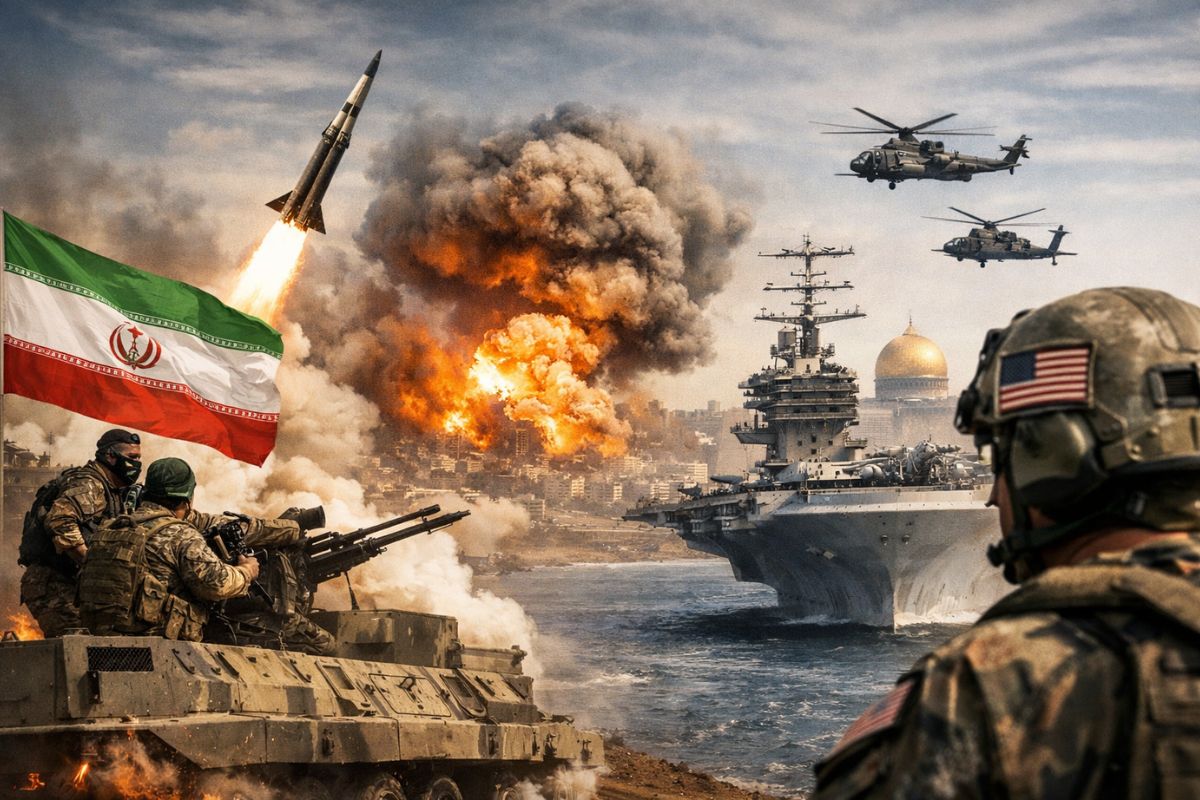
On Sunday, February 1st, Iran said that armed conflict with the United States would be “catastrophic for everyone,” but “is not inevitable.” Amid the sending of the USS Abraham Lincoln and destroyers to the Persian Gulf, authorities advocate dialogue, military preparation, and a new nuclear pact with active indirect messages.
Iran raised the alarm tone while simultaneously maintaining a diplomatic exit. In an interview with CNN in Tehran, Deputy Minister Abbas Araghchi stated that he does not see war as an existential threat, but classified a confrontation as a catastrophe for everyone, in a message aimed at both Washington and the region itself.
On the other side, the President of the United States, Donald Trump, expressed interest in a new pact with Tehran. The combination of statements, naval movements, and public threats creates a scenario where rhetoric becomes a tool of deterrence, while diplomacy attempts to prevent the crisis from turning into something irreversible.
When Iran Says “Catastrophe,” What Is Really at Stake
The word “catastrophe,” used by Abbas Araghchi, does not function merely as a catchphrase. It serves to delineate a political and regional cost: even if Iran does not treat war as an existential threat, the country argues that the impacts would be broad and difficult to contain, because the region already operates under tension and with multiple armed actors.
-
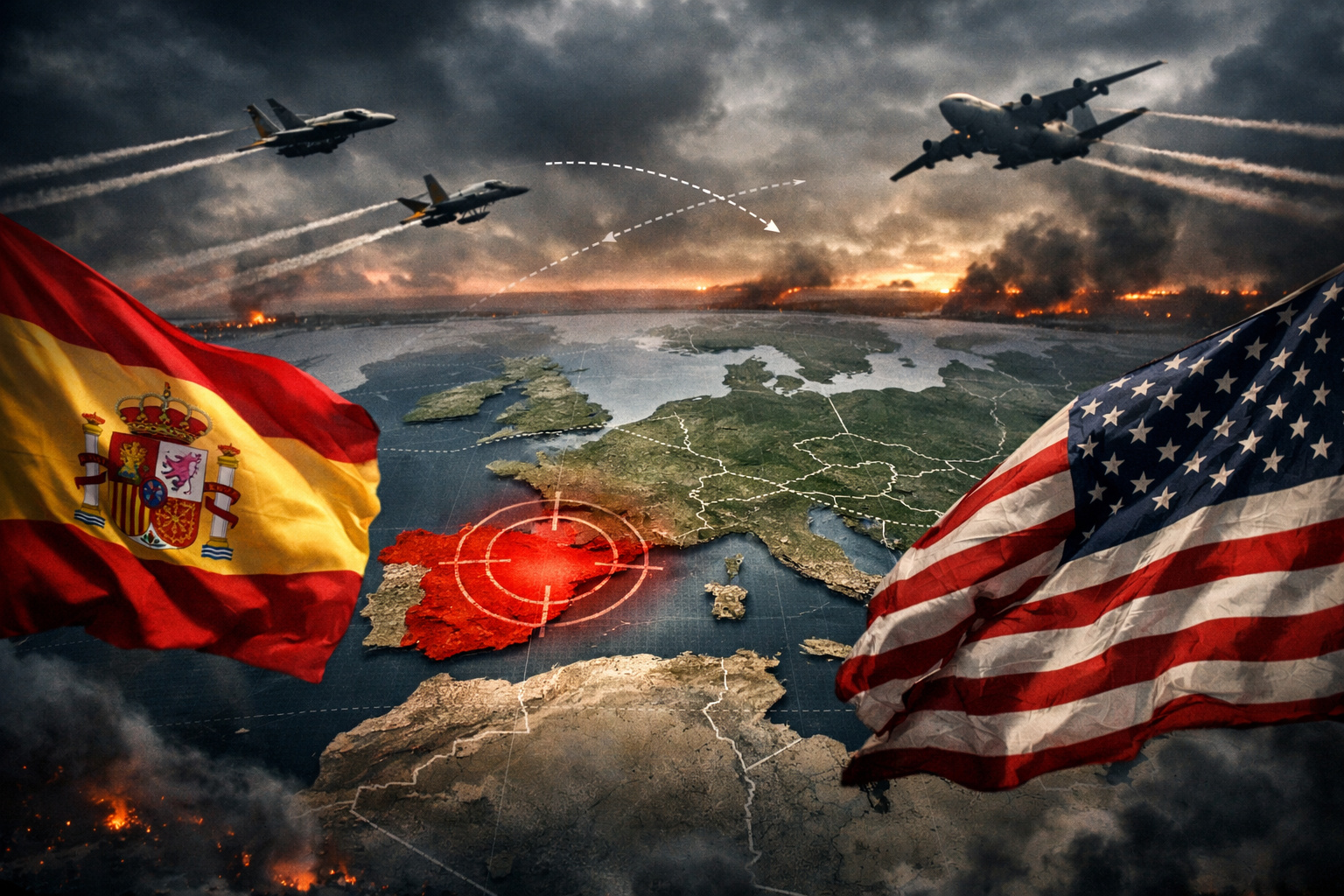
Spain challenges the USA and closes its airspace for operations against Iran, raising global tension and provoking the threat of a trade rupture.
-
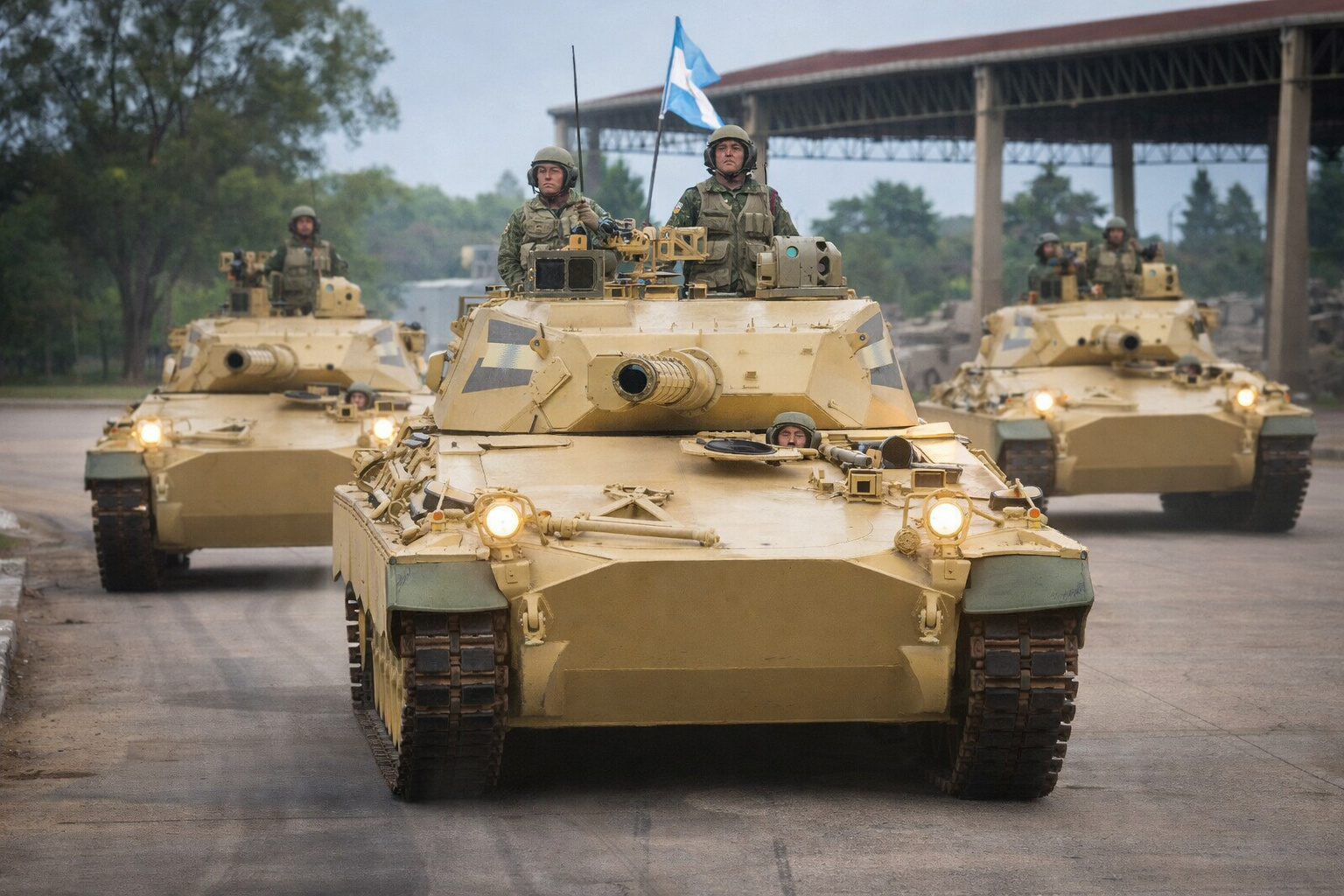
While no other country manufactures tanks in Latin America, Argentina activates the TAM 2C-A2 and raises a curiosity about the technological lag in the region.
-
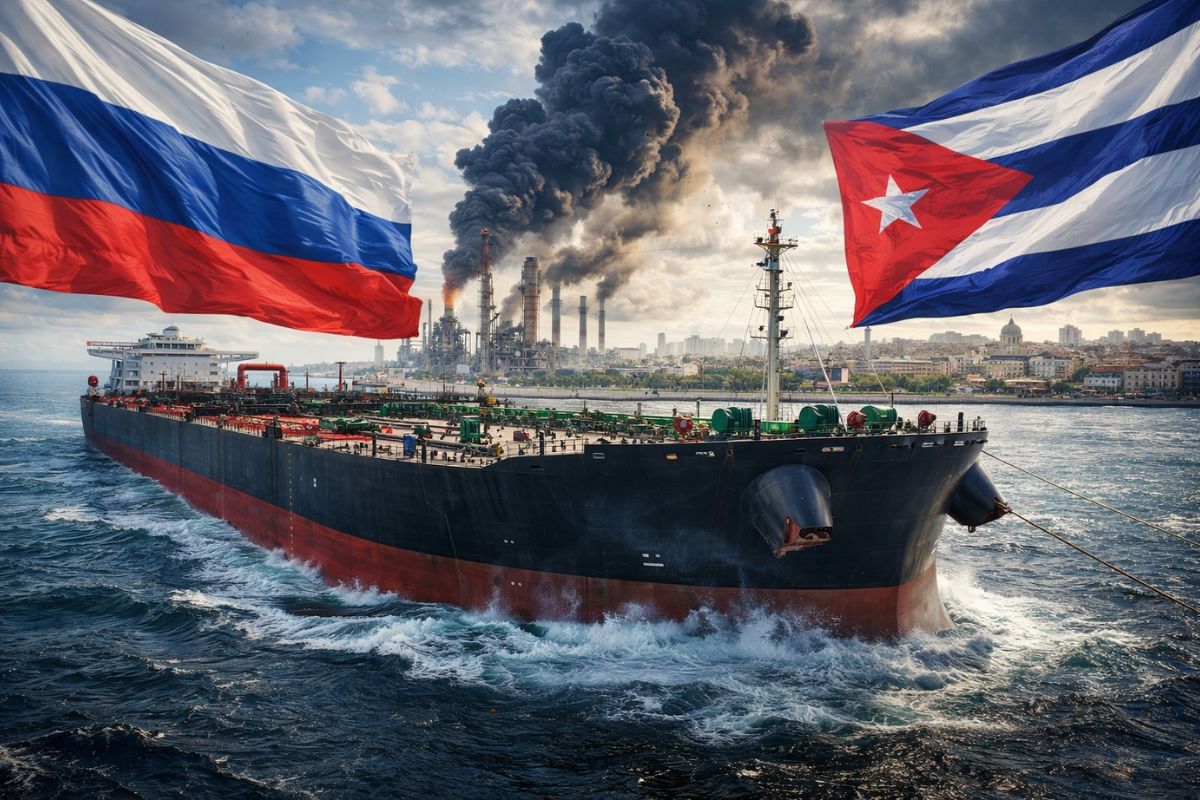
A Russian ship with 730,000 barrels of oil has just arrived in Cuba while Mexico negotiates fuel sales through private companies: the communist island is desperately seeking alternatives after losing its supply from Venezuela due to American military action.
-
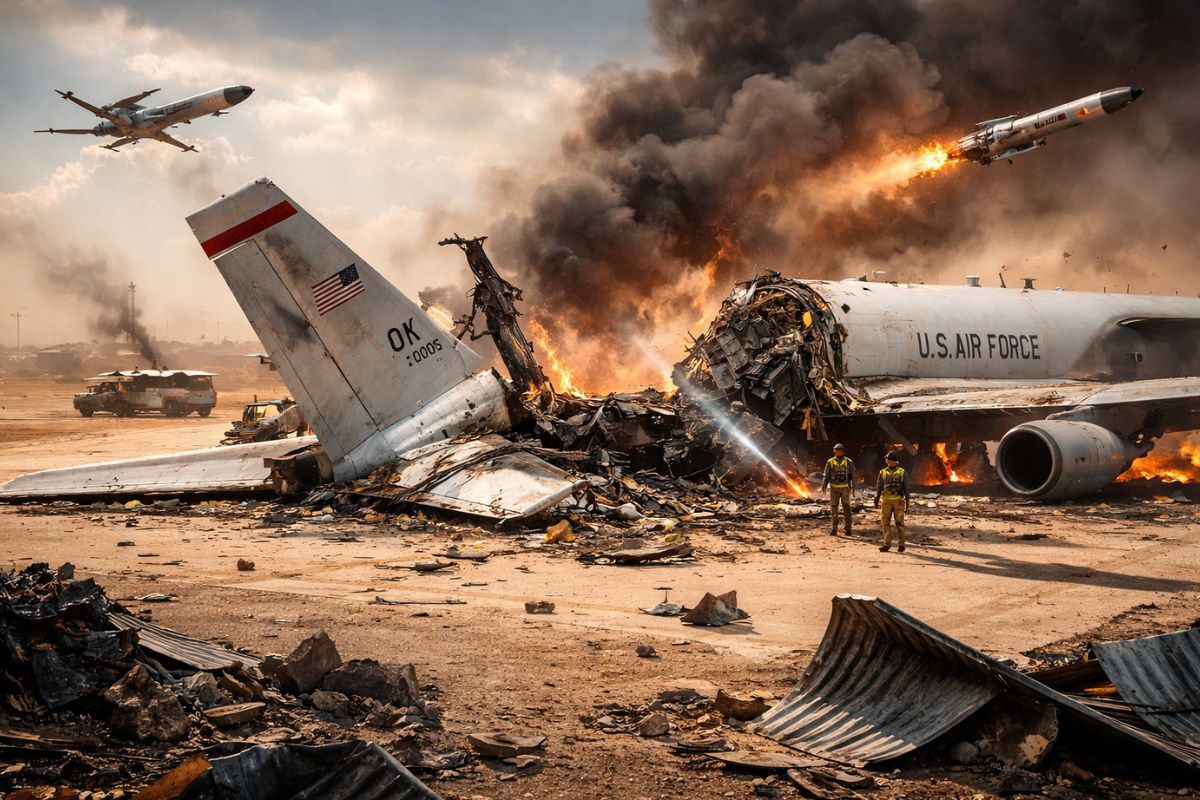
Iranian drones and missiles destroyed a 270 million dollar American spy plane in Saudi Arabia, splitting the E-3 Sentry aircraft in half and injuring 12 military personnel in an attack that exposes the vulnerability of U.S. bases in the Persian Gulf.

By stating that “confrontation is not inevitable,” Iran seeks to sustain two simultaneous messages. The first is internal and about sovereignty: Tehran does not want to appear cornered and reinforces military readiness. The second is external and diplomatic: if there is “rationality,” there would be room for an understanding that ensures the country will not develop nuclear weapons.
The US Presence in the Middle East and the Domino Effect That Iran Fears
Araghchi pointed out a central argument: with the military presence of the United States in various parts of the Middle East, a conflict tends to involve “large parts of the region.” Practically speaking, this type of reading transforms any direct clash into a contagion risk, raising unpredictability and making a swift exit difficult.
It is in this context that the sending of the aircraft carrier USS Abraham Lincoln and three destroyers to the Persian Gulf gains political weight.
The deployment is not just logistical; it alters the perception of risk, especially when accompanied by thousands of troops and statements from Trump threatening actions if there is no new agreement with Iran.
The Nuclear Agreement as an “Open Door” and What Iran Requires to Enter
Despite the maximum alert, Iran reiterated that it sees the possibility of an agreement, as long as the goal is to prevent nuclear weapons and still preserves what Tehran considers fair. Araghchi maintained that an understanding is feasible if the negotiation follows the line of a “fair and equitable agreement” and does not turn into unilateral demands.
The most sensitive point appears in the condition declared as essential: the recognition of the right to enrich uranium for peaceful purposes.
For Iran, this is the line that separates negotiation from imposition. This also explains why the discourse of “catastrophe” coexists with the discourse of “possible agreement”: the country tries to reinforce that there is a path, but not at any cost.
Broken Trust Since 2015 and the Impact of the Twelve-Day Conflict
Distrust is treated by Iran as a structural element, not a detail. The Iranian government cites the US withdrawal from the 2015 nuclear agreement as a breaking point that needs to be “repaired” politically before any consistent resumption, because the cost of a new failure would be high for both sides.
This strain gained another layer with the reference to bombings of Iranian nuclear facilities during the twelve-day conflict with Israel in June.
When the topic turns into attack and not just a negotiation table, Iran uses this as proof that trust needs to be rebuilt, even with guarantees and mechanisms that prevent the repetition of ruptures.
“Messages Through Intermediaries”: How Iran Describes the Indirect Channel with the US
Without direct contact assumed as a rule, Iran emphasized that exchanges of messages through intermediaries have been “fruitful.”
This type of channel usually exists precisely when politics does not allow public proximity, but the crisis requires some level of coordination to reduce noise and test proposals.
At the same time, Iran signals that the indirect channel alone does not resolve. The country states it is working with “friends in the region” to reach a level of trust that allows negotiations to resume.
Here, diplomacy becomes a staged engineering: first reduce risk, then test terms, only then draw the agreement.
Khamenei Reinforces the Alert and Larijani Speaks of a “New Structure” for Negotiation
The Supreme Leader Ali Khamenei reinforced that a conflict between Iran and the United States would have regional implications, aligning with the argument that the problem transcends borders.
When the highest leadership echoes the alert, the internal message is one of cohesion; externally, it is a signal that the issue is not limited to a technical statement from the local Itamaraty, but involves the top of power.
In the same vein, Ali Larijani, Secretary of the Iranian Supreme National Security Council, stated on social media X that there is progress in building a new structure for negotiations with the United States.
The word “structure” matters: it indicates an attempt to create a format and rules to reduce improvisation, increase predictability, and, above all, manage the main asset in lack: trust.
Between Deterrence and Diplomacy: Why Iran Tries to Hold Escalation at the Limit
The Iranian discourse combines readiness (“Armed Forces ready and equipped, even more so than in the previous war”) with an appeal to rationality to avoid war.
This is not an automatic contradiction: it is a way to try to keep the escalation under control, raising the cost of confrontation while simultaneously offering the negotiated exit as a viable alternative.
Tension increases when public threats intersect with concrete military movements. The critical point is miscalculation: one side interpreting the other’s message as bluff or as imminent aggression.
Therefore, Iran insists that war “is not inevitable,” but frames the price as “catastrophe” as an attempt to push the decision to the table, not to the field.
Iran chose a harsh phrase to draw a psychological limit: war with the United States would be “catastrophic for everyone,” and the message is regional, not just bilateral.
At the same time, the country tries to keep the nuclear agreement pathway open, as long as it preserves the right to enrich for peaceful purposes and that trust returns to exist to some extent.
In your reading, what weighs more in this type of crisis: military movements (like the sending of the USS Abraham Lincoln) or the real possibility of a new agreement? And, if you had to point out a breaking point, would it be the broken trust since 2015 or the debate over uranium enrichment in Iran?









-

-

2 pessoas reagiram a isso.