





 Portuguese
  English
  Spanish
  5 min of reading
  2 comments


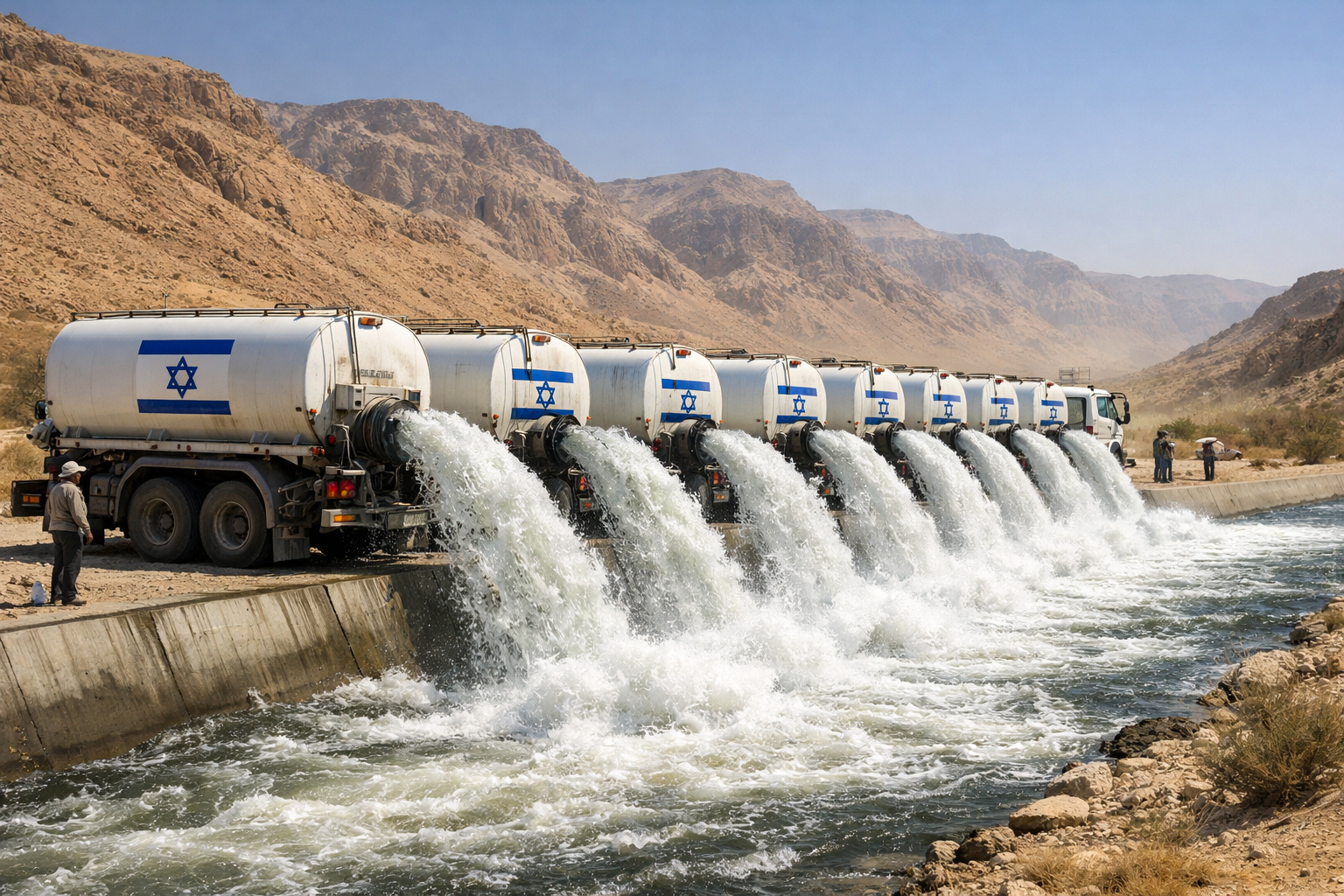


Fossil Water, Extreme Heat, and High Salinity Led to One of the World’s Most Unlikely Experiments, Transforming the Israeli Desert into a Replicable Model for Food Production, Energy, and Climate Survival
In one of the driest places on the planet, where rain is rare, the soil is scorched by the sun, and temperatures easily exceed 40 °C, Israeli engineers decided to drill into the desert of Negev in search of water. Not for drinking, not for irrigating traditional crops, but to solve a seemingly unsolvable problem. The information was released by the channel Unexpected Angle and international scientific documentaries detailing the transformation of southern Israel into a living laboratory of climate innovation, according to technical studies and records from Israel’s water sector.
The drilling passed through about 700 meters of rock until unexpectedly reaching a subterranean reservoir: a fossil aquifer, a remnant of an ancient ocean that existed there when the region was still a lush savanna. However, what gushed to the surface was far from the expected solution. The water was brackish, with about one-tenth the salinity of seawater, in addition to emerging heated by geothermal energy, close to 40 °C.

At first glance, it seemed to be a technical failure. Too salty to drink, too hot for direct use, and unsuitable for conventional agriculture. Still, in a country where water is worth more than oil, giving up was never an option. Instead, the engineers asked the question that would change everything: if we can’t drink this water, what can live in it?
-
Created by George Lucas with over $1 billion, a futuristic museum in the shape of a spaceship with 1,500 curved panels is about to open in Los Angeles and will house one of the largest private collections of narrative art in the world.

-
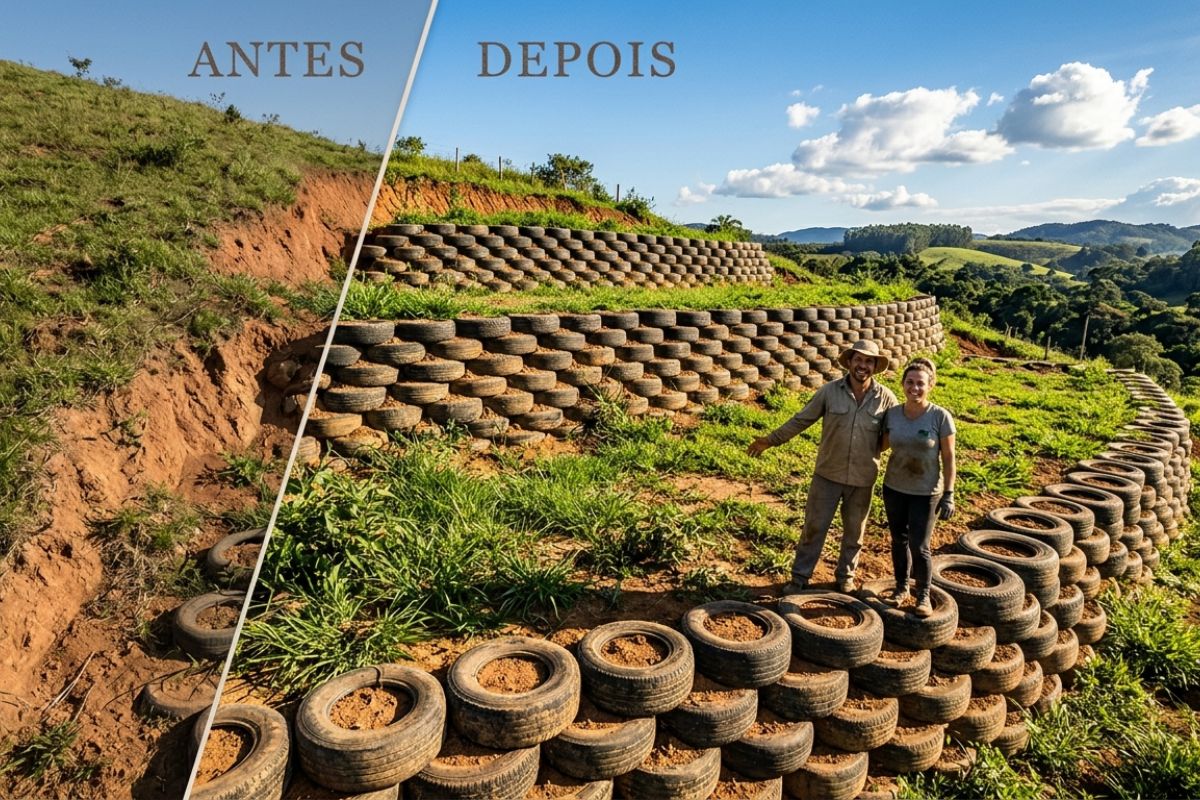
Couple shows how they built a retaining wall on their property using 400 old tires: sloped land turned into plateaus, tires are aligned, filled, and compacted with layers of soil, with grass helping in support and at almost zero cost.
-
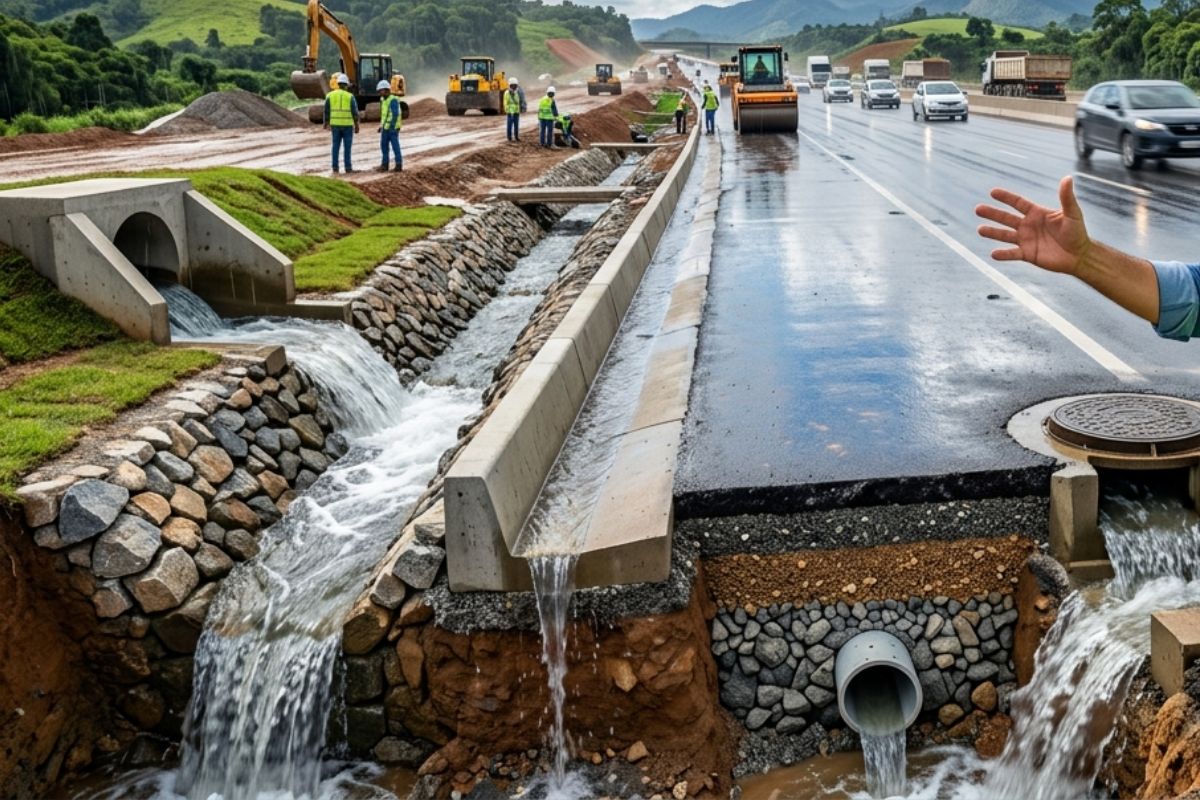
Engineer explains drainage during the rainy season: the difference between surface water and deep water, ditches, gutters, and water outlets on the road, as well as drains and drainage mattresses, to prevent erosion, aquaplaning, and flooding at the construction site today.
-
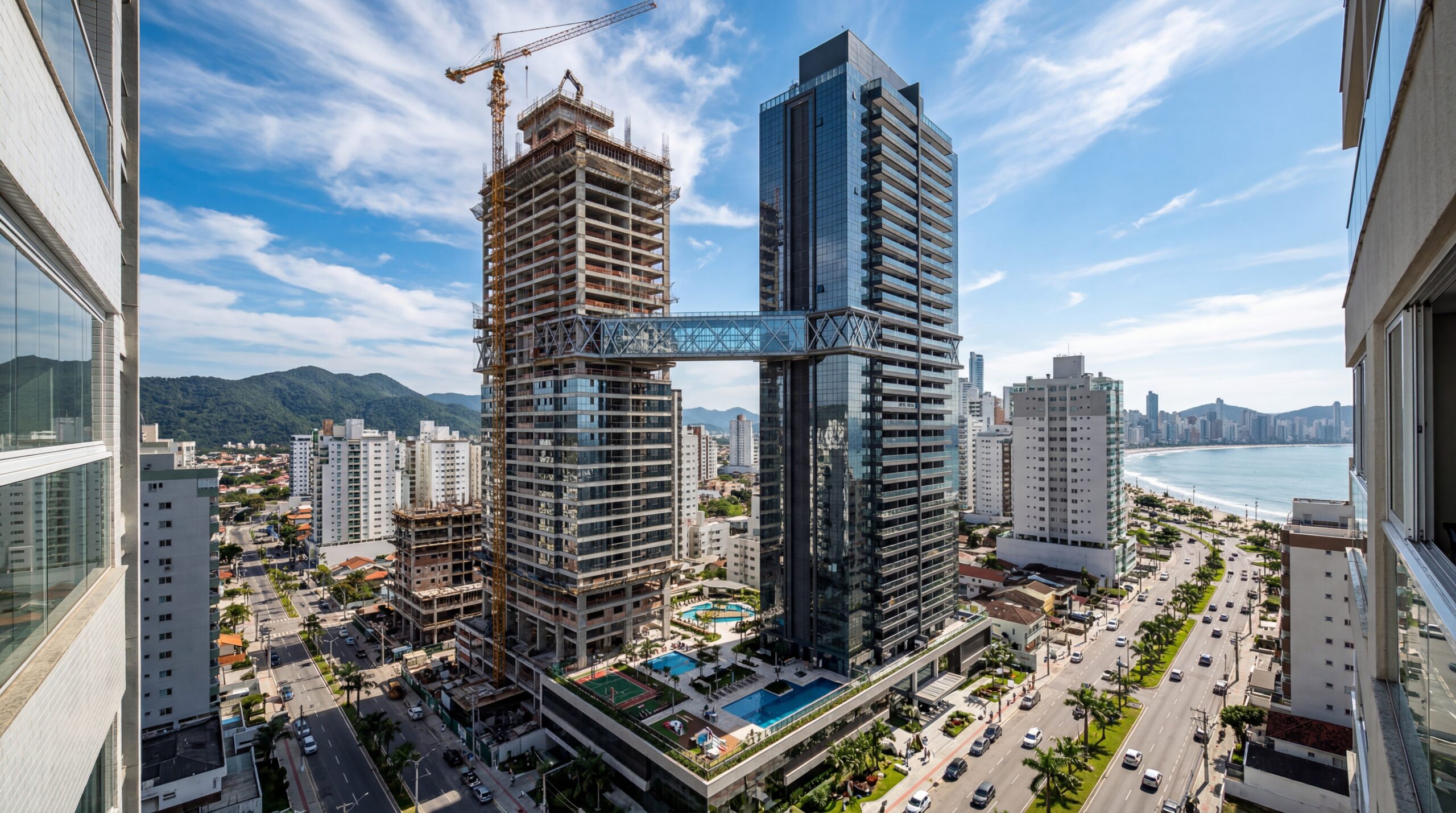
With 55 floors, 177 meters in height, a 15-meter walkway between the twin towers, ventilated facade, and 6,300 m² of leisure space, Ápice Towers already has one tower completed and another nearly at the top.

From the Nubian Sandstone Aquifer to Tropical Aquaculture in the Middle of the Desert

The answer did not come from the Mediterranean but from distant and equally extreme environments. Scientists began studying hot rivers in northern Australia and brackish lakes in East Africa. This is how they found the perfect candidate: the Barramundi, also known as Asian sea bass, a tropical fish capable of thriving in warm and slightly salty waters, just like those of the Negev aquifer.
Unlike traditional aquaculture practiced in Europe or North America, which relies on artificial heating for much of the year, the Israeli desert provided constant and free heat. Each drop of water pumped from the ground already arrived at the ideal temperature for tropical fish farming throughout the 12 months of the year, eliminating high energy costs.
Moreover, the salinity, initially seen as a problem, turned out to be a strategic advantage. The brackish water significantly reduced the incidence of parasites and diseases common in freshwater systems, decreasing the need for chemical interventions. Consequently, experimental tanks gave way to industrial aquaculture operations, such as those developed in places like Kibbutz Mashabei Sadeh and specialized units in southern Israel.
In the heart of a desert once considered barren, a true industrial aquarium emerged, capable of producing high-value fish in conditions that until then seemed incompatible with any form of aquatic life.
Waste Becomes Fertilizer and Creates a Closed Cycle in the Desert
As fish production grew, a new challenge arose. In closed systems, the greatest risk is not predators but the accumulation of ammonia, a result of nitrogen-rich waste excreted by the fish. In just a few hours, this compound can make the water toxic, burning gills and causing mass mortality.
In regions with abundant water, the solution is usually constant water exchange or expensive mechanical filtration systems. In the Negev, this would be unfeasible. It was then that Israeli engineers found yet another unlikely solution: to treat waste not as trash but as organic fertilizer.
The nitrogen and phosphorus accumulated in the tanks were exactly the nutrients needed for agriculture. Thus, the dual-use system was born. First, the fossil water is pumped from the aquifer and used in aquaculture. Then, enriched by the fish waste, it is directed to irrigate date palms and olive trees, crops that are naturally salt-tolerant.
The results surprised even the most skeptical. The plants irrigated with this wastewater grew faster and produced sweeter fruits than those fed with freshwater and synthetic fertilizers. The soil, in turn, acted as a natural biofilter, purifying the water as it seeped back into the ground. The cycle was complete: the fish fed the trees, the trees regenerated the soil, and the soil closed the system.
Solar Panels over Fish Tanks and the Birth of Aquavoltaics

In the Negev, the sun is abundant but relentless. It evaporates water, burns the soil, and increases energy demand. Instead of fighting against it, engineers decided to integrate another layer into the system. Aquavoltaics emerged, an innovation that combines aquaculture and solar energy in the same physical space.
Solar panels were installed over the fish tanks, providing continuous electricity for pumps, sensors, and monitoring systems. At the same time, the shade reduces evaporation, keeps the temperature more stable, and decreases fish stress, promoting more efficient growth.
The result was a drastic reduction in operational costs and carbon footprint, with no need for territorial expansion. What was once an obstacle — extreme heat and intense solar radiation — became a strategic asset.
Scarcity Economy: When What No One Wants Becomes an Advantage

Technological innovation is only sustainable when it balances the economic equation. In Israel, where every cubic meter of fresh water can cost more than US$ 0.60, traditional aquaculture is not viable. However, the brackish water from the Nubian Sandstone Aquifer, unusable for human consumption and most crops, is practically worthless in the market.
Precisely for this reason, it became the basis of the system. By being used twice — first to grow fish, then to irrigate crops — the costs of water, energy, and land are diluted. There’s no need for artificial heating, chemical fertilizers, or long logistic chains. The entire system is local, closed, and integrated.
The result is so efficient that fish raised in the middle of the Israeli desert have begun to be exported to Europe, competing with coastal regions surrounded by oceans but limited by cold weather and high energy costs.
A Plan for a Warmer Planet
As global warming progresses, soils salinize, rivers dry up, and extreme events intensify, the model developed in Negev offers more than just technological curiosity. It presents a replicable plan for regions like California, northern Kenya, or western India, where intense heat and water scarcity threaten food production.
The power of this system lies not only in sustainability but in the elegance of synergy. Each element serves multiple functions. Nothing is discarded. Nothing is single-use. Scarcity ceases to be a problem and becomes a strategy.
Israel has not just made the desert bloom. It has transformed limits into assets and shown that, many times, the future of agriculture does not depend on place but on imagination applied to engineering.
Information from: Unexpected Angle






Quando a necessidade imperiosa de sobreviver se alia a um governo que estimula a inovação e não pune seus pequenos e médios empresários, o resultado só pode ser esse. Israelenses não são pessoas mais inteligentes. São mais livres.
O solo Israelense é abençoado. A Canaã, a terra prometida por Deus. E de pessoas inteligentes e capacitadas. Deus os abençoe.